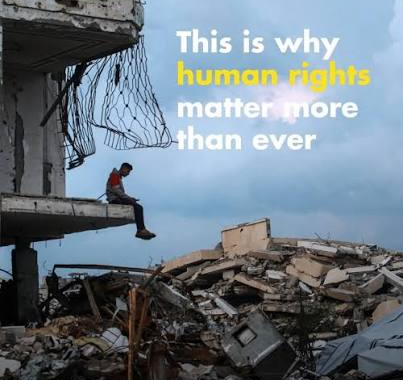
Imagine a child playing in a park, laughter echoing as sunlight dances through the trees. Now, imagine that same child coughing, unable to breathe because the air is polluted. For millions, this is reality. Our environment is not just “out there” — it’s the stage of our lives, shaping our health, hopes, and dreams. When it’s harmed, people suffer. The fight for human rights and environmental justice is deeply connected, woven together through stories of struggle, resilience, and hope.
I’m Alice Nahar, known as Digital Madama, and I’ve seen these connections firsthand since moving to Australia in 1991. I’ve met people whose lives were changed by floods, whose voices were drowned out by industries, and whose hope was rekindled by communities demanding change.
This article is not just about facts; it’s about humanity. It’s about why our right to live, breathe, and thrive depends on the world around us — and how we can fight for it, together.
What Are Human Rights?
Human rights are the basic freedoms and protections that belong to every person, everywhere. They are the promise that you matter, that your life is valued, and that you deserve dignity.
The Foundation Of Human Rights
The Universal Declaration of Human Rights (UDHR), adopted by the United Nations in 1948, is the cornerstone. It declares rights like freedom, equality, and justice for all — regardless of race, religion, gender, or nationality. Some of the main rights include:
- The right to life and security
- The right to health
- The right to education
- The right to participate in society
- The right to work and fair wages
These rights are meant to protect us from harm and give us the freedom to pursue our dreams. But what happens when the environment is damaged? When clean water is scarce, or air is toxic, these rights are threatened.
If you look closer, you’ll see that many everyday rights depend on the environment. Clean air and water are not mentioned directly in the UDHR, but without them, other rights become meaningless. For example, the right to health means little if a child grows up surrounded by toxic waste.
The right to education is hard to enjoy if air pollution keeps children at home, coughing and sick.
Human Rights In Everyday Life
Let’s make it real. Imagine you’re living in a small village, and the river you depend on is polluted by a factory upstream. Your right to health, water, and food is at risk. Or, you’re in a city where smog fills the air, making it hard to breathe.
These aren’t distant problems — they’re happening now, from Australia to Bangladesh.
Think about people who rely on farming for their food and income. If pesticides or industrial waste poison the soil, their harvest fails. If rain patterns change due to climate change, crops can die, leading to hunger and migration. These issues are not just “environmental”; they are about human survival, safety, and dignity.
Rights are not only about big events or disasters. Often, small daily struggles chip away at dignity. In some cities, children walk for hours to fetch water from distant wells because rivers are polluted. In coastal areas, families worry every year about storms getting worse.
Their hopes and plans are shaped by forces far beyond their control.
Non-obvious insight: Human rights are often seen as legal ideas, but they are lived every day in small moments. The state of the environment decides how free or safe you really are.
What Is Environmental Justice?
Environmental justice is the belief that everyone should have equal access to a safe and healthy environment. It means that no one should suffer more because of their skin color, income, or where they live.
Roots Of Environmental Justice
The term began in the United States in the 1980s, when communities of color noticed that dangerous industries were often placed near their homes. Toxic waste, air pollution, and contaminated water were realities for many, while wealthier neighborhoods enjoyed cleaner air and safer spaces.
One of the early moments in the environmental justice movement was the protest in Warren County, North Carolina. The state decided to put a toxic waste landfill in a mostly Black community. People marched, blocked trucks, and demanded a voice.
Their fight showed that pollution and race were deeply connected.
But the problem is not limited to the US. In South Africa, apartheid-era laws forced Black communities into areas near mines and factories. In Brazil, favelas (poor neighborhoods) are often built in flood-prone or polluted places. In India, lower-caste communities sometimes live near garbage dumps or sewage lines.
The story is global.
Environmental justice says: It’s not fair. Everyone deserves safety, not just the privileged.
Key Principles
- Equal protection from environmental harm
- Fair treatment regardless of race or income
- Meaningful involvement in decisions that affect communities
- Access to resources needed for health and wellbeing
Environmental justice goes beyond environmentalism. It’s not just about saving trees; it’s about saving lives.
A healthy environment is not a luxury for the rich. It’s a right for all. Environmental justice means asking tough questions: Who benefits from development? Who pays the price? Who is left out of decisions?
Non-obvious insight: Environmental justice is not just about fighting pollution. It’s about making sure everyone can shape the future of their own communities, with dignity and respect.
How Human Rights And Environmental Justice Intersect
At the heart of both movements is the belief that every person matters. When the environment is harmed, human rights are endangered. The connection is not abstract; it’s lived every day by people facing pollution, climate disasters, and exclusion.
Health And The Environment
The right to health is fundamental. But millions live with contaminated water, hazardous waste, and polluted air. According to the World Health Organization, air pollution kills 7 million people each year — most in poor communities. These deaths are not just environmental tragedies; they are violations of the right to life and health.
For example, in cities like Beijing, Mumbai, or Lagos, air is sometimes so polluted that doctors advise children and older people to stay indoors. Chronic diseases like asthma, heart disease, and lung cancer are rising. For families with few resources, medical costs can mean choosing between food and medicine.
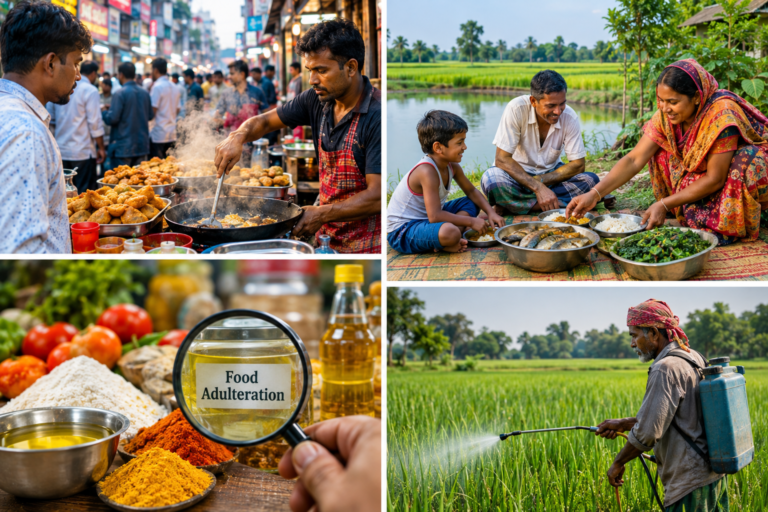
In rural areas, pesticide runoff from farms can poison rivers, leading to skin diseases, stomach problems, and even cancer. When industries dump waste into water sources, fish die and families lose both food and income.
Non-obvious insight: Environmental harm often affects mental health, too. Anxiety, depression, and trauma are common among people living with constant pollution or after climate disasters.
Climate Change And Human Rights
Climate change is more than melting ice or rising sea levels. It’s families losing their homes to floods, children going hungry because crops fail, and entire communities forced to migrate. These are violations of:
- The right to housing
- The right to food
- The right to security
In Australia, bushfires have destroyed homes and communities. In Bangladesh, rising seas threaten to displace millions. Climate justice is human justice.
Consider the Pacific Islands, where rising seas are swallowing land, making some villages unlivable. In East Africa, repeated droughts force families to walk farther for water, sometimes facing hunger and conflict.
Climate change also brings extreme storms, like hurricanes and typhoons, that destroy homes, schools, and hospitals. When people lose everything, their rights to shelter, education, and safety are all in danger.
Non-obvious insight: Climate change often forces people to leave their homes, becoming “climate refugees.” But international law does not always protect them, leaving millions in legal limbo.
Access To Clean Water
Clean water is a human right, but over 2 billion people lack safe drinking water. The reasons are environmental — pollution, drought, and climate change. Without water, life and dignity are impossible.
In some countries, water is rationed or privatized, making it too expensive for the poor. In others, water sources are contaminated by mining or industry. Children get sick, women spend hours fetching water, and schools and clinics cannot function.
Water shortages can also cause conflict. In some regions, villages fight over access to rivers or wells. When water is polluted or scarce, entire communities are at risk.
Pollution And Inequality
Environmental harm is not shared equally. Poor, marginalized, and Indigenous communities often face the worst pollution. This is environmental injustice — and a human rights crisis.
Here’s a comparison of pollution exposure between groups:
| Group | Pollution Exposure | Access to Clean Air | Health Outcomes |
|---|---|---|---|
| Low-income urban residents | High | Low | Poor |
| Indigenous communities | High | Low | Poor |
| Suburban middle-class | Low | High | Better |
The data shows that injustice is built into our systems. But it can be changed.
Non-obvious insight: Pollution often follows invisible lines of power. Highways, factories, and dumps are built where people have less political influence, not just where land is cheap.
Real-life Stories: Struggle And Hope
Numbers are important, but stories move hearts. Here are real examples of how environmental injustice affects human rights — and how people fight back.
The Flint Water Crisis
Flint, Michigan is a city with a mostly Black population and high poverty rates. In 2014, officials switched the water supply to save money. The new water was contaminated with lead. Children developed illnesses, and families were ignored.
The crisis lasted years. People marched, spoke out, and demanded justice. Eventually, the government admitted fault, and action was taken. Flint’s story is a reminder: environmental harm is a human rights issue, and communities can rise up.
The Flint crisis also shows how trust can break down. When authorities hide information, people lose faith in those meant to protect them. Recovery is not just about fixing pipes; it’s about rebuilding trust and dignity.
Indigenous Land And Rights
In Australia, Indigenous people have lived on their land for thousands of years. But mining, logging, and pollution threaten their homes, health, and culture. The fight for land rights is a fight for survival.
In 2019, Indigenous leaders in Western Australia stopped a mining project that would destroy sacred sites. Their victory showed the power of community and the importance of protecting both land and rights.
In Canada, the Wet’suwet’en people have resisted pipelines crossing their territory, arguing that their rights and traditions are at risk. In the Amazon, Indigenous communities patrol forests to stop illegal logging and protect biodiversity.
Non-obvious insight: For Indigenous people, the environment is not just a resource — it is part of their identity, culture, and spirituality.
Children Facing Pollution In Delhi
Delhi, India is one of the world’s most polluted cities. Children there suffer from asthma, poor growth, and missed school days. Their right to health and education is compromised. Activists, doctors, and parents are demanding cleaner air, showing that hope is possible even in hard times.
Some schools have installed air filters or created “safe rooms” for children, but these solutions are expensive and not available to all. The city has started banning cars on some days and encouraging public transport, but much work remains.
Non-obvious insight: Children’s bodies are more vulnerable to pollution. The damage done in early years can last a lifetime, affecting learning, growth, and future opportunities.
A Community Fighting Floods In Bangladesh
In Bangladesh, floods are becoming more frequent due to climate change. Families lose homes and livelihoods. But communities are organizing, building raised homes, and demanding government help. Their resilience is inspiring.
Groups have started planting trees along riverbanks to prevent erosion. Women’s cooperatives are leading efforts to store clean water and food for emergencies. These local solutions show the power of community, even when facing global challenges.
Why Environmental Justice Is A Human Rights Issue
The evidence is clear: environmental harm threatens the basic rights promised to every person. When people cannot access clean air, water, or land, their dignity and freedom are at risk.
Legal Recognition
Many countries now recognize the right to a healthy environment. In 2021, the United Nations Human Rights Council declared that a clean, healthy, and sustainable environment is a human right. This was a milestone, linking environmental justice and human rights in law.
This recognition matters because it gives people a tool to demand action. If a government fails to protect the environment, citizens can go to court, point to international law, and say: “You are violating our rights.”
But there are challenges. Not every country has made this right part of national law. Sometimes, courts are slow, or governments lack resources to enforce rulings.
Examples Of Legal Action
- In Colombia, the Supreme Court ruled that the government must protect the Amazon rainforest for future generations’ rights.
- In India, courts have ordered governments to clean rivers and reduce pollution.
- In Australia, Indigenous groups have used courts to defend their land and culture.
Legal action is powerful, but it’s not enough. Laws must be enforced, and voices must be heard.
Laws can also be used to stop harmful projects before they start. In the Philippines, children won a lawsuit stopping illegal logging. In South Africa, communities sued to stop mining that would pollute water.
Non-obvious insight: Legal victories often inspire others. When one community wins, others realize their own power and demand justice.
The Role Of Climate Justice
Climate justice is a movement that connects climate change to human rights and social inequality. It says that those who suffer most from climate change are often the least responsible for it.
Who Is Most Affected?
- Small island nations facing rising seas
- Poor farmers losing crops to drought
- Urban residents suffering from heatwaves
- Indigenous communities whose land is threatened
Climate justice demands that solutions focus on the most vulnerable. It calls for fair policies, support for affected communities, and global cooperation.
Here’s a look at climate vulnerability:
| Region | Main Threat | Population At Risk | Adaptation Capacity |
|---|---|---|---|
| Pacific Islands | Sea level rise | Low | Limited |
| Sub-Saharan Africa | Drought | High | Low |
| Europe | Heatwaves | Medium | High |
| Australia | Bushfires | Medium | Medium |
Climate justice also means looking at history. Many rich countries built their wealth by burning fossil fuels. Now, poorer countries face the worst effects, even though they contributed little to the problem. Justice means sharing resources and technology, helping everyone adapt and thrive.
Climate Justice In Action
- Youth-led movements like Fridays for Future demand climate action.
- Indigenous leaders fight for land protection.
- Local groups adapt to changing weather, showing strength and hope.
In Kenya, women’s groups have started planting “green belts” of trees to restore land and prevent desertification. In the Philippines, coastal communities build mangrove barriers to protect against storms.
Non-obvious insight: True climate justice means changing the way we think about development. It’s not enough to reduce emissions; we must also end poverty and inequality.
Poverty And Environmental Justice
Poverty and environmental harm are linked. Poor communities often live near factories, waste dumps, or polluted rivers. They lack resources to move or fight back. This is not just environmental injustice — it’s a violation of their right to equality and dignity.
The Cycle Of Poverty
Environmental harm makes poverty worse. Pollution causes illness, leading to medical costs and lost work. Climate disasters destroy homes and jobs. Without help, families can’t escape this cycle.
For example, a family living near a landfill may suffer from constant sickness, spending money on medicine instead of education. If a flood destroys their home, they may borrow money at high interest, falling deeper into debt.
Poverty also limits choices. Poor families may use firewood or coal for cooking, creating indoor air pollution. When governments fail to provide clean energy, the poorest pay the price with their health.
Breaking The Cycle
Hope comes from community action, government support, and international aid. Programs that clean up neighborhoods, provide safe water, or plant trees can change lives.
Here’s a comparison of poverty and environmental harm:
| Community | Pollution Level | Health Issues | Poverty Rate |
|---|---|---|---|
| Urban slums | High | Frequent | Severe |
| Rural villages | Moderate | Some | High |
| Suburban areas | Low | Rare | Low |
Non-obvious insight: Many solutions focus on “aid” instead of empowerment. Real change comes when communities control resources and shape solutions.
The Importance Of Equality
Equality is central to both human rights and environmental justice. Everyone deserves the same protections, regardless of wealth, race, or background. But reality is different.
Environmental Racism
Environmental racism is when communities of color face more pollution and fewer protections. In the US, Black and Latino neighborhoods are often near highways, factories, or landfills. In Australia, Indigenous people face destruction of sacred land.
In Brazil, Afro-Brazilian communities known as quilombos face threats from mining and deforestation. In South Africa, poor Black communities live near toxic tailings from gold mines.
Non-obvious insight: Environmental racism is often hidden. It’s not just about where pollution happens, but who is excluded from decisions and benefits.
Fighting For Equality
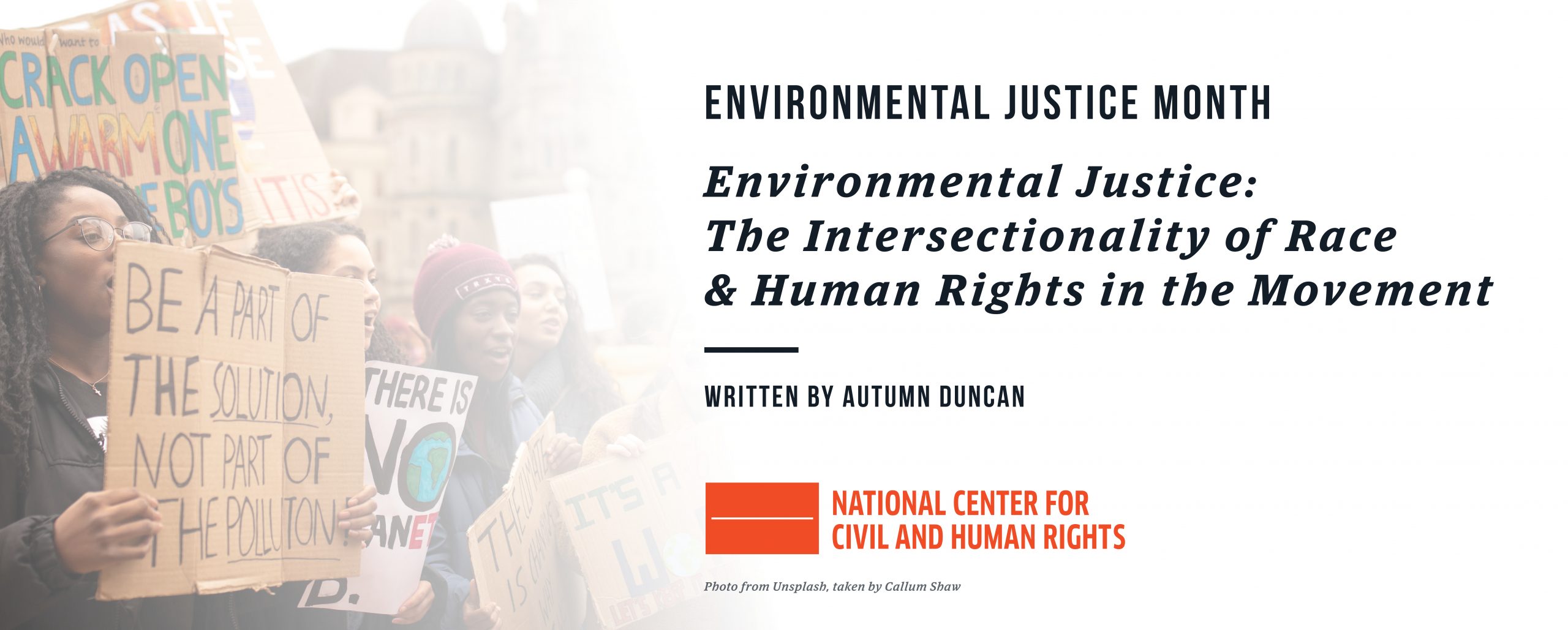
Movements for justice use protests, legal action, and public campaigns. Change comes from listening to voices that are often ignored.
Non-obvious insight: Many solutions ignore local knowledge. Indigenous communities have deep understanding of their environment — their wisdom is vital for real change.
For example, Aboriginal fire management in Australia uses traditional burning to prevent large bushfires. In the Amazon, Indigenous patrols use GPS and drones to stop illegal logging.
Freedom And Participation
Freedom is not just a word; it’s the power to shape your life. Environmental justice means that people must be free to participate in decisions affecting their homes and health.
Community Involvement
When communities are involved, solutions are better. People know their needs and can guide action. But often, decisions are made far away, without listening.
In some cases, governments hold “public hearings” but ignore real feedback. In others, companies offer jobs but fail to protect health and safety.
Examples Of Participation
- In Brazil, local communities helped design flood protection, saving lives.
- In Canada, Indigenous leaders shape forest management.
- In Africa, women’s groups lead water projects.
Community participation also means access to information. People must know about risks and plans before they can act. Free media, open meetings, and education are key.
Non-obvious insight: Participation is not just about meetings. It’s about respecting voices, building trust, and sharing power.
Global Challenges And Cooperation
Environmental justice and human rights are global issues. Pollution travels across borders. Climate change affects everyone. Cooperation is essential.
International Agreements
Countries work together through agreements like the Paris Climate Accord. These aim to reduce emissions and protect vulnerable people.
The Paris Agreement is unique because it asks every country to set its own goals, but also to help each other. Rich countries promise to provide funding and technology to poorer ones. Progress is reviewed every few years.
Other agreements, like the Stockholm Convention, target chemicals that pollute the planet, banning or limiting their use worldwide.
Challenges
- Some countries lack resources to act
- Political disagreements slow progress
- Wealthy nations emit more but suffer less
Global action must focus on fairness and support for those most affected.
Non-obvious insight: International law is only as strong as the will to enforce it. Citizens and activists often push governments to keep their promises.
The Role Of Hope And Humanity
Amid struggle, hope is powerful. People rise above hardship, unite, and demand justice. Stories of resilience show that change is possible.
Emotional Storytelling
Let me share a moment. In Australia, after a bushfire destroyed homes, neighbors came together. They shared food, rebuilt fences, and comforted each other. Children drew pictures of trees growing again. This is humanity — caring for one another in crisis.
In Puerto Rico, after hurricanes, neighbors formed “mutual aid” groups to cook meals, share water, and check on elders. In Bangladesh, families host those who lose homes to floods.
The Power Of Action
Hope grows when people act. Marches, petitions, and community projects make a difference. Change is slow, but every step matters.
Even small wins — planting a tree, cleaning a river, teaching children — inspire others. Hope is not just an emotion; it’s a practice.
Non-obvious insight: Sometimes, hope is all that keeps people going. When laws and leaders fail, community and solidarity are the strongest resources.
How You Can Make A Difference
Everyone can help. You don’t need to be a lawyer or activist. Small actions create ripples.
Practical Steps
- Learn about local environmental issues.
- Support groups fighting for justice.
- Reduce waste and pollution in your daily life.
- Speak up — write to officials, share stories.
- Listen to voices from affected communities.
You can also join clean-up drives, use less plastic, save water, and choose public transport. Even voting for leaders who care about the environment matters.
Non-obvious insight: Change often starts in small circles — family, friends, school, or workplace. Conversations and examples spread awareness.
Inspire Others
Share hope. Encourage your friends and family to care. Change starts with compassion.
Tell stories, share news articles, or organize events. Celebrate local heroes who make a difference.
Case Studies: Impact And Lessons
Let’s look deeper at how environmental justice and human rights shape real lives.
Case Study 1: Hurricane Katrina, Usa
In 2005, Hurricane Katrina hit New Orleans. Poor and Black communities suffered most. Many lost homes, jobs, and family. The government response was slow, showing deep inequality.
Activists demanded change, leading to new policies for disaster response. Katrina taught that disasters expose injustice — and that recovery must focus on human rights.
Many people could not evacuate because they lacked cars or money. Emergency shelters were crowded and unsafe. Some neighborhoods took years to rebuild. The lesson: disaster plans must include everyone, not just the privileged.
Case Study 2: Oil Pollution In Nigeria
The Niger Delta is rich in oil, but local communities face polluted water, dead fish, and illness. Oil companies made profits, but people paid the price.
After years of struggle, courts ordered companies to clean up and pay compensation. The fight continues, but the case shows that justice is possible.
Fishermen lost their way of life. Women had to walk farther to find clean water. International groups supported local activists, bringing global attention to the crisis.
Case Study 3: Bushfires In Australia
Bushfires have burned homes, forests, and wildlife. Indigenous people lost sacred land. The fires showed the link between climate change, environmental harm, and human rights.
Recovery efforts now include Indigenous wisdom and community involvement, leading to better outcomes.
Some communities use “cool burning,” a traditional method that reduces risk without destroying biodiversity. This approach respects both science and ancient knowledge.
Case Study 4: Toxic Waste In Ecuador
A US company dumped toxic waste in the Amazon, harming Indigenous people. Cancer rates rose, and land was destroyed. After a long legal battle, communities won compensation.
The case shows the power of persistence and the importance of international support.
Activists worked with scientists to prove the link between pollution and health problems. Global media coverage helped pressure the company to act.
Case Study 5: Air Pollution In China
Cities in China face severe smog. Children wear masks, and schools close during bad days. The government has taken steps to reduce pollution, but challenges remain.
Community campaigns and new laws are making progress, showing that change is possible when people work together.
Solar and wind energy are growing fast. Some cities now have “blue sky” days for the first time in years.
Lessons From Struggles
These stories share common themes:
- Injustice is real, but change is possible.
- Community action matters.
- Legal victories inspire hope.
- Recovery must focus on dignity and rights.
Non-obvious insight: Lasting change takes time and persistence. Small wins build momentum for bigger victories.
Policy And Action: What Needs To Change
Solving environmental injustice and protecting human rights needs strong policies and real action.
Key Policy Goals
- Recognize the right to a healthy environment in law
- Protect vulnerable communities from harm
- Involve people in decisions
- Enforce environmental laws
- Support adaptation to climate change
Policies must address root causes, not just symptoms. This means tackling poverty, inequality, and corruption.
Challenges And Solutions
- Funding is often limited. Governments and donors must invest in justice.
- Enforcement is weak. Stronger oversight and penalties are needed.
- Voices are silenced. Media, education, and public campaigns help raise awareness.
Corruption is also a problem. Sometimes, companies pay bribes to ignore pollution. Independent monitoring and community-led oversight are crucial.
Non-obvious insight: Policy must be flexible. Every community has unique needs — one-size-fits-all solutions often fail.
The Role Of Technology And Innovation
Technology can help solve environmental injustice — but it must be used wisely.
Positive Examples
- Low-cost air monitors help communities track pollution.
- Solar panels provide clean energy for poor families.
- Mobile apps connect people to emergency help.
Drones can map floods, and satellite images show deforestation. Water filters make rivers safe to drink. Social media spreads awareness quickly.
Risks
- Technology can widen gaps if only rich communities benefit.
- Data privacy must be protected.
If only wealthy neighborhoods get clean energy, inequality grows. If data is used without consent, trust is lost.
Non-obvious insight: Technology is only as good as the people who use it. Community-led innovation works best.
For example, Kenyan farmers use mobile phones to get weather forecasts and market prices, helping them adapt to climate change.
Education And Awareness
Knowledge is power. Education helps people understand their rights and fight for justice.
Effective Approaches
- School programs teach about pollution and rights.
- Community workshops build skills and confidence.
- Media campaigns raise awareness.
Young people learn about recycling, conservation, and climate change. Adults learn how to organize, file complaints, or use technology.
Non-obvious insight: Peer education is powerful. When people learn from neighbors, friends, or trusted leaders, change spreads faster.
The Power Of Stories
Stories reach hearts. Sharing real experiences helps others care and act.
Radio shows, community theater, and social media can all share stories. When people see themselves in stories, they are more likely to join the fight.
Intersectionality: Understanding Complex Struggles
Many people face multiple challenges — poverty, racism, gender bias, and environmental harm. Intersectionality helps us see the whole picture.
Examples
- Women in rural areas may face both pollution and discrimination.
- Disabled people struggle more during climate disasters.
- Indigenous youth fight for land and cultural rights.
Disabled people may not be able to evacuate during floods. LGBTQ+ people may face extra risks in shelters. Solutions must include all voices.
Non-obvious insight: Intersectionality means solutions must be flexible and responsive. One group’s needs are not the same as another’s.
The Future: Building A Just And Sustainable World
The journey is long, but progress is possible. New leaders, movements, and ideas are emerging.
Youth As Change Makers
Young people are leading climate and justice movements. Their passion inspires hope.
Groups like Sunrise Movement, Fridays for Future, and Pacific Climate Warriors are shaping global debates. Young activists speak at the United Nations, organize strikes, and demand action.
Collaboration
Communities, governments, and businesses must work together. Partnerships create stronger solutions.
Some companies now invest in clean energy and fair labor. Cities sign agreements to cut pollution. Schools and hospitals join climate campaigns.
The Role Of Compassion
Compassion is the heart of justice. Caring for others, especially the vulnerable, drives change.
Kindness is not weakness. It is the force that binds movements, inspires action, and sustains hope.
Non-obvious insight: The most successful movements are grounded in care — for people, land, and the future.
About The Author
Alice Nahar, known as Digital Madama, has lived in Australia since 1991. Her passion for justice and equality is rooted in real experiences. She believes in the power of storytelling and community action. Learn more about Alice and her journey at [digitalmadama.com/about-the-author](https://digitalmadama.com/about-the-author/).
Social Media And Advocacy
You can connect with movements and stories on social media. Join the conversation, share your story, and support justice. For updates and inspiration, follow Alice Nahar on Facebook.
Frequently Asked Questions
What Is The Link Between Environmental Justice And Human Rights?
Environmental justice means fair access to a healthy environment. Human rights protect life, health, and dignity. When the environment is harmed, basic human rights are threatened. Both movements aim for equality and safety.
How Does Climate Change Affect Human Rights?
Climate change causes floods, droughts, and disasters. People lose homes, food, and security. It threatens rights to housing, health, and survival. Vulnerable communities suffer most.
What Are Examples Of Environmental Injustice?
Examples include polluted water in Flint, Michigan, toxic waste in Nigeria’s Delta, and bushfires in Australia harming Indigenous land. Often, poor and marginalized people are most affected.
How Can I Help Fight For Environmental Justice?
Learn about local issues, support community groups, reduce pollution, and speak out. Listen to affected voices and share stories. Every action counts.
Why Is Participation Important In Environmental Decisions?
When people are involved, solutions are better and fairer. Participation builds trust, respects needs, and empowers communities. It’s key to both justice and human rights.
Where Can I Learn More About Environmental Justice And Human Rights?

Final Thoughts
The connection between environmental justice and human rights is more than policy or law. It’s about people — their struggles, dreams, and hope. It’s about caring for each other and the planet we share. The fight is not easy, but together, we can build a world where everyone breathes freely, drinks clean water, and lives with dignity.
Let compassion guide us, and let our stories inspire change.
The journey is not just for experts or leaders — it’s for all of us. Every voice matters. Every action, big or small, can help tip the balance toward justice. When we protect our environment, we protect our rights, our families, and our future.
Let’s keep moving forward, together.