Child Labor And Human Rights Violations Around The World
How do you measure the value of a childhood? Is it in laughter, learning, or the freedom to dream? For millions of children across the world, childhood is not a time for play or hope. Instead, it becomes a daily struggle for survival, trapped by forces beyond their control.
The story of child labor and human rights violations is not just about statistics and laws—it is about real people, real pain, and the fight for dignity.
When I first moved to Australia in 1991, I saw children playing in parks, safe and carefree. But I could not forget what I had witnessed in my homeland and other places I visited: children carrying bricks under the hot sun, girls forced into factories, and families broken by poverty. Each story stays with me. That is why, as Digital Madama, I believe we must look beyond the numbers and see the faces, the futures, and the hope that drives change.
This article takes you on a journey through the complex world of child labor and human rights violations. We explore the causes, the impact, and the efforts to end these injustices. We hear the voices of those who have suffered, and those who fight for a better world.
The goal is not just to inform, but to inspire action and compassion. Because human rights are not just laws—they are the heart of humanity.
What Are Human Rights?
Human rights are the basic freedoms and protections that belong to every person, everywhere. They include the right to life, liberty, safety, education, and freedom from torture or slavery. These rights are not given—they are inherent. They exist simply because we are human.
The Universal Declaration of Human Rights (UDHR), adopted in 1948, sets out these rights for all people. It says that every child should be free from exploitation, that every person has the right to education, work, and dignity. But in many countries, these rights are ignored or abused.
Human rights are the foundation for equality, justice, and freedom. They protect us from harm, and give us the chance to build a life with hope. When human rights are violated, it is not just the individual who suffers—the whole society loses its humanity.
Why Human Rights Matter
Imagine a world where everyone is respected, no matter their age, gender, or background. Human rights make this possible. They create societies where people can speak freely, learn, and grow. Without these rights, there is injustice, poverty, and fear.
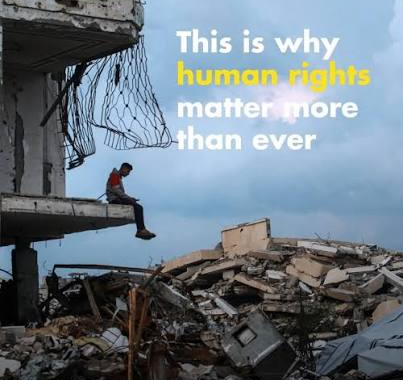
When children are forced to work, when women are denied education, when families are displaced by war, human rights are broken. The fight for human rights is the fight for a better world—a world where every child can dream, and every person can live with dignity.
Human rights matter because they are the basis for peace and fairness. If a child is denied education, it affects not only the child but the whole community. If people are treated unfairly because of their race, gender, or beliefs, it can lead to anger, division, and violence.
Human rights help stop these problems before they grow.
Many people think human rights are only for countries with problems, but every country needs to protect these rights. For example, in wealthy nations, children may still suffer abuse, bullying, or neglect. Human rights are not just about laws—they are about respect and kindness in everyday life.
It is easy to forget the importance of rights when things are stable. But when disaster strikes or conflict happens, human rights are what protect the weak and guide us to rebuild. They are the promise that no one should be left behind.
The Reality Of Child Labor
Child labor is one of the most painful examples of human rights violations. It is the practice of forcing children to work, often in dangerous and degrading conditions. The International Labour Organization (ILO) defines child labor as work that deprives children of their childhood, education, and health.
According to the ILO, there are about 160 million child laborers worldwide. That is one in ten children. Many work in agriculture, mining, factories, and domestic service. Some are trapped in slavery or forced into prostitution.
Child labor is not just a statistic. It is a story of lost dreams. It is the boy who carries heavy loads in a quarry, the girl who stitches clothes in a dark room, the child who never learns to read.
The reasons are complex—poverty, lack of education, weak laws, and cultural beliefs all play a part.
Many people are surprised to learn that child labor exists even in places they would not expect. For example, in the United States, children work in agriculture, picking fruits and vegetables in the fields. While laws protect most children, there are loopholes that allow young workers in certain industries.
Some children are paid very little or nothing at all. They may be given food and shelter instead of wages. Employers often prefer children because they are easy to control, do not complain, and can be forced to work longer hours.
Children who work often miss out on play, friendships, and learning new skills. Their lives become focused only on survival.
Common Types Of Child Labor
- Agricultural work: Children work in fields, picking crops, using dangerous tools, exposed to chemicals. In countries like India, children help their families harvest rice or cotton. They may work from sunrise to sunset, sometimes barefoot, exposed to pesticides and sharp tools.
- Manufacturing and factories: Children make clothes, toys, and electronics, often for long hours in unsafe conditions. In Bangladesh, young girls work in garment factories, sewing shirts for export. They face loud machines, dust, and pressure to meet quotas.
- Mining: Children dig for gold, diamonds, or minerals, risking injury or death. In the Democratic Republic of Congo, boys and girls crawl through narrow tunnels to collect cobalt, used in batteries. These mines are often illegal and dangerous.
- Domestic work: Children serve as maids or cleaners in private homes, isolated and vulnerable to abuse. In Latin America, young girls may live with wealthy families, cooking and cleaning but rarely allowed outside.
- Street work: Children sell goods, beg, or shine shoes on the streets, exposed to crime and exploitation. In many cities, children work at traffic lights, selling snacks or newspapers. They face harassment from police and criminals.
- Forced labor and trafficking: Children are sold or kidnapped, forced to work as slaves, or pushed into sex work. In Southeast Asia, children are trafficked across borders, forced into brothels or fishing boats.
Each type robs children of their rights, health, and future. It is important to remember that child labor is not just about working—it is about being denied the chance to grow, learn, and be safe.
Many child laborers work in hidden places, such as homes or illegal businesses. This makes it hard for authorities to find and help them. Some children are forced to work by their own families, while others are recruited by strangers.
They are often threatened, beaten, or punished if they try to escape.
Real-life Stories
Let me share the story of Sita, a young girl from Nepal. Sita was only 10 when she was sent to work in a carpet factory. She worked twelve hours a day, her tiny hands bleeding from the rough wool.
Her family was poor, and her father believed this was the only way to survive. But Sita’s childhood was stolen. She never learned to read, and her dreams faded into exhaustion.
Or think of Emmanuel, a boy in Ghana, forced to work in a gold mine. He wakes before dawn, crawls through tunnels, and breathes toxic dust. He is paid almost nothing. He fears for his life every day. Emmanuel wants to go to school, but his family needs the money.
These stories are not rare. They are repeated across Asia, Africa, Latin America, and even parts of Europe. Each child carries a burden too heavy for their age.
Another story is of Maria, a 12-year-old girl in Honduras who works as a domestic helper. Maria cleans, cooks, and takes care of younger children in her employer’s house. She is not allowed to visit her own family. Sometimes she is beaten if she makes a mistake.
Maria dreams of going to school and playing with friends, but she is trapped.
In Cambodia, a boy named Vann works in a brick kiln. He wakes up early, mixes clay, and carries heavy loads. The heat is unbearable, and his hands are covered in blisters. Vann’s parents owe money to the kiln owner, so he must work to pay the debt.
He has never attended school.
These stories show that child labor is not just a distant problem—it is everywhere. Each child deserves a chance to live, learn, and be safe.
Causes Of Child Labor And Human Rights Violations
To end child labor and human rights abuses, we must understand their roots. The causes are deeply connected to poverty, inequality, and broken systems.
1. Poverty
Poverty is the most powerful driver of child labor. Families struggling to survive may see no choice but to send their children to work. In many places, adults cannot find jobs, and children become the last hope for income. Poverty creates desperation, and desperation destroys childhood.
Poverty is more than just lack of money. It means families cannot afford food, health care, or education. Often, parents work in unstable jobs or earn very little. When a parent falls ill or loses work, children are pushed into labor to help the family survive.
Some families live on less than $2 a day. They must choose between sending their children to school or having enough food. This impossible choice forces children into work.
In rural areas, poverty is often worse. Families depend on farming or seasonal jobs. When crops fail, children are sent to cities to work. They may end up in factories, on streets, or in dangerous jobs.
2. Lack Of Access To Education
Without education, children cannot escape the cycle of poverty. In many countries, schools are too expensive, too far, or too unsafe. Some families must choose between sending a child to school or feeding the family. Education is a right, but for millions, it is a distant dream.
Barriers to education include lack of schools, poor teachers, unsafe roads, and discrimination. Girls may be kept at home to help with chores or care for siblings. Children with disabilities face extra challenges.
In some places, schools are overcrowded or have low-quality teaching. Children may not learn enough to pass exams or get jobs. This discourages families from investing in education.
Some countries have tried to fix these problems by offering free school meals, scholarships, or transportation. But many children still miss out.
3. Weak Laws And Enforcement
Even where laws exist, they are often ignored. Corruption, lack of resources, and political instability make enforcement difficult. Employers exploit children because they know the risks are low. Strong laws and honest enforcement are essential.
In some countries, labor inspectors are few or poorly trained. They may be paid to look the other way. Children working in hidden places, like homes or small businesses, are hard to find.
Some laws are outdated or do not cover all types of work. For example, agricultural work may be legal for children, even if it is dangerous. This loophole allows employers to exploit children.
When governments do not enforce laws, child labor becomes normal. People stop questioning it, and children suffer in silence.
4. Cultural Beliefs And Traditions
In some cultures, child labor is seen as normal or necessary. Children may be expected to help with family businesses or farms. In other cases, girls are denied education or forced into marriage, violating their rights and futures.
Traditions may value boys’ education over girls’. Girls are expected to marry young or care for siblings. In some places, working as a child is seen as training for adult life.
Changing these beliefs takes time. Community leaders, teachers, and parents must be educated about the harm caused by child labor. Success happens when communities see the benefit of education and safe childhoods.
Some cultures believe that children should learn through work, not school. This belief is strong in rural areas and among poorer families. Education campaigns can help change these ideas.
5. Conflict And Displacement
War, violence, and disasters force families to flee their homes. Children become vulnerable to exploitation, trafficking, and forced labor. Refugees and migrants often lack protection, making them easy targets.
When people move to new places, they lose support and resources. Children may be separated from families or left alone. Traffickers target these children, offering fake jobs or help.
In conflict zones, schools and hospitals may be destroyed. Children are forced to work to survive. Some are recruited as soldiers or forced into dangerous jobs.
Natural disasters like floods, earthquakes, or droughts also push families into poverty and instability. Children are often the first to suffer.
6. Global Supply Chains
Many products we use—clothes, electronics, food—are made by children in distant countries. Companies seek cheap labor, and children pay the price. Consumers may not realize the hidden cost of their purchases.
Supply chains are complex. A shirt made in a factory may use cotton picked by children. Electronics may contain minerals mined by children. Companies may not check every step, allowing child labor to slip through.
Some brands have started to audit their suppliers, but many still ignore abuses. Consumers can demand better by choosing ethical products and asking questions.
Global trade makes it hard to track where products come from. Laws must require companies to be transparent and responsible for their supply chains.
Impact Of Child Labor On Children And Societies
Child labor is not just a violation of rights—it leaves deep scars on children and communities.
Physical And Mental Health
Children who work long hours face serious health risks. They suffer from injuries, illness, malnutrition, and exhaustion. Many are exposed to chemicals, dangerous machines, or abuse. Mental health suffers too. Children lose self-esteem, hope, and joy.
For example, children working in mines breathe toxic dust and risk cave-ins. Those in factories may lose fingers or suffer burns. Agricultural workers are exposed to pesticides, causing headaches, skin problems, or worse.
Malnutrition is common. Working children often eat less or skip meals. Their bodies do not grow properly, leading to stunted growth and weakness.
Mental health is often ignored. Children living in fear, isolation, or abuse develop depression, anxiety, or trauma. Many struggle to trust adults or form friendships.
Some children develop addictions or risky behaviors to cope with pain. They may use drugs, alcohol, or run away from home.
Education And Future Opportunities
Working children often miss school or drop out early. Without education, they cannot escape poverty. Their chances for a better life are lost. Societies lose future leaders, workers, and innovators.
Without basic skills, children cannot get good jobs later. They remain trapped in low-paid or dangerous work. The cycle of poverty continues.
Missing education also means missing out on social skills, creativity, and confidence. Children lose the chance to discover their talents or passions.
Communities lose when children do not learn. The economy grows slower, and innovation is weaker. Educated children become teachers, doctors, and leaders. Without them, societies struggle.
Emotional Trauma
The pain of exploitation goes beyond the body. Children feel fear, shame, and loneliness. Many suffer from trauma, depression, or anxiety. They lose trust in adults and the world.
Some children are abused by employers or beaten for mistakes. They live in constant fear. Others are isolated, unable to talk to friends or family. Loneliness becomes a daily reality.
Trauma can last a lifetime. Even after rescue, children struggle to adjust. They may have nightmares, flashbacks, or feel worthless.
Support from counselors, teachers, and families is essential. Healing takes time, but it is possible.
Social And Economic Effects
Child labor keeps families and communities trapped in poverty. It reduces productivity and slows development. Societies lose the benefits of educated, healthy citizens. The cycle of poverty and abuse continues.
Economies suffer when children work instead of learning. Adult workers lose jobs to cheaper child labor. The quality of products is lower, and innovation slows.
Communities with high child labor rates face more crime, instability, and health problems. They lack strong leaders and skilled workers.
Ending child labor benefits everyone. It creates safer, healthier, and more productive societies.
Human Rights Violations Beyond Child Labor
Child labor is just one face of human rights violations. Across the world, people suffer from discrimination, violence, and injustice.
Gender Inequality
Women and girls are often denied education, forced into marriage, or abused at work. Gender discrimination is a violation of basic rights. In some countries, girls are not allowed to go to school or choose their careers. They face violence, harassment, and unequal pay.
Girls may be forced to marry at a young age, ending their education and childhood. In factories, women are often paid less than men for the same work. They may face sexual harassment or abuse.
Some cultures believe girls are less valuable than boys. This belief leads to neglect, abuse, and exclusion.
Efforts to promote gender equality include laws, education, and campaigns. When girls are empowered, communities thrive.
Ethnic And Racial Discrimination
Minority groups face exclusion, violence, and poverty. Discrimination destroys communities and creates conflict. In places like Myanmar, the Rohingya people are denied citizenship and attacked. In the United States, racial inequality continues to harm Black and Indigenous communities.
Discrimination can be legal or social. Laws may exclude certain groups from jobs, housing, or education. Social attitudes may lead to bullying, violence, or exclusion.
Ending discrimination requires strong laws, education, and community action. Respect for diversity makes societies stronger.
Refugees And Migrants
Millions flee war, poverty, or climate change. They often lose their homes, families, and rights. Many are trapped in camps, denied education or work. Refugees are among the most vulnerable to exploitation and abuse.
Refugee children face extra risks. They may be separated from families, forced to work, or abused. Camps often lack schools, health care, or protection.
Migrants may be denied legal status, making it hard to get jobs or education. They may be exploited by employers or traffickers.
Support for refugees and migrants includes safe shelters, schools, and legal help. Inclusion is essential for recovery.
Climate Justice
Climate change is not just an environmental issue—it is a human rights crisis. Poor communities suffer most from floods, droughts, and storms. Children lose homes, education, and health. Climate justice means protecting the most vulnerable and sharing responsibility.
For example, rising sea levels threaten villages in Bangladesh. Droughts destroy crops in Africa, forcing families to move. Children suffer hunger, disease, and loss.
Climate justice requires action from governments, companies, and people. Solutions include reducing pollution, supporting vulnerable families, and building safe communities.
Poverty And Social Exclusion
Poverty denies people the right to food, shelter, and dignity. Social exclusion keeps people from participating in society. Those living in slums, rural areas, or with disabilities face extra barriers. Poverty is a violation of human rights.
Social exclusion can be caused by discrimination, lack of resources, or poor infrastructure. People in slums may lack water, electricity, or health care.
Efforts to fight poverty include job programs, education, and social support. Inclusion makes societies stronger and fairer.
Global Data: Comparing Child Labor And Human Rights Violations
To understand the scale of the problem, we can look at data comparing child labor rates, school attendance, and poverty across regions.
| Region | Child Labor Rate (%) | School Attendance (%) | Poverty Rate (%) |
|---|---|---|---|
| Sub-Saharan Africa | 23 | 60 | 41 |
| South Asia | 17 | 78 | 34 |
| Latin America | 7 | 85 | 25 |
| Europe | 4 | 92 | 10 |
This table shows how child labor is highest where poverty is greatest and education is weakest. Sub-Saharan Africa and South Asia face the biggest challenges, while Europe has lower rates.
It is important to note that even within regions, numbers can vary greatly. In Sub-Saharan Africa, countries like Niger and Burkina Faso have some of the highest child labor rates, while South Africa has much lower numbers.
In Latin America, progress has been made in countries like Chile and Uruguay, but places like Honduras and Guatemala still struggle.
Data can be misleading. Some countries may report low child labor rates, but hidden work is common. Domestic work, street jobs, and informal labor are often not counted.
School attendance is also affected by conflict, disasters, or health crises. For example, during the COVID-19 pandemic, millions of children missed school, risking a rise in child labor.
Poverty rates reflect not just income, but access to food, health care, and shelter. Some families may earn enough money but still lack basic needs.
Comparing data helps us see where efforts are needed most. It also shows that progress is possible.

The Hidden Faces: Children In Crisis
Statistics do not tell the whole story. Behind each number is a child, a family, a dream. Here are some hidden faces of child labor and rights violations:
Child Domestic Workers
Many children work as domestic helpers, cleaning, cooking, and caring for others. They are often isolated, invisible, and abused. They may never see their own families, and their rights are ignored.
Some domestic workers are trafficked from rural areas to cities. They are promised good jobs but find themselves trapped. Employers may take their wages, restrict movement, or abuse them.
Because they work inside homes, these children are hard to rescue. Many suffer in silence, unable to ask for help.
Children In Conflict Zones
In places like Syria, Yemen, and South Sudan, war destroys childhood. Children are forced to fight, work, or flee. They lose homes, schools, and hope. Many are orphaned or separated from family.
Some children are recruited as soldiers, forced to carry guns or act as spies. Others work in camps, selling goods or helping families.
Conflict zones often lack basic protection. Humanitarian organizations struggle to reach children, and abuses go unpunished.
Children With Disabilities
Children with disabilities face extra barriers to education and work. They are more likely to be excluded, abused, or forced into labor. Their rights are often forgotten.
Some families believe disabled children cannot learn or work. They may be hidden, neglected, or sent to institutions.
Disabled children in poor communities face more risk. They may be forced to beg or work in unsafe jobs.
Support for disabled children includes special schools, health care, and community programs. Inclusion is essential for their safety and growth.
Child Trafficking Victims
Traffickers target vulnerable children, selling them for forced labor or sex. These children suffer extreme abuse and trauma. Many never escape.
Trafficking is often hidden, crossing borders and involving organized crime. Victims are threatened, abused, and denied help.
Rescue is possible, but recovery takes time. Survivors need counseling, education, and legal support.
The Role Of Governments And International Organizations
Ending child labor and human rights violations requires strong action from governments and organizations.
Laws And Policies
Many countries have laws against child labor and exploitation. The ILO’s Minimum Age Convention sets 14-15 as the minimum age for work. The UN Convention on the Rights of the Child (CRC) protects children’s rights.
But laws are not enough. They must be enforced, and governments must support families with education, health, and jobs.
Some governments offer cash transfers to families who send children to school. Others provide free health care or meals. These policies help reduce child labor.
Legal protection must cover all types of work, including domestic, agricultural, and informal jobs. Laws should be updated regularly.
International Cooperation
Organizations like the ILO, UNICEF, and Human Rights Watch work globally to fight child labor and abuses. They provide research, funding, and advocacy. International cooperation is key to progress.
Countries must share information, resources, and strategies. International treaties help set standards and guide action.
Some organizations train police, judges, and teachers to recognize and respond to abuses. Collaboration makes efforts stronger.
Community Programs
Local groups help by providing schools, health care, and support for families. Community action is often the most effective, because it understands local needs.
Grassroots organizations rescue children, offer counseling, and support families. They build trust and educate communities.
Community leaders can change attitudes, promote education, and enforce laws. Success happens when everyone works together.
Challenges In Ending Child Labor And Human Rights Violations
The fight is hard. Many barriers stand in the way.
Corruption And Weak Governance
Corruption makes it hard to enforce laws. Officials may accept bribes or ignore abuses. Weak governance leaves children unprotected.
Efforts to fight corruption include transparency, training, and community monitoring. People must demand honesty and accountability.
Economic Pressures
Globalization and competition drive companies to seek cheap labor. Families face economic hardship, making child labor seem unavoidable.
Trade agreements and economic reforms can help. Companies must be held responsible for their supply chains.
Social Attitudes
Changing beliefs and traditions takes time. Some communities see child labor as normal or necessary. Education and awareness are needed.
Campaigns can promote the value of education and safe childhoods. Success happens when communities see the benefit.
Conflict And Instability
War and disasters create chaos. Governments may collapse, leaving children vulnerable. Humanitarian aid is essential.
Peace-building, disaster relief, and protection for refugees are vital. Recovery takes time and cooperation.
Technology And Hidden Labor
New technologies can hide abuses. Online platforms may use child labor in supply chains or services. Tracking and transparency are needed.
Digital tools can help monitor, report, and fight abuses. Companies must be transparent and responsible.
Success Stories: Hope And Change
Despite the pain, there are stories of hope. Change is possible.
The Rescue Of Iqbal Masih
Iqbal Masih was a Pakistani boy forced to work in a carpet factory. At age 10, he escaped and became an activist, fighting for child rights. His courage inspired many, and Pakistan passed new laws to protect children. Iqbal’s story shows how one child can change the world.
Iqbal traveled around the world, sharing his story and inspiring others. He was awarded international prizes and met leaders. His work led to the rescue of thousands of children.
Sadly, Iqbal was killed at age 12, but his legacy lives on. Activists, teachers, and governments continue his fight.
The Education Revolution In Brazil
Brazil invested in education and social programs, reducing child labor by half. Children now have better access to schools and health care. Families receive support, and laws are enforced. Brazil’s progress is a model for others.
Brazil’s Bolsa Família program gives money to poor families who keep children in school and get health checkups. The program has helped millions escape poverty.
Schools are safer, teachers are better trained, and communities support education. Child labor has fallen, and more children finish school.
Community Action In India
In India, local groups have rescued thousands of children from factories and mines. They provide education, counseling, and family support. Change begins with one child, one family, one community.
Organizations like Bachpan Bachao Andolan (Save Childhood Movement) have freed children, provided schools, and supported families.
Community leaders help change attitudes, promote education, and enforce laws. Success happens when everyone works together.
Comparing Approaches: Laws, Education, And Social Support
Different countries use different strategies to fight child labor. Let’s compare three approaches:
| Country | Law Enforcement | Education Programs | Social Support |
|---|---|---|---|
| Bangladesh | Medium | Low | Low |
| Brazil | High | High | Medium |
| India | Medium | Medium | Medium |
| United States | High | High | High |
This table shows that strong laws, good education, and family support make the biggest difference. Countries like Brazil and the US have made progress, while Bangladesh still struggles.
Countries with weak law enforcement struggle to protect children. Education programs are key for breaking the cycle of poverty. Social support, like health care and family assistance, helps keep children safe.
Combining all three approaches is the most effective way to reduce child labor.
The Power Of Education
Education is the most powerful tool against child labor and human rights violations. It gives children hope and skills for the future.
Why Education Matters
- Breaks the cycle of poverty
- Empowers girls and minorities
- Builds confidence and self-esteem
- Prepares children for safe jobs
When children learn, they can dream. Education is the key to freedom.
Education teaches more than reading and writing. It gives children problem-solving skills, creativity, and confidence. Educated children are less likely to be exploited or abused.
School is also a place for socializing, making friends, and learning values. It helps children develop emotionally and socially.
Barriers To Education
Many children cannot go to school. Reasons include:
- Cost of school fees and supplies
- Distance to schools
- Unsafe environments
- Discrimination (girls, minorities, disabled)
Solving these barriers is essential.
Sometimes, children must work to pay for school fees or uniforms. Some schools are far away, making travel dangerous or expensive. Girls may face harassment or violence on the way to school.
Children with disabilities need special support, like ramps or trained teachers. Many schools are not equipped for their needs.
Solutions include free schools, safe transportation, special programs, and community support.
Education Success Stories
In Kenya, free primary education has brought millions of children to school. In Bangladesh, scholarships help girls continue their studies. In India, community schools reach children in slums. Each story is a step toward justice.
Kenya’s government removed school fees in 2003. Enrollment doubled, and more girls and disabled children attended school. Challenges remain, but progress is clear.
Bangladesh’s stipend program gives money to girls who stay in school. This has increased attendance and reduced child marriages.
India’s Right to Education Act makes education free and mandatory for children aged 6-14. Community schools reach children in slums, rural areas, and conflict zones.
The Role Of Technology And Social Media
Technology can help fight abuses, but it also brings risks.
Positive Impact
- Online education: Reaches remote children
- Awareness campaigns: Share stories, mobilize support
- Reporting platforms: Help victims seek help
Technology connects people, spreads information, and offers new solutions. Online education allows children in remote areas to learn. Mobile apps help report abuses and connect victims to support.
Social media campaigns raise awareness and mobilize action. Videos, stories, and photos make problems real and inspire change.
Risks
- Hidden labor: Online services may use child workers
- Exploitation: Children can be targeted for abuse
Some companies use online platforms to hire child workers. Children may be exploited in online jobs, content creation, or delivery services.
Children are vulnerable to online abuse, bullying, and exploitation. Protecting children online requires strong laws and education.
Technology must be used wisely, with transparency and protection.
The Importance Of Consumer Choices
What we buy matters. Our choices can support or fight child labor.
Ethical Shopping
Consumers can choose products made without child labor. Look for certifications like Fair Trade or Child Labor Free. Ask questions, read labels, and demand transparency.
Some brands are committed to ethical production. Supporting these brands sends a message to companies and governments.
Certifications help ensure products are made safely and fairly. Consumers can demand better by asking for proof and sharing information.
The Power Of Activism
People can join campaigns, sign petitions, and support organizations fighting for rights. Small actions make a big difference.
Activists have helped change laws, rescue children, and promote education. Social media makes activism easier and more powerful.
Joining local groups, volunteering, or donating can help. Every action matters.
Comparing Child Labor Laws: Asia, Africa, And Latin America
Let’s look at how laws differ across regions.
| Region | Minimum Working Age | Law Enforcement Strength | Common Violations |
|---|---|---|---|
| Asia | 14-15 | Medium | Factory work, agriculture |
| Africa | 15 | Low | Agriculture, mining |
| Latin America | 14-16 | High | Domestic work, street work |
Latin America enforces laws more strongly, while Africa faces challenges. Asia struggles with factory work and agriculture.
Some countries have stricter laws but weak enforcement. Others have strong enforcement but loopholes in legislation.
Legal reforms, enforcement, and education are needed in every region.
Climate Justice And Human Rights
Climate change affects human rights in many ways.
Impact On Children
Floods, droughts, and storms destroy homes and schools. Children lose education, health, and safety. Poor communities suffer most. Climate justice means protecting those at risk.
Climate change increases poverty and instability. Families may be forced to move, losing jobs and support.
Children are the first to suffer from hunger, disease, and loss. Protecting children means building safer communities and supporting families.
The Fight For Climate Justice
Activists like Greta Thunberg have inspired millions to demand change. Climate justice is about fairness—those who suffer most should get the most help. Solutions include reducing emissions, supporting families, and building safe communities.
Governments, companies, and people must work together. Climate justice includes education, health, and protection for the vulnerable.
Social Exclusion And The Right To Belong
Everyone deserves to belong. Social exclusion denies people the right to participate in society. Those living in slums, rural areas, or with disabilities face extra barriers. Inclusion is a basic human right.
Building Inclusive Societies
- Access to education and jobs
- Protection from discrimination
- Support for families and children
Inclusion creates stronger, healthier communities.
Inclusive societies are safer and more innovative. Diversity brings new ideas and solutions. Supporting everyone makes communities grow.
The Role Of Hope And Humanity
Hope is the heart of change. Humanity is the reason we fight for rights.
Emotional Storytelling
As Digital Madama, I have met children who, despite suffering, still dream of a better life. I saw a girl in Bangladesh, her hands stained from dye, smile as she learned to write her name. I heard a boy in Kenya, rescued from the streets, speak of becoming a teacher.
These stories show the power of hope.
Hope keeps people fighting, learning, and growing. Every story is a reminder that change is possible.
The Power Of Compassion
Compassion moves us to act. When we see suffering, we must respond. Human rights are not just legal ideas—they are about caring for each other.
Compassion leads to action, support, and change. It is the foundation for justice and progress.
How You Can Help
You can make a difference.
Practical Steps
- Learn and share: Read about child labor and rights. Share stories and facts with friends.
- Support organizations: Donate or volunteer with groups fighting for rights.
- Make ethical choices: Buy products made without child labor.
- Speak up: Join campaigns, sign petitions, and use your voice.
- Educate others: Teach children, families, and communities about rights.
Change starts with one person.
You can also write to companies, ask questions about their supply chains, and demand transparency. You can support local schools, mentor children, or help families in need.
If you are a student, you can start a club, organize events, or raise funds. If you are a teacher, you can include human rights topics in your lessons.
Every person has a role. Together, we can build a world where every child is safe, educated, and free.
The Journey Forward
Ending child labor and human rights violations is not easy. The journey is long, but every step matters. Each law, each school, each rescue brings hope. The fight is for every child, every family, every community.
When you look at your own children, or remember your childhood, think of those who cannot play, learn, or dream. Let their stories move you. Let hope guide you. Human rights are the promise of a better world.
If you want to learn more about my journey and why I care so deeply about human rights, you can visit About the Author.
Frequently Asked Questions
What Is Child Labor?
Child labor means forcing children to work, often in dangerous or harmful conditions. It takes away their childhood, education, and health. Not all work done by children is child labor—helping at home or school is normal. Child labor is when work hurts children’s safety or future.
For example, helping parents with chores or learning a skill is normal. But working in a factory, mine, or dangerous job is child labor.
How Do Human Rights Protect Children?
Human rights protect children by guaranteeing safety, education, and freedom from exploitation. Laws like the UN Convention on the Rights of the Child give children the right to learn, play, and grow. Governments must protect these rights.
Human rights include the right to food, shelter, health care, and protection from abuse. Every child deserves these rights.
Why Does Child Labor Still Exist?
Child labor exists because of poverty, weak laws, cultural beliefs, and conflict. Families may need income, schools may be too expensive, and laws may not be enforced. Change requires tackling all these causes.
Ending child labor takes strong laws, education, and support for families. Everyone must work together.
How Can I Help Fight Child Labor?
You can help by learning about child labor, sharing stories, supporting organizations, making ethical choices, and speaking up. Small actions matter. Every person can make a difference.
You can volunteer, donate, or join campaigns. You can teach others and demand better from companies and governments.
Where Can I Find More Information Or Support?
You can visit organizations like UNICEF, Human Rights Watch, or the International Labour Organization. For personal stories and support, connect with activists and survivors. Social media can help—like this Facebook page dedicated to human rights.
Human rights are not just words—they are the promise of a world where every child can dream. Let us fight for that promise, together.