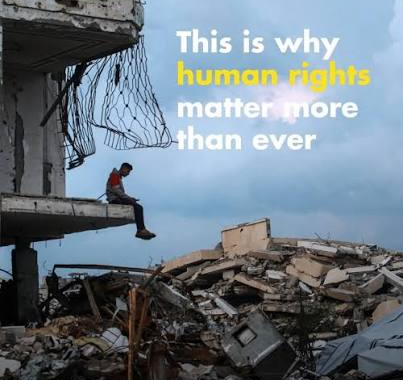
War. It’s a word that brings images of broken cities, families torn apart, and lives changed forever. But behind every headline, every statistic, there are real people—each with hopes, dreams, and the basic wish to be safe and free. When war breaks out, it doesn’t just destroy buildings or armies; it shatters the very foundation of human rights and freedom. For millions, this isn’t just news. It’s a daily struggle for dignity and survival.
As someone who has watched conflicts unfold from the comfort and safety of Australia since 1991, I—Alice Nahar, also known as Digital Madama—feel both gratitude and heartbreak. The world is deeply connected, and every conflict leaves a mark not only on those directly involved but on all of us. Through this article, I want to share the true impact of war and conflict on human rights, with stories, data, and hope. Because even in the darkest times, humanity has the power to rebuild, to heal, and to stand for justice.
What Are Human Rights And Freedom?
Human rights are the basic rights every person should have, no matter where they live, what they believe, or how much money they have. These rights include the right to life, freedom, equality, and dignity. They are protected by international laws like the Universal Declaration of Human Rights (UDHR), adopted by the United Nations in 1948.
But human rights are not just words on paper. They are meant to be real in daily life. They ensure people can work, study, pray, and play without fear. For example, the right to privacy protects families from being watched or harassed.
The right to fair trial means you cannot be arrested without reason.
Freedom means being able to speak, move, and choose without fear. It’s the right to live your life as you wish, as long as it doesn’t harm others. For many, freedom means the ability to learn, work, love, and express yourself. It covers things like:
- Speaking your language
- Practicing your religion
- Voting for your leaders
- Traveling to visit family
But when conflict starts, these basic rights can disappear overnight. Suddenly, the right to safety, food, education, and even life becomes uncertain.
The Fragility Of Rights In Conflict
Many people do not realize how quickly rights can vanish. In peaceful countries, these freedoms are often taken for granted. But in war zones, people can lose everything in a moment. A peaceful protest can turn dangerous. A normal day at school can end in tragedy.
Understanding this fragility helps us value and protect rights wherever we live.
How War Threatens Basic Human Rights
When war erupts, the effects on human rights are immediate and devastating. Here’s how conflict impacts the core rights people rely on every day:
Right To Life And Safety
The most obvious and heartbreaking loss in any conflict is life. Civilian deaths are common. According to the Uppsala Conflict Data Program, over 100,000 civilians were killed in Syria from 2011 to 2021. Many more suffer injuries, disabilities, and trauma.
But the danger is not just from bombs or guns. Landmines and unexploded weapons can kill or injure long after the fighting ends. In Afghanistan, thousands of children have lost limbs playing near hidden explosives.
Bombings, shootings, and violence make even simple actions dangerous. Children walking to school, mothers buying food, and fathers going to work face risks every day. Hospitals and ambulances can become targets, leaving the wounded with no hope.
A less obvious impact is the fear that becomes part of daily life. People start to change their routines, avoid certain areas, and lose trust in their neighbors. This constant fear is itself a violation of the right to live without terror.
Right To Shelter And Home
War often leads to mass displacement. In 2022, the UN reported over 100 million people worldwide were forced to leave their homes due to conflict. Refugees and internally displaced people lose not just their homes, but their communities and sense of belonging.
Losing your home means losing safety, memories, and identity. For example, in Ukraine after 2022, families left behind everything—photos, pets, family graves—never knowing if they could return.
Living in camps or temporary shelters, people face overcrowding, lack of privacy, and poor sanitation. Many children grow up without a safe place to call home. In some refugee camps, generations have been born and raised, never seeing their homeland.
Another hidden problem is land rights. When the war ends, returning families may find others living in their homes or their land destroyed. Rebuilding is not just physical; it is about restoring belonging.
Right To Food And Water
Food and water become scarce during conflict. Fields are burned, supply chains are broken, and hunger spreads quickly. The Yemen conflict has caused one of the world’s worst humanitarian crises, with millions facing starvation.
Markets often close, and food prices rise so high that most families cannot afford basic meals. In Somalia, for instance, ongoing conflict mixed with drought has left millions on the edge of famine.
Children are the most vulnerable. Malnutrition weakens their bodies, making them more likely to get sick or die. Clean water is often unavailable, leading to disease outbreaks. In South Sudan, thousands have died from preventable diseases like cholera because of unsafe water.
Not everyone realizes how quickly hunger spreads in war. Even before bombs fall, fear and uncertainty can disrupt farming, trade, and transport, setting off a chain reaction of shortages.
Right To Health
Healthcare systems collapse in war zones. Doctors and nurses may flee, hospitals are destroyed, and medicine becomes rare. The COVID-19 pandemic made things even worse, as many countries in conflict had no way to treat patients or protect their staff.
In Syria, over 70% of health workers fled, leaving only a handful to care for millions. In Afghanistan, clinics run out of vaccines, so preventable diseases return.
Mental health is also affected. Trauma, loss, and fear haunt survivors long after the fighting stops. Many suffer from PTSD, anxiety, and depression, with little access to support. The stigma around mental health means many suffer in silence.
What is often missed is that war also destroys trust in doctors and clinics. In some places, hospitals are used as military bases or are attacked, making people afraid to seek care.
Right To Education
Schools are often targets in war. Buildings are destroyed or used as shelters. Teachers leave, and children are forced to stay home or move. According to UNICEF, 27 million children in conflict zones were out of school in 2021.
Losing education is about more than missing classes. It means losing hope, structure, and the skills needed for the future. In Nigeria, Boko Haram’s attacks on schools left a generation of girls without learning.
Education is the key to a better future. Without it, children lose hope, and communities struggle to rebuild. Many young people end up forced into labor or early marriage instead.
A less obvious impact is the loss of safe spaces. For many children, school is the only place where they feel normal, play, and dream.
Right To Freedom Of Expression
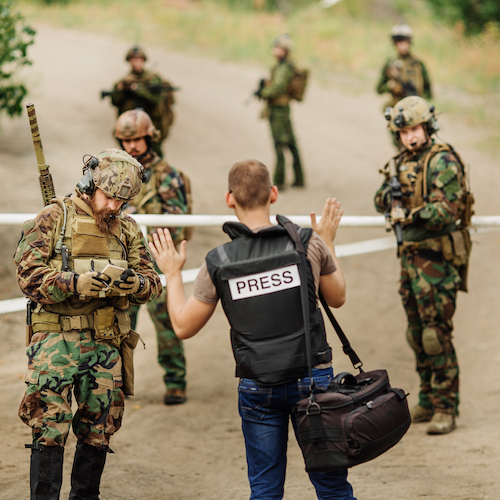
During war, governments may restrict speech, press, and protest. Journalists face threats or censorship. People are afraid to speak out against injustice. In some places, simply sharing an opinion can lead to jail or worse.
Freedom of expression is essential for democracy and justice. When it’s lost, corruption and abuse often follow. For example, in Eritrea, journalists have disappeared for reporting on the government.
People may also self-censor, staying silent to protect their families. This silence lets abuse and lies spread unchecked.
Equality And Non-discrimination
Conflict often worsens discrimination. Women, minorities, and people with disabilities face extra risks. Sexual violence, forced marriages, and abuse increase. In places like South Sudan, rape has been used as a weapon of war.
Discrimination stops people from accessing help, education, and jobs. It deepens poverty and suffering. For instance, Rohingya refugees from Myanmar are often denied citizenship, making them stateless.
A key point many miss is that discrimination during war can outlast the fighting. Divisions and mistrust take decades to heal, making peace harder to achieve.
Real-life Stories: Human Struggles And Hope
Numbers and data show the scale of suffering, but real stories reveal the human side of war. Here are a few examples:
Fatima’s Journey From Syria
Fatima was just 12 when bombs destroyed her family’s home in Aleppo. Her parents carried her and her younger brother through ruined streets, dodging gunfire. They walked for days, finally reaching a refugee camp in Turkey.
Life in the camp was hard. There was little food, no privacy, and no school. But Fatima never gave up. She started teaching other children in the camp, using books left behind by aid workers. Today, she dreams of becoming a teacher and helping rebuild her country.
Fatima’s experience is not unique. Millions of children have lost years of education, yet many create informal schools in tents or under trees. Their hope and resilience show the importance of supporting education even in crisis.
Omar’s Fight For Justice In Yemen
Omar, a doctor in Yemen, watched his hospital collapse after an airstrike. He lost colleagues and patients, but refused to leave. Using whatever supplies he could find, Omar treated wounded children and pregnant women. He spoke out on social media, risking his life to share the truth.
Despite threats, Omar continues to fight for health and justice. His courage inspires others to speak up, even when the world seems silent.
Doctors like Omar often work without pay, sometimes using their own money to buy medicine. Their efforts keep communities alive and highlight the need for international protection of medical workers.
Rebuilding Life In Rwanda
After the Rwandan genocide in 1994, thousands of survivors faced trauma and loss. Many struggled to forgive and rebuild. A group of women started a weaving cooperative, creating baskets and cloth to sell. Working together, they found strength, healed wounds, and built a new community.
Their story shows that even after the darkest times, hope and unity can grow.
What many do not see is the slow, patient work that goes into rebuilding trust. Community projects, art, and sports all help survivors find meaning again.
The Ripple Effect: War, Poverty, And Social Issues
War doesn’t only harm those on the battlefield. It creates a ripple effect, leading to deeper poverty, inequality, and injustice.
Economic Collapse And Poverty
Conflict destroys economies. Businesses shut down, jobs disappear, and families lose their savings. According to the World Bank, countries in conflict lose up to 15% of their GDP every year.
Poverty forces people to make impossible choices—like whether to buy food or medicine. Children are often sent to work instead of school. Families break apart, and communities become weaker.
The loss of skilled workers, like teachers or engineers, is a hidden cost. Many never return, leaving a “brain drain” that slows recovery for years.
Climate Justice And Environmental Damage
War harms the environment in ways that last for generations. Bombs and chemicals pollute land and water. Forests are burned, and wildlife disappears. Climate justice becomes harder to achieve when conflict blocks cooperation.
For example, the wars in Iraq and Afghanistan have left toxic waste and destroyed farmland. This makes rebuilding even harder.
Less obvious is the impact on climate refugees—people forced to move by both war and environmental change. Their needs often go unmet.
Social Inequality And Marginalization
War deepens existing inequalities. Women and minorities often lose more during conflict. They may face violence, discrimination, or exclusion from aid. Children with disabilities are sometimes forgotten or left behind.
Healing these wounds requires targeted support and a focus on justice.
Social structures, like courts and councils, often break down. This leaves the most vulnerable with no one to protect them or fight for their rights.
International Laws And Human Rights Protection
The world has tried to protect human rights during war. There are laws, treaties, and organizations working to help. But enforcement is often weak, and violations remain common.
Key Treaties And Agreements
- Universal Declaration of Human Rights (UDHR): Sets the basic rights for all people.
- Geneva Conventions: Protects civilians and wounded soldiers during war.
- Convention on the Rights of the Child: Defends children’s rights, even in conflict.
These laws are powerful on paper. But in reality, many governments and armed groups ignore them.
One detail many miss is that these treaties depend on countries agreeing to follow them. There is no “world police” to enforce them everywhere.
Role Of The United Nations
The United Nations (UN) works to monitor and respond to human rights abuses. Through agencies like UNHCR (for refugees) and UNICEF (for children), the UN delivers aid and reports violations.
Peacekeeping missions try to protect civilians. But political interests often block action. Sometimes, help arrives too late.
UN fact-finding missions and special rapporteurs also collect evidence, but their reports depend on access and cooperation.
Human Rights Organizations
Groups like Amnesty International, Human Rights Watch, and Doctors Without Borders document abuses and support victims. They pressure governments and raise awareness.
Many volunteers risk their lives to help people in conflict zones. Their work is vital, but they need more support and stronger laws.
One thing people often overlook is that even non-government groups can be targeted. Aid workers have been kidnapped or killed, making their work ever more dangerous.
War Crimes And Accountability
Some acts during war are so cruel they are called war crimes. These include killing civilians, torture, rape, and using banned weapons. War crimes break international laws and demand justice.
Famous War Crimes Trials
The International Criminal Court (ICC) and other courts have tried leaders for war crimes. For example, the trial of Slobodan Milošević for crimes in the Balkans, and the prosecution of Charles Taylor from Liberia.
But many war criminals escape punishment. Political power and lack of evidence make justice hard to achieve.
Some countries refuse to cooperate with international courts, making extradition and prosecution very difficult.
Challenges In Justice
- Lack of evidence: In war zones, it’s hard to collect proof. Witnesses may be afraid or records destroyed.
- Political interference: Powerful leaders may block investigations.
- Victim fear: Survivors are afraid to speak out.
Despite these barriers, justice gives hope to victims and helps prevent future crimes.
Less noticed is the slow healing that comes from seeing justice done. Even if a few leaders are punished, it can help societies move forward and build trust in the law.
Children And Women: Vulnerable Groups In Conflict
Children and women suffer the most during war. Their rights are violated in unique and painful ways.
Children’s Rights In Conflict Zones
- Forced recruitment: Children are used as soldiers or messengers. In the Central African Republic, children as young as eight have been armed and sent to fight.
- Loss of family: Many are orphaned or separated. Some end up living on the streets or in institutions.
- Lack of education: Schools close, futures are lost.
According to UNICEF, over 250,000 children have been forced to fight in conflicts since 2010.
A less obvious problem is the loss of childhood itself. Many children grow up too fast, carrying adult burdens and trauma.
Women’s Rights And Gender-based Violence
- Sexual violence: Rape is used as a weapon. In Bosnia, thousands of women and girls were assaulted during the 1990s war.
- Forced marriage: Girls are married off for protection. In Yemen, child marriage rates doubled during the conflict.
- Discrimination: Women may be denied aid, jobs, or leadership roles.
The Democratic Republic of Congo has seen thousands of cases of sexual violence during conflict. Survivors need medical care, counseling, and legal support.
What many do not realize is the ongoing stigma. Survivors may be shunned by their families or communities, making recovery even harder.
The Impact On Freedom: Silencing Voices And Choices
Freedom is more than a right—it’s the soul of humanity. During conflict, freedom is often the first casualty.
Censorship And Control
Governments may censor media, block social networks, or arrest activists. This silences voices that could expose abuse or call for peace.
- Example: In Myanmar, journalists and protesters have been jailed for speaking out.
A subtle effect is the loss of outside help. When the media is silenced, the world may not know what is happening, and aid is slower to arrive.
Restriction Of Movement
Curfews, checkpoints, and borders stop people from moving freely. Families are separated, and aid cannot reach those in need.
- Example: In Gaza, movement is tightly controlled, making daily life and escape difficult.
Even after fighting ends, landmines and destroyed roads limit travel and trade, slowing recovery.
Suppression Of Political Rights
Elections may be suspended, political parties banned, and protests crushed. This creates a climate of fear and stops people from shaping their own future.
- Example: In Venezuela, opposition leaders have been imprisoned during unrest.
Loss of political rights often means loss of hope. People feel powerless, and rebuilding democracy can take years.
Data Comparison: War Vs. Peace On Human Rights
To understand the impact of war, let’s compare key human rights indicators in conflict and peaceful countries.
| Indicator | Conflict Country (Syria, 2021) | Peaceful Country (Australia, 2021) |
|---|---|---|
| Life Expectancy | 66 years | 83 years |
| Child Mortality Rate | 15% | 0.3% |
| School Attendance | 40% | 98% |
| Freedom Index | 19/100 | 98/100 |
| Poverty Rate | 65% | 13% |
The numbers show a stark difference. War strips away safety, education, and hope. Peace builds prosperity and freedom.
A key insight is that these numbers represent millions of individual lives, not just statistics. Behind every percentage is a child, a family, a dream.
Psychological And Emotional Impact
War doesn’t just break bodies—it breaks spirits. The emotional toll is deep and lasting.
Trauma And Mental Health
Survivors of conflict often struggle with PTSD, anxiety, and depression. Children may show signs of trauma for years. Families are haunted by loss and fear.
- Example: After the Bosnian War, over 60% of survivors reported lasting psychological issues.
Mental health support is often missing. In many cultures, talking about trauma is taboo, so people suffer in silence.
Loss Of Trust And Hope
War destroys trust—between neighbors, communities, and leaders. People feel isolated and helpless. Rebuilding hope takes time and support.
A less obvious effect is the breakdown of social fabric. People may no longer trust local leaders, aid workers, or even their own family members.
Stories Of Resilience
Despite everything, many find strength in adversity. Communities come together, survivors support each other, and new leaders emerge. This human resilience is a source of inspiration.
For example, after the earthquake and war in Haiti, women formed support groups to share their stories and rebuild confidence.
The Role Of Technology And Media
In today’s world, technology shapes how war is seen and understood. It can expose abuses, connect survivors, and mobilize support.
Social Media For Advocacy
Platforms like Facebook and Twitter help share stories, organize aid, and demand justice. Activists use hashtags to raise awareness.
For example, the #BringBackOurGirls campaign brought global attention to kidnapped girls in Nigeria.
Social media also allows survivors to connect with family or raise funds for urgent needs.
Risks Of Misinformation
False news and propaganda can inflame conflict. Governments and groups spread lies to justify violence or hide abuses.
Learning to fact-check and support reliable sources is vital.
A hidden risk is that misinformation can divide communities or make people distrust real news, slowing the response to crises.
Connecting Communities
Technology allows refugees to stay in touch, find help, and share their experiences. It can help rebuild lives and foster understanding.
Mobile apps, for example, help refugees learn local languages or find safe routes.
Climate Justice And War: A Hidden Link
Climate change and war are deeply connected. As resources become scarce—water, food, land—conflict can follow.
Examples Of Climate-induced Conflict
- Sudan: Drought and shrinking farmland fueled tensions between groups.
- Syria: Years of drought led to migration, unemployment, and unrest, helping spark war.
Environmental stress multiplies existing social and political problems, making conflict more likely.
Impact On Human Rights
Environmental destruction adds new layers of suffering. People lose homes, face hunger, and are forced to migrate.
Women and children are often first to suffer when food and water are scarce. They may walk for hours to find water, risking attack or illness.
Moving Forward
Climate justice means protecting the environment and helping those harmed by both conflict and climate change.
International cooperation is needed to share resources, adapt to change, and prevent climate-fueled wars. For more on this link, see the [United Nations Environment Programme](https://www.unep.org/explore-topics/disasters-conflicts) for up-to-date research.
Rebuilding After Conflict: Paths To Healing
The end of war is only the beginning of recovery. Rebuilding human rights, freedom, and hope is a long journey.
Truth And Reconciliation
Many countries use truth commissions to investigate abuses and help victims heal. South Africa’s commission after apartheid is a famous example.
This process can help communities forgive, rebuild trust, and move forward.
But truth-telling is not easy. It takes courage to face the past, and not all survivors are ready to speak.
Restoring Education And Health
Schools and hospitals must be rebuilt. Teachers, doctors, and counselors are needed. Investment in mental health is crucial.
Training new professionals can take years, but is vital for lasting peace.
Economic Recovery
Jobs, businesses, and infrastructure must return. Microloans, training, and aid help people restart their lives.
Local businesses, especially those led by women or minorities, need special support to overcome discrimination and loss.
Empowering Women And Minorities
Special programs support those most harmed. Women’s groups, disability support, and anti-discrimination laws are key.
In Liberia, women’s peace movements helped end the civil war and build a new government.
Community-led Solutions
Local leaders and survivors know best what their communities need. Listening to their voices creates lasting change.
Grassroots projects like community gardens, sports teams, or cultural festivals can rebuild trust and hope.
Preventing Future Conflicts
Stopping war before it starts is the best way to protect human rights.
Early Warning Systems
Monitoring tension and conflict signals can help governments and organizations act faster.
Simple actions, like tracking hate speech or economic hardship, can give time to prevent violence.
Diplomacy And Dialogue
Peace talks, negotiations, and compromise prevent violence. Leaders must listen and seek solutions.
Even small local dialogues—like between village elders—can stop fights before they spread.
Education For Peace
Teaching children about respect, justice, and conflict resolution builds stronger societies.
Peace education in schools helps young people learn to solve problems without violence.
Supporting Human Rights Defenders
Activists and organizations need protection and funding. Their work stops abuses and supports peace.
International support, including legal aid or emergency visas, can save lives.
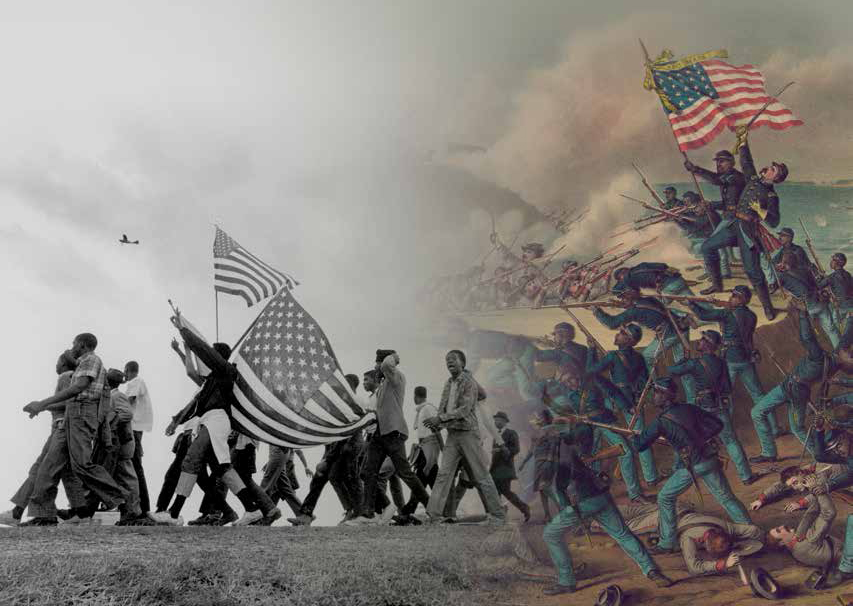
What You Can Do: Action For Justice And Humanity
You may feel far from conflict, but everyone can help. Here’s how:
- Learn and Share: Read about human rights, talk to others, and spread awareness. Knowledge is the first step to action.
- Support Organizations: Donate, volunteer, or advocate for groups like Amnesty International.
- Speak Out: Use your voice to call for justice and equality. Write to leaders, join campaigns, or attend events.
- Help Refugees: Offer support, friendship, or resources to those in need. Even small gestures make a big difference.
- Promote Climate Justice: Protect the environment and fight for fair solutions. Join clean-up efforts or climate campaigns.
Even small actions can change lives. You may never see the impact, but kindness and support often travel further than you think.
Hope For The Future: Humanity Rising
War and conflict have stolen too much—too many lives, too many dreams. But every story of survival, every act of kindness, shows the power of hope. Humanity is stronger than violence. When people unite for justice, equality, and freedom, change is possible.
As Digital Madama, I have seen both the pain and the courage of people around the world. My journey from Bangladesh to Australia taught me that safety and freedom are gifts. Let us use them to help others, to stand for human rights, and to build a world where every person can live with dignity.
If you want to learn more about my story and why I care so deeply about these issues, you can visit my About the Author page.
Comparing Human Rights In War And Peace: A Global Perspective
Let’s take a deeper look at how war and peace affect key human rights in different regions.
| Region | Human Rights Index (War Zone) | Human Rights Index (Peaceful Zone) | Freedom of Press Score | Access to Education (%) |
|---|---|---|---|---|
| Middle East (Yemen) | 27/100 | 85/100 | 10/100 | 40% |
| Africa (South Sudan) | 22/100 | 78/100 | 12/100 | 35% |
| Europe (Ukraine, 2022) | 45/100 | 95/100 | 25/100 | 65% |
| Asia (Afghanistan) | 33/100 | 88/100 | 15/100 | 38% |
| Australia | 98/100 | 98/100 | 90/100 | 98% |
The data shows that war zones have lower rights, less press freedom, and fewer children in school. Peaceful regions offer more opportunities and protection.
But numbers alone do not capture the full story. In peaceful zones, rights are often protected by strong laws and active communities. In war zones, even surviving each day can be a struggle.
The Role Of Faith And Community In Healing
During conflict, faith and community often become lifelines. Religious leaders, churches, mosques, and temples give support, shelter, and hope.
- In Bosnia, faith helped survivors find forgiveness and rebuild.
- In Syria, local communities organized aid and education even when official help failed.
- In Rwanda, churches became places of healing and reconciliation.
Community support is vital. It reminds survivors they are not alone.
Faith-based groups often reach places that governments cannot. They offer counseling, food, and a sense of family.
Challenges In Aid And Humanitarian Response
Delivering aid during war is risky and complicated. Humanitarian workers face danger, limited access, and political barriers.
Aid Delivery Obstacles
- Security risks: Aid workers are targeted or kidnapped.
- Blocked access: Roads, checkpoints, and borders stop supplies.
- Corruption: Aid can be stolen or misused.
Sometimes, aid is used as a tool of war—given only to some groups and denied to others. This can increase suffering and deepen divisions.
Despite these challenges, organizations keep working to help those in need.
Building Better Aid Systems
- Use technology to track aid and reach remote areas.
- Involve local communities in decision-making.
- Fight corruption and demand transparency.
Better systems mean more lives saved.
One innovation is cash transfers, where families receive money directly to buy what they need. This approach is more flexible and empowers survivors.
War, Conflict, And Refugee Rights
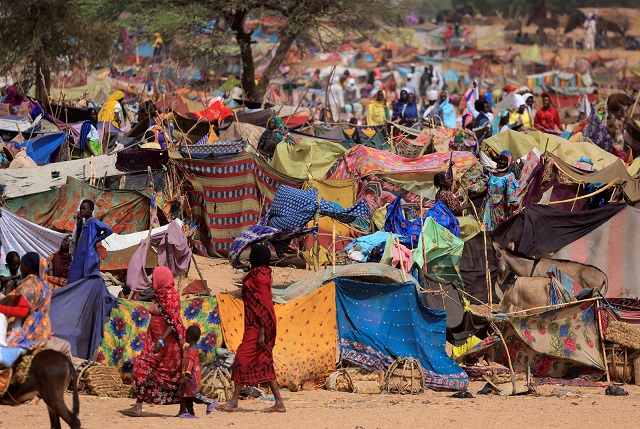
Refugees are among the most affected by war. Their rights are often ignored or abused.
Refugee Struggles
- Loss of citizenship: Many become stateless.
- Limited access to services: Health, education, and work are restricted.
- Risk of exploitation: Refugees may face trafficking or abuse.
According to UNHCR, there were over 27 million refugees in 2022.
Refugees also face long waits—sometimes decades—for resettlement or return. In the meantime, children grow up in limbo, missing out on normal life.
Improving Refugee Protection
- Offer legal status and safe pathways.
- Provide education, jobs, and healthcare.
- Support integration and fight discrimination.
Refugees need respect and opportunities to rebuild their lives.
Countries that welcome refugees often benefit from their skills, energy, and culture. Integration helps both newcomers and host communities.
Human Rights And Freedom During Wartime: Examples And Lessons
History offers many lessons about how war impacts rights and freedom.
World War Ii: The Holocaust
The Holocaust was a tragedy where millions lost their rights and lives. Survivors rebuilt their communities, fought for justice, and helped create new international laws.
Their stories led to the creation of the Universal Declaration of Human Rights.
Vietnam War: Agent Orange
Chemical warfare destroyed land and harmed generations. Survivors still suffer from illness and disability.
Agent Orange’s effects remind us that the impact of war can last for decades.
Balkan Wars: Ethnic Cleansing
Ethnic minorities were targeted, leading to mass displacement and trauma. International courts tried to bring justice, but healing continues.
Some survivors still cannot return home or find missing loved ones.
Modern Conflicts: Syria, Ukraine, Myanmar
Recent wars show the same patterns—broken rights, lost freedom, and the need for global action.
Lessons from these conflicts show the importance of early warnings, strong laws, and international solidarity.
Human Rights Activists: Courage Amid Conflict
Human rights defenders risk everything for justice.
- Malala Yousafzai, shot for defending girls’ education in Pakistan.
- Denis Mukwege, doctor in Congo, treated survivors of sexual violence.
- Nadia Murad, Yazidi survivor, advocates for victims of trafficking.
Their stories inspire us to stand up, even when it’s dangerous.
Activists often work alone, facing threats or exile, but their courage can change laws and save lives.
Comparing War Crimes Trials: Successes And Failures
| Trial | Country | Outcome | Impact |
|---|---|---|---|
| Slobodan Milošević | Serbia | Trial, died before verdict | Raised awareness, mixed justice |
| Charles Taylor | Liberia | Convicted, 50 years prison | Set precedent for accountability |
| Radovan Karadžić | Bosnia | Convicted, 40 years prison | Justice for victims |
| Omar al-Bashir | Sudan | Charges, not extradited | Limited impact, ongoing conflict |
Trials can bring justice, but many leaders escape punishment.
A less obvious lesson is that even imperfect justice can help societies heal and teach future generations about the cost of war crimes.
Voices Of Hope: The Power Of Solidarity
When the world unites, change happens. Global movements for peace, justice, and equality have stopped wars and rebuilt countries.
- The Anti-Apartheid Movement helped end racial injustice in South Africa.
- The Global Refugee Crisis Response brought aid and hope to millions.
- The Climate Justice Movement connects environmental and human rights.
Solidarity shows that together, we are stronger.
Even small acts—writing letters, joining protests, or donating—add up to big change.
The Future Of Human Rights: Challenges And Opportunities
Human rights face new challenges—technology, climate change, and rising nationalism. But opportunities for progress are also growing.
Challenges
- Digital surveillance: Privacy and freedom are threatened. Governments use technology to track activists.
- Fake news: Truth is harder to find. Misinformation can lead to violence.
- Political polarization: Divides communities.
New threats, like cyber attacks, can disrupt hospitals and aid during war.
Opportunities
- Global networks: Connect activists and survivors. Online tools make it easier to organize and share ideas.
- Education: Builds understanding and empathy. Human rights education is spreading to more schools and communities.
- Legal progress: Stronger laws and accountability.
More countries are joining international courts, and more survivors are telling their stories.
The journey is long, but hope remains.
Frequently Asked Questions
What Are The Main Human Rights Violated During War?
The most common violations are right to life, safety, health, education, freedom of expression, and equality. Civilians, children, and women suffer the most, losing access to basic needs and protection.
How Does War Affect Children’s Rights?
Children lose homes, family, and schooling. Many are forced into child labor or recruited as soldiers. They face trauma and health risks, often without support.
What Is The Role Of International Organizations In Protecting Human Rights?
Groups like the United Nations, Amnesty International, and Human Rights Watch monitor abuses, deliver aid, and advocate for justice. They offer support, but political barriers can limit their impact.
How Can Ordinary People Help Protect Human Rights?
You can learn, share information, support organizations, and speak out against injustice. Small actions—like donating, volunteering, or welcoming refugees—make a big difference.
Where Can I Find More Resources Or Connect With Activists?
You can join online platforms like Facebook to connect with activists and find resources. Many organizations offer information, ways to help, and opportunities for solidarity.
—
Every war is a story of loss—but also of hope. The impact on human rights and freedom is deep, but so is the power of humanity to heal, rebuild, and stand together. Let us remember the faces behind the headlines, the dreams behind the numbers, and the courage in every survivor.
Because the fight for human rights is the fight for our shared future.