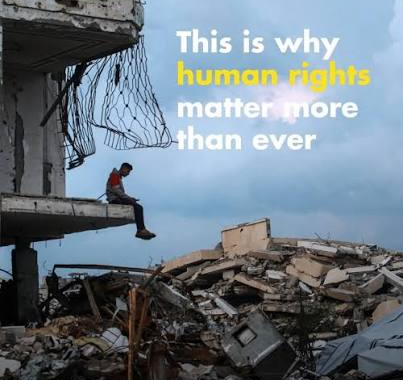
Across the world, millions of people wake up every day hoping for something simple: respect, dignity, and freedom. Whether in a bustling city or a small village, these basic needs connect us all. But in today’s world, as technology advances and societies change, human rights are more important than ever. They are not just legal concepts—they are the foundation of real lives, real struggles, and real hope.
I’ve seen this first-hand, living in Australia since 1991. My name is Alice Nahar, also known as Digital Madama. I’ve met people from many backgrounds, each with their own stories of hardship, resilience, and dreams for a better life. Sometimes, it’s easy to forget how much these rights matter.
But when they are threatened or denied, the pain is real.
This article is more than a summary of facts. It’s a journey through the meaning of human rights, why they matter so deeply, and how they affect every one of us. You’ll find powerful stories, data, comparisons, and practical insights—all woven together with compassion and hope. Because at the heart of this topic is something every person can feel: the desire for justice, equality, and humanity.
What Are Human Rights?
Human rights are the basic freedoms and protections that belong to every person, no matter where they live, what they believe, or how much money they have. These rights include:
- The right to life
- Freedom of speech
- Equality before the law
- Protection from discrimination
- Access to education and healthcare
- Freedom from torture or slavery
The Universal Declaration of Human Rights (UDHR), adopted by the United Nations in 1948, put these ideas into words. But human rights are not just about laws and treaties. They are about real lives—about a child’s chance to go to school, a woman’s right to speak her mind, or a family’s safety at night.
Think of human rights as the roots of a tree. If the roots are strong, the tree grows tall and healthy. If the roots are weak or damaged, the tree struggles. In the same way, societies with strong human rights are safer, fairer, and more hopeful.
More Details: Understanding Human Rights
Human rights cover many aspects of daily life. Some rights are “civil and political,” like the right to vote or speak freely. Others are “economic, social, and cultural,” like the right to work, rest, and enjoy culture. Human rights also include the right to privacy, the right to a fair trial, and the right to belong to a community.
Different documents help protect these rights. For example, the International Covenant on Civil and Political Rights and the International Covenant on Economic, Social and Cultural Rights are two main treaties. Many countries also have their own laws and constitutions that promise rights.
Some rights are “absolute,” meaning they cannot be limited—like freedom from torture. Others can be limited in special cases, such as during emergencies, but only for a short time and in a fair way.
Examples
Imagine a child in Brazil who dreams of becoming a doctor. Human rights give that child the right to education and safety. Or picture an elderly woman in Germany who wants to live peacefully. Human rights protect her from abuse and help her access healthcare.
Even simple things, like being able to walk down the street without fear, are linked to human rights. When people lose these rights, their lives change dramatically.
Non-obvious Insight
Beginners often miss that some rights depend on others. For example, if you cannot read, your right to vote or get information is limited. Rights are connected, like threads in a fabric. If one thread is pulled, the whole fabric can tear.
The Emotional Impact Of Human Rights
It’s easy to talk about rights in theory. But let’s look closer at what happens when they are denied.
Imagine a young girl in Afghanistan, scared to walk to school because she fears violence. Or a refugee family in Syria, fleeing war, leaving behind everything they know. Or a man in Myanmar, arrested for posting his opinions online.
These are not statistics. They are real people, with real pain and real hope.
When someone’s rights are denied, it is not just their life that suffers. Their family, their community, and even their country feel the impact. It’s like a wound that keeps bleeding—a source of sorrow, anger, and sometimes even despair.
But human rights can also be a source of strength. When people fight for their rights, they create change. They inspire others. They show the world that dignity cannot be crushed.
Deeper Explanation
The loss of rights often leads to trauma, fear, and isolation. People who experience abuse or discrimination sometimes lose trust in others. Children who are denied education may feel ashamed or worthless. Families living in poverty often feel invisible, ignored by society.
On the other hand, the feeling of being respected and protected brings hope and confidence. When communities stand up for their rights, they build unity and pride. For example, when a village in India won the right to clean water, children started going to school, and families felt more secure.
More Examples
- In South Africa, many people remember the struggle against apartheid, a system that denied rights to black citizens. The fight for justice brought pain, but also unity and pride.
- In Poland, women protested for the right to make decisions about their bodies. Their courage inspired others, even in countries far away.
Non-obvious Insight
Many newcomers do not realize that emotional wounds can last much longer than physical ones. When rights are denied, it can affect mental health for generations. Healing is not just about laws—it is about support, understanding, and forgiveness.
Human Rights In Today’s World: Why Now?
You might ask: why do human rights matter more than ever right now?
The answer is simple. Our world is changing fast. Technology connects us in new ways. Climate change threatens the planet. Inequality is rising in many places. At the same time, wars and conflicts still force millions to flee their homes.
Let’s look at some numbers:
- In 2023, over 110 million people worldwide were forcibly displaced due to conflict or persecution.
- More than 1 billion people live in poverty, many without basic rights like clean water or education.
- According to Amnesty International, at least 70 countries still restrict freedom of expression.
But there is hope. Movements for justice, equality, and climate action are growing stronger. Young people are speaking out, demanding change. Social media makes it easier to share stories and organize protests. The world is listening—but only if we keep the conversation alive.
The Role Of Technology
Technology is a double-edged sword. It can spread information and connect activists. It can also be used to monitor, censor, or punish people for their beliefs.
Think about the Arab Spring. Social media helped people organize protests for freedom and democracy. But in other places, governments use technology to control speech and invade privacy.
The challenge is to use technology for good—to protect rights, not destroy them.
Expanded Explanation
New digital tools can help people report abuses, share evidence, or ask for help. For example, in Ukraine, activists used online maps to show where attacks happened. In Iran, encrypted messaging allowed protesters to stay safe.
However, technology also brings risks. Surveillance software can track every move. In China, facial recognition is used to find and punish dissidents. In some countries, internet shutdowns stop people from communicating during protests.
It’s important to balance safety and freedom. People must learn how to use technology wisely—protecting their privacy, checking facts, and avoiding hate speech.
Non-obvious Insight
A hidden danger is “digital exclusion. ” Not everyone has access to the internet or smartphones. Poor people, older adults, and rural communities can be left out of movements and information. True progress means making technology open to all, not just the wealthy.
Human Rights And Equality
Equality is at the heart of human rights. Everyone deserves the same rights, no matter their gender, race, religion, or background.
But in reality, inequality is everywhere. Women still earn less than men in most countries. People with disabilities face barriers to work and education. Minority groups are often targets of hate and violence.
Here’s a simple comparison:
| Group | Common Challenges | Example Rights Denied |
|---|---|---|
| Women | Lower pay, violence, fewer leadership roles | Equal pay, safety, political participation |
| Minorities | Discrimination, hate crimes, lack of representation | Freedom from discrimination, fair legal treatment |
| Refugees | No legal status, poor living conditions, fear of deportation | Right to asylum, access to healthcare, education |
| Children | Forced labor, lack of schooling, abuse | Right to education, protection from violence |
The fight for equality is not just about laws. It is about changing attitudes, breaking stereotypes, and giving every person a chance to live with dignity.
Deeper Details
Many countries have laws for equality, but reality often looks different. For example, women may have the right to vote but face threats if they run for office. People with disabilities may be legally protected, but buildings and workplaces are not accessible.
Equality also means respecting differences. It does not mean treating everyone exactly the same, but giving each person what they need to thrive. For example, children need special protection. Minority languages should be taught in schools.
Practical Examples
- In Rwanda, women make up over half of parliament. This happened after laws and campaigns encouraged equal participation.
- In Sweden, public spaces are designed to include wheelchair access, making life easier for people with disabilities.
- In Canada, Indigenous people are consulted about land and traditions, giving them a voice in decisions.
Non-obvious Insight
Equality must be active, not passive. Waiting for change rarely works. It takes effort—new policies, education, and open conversations. Many beginners miss that “equal opportunity” is not enough; there must be “equal outcome,” where groups actually see improvement.
Human Rights And Freedom
Freedom is the ability to make choices about your life—where you live, what you say, who you love. Without freedom, life feels trapped and hopeless.
But freedom is not just a word. In many countries, people are jailed for their opinions, punished for their beliefs, or forced to follow rules they do not agree with.
Let’s look at a real story.
In Hong Kong, thousands protested in 2019 for freedom and democracy. Many were arrested. Some lost their jobs or even their families. Yet their courage inspired millions around the world.
Freedom is powerful. It gives people the strength to challenge injustice, dream big, and shape their own futures.
Why Freedom Matters Now
Today, freedom is under threat in new ways. Surveillance cameras, facial recognition, and internet tracking can limit privacy. Governments can shut down social media or censor news.
The struggle for freedom is not just about fighting dictators. It is about protecting privacy, defending speech, and making sure technology does not control our lives.
Expanded Explanation
Freedom is not only about individual choices. It is about the ability to organize, protest, and form groups. For example, the right to form unions helps workers demand fair wages. Freedom of the press allows journalists to report corruption and abuse.
In some places, even simple acts—like wearing certain clothes or joining a club—are restricted. This limits creativity and progress.
Freedom also means being able to leave your country and return, to seek new opportunities or escape danger.
Practical Example
In Tunisia, after the Arab Spring, people gained more freedom to vote and speak. This brought new leaders, better laws, and hope for the future.
But freedom must be protected every day. If people stop caring, leaders may take away rights bit by bit.
Non-obvious Insight
Freedom is not always obvious. Sometimes, people think they are free, but invisible barriers stop them. For example, fear of losing a job or being shamed can silence speech. True freedom needs safe spaces and support.
Human Rights And Justice
Justice means fairness. It means treating everyone with respect, giving each person a chance to defend themselves, and punishing wrongs without cruelty.
But justice is often denied. Courts can be corrupt. Laws may favor the rich or powerful. Innocent people may be jailed, while the guilty walk free.
Here’s a simple comparison of justice systems:
| Country | Justice System | Common Issues |
|---|---|---|
| Australia | Independent courts, fair trials | Delays, access for minorities |
| India | Large, complex system | Corruption, slow process, bias |
| China | Controlled by government | Limited freedom, censorship |
| USA | Jury trials, appeals | Racial bias, expensive legal help |
Justice is not just about laws. It is about compassion, honesty, and treating people as human beings.
Expanded Details
A fair justice system should be open, transparent, and accessible. People should know their rights, have legal help, and feel safe in court. Sadly, many courts are crowded and slow. Cases can take years, leaving victims and families in pain.
Justice also means protecting victims and helping offenders change. For example, programs for young people who break the law can teach skills and prevent future crimes.
Sometimes, justice is about fixing mistakes. Innocent people may be freed after new evidence appears. This requires strong systems and open minds.
Practical Example
In Norway, prisons focus on rehabilitation, not punishment. Offenders learn new skills, get counseling, and prepare for life after prison. This reduces repeat crimes.
In Kenya, community courts help solve small disputes. People talk, listen, and find solutions together.
Non-obvious Insight
Justice is not only for the courtroom. Fairness matters in schools, workplaces, and families. Beginners often miss that injustice can happen in daily life—like bullying, unfair grades, or favoritism.
Human Rights And Climate Justice
The climate crisis is not just about science—it is a human rights issue. Rising temperatures, floods, and droughts threaten people’s homes, health, and safety.
Climate justice means making sure the poorest and most vulnerable are protected. It means sharing responsibility and helping those who suffer most.
For example, in Bangladesh, millions face floods every year. They lose homes, crops, and sometimes lives. Yet they produce much less pollution than rich countries.
Climate justice asks tough questions:
- Who is responsible for pollution?
- Who pays for damage?
- How can we protect the poorest?
Practical Example
When Australia faced bushfires in 2020, thousands lost their homes. Indigenous communities, who depend on the land, suffered most. Climate action is not just about reducing emissions. It is about protecting people’s rights to safety and health.
Expanded Explanation
Climate change makes existing inequalities worse. Poor people often live in risky areas, like near rivers or in fragile housing. When disasters strike, they have fewer resources to rebuild.
Rich countries have more power and technology to adapt. They can build seawalls, move cities, or invest in clean energy. Poor countries depend on aid and international help.
Climate justice means listening to those affected. For example, Pacific islanders are losing land to rising seas. They ask for help, respect, and a voice in decisions.
More Examples
- In Brazil, Indigenous tribes fight to protect rainforests from logging and fires. Their rights to land and culture are threatened.
- In India, farmers suffer from droughts and floods. Climate change steals their livelihoods and forces migration.
Non-obvious Insight
Beginners may not see that climate solutions can create new problems. For example, building dams or wind farms may displace local communities. True climate justice means balancing progress with respect for rights.
Human Rights And Poverty
Poverty is more than a lack of money. It means not having access to food, clean water, education, or healthcare. It means feeling invisible and powerless.
Poverty is both a cause and a result of rights being denied. When children cannot go to school, their future is stolen. When families lack healthcare, their lives are at risk.
Here’s a comparison of poverty and rights:
| Poverty Level | Common Rights Denied | Impact |
|---|---|---|
| Extreme | Education, healthcare, food | Malnutrition, early death, hopelessness |
| Moderate | Safe housing, job opportunities | Stress, insecurity, limited choices |
| Low | Equal pay, access to justice | Discrimination, slow progress |
Ending poverty is not just about charity. It is about giving people the tools to claim their rights and build their own future.
Emotional Story
I remember meeting a young woman in Sydney, working three jobs just to feed her kids. She had no time for herself, no access to proper healthcare. Yet she kept smiling, hoping that one day her children would live better.
Her courage is proof that poverty cannot crush hope—but it can steal opportunities.
Expanded Explanation
Poverty can be “absolute” or “relative. ” Absolute poverty means not having enough for basic survival—food, shelter, safety. Relative poverty means having much less than others around you, leading to exclusion and shame.
Social programs can help, like free schools, hospitals, and job training. But many poor people face barriers—lack of documents, language, or transport.
Poverty also affects decision-making. People may take risky jobs, skip meals, or avoid doctors because they have no choices.
Practical Example
In Kenya, microloans help women start businesses. This gives them income, confidence, and power.
In the Philippines, community kitchens feed poor children and teach healthy habits.
Non-obvious Insight
Many people believe poverty is only about money. But it is also about power and voice. Poor communities often have no say in decisions. True progress means giving them a seat at the table.
Human Rights And Social Issues
Human rights touch every social issue—education, health, family, work, and more. When rights are respected, societies grow stronger. When they are ignored, problems multiply.
Here are some key areas:
- Education: Every child deserves to learn. But millions are denied schooling because of poverty, war, or discrimination.
- Health: Access to doctors and medicine is a basic right. But in many places, only the rich get proper care.
- Work: Fair pay and safe conditions are essential. Yet many workers face exploitation and danger.
- Family: The right to marry, raise children, and be safe at home matters deeply. Domestic violence and forced marriage destroy lives.
- LGBTQ+ Rights: People deserve to love who they choose. But discrimination and violence still threaten LGBTQ+ communities worldwide.
Social issues are complex. But the root is always the same: the need for respect, dignity, and fairness.
Expanded Details
Education is not just about school buildings. It means skilled teachers, safe environments, and books that respect all cultures. Health includes mental care, clean water, and emergency services.
Work means more than a paycheck. It is about safe factories, fair hours, and the ability to organize. Family rights include adoption, inheritance, and protection from abuse.
LGBTQ+ rights require changing laws and attitudes. In some places, same-sex marriage is legal, but hate crimes still happen. Support groups, counseling, and education can help.
Practical Example
In Finland, schools teach about human rights from a young age. This builds respect and understanding.
In Mexico, workers formed unions to demand safety in factories.
In Uganda, activists help LGBTQ+ people find safe housing and legal help.
Non-obvious Insight
Social issues are often connected. Poor education leads to poor health. Unsafe work affects families. Beginners often miss that solving one problem can help many others.
Human Rights In Australia
Australia is known for its beauty and diversity. But it also has a complicated history with human rights.
For Indigenous Australians, the struggle for rights is ongoing. Many still face poverty, poor health, and discrimination. The Stolen Generations—children taken from their families—left deep wounds.
Immigrants and refugees have built Australia’s culture. But they often face barriers to work, education, and acceptance.
In recent years, movements for marriage equality, climate action, and racial justice have grown stronger. Australians are speaking out, demanding change.
But challenges remain. As Digital Madama, I have seen the power of community, activism, and hope. Australia’s story shows that human rights are not finished—they are always evolving.
Expanded Explanation
Australia has strong legal protections, but gaps exist. Indigenous people have shorter life expectancy, lower incomes, and higher rates of imprisonment. Efforts like the “Closing the Gap” program aim to fix this, but progress is slow.
Refugees and asylum seekers face detention, limited rights, and public debate. Some live in camps for years, waiting for a decision.
Australia’s constitution does not have a bill of rights. Rights depend on laws, which can change. Activists push for better protections.
Marriage equality became law in 2017 after a national vote. This was a huge win for LGBTQ+ rights.
Practical Example
Indigenous Australians run health clinics and schools to support their communities. Refugee groups offer language lessons and job training.
Non-obvious Insight
Many Australians do not realize that rights can change quickly. Laws may protect some groups but ignore others. Staying informed and active is essential.

Human Rights Around The World
Every country has its own challenges and victories. Some places have strong protections, while others face serious abuse.
Here are examples from different regions:
- Africa: Many countries struggle with poverty, conflict, and weak legal systems. But activists fight for education, gender equality, and peace.
- Asia: Rapid growth brings both opportunity and risk. In places like China and Myanmar, freedom of speech is restricted. But movements for democracy are gaining power.
- Europe: Strong legal rights, but rising hate crimes and discrimination.
- Middle East: War and religious conflict deny basic rights. Refugees and women suffer most.
- Americas: Racism, poverty, and political divisions threaten progress.
Human rights are global. The struggle connects people across borders.
Expanded Details
Africa faces challenges like child marriage, female genital mutilation, and conflict. Groups like African Union and local NGOs work for change.
Asia has diverse cultures and laws. Japan and South Korea have strong rights, but North Korea and Afghanistan face restrictions.
Europe has the European Convention on Human Rights, but anti-immigrant sentiment and hate crimes are rising.
Middle East wars affect millions. Women fight for education and safety. Refugees seek asylum in Europe and beyond.
Americas include countries like Canada with strong protections, and others like Venezuela with political crises.
Practical Example
In Nigeria, girls campaign for education after kidnapping by extremists. In India, courts push for gender equality. In Brazil, activists fight for Indigenous land.
Non-obvious Insight
Beginners often miss that progress can be uneven. A country may protect free speech but deny women’s rights. Comparing countries helps find solutions, but local voices matter most.
The Role Of Activists And Organizations
Change does not happen by itself. It takes courage, passion, and teamwork.
Activists are people who speak out, organize protests, or help victims. Some risk their lives to defend rights.
Organizations like Amnesty International, Human Rights Watch, and local groups provide support, research, and advocacy.
Real-life Example
Malala Yousafzai, a young girl from Pakistan, survived an attack for speaking out about girls’ education. She became a global voice for equality and hope.
Rosa Parks, in the USA, refused to give up her seat on a bus. Her simple act sparked a movement for racial justice.
These stories show that one person can make a difference.
Expanded Explanation
Activists use many tools—petitions, marches, art, or social media. They build alliances, train leaders, and support victims.
Organizations collect evidence, report abuses, and lobby governments. They offer legal help, shelter, and counseling.
Local groups matter most. They know the culture, language, and needs. International groups can support but must listen.
Practical Example
In Egypt, women formed groups to stop harassment. In South Africa, activists fight for HIV treatment. In Colombia, peace workers help victims of war.
Non-obvious Insight
Change is slow and sometimes dangerous. Activists may face threats, jail, or exile. Beginners often miss the importance of safety and teamwork.
Challenges To Human Rights
Even as progress is made, threats remain. Some of the biggest challenges are:
- Authoritarian Governments: Leaders who control speech, punish dissent, and ignore fairness.
- Corruption: Bribes and favors in courts, police, and politics.
- War and Conflict: Violence destroys homes, families, and trust.
- Discrimination: Hate based on race, gender, religion, or sexuality.
- Economic Inequality: The rich have more power and access to rights.
These problems are complex. But they are not impossible to solve.
Expanded Explanation
Authoritarian governments often block media, stop protests, and use force. Corruption makes it hard to trust police or courts. War destroys schools, hospitals, and homes.
Discrimination can be hidden, like unfair hiring or unequal school funding. Economic inequality means poor people cannot afford justice or healthcare.
Solving these problems needs teamwork—laws, education, and activism.
Practical Example
In Belarus, protesters fight for democracy despite arrests. In Brazil, anti-corruption laws help expose abuse. In Syria, aid groups rebuild schools after war.
Non-obvious Insight
Many beginners miss that rights can be denied quietly—not just through violence, but through slow neglect. For example, closing schools in poor areas is not dramatic, but it robs children of their future.
The Power Of Hope And Humanity
Despite all challenges, hope is stronger than fear. Humanity is more powerful than hate.
When people fight for human rights, they create ripples of change. A protest in one city can inspire movements around the world. A kind word can heal wounds. A new law can protect millions.
Human rights are not just about governments or courts. They are about the everyday choices we make—how we treat others, what we say, and what we stand for.
Expanded Details
Hope can come from small victories. A school opens in a refugee camp. A law changes to protect workers. A child writes a poem about freedom.
Humanity means caring for others, even when it is hard. Volunteers teach, doctors heal, neighbors support.
Every person can help—by listening, sharing, or standing up for fairness.
Practical Example
After a cyclone in Mozambique, neighbors rebuilt homes together. In Canada, communities welcome refugees and help them start new lives.
Non-obvious Insight
Beginners often miss the power of kindness. Helping a friend or stranger can change lives. Human rights start with respect—one person at a time.
Practical Steps: How You Can Help
You may wonder: what can I do? The answer is simple. Small actions matter.
- Learn: Read about human rights issues. Listen to stories. Stay informed.
- Speak Up: Share your views. Support victims. Challenge unfairness.
- Volunteer: Help organizations, donate, or join campaigns.
- Vote: Support leaders who protect rights and justice.
- Teach: Talk to children, friends, and colleagues about equality and respect.
Every action counts. Even if you cannot change the world, you can change one life.
Expanded Explanation
Learning means asking questions, checking facts, and seeking real stories. Speaking up can be as simple as signing a petition or talking to friends.
Volunteering includes mentoring, fundraising, or helping at events. Voting is powerful—choose leaders who value justice.
Teaching builds future leaders. Share books, videos, and stories. Encourage empathy and critical thinking.
Practical Example
In Australia, volunteers help refugees learn English. In India, students organize clean water campaigns. In Germany, families sponsor migrants.
Non-obvious Insight
Small actions build habits. Beginners often miss that change starts with daily choices—being fair, honest, and kind.
The Future Of Human Rights
The future is uncertain. Technology, climate change, and politics will shape the world in new ways. But the need for human rights will never fade.
Young people are leading the way. Movements for climate action, equality, and justice are growing. New ideas and voices are rising.
But the fight is not over. It will take courage, compassion, and teamwork.
Let’s dream together. Imagine a world where every child goes to school, every family is safe, and every voice is heard. This is not just a fantasy. It is possible—if we believe, act, and never give up.
Expanded Details
Technology may bring new rights—like digital privacy, access to information, and freedom from online abuse. Climate change will demand new solutions, from green jobs to safe migration.
Young leaders bring fresh ideas—using art, music, and science to inspire. Global connections make teamwork easier.
But risks remain. Fake news, cyber attacks, and political shifts can threaten rights.
Practical Example
In South Korea, students use apps to report bullying. In Nigeria, climate activists plant trees and share stories online.
Non-obvious Insight
The future depends on courage and imagination. Beginners often miss that hope is a skill—practiced daily, shared widely.
Frequently Asked Questions
What Are The Most Important Human Rights?
The most important human rights are those that protect life, freedom, and dignity. These include the right to life, freedom of speech, equality before the law, protection from discrimination, access to education and healthcare, and freedom from torture or slavery.
These rights help people live safely, make choices, and build a better future.
How Are Human Rights Protected?
Human rights are protected by laws, treaties, and organizations. The United Nations, governments, and groups like Amnesty International work to defend rights. Courts and police also play a role. But the best protection comes from people speaking out, demanding fairness, and supporting each other.
What Are Common Human Rights Violations?
Common violations include discrimination, censorship, violence, unfair trials, forced labor, and denial of education or healthcare. In many countries, people are jailed for their beliefs, abused because of their gender or race, or forced to work in unsafe conditions. These violations cause suffering and destroy hope.
How Does Climate Change Affect Human Rights?
Climate change threatens homes, health, and safety. Floods, droughts, and storms can force people to flee or lose their jobs. Poor and vulnerable communities suffer most. Climate justice is about protecting their rights, sharing responsibility, and helping those who are affected.
How Can I Learn More About Human Rights?
You can learn more by reading articles, joining campaigns, and following organizations that defend rights. Social media, books, and documentaries offer many resources. For a personal story and insights, you can read more about Alice Nahar, also known as Digital Madama, at About the Author. You can also follow inspiring activists on platforms like Facebook.
Final Thoughts
Human rights are not just words—they are the heartbeat of hope, dignity, and humanity. They connect us, remind us of our shared struggles, and inspire us to dream of a better world. Every story, every voice, and every act of courage matters.
As we face new challenges, let’s remember the power of compassion, respect, and justice. Let’s stand together, speak out, and never lose hope. Because in today’s world, human rights matter more than ever.
No matter where you are, your voice and actions can make a difference. The fight for human rights is a journey—a journey we take together, for ourselves, and for generations yet to come.