Climate change is no longer a far-off worry; it is a measurable reality that touches every corner of our planet. The numbers are clear. From melting glaciers in the Arctic to devastating floods in Asia, data tells a story of a world under pressure. For anyone following the journey from past to present, the trends are impossible to ignore: global temperatures are rising, carbon emissions are climbing, and extreme weather events are becoming more common. These changes are not just numbers—they shape our daily lives, economies, and even our future.
At Digital Madama, we focus on making climate statistics and environmental challenges easy to understand. Our blog covers topics like climate change statistics, environmental disasters, and how armed conflicts harm the environment. In this article, we will explore how key climate data shows the state of our world, what it means for humanity, and what steps can make a difference. The facts are urgent, but solutions are possible.
The Science Of Climate Change: A Brief Look Back
Understanding climate change begins with the basics. For more than a century, scientists have measured the Earth’s surface temperature, carbon dioxide levels, and other signs of a changing climate. Early warnings came from simple observations: glaciers retreating, flowers blooming earlier, and heatwaves becoming more frequent. But today, satellites, weather stations, and ocean buoys provide an ocean of reliable data.
Before the modern age, people mainly noticed climate through the way seasons changed or how certain plants and animals would act differently year by year. For example, farmers in the early 20th century saw crops flowering earlier than before, and explorers noticed shrinking mountain glaciers.
These observations were important, but they were local and sometimes hard to compare. The real breakthrough came when scientists began to collect numbers—actual measurements that could be checked and compared over time and across the globe.
Today, data comes from many sources. Weather balloons fly high in the sky, collecting temperature and humidity readings. Ocean buoys float in remote seas, measuring water temperature and currents. Satellites circle the Earth, using advanced sensors to track cloud cover, land temperature, forest cover, and even the thickness of polar ice.
All this information is combined to give a clear, global picture of how our climate is changing.
Key Milestones In Climate Data
- 1880s: The first systematic temperature records began. Meteorological stations were set up in cities and remote locations. They used thermometers and barometers to track daily weather and long-term trends.
- 1958: Charles Keeling started measuring CO₂ at Mauna Loa Observatory. This became the famous “Keeling Curve.” The observatory sits on a Hawaiian volcano, far from cities, so its air measurements are considered very accurate. Keeling’s work showed CO₂ rising year after year, even before most people worried about global warming.
- 1970s: Satellite monitoring added a new level of precision. Now, scientists could track ice cover, forest loss, and changes in sea level across the whole planet, not just in a few places.
- 1988: The Intergovernmental Panel on Climate Change (IPCC) was created to study and report on climate trends. The IPCC brings together thousands of scientists from around the world to review the latest data and predict possible futures.
Each step brought a clearer picture: the Earth is warming, and human actions are the main driver.
But there are also less-known milestones. For example, in the 1960s, ice cores from Antarctica revealed that CO₂ levels were much lower in the past. In the 2000s, tree ring studies and old coral samples gave clues about ancient climate shifts.
These methods help scientists compare today’s changes with those that happened over thousands of years.
One detail that beginners often miss is how much effort goes into checking and double-checking climate data. For example, satellite readings are compared with land stations to be sure they match. Ocean temperatures are checked by ships, floating buoys, and even underwater robots.
This careful work means the numbers are reliable and trustworthy.
Measuring The Earth’s Fever: Global Temperature Rise
One of the clearest signs of climate change is the steady rise in global temperatures. Scientists use the average surface temperature of the Earth to track this change. The results are worrying.
How Much Has The Planet Warmed?
Since the late 19th century, the average global temperature has increased by about 1.2°C (2.2°F). Most of this warming happened after 1970. According to the National Oceanic and Atmospheric Administration (NOAA), the ten warmest years ever recorded all happened since 2010.
But what does “average global temperature” really mean? It’s not about how hot it feels on a summer day. Scientists take thousands of measurements from different places—oceans, forests, deserts, and cities. They combine these numbers to find the average. This method removes the effect of local weather, like a cold snap in one country or a heatwave in another.
The long-term average reveals the true trend.
Key Data Points
- 1880–2023: Average global temperature rose by 1.2°C.
- 2016, 2019, 2020: These years tied or broke records as the warmest.
- 2023: Global temperature was about 1.18°C above the 20th-century average.
The warming trend is not smooth. Some years are hotter, some are cooler, but the overall direction is clear. Even small increases matter. For example, the world has warmed more in the last 50 years than in the previous 150.
And each decade is warmer than the one before.
Example: The Heatwave In Europe (2019)
In the summer of 2019, Europe faced an extreme heatwave. Paris reached 42.6°C (108.7°F), breaking its all-time record. Trains slowed down because rails could bend in the heat. Hospitals saw a surge of patients with heat-related illnesses. Parks and rivers filled with people trying to cool off. Crops withered, and rivers dried up in some areas. This kind of event is becoming more frequent and severe because of climate change.
Another example: In 2021, Canada and the US Pacific Northwest saw temperatures above 49.6°C (121.3°F). These regions are usually mild. Many homes lacked air conditioning, leading to hundreds of deaths. Forest fires quickly followed, destroying whole towns.
What Does This Mean?
A rise of 1.2°C may sound small, but it has big impacts. It increases the risk of:
- Heatwaves: More deaths, health problems, and wildfires.
- Droughts: Crops fail, water becomes scarce.
- Melting ice: Sea levels rise, affecting millions.
Small changes in average temperature can shift climate zones. For example, some crops that grew well in southern Europe now struggle, while new pests and diseases appear. In Africa and Asia, heatwaves make outdoor work dangerous, reducing income for millions.
As the air warms, it also holds more moisture, leading to heavier rainstorms and floods.
Beginners sometimes miss that temperature rise is not even across the globe. The Arctic is warming faster than the tropics—a phenomenon called “Arctic amplification. ” This leads to faster melting of sea ice and permafrost, which in turn releases more greenhouse gases, creating a feedback loop.
Table: Decadal Average Global Temperature Anomalies (1880–2020)
| Decade | Temperature Anomaly (°C) | Notable Events |
|---|---|---|
| 1880s | -0.2 | Pre-industrial baseline |
| 1950s | -0.1 | Post-war industrial growth |
| 1980s | +0.2 | First signs of rapid warming |
| 2000s | +0.5 | Accelerated melting in Arctic |
| 2010s | +0.8 | Record-breaking heatwaves |
| 2020s | +1.1 | Frequent extreme weather |
These numbers show the pace of change. The biggest jumps happened in recent decades, matching the growth of fossil fuel use worldwide.
Another important insight: Ocean temperatures are also rising. The ocean soaks up over 90% of the extra heat. This causes coral bleaching, stronger storms, and sea life moving to cooler waters—changes that have ripple effects across ecosystems and economies.
Carbon Emissions: The Main Driver
Behind the rising heat is a clear cause: carbon emissions. Human activities release billions of tons of carbon dioxide (CO₂) and other greenhouse gases into the atmosphere. The main sources are burning coal, oil, and natural gas for energy, plus deforestation and farming.
The Numbers Tell The Story
- Pre-industrial CO₂ levels: Around 280 parts per million (ppm)
- 2023 CO₂ levels: Over 420 ppm (according to the Mauna Loa Observatory)
- Annual global emissions: About 36.8 billion metric tons of CO₂ in 2022 (Global Carbon Project)
The increase is dramatic. In less than 200 years, humans have raised CO₂ levels by nearly 50%. This rise is much faster than any natural change in the past 800,000 years. Ice cores from Antarctica show that CO₂ rose and fell slowly during ice ages, but never as fast as today.
CO₂ is not the only greenhouse gas. Methane (CH₄) and nitrous oxide (N₂O) are also important. Methane is released from oil and gas drilling, landfills, and livestock. It traps much more heat per molecule than CO₂, but does not last as long in the air.
Nitrous oxide comes from fertilizers and industry.
Where Do Emissions Come From?
- Energy Production: Power plants, factories, and vehicles. These run mostly on coal, oil, and gas. Coal is the dirtiest, releasing the most CO₂ per unit of energy.
- Deforestation: Cutting forests reduces CO₂ absorption. Trees and plants act as “carbon sinks,” taking in CO₂ as they grow. When they are burned or cleared, that stored carbon is released.
- Agriculture: Methane from livestock, nitrous oxide from fertilizers. Growing rice in flooded fields also releases methane.
Table: Top Carbon Emitting Countries (2022)
| Country | CO₂ Emissions (Billion Metric Tons) | Percent of Global Total |
|---|---|---|
| China | 11.4 | 31% |
| United States | 5.0 | 14% |
| India | 2.9 | 8% |
| European Union | 2.8 | 8% |
| Russia | 1.7 | 5% |
A detail many miss: While China is the largest current emitter, the United States and Europe have released more CO₂ in total over time. These “historical emissions” still affect the climate today. Developing countries argue that rich countries should do more to cut emissions and help others adapt.
Real-world Example: Deforestation In The Amazon
The Amazon rainforest absorbs huge amounts of CO₂. In 2020, Brazil lost over 11,000 square kilometers of forest. This not only adds carbon to the air but also destroys a key buffer against climate change.
Local communities also suffer. When forests are cleared for cattle or soy farms, traditional people lose their homes and food sources. Rivers become polluted with ash and chemicals, and wildlife disappears. Forest loss can even change rainfall patterns far away, making droughts worse in other parts of South America.
What Does This Mean?
Every extra ton of CO₂ makes future warming more likely. If emissions continue, the world could heat up by 2°C or more this century—causing major disruptions to weather, agriculture, and cities.
A non-obvious insight: Even if we stopped all emissions today, CO₂ already in the air would keep warming the planet for decades. This is because CO₂ lasts a long time—some stays for hundreds of years. So, the sooner emissions fall, the less damage is locked in.
Another point beginners miss: Cutting methane and other short-lived gases can slow warming quickly, buying time for bigger changes.
Sea Level Rise: The Hidden Threat
Rising temperatures are causing glaciers and ice sheets to melt, adding water to the oceans. Warmer water also expands. Together, these effects raise sea levels—slowly, but steadily.
Key Statistics
- 1901–2018: Global sea level rose by about 20 cm (8 inches)
- 1993–2023: Annual rise increased to about 3.3 mm per year
- Future projections: By 2100, sea level could rise 0.3 to 1 meter (1–3 feet) if emissions are not reduced
Some regions already see higher rates, especially in the western Pacific and parts of Asia. In the US, the Gulf Coast and East Coast face “sunny day” flooding—high tides that flood streets even without storms.
Table: Sea Level Rise By Decade
| Decade | Average Annual Rise (mm) | Total Decade Rise (cm) |
|---|---|---|
| 1900s | 1.2 | 1.2 |
| 1950s | 1.5 | 1.5 |
| 1990s | 2.5 | 2.5 |
| 2010s | 3.2 | 3.2 |
| 2020s | 3.3 | 3.3 |
Real-world Example: Sinking Cities
Cities like Jakarta, Miami, and Bangkok are already facing regular flooding. Jakarta is sinking so fast that Indonesia is building a new capital on higher ground.
In Venice, Italy, famous plazas flood more often, damaging historic buildings and hurting tourism. In Bangladesh, millions live on low-lying river deltas. Each year, more land is lost to the sea, forcing people to move. Small island nations like the Maldives or Tuvalu may disappear completely if sea level rise continues.
What Does This Mean?
Even a small rise in sea level can have big effects:
- Flooding: Threatens homes, roads, and farmland.
- Saltwater intrusion: Ruins drinking water and crops.
- Mass migration: Millions may have to move.
A hidden insight: Sea level rise combines with stronger storms, making storm surges more dangerous. For example, hurricanes now push more water inland, flooding places that were once safe.
Another point: The cost of protecting cities is huge. Building sea walls, raising roads, and moving communities takes money and planning. Poorer countries often cannot afford these defenses, so they suffer more.
Extreme Weather: More Common, More Severe
Climate change is making extreme weather worse. This includes heatwaves, floods, droughts, hurricanes, and wildfires. The data shows these disasters are happening more often and causing more damage.
Key Statistics
- Heatwaves: Five times more likely now than in 1900.
- Hurricanes: Category 4 and 5 storms have doubled since the 1970s.
- Wildfires: In the western US, fire season is 78 days longer than in 1970.
- Floods: More than 80% of all disasters worldwide are flood-related.
Climate change does not cause these events directly, but it makes them stronger and more likely. For example, warmer oceans feed hurricanes, making them bigger and wetter. Drier soils and hotter air make wildfires easier to start and harder to control.
Example: 2022 Pakistan Floods
In 2022, heavy rains and melting glaciers caused massive floods in Pakistan. Over 1,700 people died, and 33 million were affected. This disaster was made worse by climate change, which increased rainfall intensity.
Crops were destroyed, and diseases spread in the standing water. Many families lost their homes and had to live in crowded shelters. The government faced billions in damages, and recovery will take years.
Another example: In California, wildfires have burned record areas in recent years. Smoke from these fires reaches cities far away, causing health problems and closing schools. Insurance costs have soared, and some areas are now considered too risky to insure.
What Does This Mean?
Extreme weather brings:
- Loss of life and homes
- Economic damage: Billions lost each year
- Food and water shortages
A less-known effect: Repeated disasters make it harder for communities to recover. People may lose their savings, jobs, or health. Children miss school. Governments spend more on emergencies and less on long-term growth.
A second insight: Disasters often hit the poorest hardest. They may live in fragile homes, work outdoors, or lack insurance. Helping them adapt is a key part of climate action.
The Human Impact: Lives And Livelihoods
Climate change is not just about the environment. It affects real people—especially the most vulnerable. Farmers, fishermen, city dwellers, and children all face new risks.
Health Risks
- Heatstroke and dehydration: More common in hotter climates
- Vector-borne diseases: Mosquitoes spread malaria and dengue to new areas
- Mental health: Anxiety, stress, and trauma from disasters
Hospitals must treat more patients with breathing problems during heatwaves or wildfires. Elderly people and young children are most at risk. In some countries, outdoor workers cannot safely work during the hottest hours, reducing income and increasing poverty.
Heat also worsens air pollution. For example, ground-level ozone (“smog”) forms more easily in hot, sunny weather, making asthma and heart disease worse.
Economic Costs
- Damage to homes and infrastructure: Roads, bridges, and power lines are built for past weather, not today’s extremes. Repairs are expensive.
- Crop failures and food price spikes: Droughts and floods destroy harvests, raising food prices and causing hunger.
- Lost jobs in farming, fishing, and tourism: As weather becomes less predictable, jobs disappear.
Insurance companies are raising rates or leaving high-risk areas. This leaves families and businesses unprotected. In some countries, climate disasters have wiped out years of progress in reducing poverty.
Example: African Farmers
In East Africa, droughts linked to climate change have caused repeated crop failures. Millions face hunger, and many are forced to move to cities or other countries.
Livestock die, and rivers run dry. Women and girls walk farther to find water, missing school or work. Aid agencies struggle to provide food and help, especially as disasters become more frequent.
Another example: In the Mekong Delta of Vietnam, rising sea levels bring salty water into rice fields. Farmers must switch to new crops or leave their land, changing traditions that go back generations.
The Environmental Impact: Nature In Crisis
Rising temperatures and extreme weather are pushing many species to the brink.
Biodiversity Loss
- One million species risk extinction, says the IPBES.
- Coral reefs may disappear if warming passes 1.5°C.
- Polar bears and penguins lose sea ice habitat.
Forests, wetlands, and grasslands are also at risk. For example, in Australia, more frequent fires have killed large numbers of koalas, kangaroos, and birds. In the Amazon, drought and fires kill trees faster than they can regrow.
Oceans are especially vulnerable. Warmer water holds less oxygen, creating “dead zones” where fish cannot live. Acidification (from CO₂ dissolving in water) harms shellfish, corals, and plankton—the base of the marine food web.
Changing Ecosystems
- Forests burn or dry up. Trees that survive heat and drought may not recover from fire or insects.
- Oceans become more acidic, harming fish and shellfish.
- Rivers dry up, reducing water for people and wildlife.
Birds, insects, and animals move to cooler areas or higher ground, but some cannot move fast enough. This can cause whole food chains to collapse. For example, if bees and butterflies disappear, crops and wild plants cannot be pollinated.
Example: The Great Barrier Reef
In recent years, coral bleaching events—caused by warmer water—have damaged much of Australia’s Great Barrier Reef. Recovery is slow, and future heatwaves could cause even more loss.
Bleaching happens when corals lose the algae that give them color and food. Without these algae, corals starve and die. Fish and other creatures that depend on the reef also suffer, threatening tourism and fishing.
A non-obvious insight: Some species are adapting—moving north, changing breeding times, or shifting diets. But nature’s ability to adapt is limited. If warming is too fast, extinction becomes likely.
Climate Change And Armed Conflict
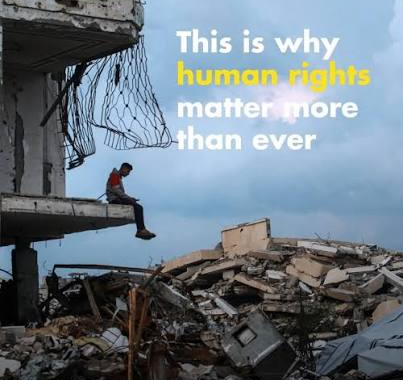
Armed conflicts and war do not just harm people—they damage the environment. Explosions, chemical spills, and destroyed infrastructure can poison water and land. War often makes it harder to respond to climate challenges.
For example, fighting can destroy water pipes, irrigation systems, and power plants. Pollution from burning oil wells or bombed factories can last for years. Landmines and unexploded bombs make farming dangerous.
Wars also force people to move, sometimes into fragile areas like forests or riverbanks. This can cause deforestation, soil erosion, and new conflicts over resources.
Example: Syria
Drought worsened by climate change contributed to the Syrian civil war. As water and food became scarce, tensions grew. War then made it even harder to rebuild farms and manage resources.
A hidden insight: When the environment is damaged, recovery after war is slower. Polluted land and water can make it unsafe to return home. International aid is often needed, but may not reach those most in need during ongoing conflict.
Another example: In Iraq, draining of marshlands during war destroyed a unique ecosystem and the way of life for local people. Restoring these areas is a long and complex task.
What The Data Tells Us: Three Key Statistics Explained
Let’s look closer at three numbers that capture the climate crisis:
1. Co₂ Levels: 420 Ppm In 2023
Why it matters: This is the highest in at least 800,000 years. CO₂ traps heat, and higher levels mean more warming. To stay below dangerous limits, emissions must be cut rapidly.
Hidden insight: Many beginners miss that CO₂ stays in the air for centuries. Even if we stop emissions today, the planet will keep warming for decades.
Another detail: The “Keeling Curve” shows CO₂ rising each year, with a seasonal up-and-down pattern. This is caused by plants in the northern hemisphere absorbing CO₂ in spring and releasing it in fall, but the long-term trend is up.
2. Global Temperature Rise: 1.2°c Since 1880
Why it matters: Small increases mean big changes. Scientists warn that passing 1.5°C could trigger “tipping points”—irreversible changes like loss of the Amazon or melting of the Greenland ice sheet.
Hidden insight: Warming is not even. The Arctic is heating up three times faster than the global average, leading to faster ice melt.
Another point: Some regions, like small islands or mountain areas, are more sensitive to warming. This means local impacts can be much greater than the global average.
3. Sea Level Rise: 20 Cm Since 1900
Why it matters: This slow rise already floods coastal cities and islands. If ice sheets melt faster, the rise could speed up, threatening hundreds of millions.
Hidden insight: Sea level rise is not the same everywhere. Local factors like land sinking (subsidence) or ocean currents can make it worse in some places.
For instance, parts of Louisiana in the US are sinking due to natural processes and oil extraction, making sea level rise even more dangerous there.
What Can We Do? Action For A Safer Future
The challenge is big, but solutions exist. Both individuals and governments play a role.
Steps Individuals Can Take
- Reduce energy use: Turn off lights, use efficient appliances, insulate homes. Even small changes, like washing clothes in cold water or unplugging chargers, save energy and money.
- Choose clean transport: Walk, bike, use public transport, or switch to electric cars. Carpooling also reduces emissions.
- Eat less meat: Meat production creates more emissions than plants. Try “Meatless Mondays” or swap beef for chicken or beans.
- Waste less: Recycle, compost, and buy only what you need. Repair items instead of throwing them away. Donate or reuse clothes and electronics.
- Support local and sustainable products. Buy from businesses that use less packaging or source goods responsibly.
Another tip: Share information with friends and family. The more people understand, the bigger the impact.
Steps Governments Must Take
- Invest in renewable energy: Wind, solar, and hydroelectric power. Support research into new technologies like battery storage or green hydrogen.
- Create strong climate policies: Set laws to limit emissions, protect forests. Enforce pollution controls and set clear targets.
- Support climate adaptation: Build flood barriers, improve water systems. Plan cities to handle more heat and rain.
- Fund research and education. Prepare the next generation of scientists and leaders.
- Help vulnerable communities adapt. Provide aid, insurance, and training to those most at risk.
A detail often missed: Governments can use taxes and incentives to guide choices. For example, tax breaks for solar panels or higher taxes on pollution.
Table: Individual Vs. Government Actions
| Individual Actions | Government Actions |
|---|---|
| Use less energy | Support renewable energy |
| Choose green transport | Build climate-resilient cities |
| Recycle and reuse | Set emissions targets |
| Eat more plant-based foods | Protect forests and oceans |
| Educate others | Invest in climate adaptation |
Why Climate Data Matters
Numbers do more than inform—they guide action. Reliable data helps us track progress, set targets, and hold leaders accountable. Without data, it’s easy to overlook slow but dangerous trends.
How Data Drives Change
- Early warning: Predicts floods, droughts, and heatwaves
- Policy making: Helps governments plan for the future
- Public awareness: Shows everyone why action is needed
For example, satellites can spot droughts early, giving farmers time to save crops. Cities use flood maps to plan new roads or schools. Companies use climate data to decide where to invest.
A non-obvious insight: International agreements, like the Paris Agreement, rely on shared data. Countries report emissions and track progress using the same methods, making it possible to compare and cooperate.
Another point: Data helps expose greenwashing—when companies or governments claim to be green but do little. Transparent reporting builds trust.
The Road Ahead: Challenges And Hope
It’s easy to feel overwhelmed by the scale of the climate crisis. But there is hope. Around the world, communities are acting. Renewable energy is growing fast. Young people are demanding change. Countries are agreeing to cut emissions under the Paris Agreement.
Challenges
- Political will: Some leaders resist change. Fossil fuel companies may lobby against climate laws.
- Cost: Transitioning to clean energy needs investment. Some jobs will disappear, but new ones can be created.
- Equity: Poorer countries need help to adapt. Rich nations have promised aid, but often deliver less than promised.
Another challenge: Some changes, like building sea walls or moving cities, take time. Planning ahead is vital.
Reasons For Hope
- Solar and wind power are now cheaper than fossil fuels in many places. Costs have fallen by over 80% in the last decade.
- Electric vehicles are replacing gas cars. Battery prices are dropping, making clean cars affordable for more people.
- More people understand the risks and want to act. Social movements and climate strikes raise awareness.
Many businesses are now setting “net zero” targets—plans to cut emissions to zero or offset what they produce. Cities are planting trees, making streets safer for bikes, and switching to clean buses.
Example: Denmark’s Wind Energy
Denmark now produces over 40% of its electricity from wind. This shows that a green future is possible with the right policies and investment.
Other examples: Costa Rica runs mostly on renewable energy. Morocco built one of the world’s largest solar farms. China is building high-speed trains and solar factories at record speed.
Digital Madama: Your Partner In Climate Knowledge
At Digital Madama, we believe that understanding climate data is the first step to action. Our blog explains climate change statistics, covers environmental disasters, and highlights how conflicts harm nature. We make complex topics clear, so everyone can join the fight for a safer planet.
To learn more about climate change data and solutions, check trusted sources like the NASA Climate Change Portal.
Frequently Asked Questions
What Are The Main Causes Of Climate Change?
The main causes are burning fossil fuels, deforestation, and industrial agriculture. These activities release greenhouse gases like carbon dioxide and methane, which trap heat in the atmosphere.
A detail: Some gases, like methane, are much more powerful than CO₂ in the short term, but break down faster. Others, like nitrous oxide, come mainly from fertilizers.
How Do Rising Temperatures Affect Daily Life?
Rising temperatures can lead to heatwaves, crop failures, water shortages, and more diseases. They also make storms and wildfires more dangerous, affecting health, food, and safety.
For example, cities may see more “urban heat islands”—areas that are much hotter than nearby countryside. This increases energy use for air conditioning, raises electricity costs, and can trigger power outages.
What Is The Paris Agreement?
The Paris Agreement is a global treaty where countries agreed to limit warming to well below 2°C, and try to stay under 1.5°C. This requires cutting emissions and supporting countries most at risk.
Countries set their own targets, called “Nationally Determined Contributions” (NDCs), and update them every five years. Progress is reviewed at regular meetings, called COPs (Conference of the Parties).
Can Individual Actions Really Make A Difference?
Yes. While big policy changes are needed, millions of small steps—like using less energy, eating less meat, and voting for climate-friendly leaders—add up and send a strong signal to governments and companies.
A second insight: Social pressure works. When enough people demand green products or policies, companies and leaders respond.
Where Can I Find Reliable Climate Change Data?
Trusted sources include NASA, NOAA, the Intergovernmental Panel on Climate Change (IPCC), and blogs like Digital Madama. These provide up-to-date data and explain what it means for the planet.
Also, local meteorological agencies often have regional data and advice for your area.
Climate change is not a distant threat; it is a present challenge. The numbers are clear, the impacts are real, and the solutions are within reach. By understanding the trends and acting together, we can build a safer, healthier world for everyone.