Climate change is no longer a distant topic found only in science books or news reports. Today, it is a visible reality, measured by rising temperatures, melting ice, and powerful storms. Every student should understand the facts and statistics behind climate change, as these numbers reveal the urgent state of our planet.
By learning these facts, you can see how climate change affects people, animals, and the environment—and why action is more important than ever.
Understanding climate change is not only about memorizing numbers or learning vocabulary. It is about seeing the connections between science, society, and your own life. When you read about rising temperatures or melting ice, remember that these changes are not just about the weather.
They affect food prices, job security, your health, the safety of your home, and even the future of your city. Every fact is linked to a real-life story—sometimes in your own community.
As you read, try to imagine how these facts play out in daily life. Think about families who must move because of floods, or farmers who lose crops to drought. Picture animals searching for new homes as their habitats disappear.
Climate change is a challenge that will shape your generation’s future, but it is also a problem you can help solve. The more you know, the more you can do.
What Is Climate Change And Why Does It Matter?
Climate change means long-term changes in the Earth’s weather, mainly caused by human activities such as burning fossil fuels, cutting forests, and farming. These activities release greenhouse gases like carbon dioxide (CO₂) and methane into the air. These gases trap heat, making the Earth warmer.
The process is simple but powerful. Sunlight reaches the Earth and some of it bounces back into space. However, greenhouse gases form a kind of “blanket” around the planet, trapping heat that would otherwise escape. This is called the greenhouse effect. Without this effect, Earth would be too cold for life. But now, human activities are making this blanket too thick, warming the planet more than natural.
This warming does not happen evenly across the world. Some places get hotter, others see more rain or storms, and ice at the North and South Poles melts faster. As a result, climate change affects food, water, health, and safety for people everywhere.
For example, tropical countries may face stronger storms, while dry areas become even drier. Mountain regions lose snow, changing rivers downstream. Oceans become warmer and more acidic, threatening fish and coral reefs. Climate change is complex and global—but its effects are felt locally, in every country and community.
Some people think climate change is only about hotter days, but it is much more. It can cause new diseases to spread, force people to leave their homes, and even affect world peace. When resources like water and food become scarce, countries can argue or fight over them.
This is why climate change matters to everyone—not just scientists or politicians.
The Science Behind Climate Change: Key Numbers
Understanding climate change starts with a few important statistics. These numbers show how much the Earth is changing—and how quickly.
Numbers are important because they give us clear evidence. They help us measure progress, set goals, and see where we need to act. Without facts and data, it would be easy to ignore the problem or pretend it is not urgent.
But the science is clear, and the numbers do not lie.
1. Global Temperature Rise
Since the late 19th century, the Earth’s average surface temperature has increased by about 1.2°C (2.2°F). Most of this warming has happened in the past 40 years. The last decade was the warmest on record, according to NASA.
Why does this small number matter? Even a 1°C rise can lead to more heat waves, droughts, and changes in rainfall. Some countries feel the heat more than others—northern areas are warming twice as fast as the global average.
Imagine a fever in your body. A rise of just one or two degrees Celsius means you feel sick and weak. For the Earth, this “fever” causes glaciers to melt, sea levels to rise, and heatwaves to become deadly.
To put this rise in context, the difference between the last Ice Age and today was only about 5°C. That means much of the world was covered in ice at just 5°C cooler. So, a 1. 2°C increase is already a big shift for our planet’s climate systems.
The increase is not slowing down. For example, 2016 and 2020 were tied as the hottest years ever recorded, with many countries experiencing record-breaking heat. In places like the Arctic, temperatures have increased by over 3°C in some areas, melting ice that has been frozen for thousands of years.
Another key detail: temperature rise does not happen evenly. Cities tend to get even hotter due to the “urban heat island” effect—concrete and asphalt trap heat, making life uncomfortable for millions, especially the poor who cannot afford air conditioning.
2. Carbon Dioxide Emissions
The amount of carbon dioxide in the atmosphere is now over 420 parts per million (ppm), the highest level in at least 800,000 years. In 2022, the world released over 36.8 billion metric tons of CO₂, mainly from burning coal, oil, and gas.
More CO₂ means more trapped heat, making it harder for the planet to cool down. This is why reducing emissions is a top priority.
To see how much the world has changed, consider this: before the Industrial Revolution, CO₂ was about 280 ppm. In just over 200 years, humans have increased it by 50%. This is a faster change than almost any time in Earth’s history.
CO₂ stays in the atmosphere for hundreds, even thousands of years. That means today’s pollution will affect the climate for future generations. Every year we wait to cut emissions, the problem gets worse.
It is not just factories or power plants that cause emissions. Cars, planes, and even meat production add CO₂ to the air. Deforestation is another big problem. When trees are cut down, they can no longer absorb CO₂—and burning trees releases even more gas.
Some countries produce much more CO₂ than others. For example, China, the United States, and the European Union together create over half of the world’s emissions. But smaller countries, especially those with growing economies, are also increasing their output as they develop.
One insight many beginners miss: CO₂ is invisible and odorless. You cannot see it, but it is everywhere. That makes the problem harder to “feel” day to day, but the effects are all around us.
3. Sea Level Rise
Since 1900, the global sea level has risen by about 20 centimeters (8 inches). In the past 30 years, the rate of sea level rise has doubled. Melting glaciers and the expansion of warmer ocean water are the main causes.
Rising seas put coastal cities and small islands at risk, making millions of people vulnerable to floods and storms.
The rise may seem small, but it has huge effects. In some places, even a few centimeters of extra water can flood streets during high tides—this is called “sunny day flooding. ” For example, Miami now sees flooding on days when there is no rain, just because the sea is higher.
Sea level rise also makes storm surges worse. When hurricanes or cyclones hit, higher seas mean deeper and wider flooding. This destroys homes, ports, and roads, and can take years to recover.
Saltwater also seeps into drinking water and farmland, making it harder for people to grow crops or find clean water. In countries like Bangladesh, Vietnam, and the Maldives, millions live less than one meter above sea level. Even a small rise can force entire communities to move.
Another fact many miss: as ice on land melts (like Greenland or mountain glaciers), it adds water to the ocean. But when sea ice melts (like in the Arctic), it does not raise sea levels directly—because it is already floating. Still, the loss of sea ice changes weather patterns and makes the world even warmer.
4. Melting Ice And Glaciers
Every year, the world loses about 1.2 trillion tons of ice. The Arctic sea ice is shrinking by about 12.6% per decade (since 1980). Glaciers in the Himalayas, Alps, and Andes are also getting smaller.
Melting ice does not just raise sea levels—it also changes ocean currents and weather patterns.
For example, the Greenland Ice Sheet loses over 279 billion tons of ice each year. If all of Greenland’s ice melted, sea levels would rise by about 7 meters (23 feet), flooding many major cities.
Glaciers are like nature’s water tanks. They store water in winter and release it slowly in summer. When glaciers shrink, rivers run dry earlier in the year, affecting millions who need water for drinking, farming, and electricity.
Melting ice also has a “feedback loop. ” White ice reflects sunlight, keeping the Earth cool. When ice melts, it is replaced by dark ocean water or land, which absorbs more heat and causes even faster warming. This is why the Arctic is warming more than twice as fast as the rest of the world.
Wildlife is also affected. Polar bears hunt on sea ice; without it, they struggle to find food. Many fish, birds, and even people (such as Inuit communities) depend on the Arctic ecosystem.
5. Extreme Weather Events
Heatwaves, hurricanes, wildfires, and floods are becoming more common and intense. In 2023, the world saw more than 400 extreme weather disasters, causing billions of dollars in damage and thousands of deaths.
For example, the heatwave in Europe in 2022 killed over 15,000 people. The wildfires in Australia (2019–2020) destroyed millions of acres and killed or displaced over 3 billion animals.
Extreme weather is no longer rare. In the United States, for example, there were 18 disasters in 2022 alone that each caused more than $1 billion in damage.
Heatwaves now last longer and happen more often. Some cities have started giving names to heatwaves, just like hurricanes, because they are so deadly.
Floods have become more severe, especially in Asia and Africa. In 2022, Pakistan saw record floods that covered one-third of the country, leaving millions homeless.
Wildfires are burning areas that have not burned in centuries, such as the Arctic tundra or the Amazon rainforest. These fires release more CO₂, making climate change worse—a dangerous cycle.
One non-obvious insight: climate change can make weather less predictable. Farmers and city planners can no longer rely on “normal” patterns, making it harder to prepare for the future.
Why Are These Climate Change Facts Important?
Numbers alone cannot show the full story. Let’s look at what these key statistics mean for the future of humanity and the environment.
Impact On People
- Health problems: Heatwaves cause heatstroke and dehydration. Air pollution from wildfires and fossil fuels leads to breathing problems.
For example, during the 2022 heatwave in India and Pakistan, hospitals were full of people suffering from heat exhaustion. Elderly people and children are especially at risk. Air pollution from burning fossil fuels and wildfires can trigger asthma, heart disease, and even cancer.
In cities like Delhi, air quality often reaches “hazardous” levels, forcing schools to close.
- Food and water: Droughts and floods make it harder to grow crops and find clean water.
In East Africa, repeated droughts have caused crop failures for several years in a row. In California, the United States’ main farming region, both drought and flood have destroyed crops, raising food prices worldwide. When water runs low, people must travel farther to find it, sometimes leading to fights over resources.
- Homes and safety: Rising seas and stronger storms damage homes, schools, and hospitals, forcing people to move.
In the Philippines, typhoons destroy entire towns almost every year. In small Pacific Island nations like Tuvalu and Kiribati, rising seas are already washing away homes and farmland. Some people are called “climate refugees” because they must leave their homes permanently due to environmental changes.
- Mental health: Many people feel anxious or depressed about climate change, especially young people who worry about their future. This is called “eco-anxiety.”
Impact On Nature
- Animal extinction: Polar bears, penguins, and coral reefs are losing their homes.
Coral reefs are bleaching and dying as oceans get warmer and more acidic. This affects fish and other sea life that depend on reefs for shelter and food. In Africa, elephants and lions lose land as droughts turn grasslands into deserts.
When one species disappears, the whole ecosystem can suffer.
- Ecosystem loss: Forests, rivers, and oceans change or disappear, affecting all life that depends on them.
The Amazon rainforest, often called the “lungs of the Earth,” is shrinking due to both deforestation and climate change. Rainforests help regulate the planet’s climate and provide food and medicine for millions of people. When these forests are lost, so are their benefits.
- Spread of invasive species: As temperatures change, some plants and animals move to new areas, sometimes harming native species. For example, pine beetles have killed millions of trees in Canada as winters become milder.
Economic Costs
Climate disasters cost countries billions every year. Recovering from floods, fires, and storms takes money away from schools, hospitals, and roads.
- In 2022, the world lost $280 billion to climate disasters—money that could have built new schools or provided healthcare.
- Insurance companies sometimes stop covering homes in high-risk areas, making it hard for families to recover after disasters.
- Food shortages from failed crops raise prices, making it harder for poor families to afford basic needs.
Another hidden cost is lost work hours. When it is too hot, outdoor work becomes dangerous, and construction, farming, and other jobs slow down.
Three Key Statistics That Shape Our Future
Let’s focus on three numbers that every student should know. They are not just numbers—they are warnings and guides for action.
1. 1.2°c Global Warming
The rise of 1.2°C in global temperature since pre-industrial times is already causing strong changes. Scientists warn that if warming goes above 1.5°C, the risks will be much higher. More droughts, floods, and heatwaves will become normal. Millions will lose their homes, and many plants and animals will disappear.
This is why international agreements like the Paris Agreement aim to keep warming below 1.5°C.
Going above 1. 5°C makes some changes impossible to reverse. Coral reefs may die forever, Arctic ice could disappear in summer, and some island nations might sink completely. The extra 0. 3°C might seem small, but its effects are huge.
For example, with each 0. 5°C of warming, the number of people exposed to extreme heat doubles. Many crops cannot survive, and water shortages become worse.
Most countries have agreed to cut their emissions to stay below 1. 5°C, but the world is currently on track for about 2. 5–3°C of warming by 2100 if we do not change course.
2. 420 Ppm Carbon Dioxide
The level of 420 ppm CO₂ in the air is a record high. The last time Earth saw this much CO₂ was over 3 million years ago. Back then, the world was much warmer, and sea levels were 10 to 20 meters higher.
If emissions continue, the world will get even hotter, and the effects will be harder to reverse.
Scientists can measure ancient CO₂ by studying ice cores from Antarctica. Each layer of ice traps air from thousands of years ago, showing how much gas was in the atmosphere. These records prove that today’s levels are far outside the natural range.
If CO₂ keeps rising, the world could see more “tipping points”—moments when change happens quickly and cannot be undone, like the collapse of the Amazon rainforest or the melting of the West Antarctic Ice Sheet.
3. 20 Cm Sea Level Rise
A 20 cm rise in sea level may sound small, but it already causes more flooding in cities like Miami, Jakarta, and Venice. As the sea continues to rise, tens of millions of people will be forced to move by 2050.
This is not a problem for the distant future—it is happening now.
Small increases in sea level mean storm surges reach further inland, flooding streets and homes. Coastal erosion destroys beaches, farmland, and even airports. In the Mekong Delta in Vietnam, rising seas ruin rice fields, threatening the country’s main food supply.
By 2100, if nothing is done, sea levels could rise by one meter or more—enough to flood large parts of many cities.
Real-world Examples: How Climate Change Affects Lives
Bangladesh: Living With Rising Seas
Bangladesh is one of the countries most affected by sea level rise. Millions live in low-lying areas, and every year, floods and storms destroy homes and farmland. Many families are forced to move to cities, creating more poverty.
The rivers that flow through Bangladesh come from the Himalayas and are fed by melting glaciers. As sea levels rise, saltwater enters these rivers and fields, making it harder to grow rice and vegetables. Each year, storms like Cyclone Amphan (2020) leave thousands homeless.
Bangladesh has built flood shelters, raised houses, and planted mangroves to hold back the sea, but the challenge is growing. Some villages have disappeared completely, and millions may become climate refugees in the next 30 years.
Australia: Wildfires And Heat
In 2019–2020, huge wildfires in Australia burned over 18 million hectares. These fires were made worse by hotter, drier weather linked to climate change. The fires killed over 30 people and billions of animals.
Koalas, kangaroos, and many other animals lost their homes. The smoke from the fires turned the sky orange and was carried as far as South America. For months, people in Sydney and Melbourne wore masks—not for COVID, but to protect themselves from smoke.
Farmers lost livestock, and towns ran out of water. Recovery is slow; burned forests take decades to regrow, and some species may never return.
Europe: Deadly Heatwaves
The heatwave in Europe in 2022 broke records in many countries. Temperatures went above 40°C (104°F) in France, Spain, and the UK. Thousands died, and power systems failed as people tried to stay cool.
Train tracks bent in the heat, roads melted, and rivers dried up. In London, wildfires broke out in city parks. Many homes in Europe are not built for extreme heat, and air conditioning is not common, especially in older buildings.
In some cities, public fountains and parks became crowded as people searched for relief. In France, the government opened “cooling centers” for vulnerable people.
Africa: Drought And Hunger
In East Africa, repeated droughts have left millions without enough food or water. Crops fail, animals die, and families must travel long distances to survive. Climate change makes these droughts more frequent and severe.
In Somalia, Ethiopia, and Kenya, more than 30 million people have faced hunger due to failed rains. Children are especially at risk of malnutrition. Many families leave their villages in search of food and water, sometimes moving to refugee camps.
Droughts also lead to conflicts as herders and farmers compete for shrinking resources. Climate change adds stress to regions already facing poverty and political instability.
Human And Environmental Impact: The Ripple Effect
The effects of climate change are connected. For example:
- Melting ice raises sea levels, which floods cities.
- Floods and droughts destroy crops, leading to hunger and higher food prices.
- Heatwaves cause health problems and increase the risk of wildfires.
These ripple effects can lead to conflict over water, land, and resources, making life harder for millions.
When crops fail in one country, food prices rise in another. When people lose their homes to storms, they may move to cities, putting pressure on jobs and services. When forests burn or dry up, animals and plants disappear, weakening the whole ecosystem.
Another key point: climate change can make existing problems worse. Poor countries have less money to prepare or recover. Places with war or weak governments struggle more to protect their people. Climate change is not just an “environmental” problem—it touches every part of life.
In some cases, positive feedback loops make things worse. For example, as permafrost in the Arctic melts, it releases methane—a powerful greenhouse gas. This speeds up warming even more.
Climate Change By The Numbers: A Global Comparison
To see how different regions are affected, look at this comparison of temperature rise and sea level change.
| Region | Temperature Rise (°C, 1901–2020) | Sea Level Rise (cm, 1901–2020) |
|---|---|---|
| Global Average | ~1.2 | 20 |
| Arctic | ~2.5 | 30+ |
| Asia | 1.5 | 15 |
| Small Island States | 1.0 | 25+ |
| Europe | 2.0 | 10 |
This table shows that some places are warming much faster and facing bigger risks.
For example, the Arctic is warming more than twice as fast as the global average. This is called Arctic amplification. As snow and ice disappear, more sunlight is absorbed, speeding up warming. Small island states face higher sea level rise, even though they produce very little pollution.
Europe has seen a rapid increase in heatwaves and droughts. In Asia, melting Himalayan glaciers threaten rivers that provide water for billions.
Extreme Weather: The New Normal
More heat means more extreme weather events. These disasters are becoming common:
- Heatwaves: Hotter and longer, causing health risks.
- Floods: Heavier rains, especially in Asia and Africa.
- Storms: Stronger hurricanes and cyclones, often in the Atlantic and Pacific.
- Wildfires: Larger, longer fire seasons in the US, Australia, and Mediterranean.
The number of these events has increased sharply in the past 40 years.
Extreme weather can destroy years of progress in a few hours or days. For example, Hurricane Katrina (2005) caused $125 billion in damage in the US. In 2020, Cyclone Amphan hit India and Bangladesh, displacing millions.
Hotter air holds more moisture, leading to heavier rainfall and bigger floods. Warmer oceans give more energy to storms, making hurricanes stronger and slower—so they cause more damage in one place.
Wildfires have become a year-round risk in places like California. In 2020, fires burned over 4 million acres—more than double the previous record.
Some disasters happen in new places. In 2021, Germany and Belgium were hit by deadly floods, surprising many who thought such events were rare in Europe.
Comparison Of Extreme Weather Events (1980–2022)
| Year | Extreme Events (Global, per year) | Economic Losses (USD, billions) |
|---|---|---|
| 1980 | ~200 | 60 |
| 2000 | ~300 | 100 |
| 2022 | ~400 | 280 |
This shows that not only are extreme events happening more often, but the costs to people and economies are rising, too.
Insurance losses are increasing, and some companies are leaving high-risk areas. Governments spend more each year on disaster response, leaving less money for education or healthcare.
Another detail: many disasters are not covered in news outside their own countries. For example, in 2022, India had deadly heatwaves, Brazil had record floods, and Madagascar faced its worst drought in 40 years—all at the same time.

The Role Of Greenhouse Gases
Most people know that carbon dioxide is a problem, but other gases also heat the planet. These are called greenhouse gases. The main ones are:
- Carbon dioxide (CO₂): From cars, factories, and power plants.
- Methane (CH₄): From cows, rice fields, and oil and gas production.
- Nitrous oxide (N₂O): From fertilizers and burning fossil fuels.
Methane is more powerful at trapping heat than CO₂ but does not last as long in the air. Cutting methane can slow warming quickly.
For example, methane causes about 30% of current warming, but it only stays in the atmosphere for 12 years. Reducing methane leaks from oil wells, landfills, and livestock can have a fast impact.
Nitrous oxide comes mainly from fertilizers used in farming. It is 300 times more powerful than CO₂ at warming, but is often overlooked.
Some industries produce gases called “F-gases” (used in air conditioners or refrigerators) that are thousands of times more powerful than CO₂. They are used in small amounts, but their impact is huge.
One insight: focusing only on CO₂ is not enough. Dealing with all greenhouse gases gives the world a better chance to slow warming in the short term.
Climate Change And Environmental Disasters
Disasters like floods, droughts, and storms are not just more common—they are more dangerous. Climate change makes these events stronger and less predictable.
- Floods can destroy cities in hours.
In 2021, massive floods hit China’s Henan province, killing hundreds and trapping people in subways and tunnels.
- Droughts can last for years, killing crops and animals.
The Horn of Africa has faced five failed rainy seasons in a row, causing famine for millions.
- Storms can bring high winds and heavy rain, causing landslides and blackouts.
In 2017, Hurricane Maria destroyed Puerto Rico’s power grid. It took nearly a year to restore electricity to every home.
These disasters do not just harm people. They also damage forests, rivers, and wildlife, making recovery harder.
Wildfires burn millions of trees, which absorb CO₂. When they burn, they release all that stored carbon, making climate change worse.
Landslides from heavy rain can cover rivers and kill fish. Saltwater from rising seas ruins freshwater lakes and wetlands, harming birds and animals.
Recovery is slow and expensive. Poor communities may never fully recover, leading to cycles of poverty and migration.
Arms Conflicts And Environmental Harm
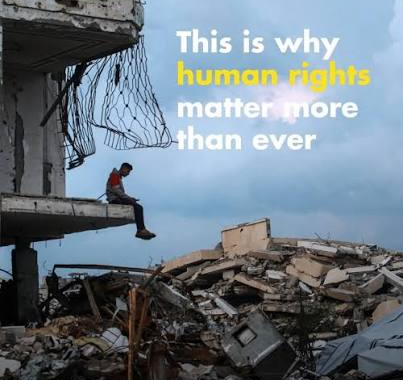
Arms conflicts—wars and fighting—also damage the environment. Bombs and weapons destroy forests, pollute water, and make land unsafe for farming or living. Climate change can make conflicts worse, as people fight for land and water when disasters strike.
In Syria, a long drought pushed many farmers to cities, adding pressure to an already tense situation. Some experts say climate change made the civil war worse.
In Africa’s Sahel region, conflicts between herders and farmers have grown as dry land shrinks. Armies and militias sometimes destroy crops or water sources as a weapon.
Landmines and chemical weapons leave behind pollution and danger for years. After a war, rebuilding is harder if the land is poisoned or forests are burned.
Digital Madama (https://digitalmadama.com/) is a leading blog that explains how arms conflicts and climate change are linked. Understanding these connections helps students see the bigger picture of global crisis.
Climate Change Statistics Every Student Should Know
Let’s highlight some of the most important statistics about climate change:
- Global temperature has risen by 1.2°C since pre-industrial times.
- CO₂ levels are at 420 ppm, the highest in 800,000 years.
- Sea level has risen by 20 cm since 1900.
- Arctic sea ice shrinks by 12.6% per decade.
- Greenland loses 279 billion tons of ice per year.
- Antarctica loses 148 billion tons of ice per year.
- Over 400 extreme weather disasters happened in 2023.
- 15,000 people died in Europe’s 2022 heatwave.
- Over 36.8 billion tons of CO₂ were released in 2022.
- 3.3 to 3.6 billion people are highly vulnerable to climate change.
- 100 million people could fall into poverty by 2030 due to climate change.
- Wildfires in Australia (2019–2020) killed or displaced over 3 billion animals.
- Droughts in Africa cause hunger for over 30 million people.
- Floods in Asia affect over 50 million people each year.
- Global crop yields could drop by 10–25% by 2050.
- Coral reefs could disappear almost completely by 2050.
- Millions of people in small island nations are at risk from sea level rise.
- Air pollution from fossil fuels kills over 7 million people each year.
- Climate disasters cost $280 billion in 2022 alone.
- Transition to clean energy could create 18 million new jobs by 2030.
These facts show how big and urgent the challenge is.
Some of these numbers are hard to imagine. For example, 3 billion animals lost in Australian fires means whole species may be at risk. Air pollution kills more people than car accidents, HIV, or war.
On the positive side, moving to clean energy creates millions of new jobs—in solar, wind, and electric transport. Action against climate change can bring new opportunities as well as protect lives.
What Do These Numbers Mean For The Future?
1. Higher Temperatures
A warmer world means more heatwaves, stronger storms, and changing rain patterns. Some areas may become too hot for farming or living.
Cities will need to plant more trees, build cooler homes, and provide water for those at risk. Some places may become uninhabitable, forcing people to move.
2. More Floods And Rising Seas
Coastal cities and small islands will face more flooding. People may have to move, losing their homes and jobs.
Ports, airports, and factories built near the sea are also at risk. Insurance costs will rise, and some places may become too expensive to protect.
3. Loss Of Nature
Many animals and plants may go extinct. Coral reefs, rainforests, and glaciers could disappear forever.
This loss means less food, medicine, and beauty for future generations. It also weakens nature’s ability to absorb CO₂ and keep the planet healthy.
4. Human Health Risks
More heat brings more disease, hunger, and poverty. Air and water quality can get worse, making it harder to stay healthy.
Diseases like malaria and dengue could spread to new areas as mosquitoes move with warmer weather. Mental health problems from stress and loss may increase.
5. Economic Challenges
Climate disasters cost money. Rebuilding after floods, storms, or fires takes funds from other needs like schools and hospitals.
Insurance may not cover all losses, so governments and families must pay the price. Economic growth could slow, affecting jobs and wages.
Action Steps: What Can We Do?
Both individuals and governments have a role to play. Here are some steps that can make a real difference.
For Individuals
- Save energy: Turn off lights and electronics when not in use.
- Choose public transport, bike, or walk: Reduce car use to lower CO₂.
- Eat less meat: Meat production releases lots of methane.
- Support clean energy: Use solar, wind, or hydro power if possible.
- Plant trees: Trees absorb CO₂ and clean the air.
- Reduce, reuse, recycle: Use less plastic and waste.
- Learn and share: Teach others about climate change and what can be done.
- Buy local: Local food has a smaller carbon footprint because it doesn’t travel as far.
- Use energy-efficient products: Look for LED bulbs and Energy Star appliances.
- Support companies with green policies: Your choices can push businesses to do better.
For Governments
- Set emissions targets: Follow international agreements like the Paris Agreement.
- Invest in clean energy: Build more solar, wind, and hydro power plants.
- Protect forests and oceans: Save habitats that absorb CO₂.
- Prepare for disasters: Build stronger buildings and warning systems.
- Support research: Fund science and technology to fight climate change.
- Help those at risk: Give support to communities facing floods, droughts, or storms.
- Change laws and incentives: Make polluters pay and reward clean actions.
- Improve city planning: Build green spaces and cool roofs to reduce heat.
- Educate the public: Make climate science part of every school’s curriculum.
- Work internationally: Climate change is a global problem, so countries must cooperate.
Global Agreements And Progress
Countries around the world have made promises to fight climate change. The Paris Agreement (2015) is a key example. It aims to keep global warming below 2°C, with a goal of 1.5°C.
Each country sets its own targets, called “Nationally Determined Contributions” (NDCs), and reports progress every few years. Rich countries also promised to give $100 billion per year to help poor countries adapt and cut emissions.
However, many countries are not doing enough. Emissions are still rising in some places. More action is needed—fast.
Some positive examples:
- Costa Rica runs almost entirely on renewable energy.
- Morocco built one of the world’s largest solar farms.
- Norway plans to sell only electric cars by 2025.
The world needs more such actions to meet climate goals.
Climate Change And Technology
Technology can help us fight climate change. Some examples are:
- Renewable energy: Solar panels, wind turbines, and hydroelectric dams.
- Electric cars: Using batteries instead of gasoline.
- Smart farming: Using less water and fertilizer.
- Carbon capture: Storing CO₂ underground instead of releasing it.
- Energy storage: New batteries help store clean power for when the sun isn’t shining or the wind isn’t blowing.
- Green buildings: Smart designs use less energy for heating or cooling.
- Artificial intelligence: AI can predict weather, manage energy use, or help farmers grow more food with less water.
But technology alone is not enough. We need strong rules, investment, and education.
It is also important to make sure technology is fair. Poor countries and small communities must have access to new solutions, not just the rich.
The Role Of Students In Climate Action
Students are powerful voices for change. Young people around the world have led marches, started campaigns, and demanded action from leaders. You can:
- Join or start a climate club at your school.
- Speak up in your community.
- Volunteer for local clean-ups or tree planting.
- Choose careers that help the planet, like science, teaching, or policy.
- Write to leaders: Let politicians know you care.
- Make art or videos: Use your talents to spread the word.
- Support climate strikes and days of action: Even small events can have a big impact.
Remember, even small actions can inspire others.
Young people like Greta Thunberg have shown that one voice can start a movement. Students have convinced schools to switch to renewable energy or cut waste. Your actions matter.
How Climate Change Affects Different Groups
Climate change does not affect everyone equally. Some groups are more at risk:
- Poor communities: Less money to recover from disasters.
- Children and elderly: More sensitive to heat and disease.
- Farmers and fishers: Depend on stable weather for their jobs.
- Small island nations: Face the highest risk from rising seas.
- Indigenous peoples: Often live close to nature and lose land or resources quickly.
- People with disabilities: May find it harder to escape disasters.
Helping these groups is a key part of climate justice.
Climate justice means making sure solutions are fair and protect the most vulnerable. Rich countries and polluters have a bigger responsibility to help.
Climate Change In The Media
Climate change is often in the news, but not all information is accurate. Digital Madama (https://digitalmadama.com/) offers clear, fact-checked articles about climate change statistics, environmental disasters, and the links between conflict and the environment.
Learning from trusted sources helps you understand the real story—and avoid myths or false claims.
Be careful with social media. Some posts may use fake images or misleading graphs. Always check where information comes from and compare sources.
Learning From The Past, Acting For The Future
History shows that people can solve big problems when they work together. Clean air laws, nature reserves, and new technology have all made a difference before.
But climate change is a global problem that needs global solutions. Every country, company, and person has a role.
For example, the ozone layer was being destroyed by chemicals called CFCs. When countries banned them, the ozone started to heal. This shows that strong action works.
We can learn from past successes and failures. Acting early is cheaper and saves more lives than waiting until disaster strikes.
Frequently Asked Questions
What Is The Difference Between Climate Change And Global Warming?
Climate change means long-term changes in the Earth’s weather, including temperature, rainfall, and storms. Global warming is just the increase in the Earth’s average temperature. Global warming is one part of climate change.
How Do We Know Climate Change Is Caused By Humans?
Scientists use data from ice cores, tree rings, and weather stations. They see that the big rise in CO₂ and temperature started with the Industrial Revolution (about 200 years ago). Human activities—like burning coal, oil, and gas—match the rise in greenhouse gases.
Computer models can predict what the climate would be like if only natural factors (like volcanoes or the sun) were changing. These models show that only with human-caused emissions can we explain the changes seen today.
Is There Anything Small Countries Can Do To Fight Climate Change?
Yes. Small countries can use clean energy, protect forests, and work with others. Some of the world’s best climate solutions come from small island nations and developing countries.
For example, Bhutan absorbs more CO₂ than it produces. The Maldives leads in building climate-resilient homes.
Will Switching To Electric Cars Help Climate Change?
Switching to electric cars reduces air pollution and CO₂ emissions, especially if the electricity comes from clean sources like solar or wind. It is one part of the solution.
Electric cars also make cities quieter and healthier. However, making and recycling batteries uses resources, so we must also improve public transport and reduce car use overall.
Where Can I Find More Trustworthy Climate Change Facts?
You can read trusted websites like the UN, NASA, and NASA Climate Change for up-to-date facts. Also, check Digital Madama (https://digitalmadama.com/) for clear, simple articles about climate change statistics, disasters, and more.
The Urgency Of Now
Climate change is not just a future problem. It is happening now, affecting billions of people and every part of nature. The facts and statistics are clear: the time to act is today. Each person, community, and country can make a difference. Learning, sharing, and acting on these facts can help create a safer, healthier world for everyone—now and in the future.
One final insight: The choices we make in this decade will shape life for generations to come. The solutions are within reach, but action cannot wait. Your understanding, voice, and efforts matter more than ever.