Climate Change by the Numbers: Regional Data You Need to Know
Climate change is not just a topic for scientists or politicians anymore—it is a reality that is measured, mapped, and felt around the world. The numbers do not lie. Temperatures are rising, ice is melting, oceans are swelling, and extreme weather is more common than ever. These changes affect every region differently, but no part of the planet is untouched. If you want to understand how climate change is shaping our world, you need to look at the data. At Digital Madama, we help you make sense of the complex numbers behind climate disasters and environmental challenges.
This article breaks down the most recent statistics on temperature rise, carbon emissions, sea-level changes, and extreme weather. You will see how different regions are experiencing these shifts, what the numbers really mean for people and nature, and what can still be done to turn the tide.
The Global Temperature Rise: A Warming World In Numbers
The Earth’s average surface temperature has increased by about 1.2°C (2.16°F) since the late 19th century. This number might sound small, but its impact is huge. Global warming is not even; some places are heating up faster than others.
Regional Temperature Data
- Arctic: The Arctic is warming nearly four times faster than the global average. Since 1971, Arctic temperatures have risen by about 3.1°C. This fast rise is already causing the Arctic sea ice to shrink at a rate of over 13% per decade. In some Arctic towns, the summer now lasts weeks longer than it did just 50 years ago, causing the ground (permafrost) to thaw and buildings to sink.
- Europe: Europe’s average temperature increased by nearly 2.3°C since pre-industrial times. Southern Europe, including Spain and Italy, has seen more frequent and intense heatwaves, making summers difficult for the elderly and children. For example, France hit a record 46°C in 2019.
- Africa: Africa warms slower than the Arctic, but many regions already exceed 1.5°C of warming. North Africa, especially the Sahara and Sahel, face expanding deserts. In West Africa, changing rainfall means crops like maize and sorghum are at risk.
- Asia: Asia’s average temperature rise is close to the global mean, but heatwaves are more frequent and intense. In Japan, heatwaves caused hospitalizations to rise sharply. China’s Yangtze River basin had its worst drought in 60 years, affecting food and electricity.
- North America: The US and Canada have warmed by 1.4°C on average. In Alaska, the temperature rose by almost 2.5°C in some areas, causing wildfires and permafrost melt. In the US Southwest, cities like Phoenix see more than 100 days above 37°C each year.
- South America: Southern parts experience severe droughts and heatwaves, with temperature increases around 1°C. Chile and Argentina have lost glaciers that once provided steady water to cities and farms. Brazil’s Pantanal, the world’s largest tropical wetland, is drying.
- Oceania: Australia has warmed by 1.47°C since 1910, with more days above 35°C. In New Zealand, glaciers are melting faster, and summer heat is breaking records.
Why These Numbers Matter
A 1.2°C increase may not seem dramatic, but it is enough to disrupt weather patterns, agriculture, and water systems. For example, the Arctic’s rapid warming melts ice, raising sea levels and changing ocean currents. In Europe, heatwaves have killed thousands, while in Africa, higher temperatures worsen droughts and threaten food supplies. In tropical regions, even a small temperature rise can drive malaria-carrying mosquitoes into new areas, spreading disease.
Non-obvious insight: Many beginners overlook that even a small rise in global average temperature can cause much larger local changes. Some areas may see double or triple the global average increase, leading to severe impacts. For example, local temperature spikes can trigger record-breaking wildfires or sudden crop failures that are not obvious from the global average alone.
Another detail many miss is the effect on “thresholds. ” Crops and animals often have narrow temperature limits. A half-degree rise might mean nothing for machines but can ruin a rice harvest or stop fish from breeding.
Human And Environmental Impact
- Heat-related deaths: In 2022, over 61,000 people died from heatwaves in Europe alone. Southern cities like Athens and Madrid now open “cooling centers” for the public in summer. Elderly people living alone are at greatest risk, especially when heatwaves last several days.
- Agriculture stress: In India, wheat yields fell by 10% in 2022 due to extreme heat. Even in richer countries, farmers face unpredictable seasons. California’s fruit growers lost billions as heat and drought ruined crops.
- Melting glaciers: The Himalayas, known as the “Third Pole,” are losing ice rapidly, threatening water for millions. The Andes and Alps face similar problems, risking supplies for cities and farms. In Peru, glacial lakes now overflow, causing deadly floods.
What’s Next?
If current trends continue, the world could warm by 2.5°C to 3°C by 2100. This would make many places unlivable due to heat, drought, or flooding. Major cities may need to change their infrastructure completely. Heat extremes could become normal in places like the Middle East or Central Africa, where outdoor work may be impossible for months.
Non-obvious insight: Delayed impacts are a big risk. Even if we stop emissions today, the warming already “locked in” will continue for decades due to the way oceans and the atmosphere work.
Carbon Emissions: The Main Driver Of Climate Change
Carbon dioxide (CO2) is the main greenhouse gas causing the planet to warm. Since the industrial revolution, CO2 levels have climbed from about 280 ppm (parts per million) to over 420 ppm in 2023—a level not seen in at least 800,000 years. This rapid increase is almost entirely due to burning coal, oil, and gas, plus deforestation and agriculture.
Regional Emissions Breakdown
| Region | 2022 CO2 Emissions (Billion Tons) | Share of Global Emissions (%) |
|---|---|---|
| Asia (mainly China, India) | 19.3 | 53 |
| North America | 6.6 | 18 |
| Europe | 3.6 | 10 |
| Rest of World | 6.9 | 19 |
Asia is the largest emitter, mainly due to rapid economic growth in China and India. North America and Europe have high per capita emissions, even as their total share drops. In Africa and South America, emissions are much lower, but both regions face growing energy demand.
Key Statistics
- China: The world’s top emitter, producing over 11.5 billion tons of CO2 in 2022. Much comes from coal power plants and heavy industries like steel and cement. China now builds more solar and wind power than any other country, but its energy needs are still rising.
- United States: Second biggest, at 5.0 billion tons in 2022. US emissions mainly come from transport (cars, trucks, planes), electricity, and industry. Americans use far more energy per person than most other countries.
- European Union: About 2.4 billion tons. Europe’s emissions are falling, thanks to renewable energy, energy efficiency, and carbon taxes. But aviation and heavy industry still pollute a lot.
- India: Emissions rising fast, now at 2.8 billion tons. India’s economy is growing, and coal remains the main energy source. However, India’s per-person emissions are much lower than the US or Europe.
What Does This Mean?
High emissions in Asia fuel global warming, but per-person emissions in the US and Canada are still among the highest. This means even small population countries can have a big impact. For example, Australia emits more CO2 per person than China, despite a much smaller population.
Non-obvious insight: Many people miss that reducing emissions in fast-growing economies is not enough—the wealthiest countries must cut their emissions much faster, as their historic impact is much bigger. Climate justice is a key issue: poorer countries suffer more, though they contributed less to the problem.
Another overlooked point is “exported emissions. ” Many goods made in China or India are consumed in Europe or the US. So, a country’s emissions footprint can be bigger than it looks if you count the emissions from products it buys from abroad.
Real-world Examples
- Wildfires in Canada: Fueled by warm, dry conditions linked to carbon emissions. The 2023 fires were so intense that smoke reached the US East Coast, causing air quality warnings in New York.
- Smog in Delhi, India: Worsened by fossil fuel burning, leading to health crises. Schools often close during peak pollution, and millions of people suffer from breathing problems.
The Road Ahead
To keep warming below 1.5°C, global emissions must drop by at least 45% by 2030. This requires rapid shifts to clean energy, less deforestation, and new technology.
Non-obvious insight: Cutting emissions is not just about technology—it also means changes in habits, diets, and the ways cities are built.
Sea-level Rise: Submerging Coasts And Cities
Since 1880, global sea levels have risen by about 21–24 centimeters (8–9 inches). The rate is speeding up. In the past 30 years, sea levels rose double the rate of the previous century.
Regional Sea-level Changes
- Pacific Islands: Some islands (like Tuvalu) rise just 2–3 meters above sea, making them extremely vulnerable. In some villages, homes and schools are already being moved inland or raised up on stilts. Many islands face saltwater flooding during king tides.
- Bangladesh: Over 18 million people at risk of being displaced by 2050 due to rising seas. In the Ganges delta, saltwater destroys rice fields and fish ponds, forcing millions to migrate to overcrowded cities like Dhaka.
- Miami, USA: Tidal flooding is now regular, even without storms. In some neighborhoods, water comes up through drains during high tides, damaging roads and homes.
| City/Region | Sea-Level Rise (last 30 years, cm) | Population at Risk (Millions) |
|---|---|---|
| Jakarta, Indonesia | 25 | 10.5 |
| Shanghai, China | 15 | 24.2 |
| New York City, USA | 11 | 1.1 |
| Lagos, Nigeria | 12 | 13.4 |
Human And Environmental Cost
Rising seas mean coastal flooding, loss of farmland, and saltwater intrusion into drinking water. In Bangladesh, farmers lose land each year, forcing families to move to crowded cities. Many Pacific Islanders may become “climate refugees” with nowhere else to go.
In places like Jakarta, the city is sinking as groundwater is pumped out and the sea rises, forcing the government to plan a new capital city on higher ground. In the US, cities like New Orleans and Miami are already spending billions on pumps and sea walls.
Non-obvious insight: Sea-level rise is not just about land loss—saltwater can destroy crops and freshwater sources long before land is fully underwater. It also damages roads, sewage systems, and power lines, causing hidden costs for cities.
Another detail: Many insurance companies now refuse to cover homes in high-risk flood zones, making it harder for families to recover after disasters.
What’s Causing It?
- Melting glaciers and ice sheets (Greenland, Antarctica): The Greenland ice sheet is losing over 250 billion tons of ice each year. Antarctica also loses ice, though more slowly.
- Thermal expansion (warmer water takes up more space): As oceans warm, they expand. About 40% of recent sea-level rise is due to this effect.
What’s Next?
If emissions do not fall, sea levels could rise by up to 1 meter (39 inches) by 2100. Major cities and even entire nations may be lost.
Non-obvious insight: Sea levels will continue to rise for centuries, even after emissions stop, because ice sheets and oceans respond slowly. Planning for the next 100 years is essential—today’s choices shape tomorrow’s coastlines.
Extreme Weather Events: The New Normal
Extreme weather is becoming more frequent and severe. The data shows clear trends in hurricanes, heatwaves, droughts, and floods.
Key Statistics
- Heatwaves: In 2023, Europe had its hottest summer on record. Southern US cities saw over 45 days above 38°C (100°F). In Spain and Portugal, wildfires burned for weeks as temperatures stayed above 40°C.
- Hurricanes: The North Atlantic now has 30% more major hurricanes per decade than in the 1980s. Hurricane Ian (2022) caused over $100 billion in damage in Florida, tying for the third-costliest storm in US history.
- Floods: Pakistan’s 2022 floods displaced 33 million people—a third of the country. The water covered an area bigger than England.
- Droughts: The Horn of Africa faces the worst drought in 40 years, threatening 23 million lives. Some communities have not seen rain in four years.
Regional Impacts
- Asia: Deadly typhoons and monsoons are more intense. In the Philippines, Typhoon Rai (2021) killed over 400 people and destroyed over 500,000 homes.
- Africa: Longer droughts, shorter rainy seasons. Ethiopia, Somalia, and Kenya are hit hardest, but southern Africa also faces water shortages.
- Europe: More frequent heatwaves and wildfires. In Greece, the 2021 fires destroyed ancient forests and forced thousands to flee.
- Americas: Stronger hurricanes, larger wildfires, and severe winter storms. In Texas, Winter Storm Uri (2021) left millions without power as pipes froze and grid failures spread.
Human Impact
Extreme weather destroys homes, kills crops, spreads disease, and forces migration. For example, after Hurricane Maria in Puerto Rico, thousands left the island. In East Africa, drought has driven millions into hunger.
Insurance costs are rising as disasters become more common, making recovery harder for the poor. In California, some homeowners can no longer buy wildfire insurance at any price. In developing countries, many families have no insurance at all.
Non-obvious insight: Disasters often happen together or in sequence, making recovery harder. For example, a flood can wash away soil, then a drought can ruin what is left.
Examples
- California wildfires: Record heat and drought fuel bigger fires each year. The 2020 season burned over 4% of the state’s total land area.
- Germany floods (2021): Over 180 deaths in a region not known for such disasters. The Ahr Valley saw rivers rise several meters in just hours.
- Australian bushfires (2019-2020): Burned over 18 million hectares, killing or displacing 3 billion animals. Koalas and rare birds lost much of their habitat.
Regional Snapshots: How Climate Change Hits Different Places
Every region faces unique challenges from climate change. Here’s how the numbers break down:
Africa
- Temperature: Warming at about 0.2°C per decade. Northern and southern regions heat up fastest.
- Rainfall: Up to 20% less in southern Africa; East Africa gets more floods. The Sahel region faces both drought and intense rain, making farming unpredictable.
- Impact: Crop yields down by 34% in some areas by 2050. The UN projects that up to 118 million people could face poverty due to climate impacts.
Example: In Madagascar, repeated droughts have caused food shortages, with some villages relying on cactus fruit to survive.
Asia
- Glaciers: Himalayas lost 40% of ice since 1960. Rivers like the Ganges and Mekong depend on this ice for dry-season water.
- Heatwaves: India and Pakistan hit 50°C in 2022, leading to power cuts and hospital emergencies.
- Flooding: Bangladesh, Vietnam, and the Philippines are flood hotspots. In China, floods in 2021 caused $25 billion in losses.
Example: In Vietnam’s Mekong Delta, saltwater intrusion is reducing rice harvests, threatening food security for 20 million people.
Europe
- Temperature: Increased by 2.3°C above pre-industrial times. Southern Europe faces more droughts, while northern Europe sees more winter rain.
- Wildfires: Mediterranean fires now burn five times more land each year. In 2021, Turkey and Greece suffered their worst fires in decades.
- Heat deaths: Tens of thousands die yearly from heat. In 2003, a single summer heatwave killed over 70,000 across Europe.
Example: The Alps are losing snow, harming winter tourism and local economies.
North America
- Storms: US averages 18 billion-dollar disasters per year (up from 3 in the 1980s). Hurricanes, floods, and wildfires lead the list.
- Drought: The American West faces the worst drought in 1,200 years. Lake Mead and Lake Powell are at record lows, threatening water for millions.
- Flooding: Major cities face regular tidal flooding. In Miami, “sunny day” floods are now routine.
Example: In Canada’s Northwest Territories, Indigenous communities face changing animal migrations and melting ice roads.
South America
- Amazon: Deforestation and fires threaten the world’s largest rainforest. The forest now emits more CO2 than it absorbs in some years.
- Glaciers: Andes glaciers melting, risking water for millions in cities like Lima and La Paz.
- Extreme heat: Deadly heatwaves becoming common in Brazil and Argentina.
Example: In the Pantanal wetlands, fires and drought have killed thousands of rare animals, including jaguars and giant otters.
Oceania
- Sea-level rise: Pacific islands losing land, some may disappear. Kiribati has bought land abroad as a backup plan.
- Australia: Record droughts, heatwaves, and bushfires. Farmers face water shortages and crop failures.
- Coral reefs: Great Barrier Reef lost half its coral since 1995 due to warming seas. Bleaching events are now almost yearly.
Example: In Fiji, some villages have moved inland as the sea eats away at their homes.
The Human Face Of Climate Data
Behind every number is a real person, family, or community. Here are some stories that show what the statistics mean in daily life:
- In Tuvalu, children no longer play on beaches because the sea has taken much of the sand. Fishermen must travel farther for their catch as reefs die.
- In Pakistan, mothers walk farther each year to find clean water as floods and droughts hit their villages. Children miss school to help carry water.
- In California, firefighters battle longer wildfire seasons and suffer more injuries. Mental health problems rise as people lose homes and jobs.
- In Northern Canada, Indigenous hunters find traditional ice routes too dangerous as permafrost melts. Food insecurity is rising as animals change migration.
Non-obvious insight: Mental health impacts are rising. Many people feel “climate anxiety” as their homes, jobs, or traditions are threatened.
Another overlooked effect: Cultural heritage is at risk. Ancient temples, cemeteries, and artworks are lost to floods, fires, or sea-level rise. For example, Venice spends billions to protect its art and buildings from rising water.
Numbers show trends, but these stories reveal the true cost.
Environmental Disasters: Data And Impact
Climate change is making environmental disasters more common and damaging.
Data Highlights
- Wildfires: 2023 saw over 2.5 million hectares burned in Canada—a record. In Greece, wildfires forced the largest evacuation in European history.
- Floods: 1 in 10 people worldwide now live in flood-risk zones. In Nigeria, 2022 floods displaced over 1.4 million people.
- Hurricanes and typhoons: More intense storms cause more damage and loss. Hurricane Dorian (2019) destroyed 80% of homes in the Bahamas.
Human And Nature Impact
- Biodiversity loss: Species disappear as habitats change. For example, polar bears lose hunting grounds as Arctic ice melts. Monarch butterflies and coral reefs face extinction.
- Health crises: Floods and heatwaves spread disease (cholera in Africa, dengue in Asia). Standing water after floods breeds mosquitoes.
- Economic losses: In 2022, climate disasters cost the world over $360 billion. Developing countries suffer most, often without resources to rebuild.
Non-obvious insight: Recovery costs are often higher than the initial damage, as rebuilding must include new protections against future disasters. For example, new homes in flood zones need to be raised or relocated, costing much more than simple repairs.
Another detail: Environmental disasters often destroy education. Schools are damaged or used as shelters, and children lose months of learning.
Arms Conflicts And Environmental Harm
Climate change and environmental stress can make conflicts worse, and wars can harm the environment further.
Key Facts
- Water wars: Droughts in the Middle East have fueled tensions over water sharing. The Tigris and Euphrates rivers are shrinking, causing disputes between Turkey, Syria, and Iraq.
- Resource fights: Shrinking farmland can lead to violence, as seen in parts of Africa. In Nigeria, clashes between farmers and herders have killed thousands.
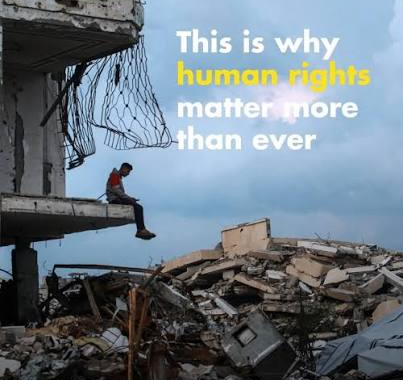
- War damage: Bombings destroy forests, farmland, and water systems. In Yemen, damaged infrastructure makes it hard to deliver aid or clean water.
Real Examples
- In Syria, drought and crop failures helped trigger the civil war. Over 1.5 million people left rural areas, moving to cities already under stress.
- In Sudan, desertification pushes herders into new areas, causing conflict. As the Sahara expands, migration and violence increase.
- In Ukraine, fighting has damaged natural reserves and polluted rivers. Landmines and chemicals threaten wildlife and water.
Non-obvious insight: Environmental damage from war can last decades, making recovery from both conflict and climate change much harder. For example, landmines can block farmland for generations, and forests may never recover from bombing.
Another overlooked point: Wars use vast amounts of fossil fuels for tanks, planes, and logistics, increasing emissions.
What These Numbers Mean For The Future
The trends are clear: if emissions stay high, the world will see more heat, flooding, and disasters. But the future is not fixed. Each number is a call to action.
What Individuals Can Do
- Reduce energy use: Switch to efficient lighting, insulate homes, and use less air conditioning. Even small changes add up—washing clothes in cold water or turning off unused devices helps.
- Choose sustainable transport: Walk, bike, or use public transport where possible. Carpooling and electric vehicles also reduce emissions.
- Eat less meat: Animal agriculture is a big source of emissions. Even one “meat-free” day a week helps.
- Support clean energy: Install solar panels, or choose green energy providers. Many utilities now offer renewable options.
- Educate others: Share reliable information from sites like Digital Madama. Correct myths and help others understand the real numbers.
Non-obvious insight: Collective action works. When many people make small changes, the effect is large—just as millions using plastic straws created real waste, millions switching to clean habits make a difference.
What Governments Must Do
- Invest in renewables: Wind, solar, and hydropower are key. Large-scale wind farms and rooftop solar can power entire cities.
- Protect nature: Safeguard forests, wetlands, and oceans. Nature absorbs carbon and provides flood protection.
- Adapt cities: Build flood defenses, cool roofs, and green spaces. Urban trees and parks lower city temperatures.
- Pass strong laws: Limit emissions, ban harmful products, and enforce rules. For example, banning single-use plastics or setting car emission limits.
- Help the vulnerable: Support poor communities facing the worst impacts. Disaster funds and insurance help families rebuild.
Non-obvious insight: Personal actions matter, but without strong government policies, the world cannot meet its climate targets. Policy changes can shift whole industries and create jobs in clean energy.
Comparing Regional Responses
How are different regions acting on climate change? Some move faster than others.
| Region | Key Actions | Progress |
|---|---|---|
| Europe | Carbon taxes, renewable energy, electric cars | Emissions falling, but not fast enough |
| North America | Clean energy investments, climate laws | Mixed results, some states lead |
| Asia | Big solar and wind projects, but still building coal plants | Emissions rising, but clean energy growing fast |
| Africa | Tree planting, climate adaptation plans | Low emissions, but high vulnerability |
| Oceania | Climate action plans, renewable energy | Australia slow, Pacific islands act out of necessity |
Examples:
- Europe: Norway plans to end sales of new gasoline cars by 2025. The EU has set a legal target for net-zero emissions by 2050.
- North America: California leads with strict car emission rules and solar power, but some states lag behind.
- Asia: China is the world’s top investor in wind and solar, but also builds new coal plants.
- Africa: Kenya gets over 80% of its electricity from renewables, but faces funding gaps for adaptation.
- Oceania: Fiji leads in climate adaptation, moving villages and building seawalls. Australia has pledged net-zero by 2050, but coal exports remain high.
Non-obvious insight: Fast movers can gain economic benefits. For example, Denmark’s wind industry now exports technology worldwide.
Action Steps For A Safer Future
The numbers tell a clear story: urgent action is needed at every level.
For Individuals
- Learn more: Use sources like Digital Madama to stay informed. Knowledge is power.
- Vote: Support leaders who take climate seriously. Policy shapes what is possible.
- Consume less: Buy only what you need, choose eco-friendly products. Reducing waste cuts emissions.
- Get involved: Join local groups or campaigns. Community efforts are powerful.
For Governments And Business
- Invest in innovation: Fund research in clean energy, batteries, and carbon capture. New technology can cut emissions and create jobs.
- Reform subsidies: End support for fossil fuels, help clean industries. Billions in fossil subsidies slow down progress.
- Set clear goals: Aim for net-zero emissions and track progress openly. Transparency builds trust.
- Support adaptation: Help communities build resilience to floods, heat, and storms. Early warning systems save lives.
For The World
- Cooperate: Climate change knows no borders. Global solutions are essential. International agreements like the Paris Accord are key.
- Finance: Rich countries must help poorer nations adapt and cut emissions. Just $100 billion per year would make a huge difference.
Non-obvious insight: Local actions add up. Cities and regions that move first can inspire others and show what works. The “race to zero” is already happening in many places.
Why Data And Stories Matter
Numbers help us understand the size of the problem. Stories help us care. At Digital Madama, we combine both—offering clear data and real-world examples. This helps you see not just what is happening, but why it matters and what you can do.
If you want to dig deeper, trusted sources like IPCC offer in-depth reports and data.

Frequently Asked Questions
What Is The Main Cause Of Climate Change?
The main cause is the increase of greenhouse gases like carbon dioxide, mainly from burning fossil fuels (coal, oil, gas), deforestation, and some farming practices. Methane from cattle and rice fields, and nitrous oxide from fertilizers, also play a role.
How Much Has The Earth Warmed So Far?
The planet’s average surface temperature has warmed by about 1.2°C (2.16°F) since the late 1800s. Some regions, like the Arctic and Europe, have warmed much faster.
Which Regions Are Most Affected By Sea-level Rise?
Pacific islands, parts of Bangladesh, and coastal cities like Jakarta and Miami are at highest risk due to their low elevation and large populations. In the US, Louisiana and Florida face big risks.
What Can I Do To Help Fight Climate Change?
You can reduce energy use, choose public transport, eat less meat, support clean energy, and share information from trusted sites like Digital Madama. Supporting local climate actions and voting for green policies also help.
Where Can I Find Reliable Climate Change Data?
Trusted sources include the IPCC, national weather agencies, and specialized sites like Digital Madama, which explains climate statistics and challenges in simple language.
Non-obvious insight: Local weather is not the same as climate. Cold winters do not “disprove” warming—climate change can cause wild swings in weather.
Climate change is measured in numbers, but it is lived by people. The choices we make today will shape these numbers—and our future.