Arms Conflicts Harm the Environment
The onset of war triggers a cascade of environmental degradation long before the first shot is fired, a phenomenon that is frequently underappreciated. The mobilization of military forces relies on an extensive array of resources that are critical for sustaining operations. For instance, mineral water is essential for keeping troops hydrated, while hydrocarbons power military vehicles, from tanks to trucks. Moreover, a host of essential minerals—such as lithium for batteries, rare-earth elements for advanced technology, and steel for weapon manufacturing—are crucial to the production of armaments, munitions, and other military materiel.
War leaves scars not only on people, but on the planet
In addition to the raw materials, the rigorous training that military personnel undergo to ensure preparedness is resource-intensive, placing heavy demands on limited fuel supplies and skilled labor. Supporting operational capabilities requires a diverse fleet of vehicles, aircraft, and sophisticated infrastructure, including bases, airfields, and logistics hubs. Each of these elements consumes significant amounts of energy, exacerbating the depletion of natural resources while contributing to the greater environmental footprint associated with military activities.
Conflict destroys ecosystems faster than they can recover
The military also requires vast expanses of land for bases and training operations. This need extends to land and sea for testing equipment and conducting exercises, resulting not only in the physical occupation of these spaces but also in significant ecological consequences. Such activities generate emissions that pollute the air, release harmful chemicals into the soil and water, and produce noise pollution that disrupts both human populations and wildlife. Landscapes can be disrupted, leading to habitat fragmentation and threatening terrestrial and marine ecosystems.
Explosions fade, but environmental damage lasts for decades
During warfare, the environmental impact becomes even more pronounced. Conflict often dismantles various climate-resilient systems, including solar panels, agricultural lands, and clean water sources. The devastation of infrastructure and buildings leads to large-scale releases of carbon and other greenhouse gases, amplifying the ecological crisis. The link between a damaged environment and the prolongation of conflict is particularly troubling; environmental degradation can contribute to instability and unrest, making regions more susceptible to future violence.
Weapons of war become toxins in our soil, air, and water
The pollution resulting from warfare—such as toxic waste and chemical remnants—often goes unnoticed in discussions about the humanitarian crises accompanying conflicts. The consequences extend beyond environmental damage, profoundly affecting human lives. An estimated million people worldwide are forced to flee their homes due to a combination of factors, including persecution, conflict, violence, and serious human rights abuses. This results in significant disruptions to public order and community cohesion.
Silent victims of war: forests, rivers, and wildlife
A history of weak environmental oversight has left many countries with severe environmental legacies linked to military pollution, negatively impacting public health and incurring substantial costs for environmental remediation. These issues are exacerbated as emerging pollutants like PFAS are identified. While much attention has focused on PFAS pollution from firefighting foams at military airfields, there is growing awareness that these substances are also present in many conventional munitions. Additionally, overseas military bases often face environmental challenges due to one-sided agreements with host nations that limit oversight.
Environmental destruction is an unseen cost of armed conflict
Moreover, high levels of military spending divert resources away from addressing environmental problems and hinder sustainable development. Increased international tensions, fueled by military expenditures, also reduce opportunities for global cooperation on pressing environmental threats, such as the climate crisis. It is crucial to consider how security policies and militarism are designed to ensure access to and control over natural resources like oil, gas, water, and metals.
When humans fight, nature suffers the consequences
The environmental impact of conflicts varies significantly. Some international armed conflicts may be brief but highly destructive, while some civil wars may last for decades yet be fought at low intensity. Many contemporary conflicts blur the lines, lasting for years with prolonged phases of high-intensity warfare. Factors such as who is fighting, where the fighting takes place, and the methods used all strongly influence the environmental consequences of a conflict.
Protecting the planet means preventing conflict
High-intensity conflicts require massive amounts of fuel, leading to significant CO2 emissions and contributing to climate change. This marks the first instance of calculating emissions tied to any conflict. Large-scale vehicle movements can cause extensive physical damage to sensitive landscapes and biodiversity, while the intensive use of explosive ordnance exacerbates this damage.
A greener future is impossible without peace
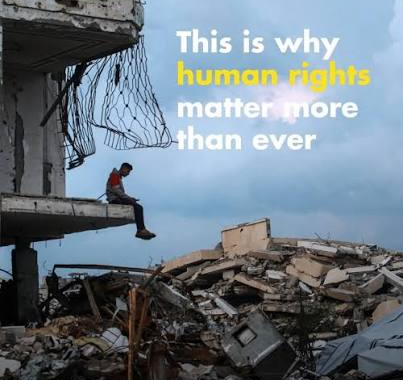
The use of explosive weapons in urban areas poses several environmental risks, including the generation of vast amounts of debris and rubble that can lead to air and soil pollution. Pollution may also arise from damage to light industry and environmentally sensitive infrastructure, such as water treatment plants. The loss of energy supplies can have further detrimental effects on the environment, leading to the shutdown of treatment plants or pumping systems and necessitating the use of more polluting fuels or domestic generators.
Conclusion
The intricate relationship between war and the environment reflects a cycle of destruction that requires urgent attention and intervention to mitigate its far-reaching effects on both nature and humanity.