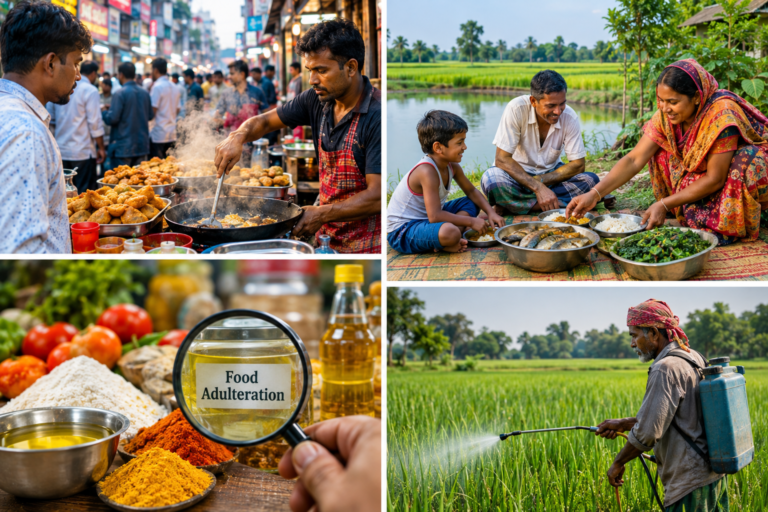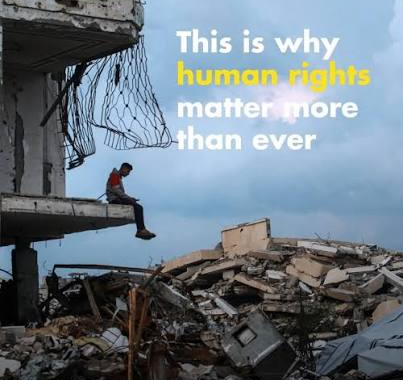
Every morning, as sunlight pours across city streets and rural villages, millions of people wake up facing a world that is far from fair. For some, human rights are invisible—a silent shield that protects them. For others, rights feel like distant dreams, denied by poverty, war, or discrimination.
These struggles are not just statistics or news headlines. They are personal stories, lived every day by real people. Human rights are not just laws or treaties—they are the heartbeats of hope, dignity, and justice.
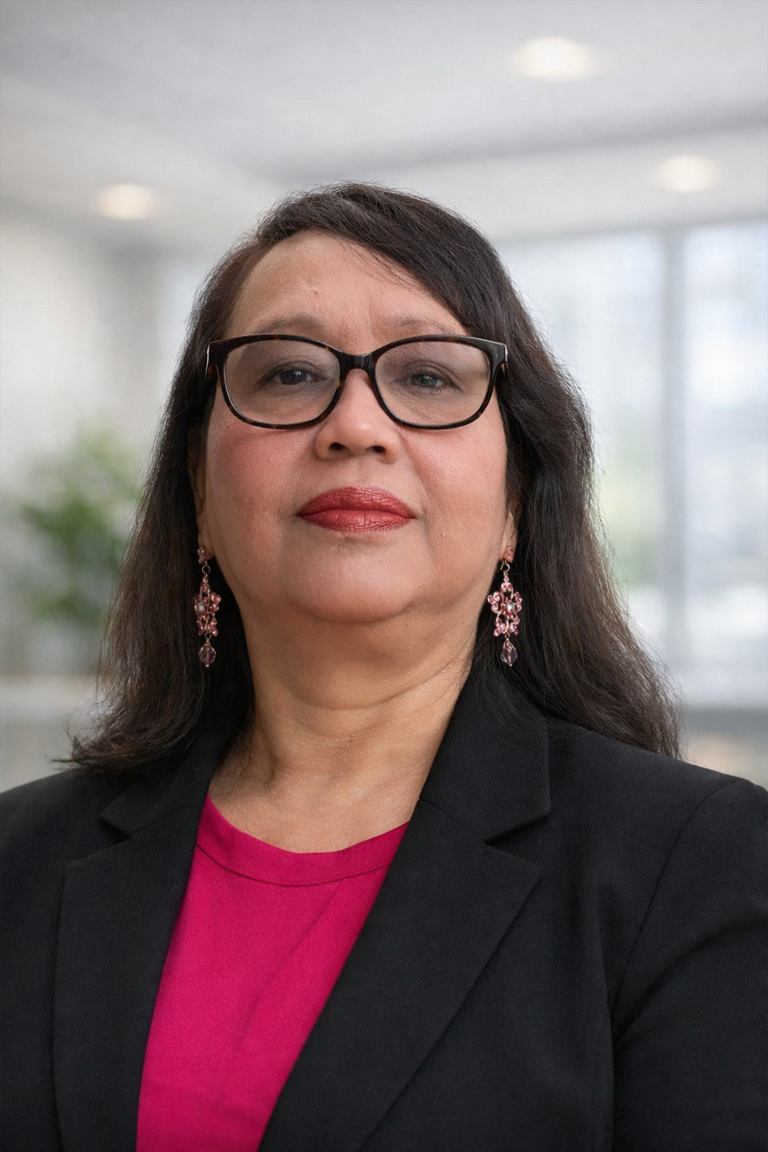
My name is Alice Nahar, also known as Digital Madama. I have lived in Australia since 1991, witnessing firsthand the struggles and triumphs of people from all walks of life. Today, I want to share a compassionate, deeply human look at the biggest human rights challenges facing our world.
This article is not just about facts—it is about people, emotions, and the urgent need for change. If you care about equality, freedom, justice, and the hope for a better future, read on.
The Meaning Of Human Rights
Human rights are basic freedoms and protections that belong to every person, everywhere, simply because they are human. They include the right to life, freedom of speech, equality before the law, and the right to education. These rights are not given by governments—they are universal and should be respected by all.
Think for a moment about what this means in everyday life. The right to life is not just about survival—it is about living with safety and dignity, without fear of violence or persecution. Freedom of speech is not just the ability to talk, but the right to share your beliefs, question authority, and take part in decisions that shape your life.
These rights also include the right to family, to work, to health, and to fair treatment in court. The Universal Declaration of Human Rights, adopted by the United Nations in 1948, sets out these principles. But turning words into reality is a daily struggle for many.
Yet, for many, these rights are violated daily. Think of a child forced to work instead of going to school. Or a woman denied the right to vote or make her own choices. Human rights are about more than politics—they are about the dignity of every person.
Real-life Example
In some countries, children as young as five are sent to work in dangerous jobs. In others, people are jailed for simply expressing their opinions. These are not distant problems—they affect our neighbors, friends, and even our own families.
Why Do Human Rights Get Violated?
Often, human rights violations happen because of power imbalances, lack of education, corruption, or deep-rooted prejudices. Sometimes, people in power ignore the suffering of minorities. At other times, cultural traditions or fear of change make it hard to protect vulnerable groups.
Understanding the meaning of human rights is the first step to defending them—for ourselves and for others.
Why Human Rights Matter
Human rights are the foundation of a fair society. They protect people from abuse, discrimination, and injustice. When rights are denied, it is not just individuals who suffer—it is families, communities, and nations. Human rights matter because they lift people out of poverty, help fight inequality, and create hope where there is darkness.
When rights are respected, children can grow up safe, women can live without fear, and people can speak freely. Human rights are the key to peace and progress.
Examples That Show Their Importance
Imagine a community where people can speak without fear—where journalists can report the truth, and no one is arrested for their beliefs. Such freedom encourages innovation, growth, and trust.
Or picture a school where every child, regardless of their background or gender, gets a quality education. That school can change the entire future of a family, a village, or even a country.
The Ripple Effect
When one person’s rights are protected, it creates a ripple effect that can uplift others. A woman who is able to work and earn an income can support her children and break the cycle of poverty. A child who receives a good education may grow up to become a leader who changes unjust laws.
Hidden Costs Of Violating Rights
There are also hidden costs when rights are ignored. Countries that discriminate or censor their people often see more violence, less investment, and slower progress. People lose trust in authorities, and divisions grow deeper.
The Biggest Human Rights Challenges Today
Across the world, millions face challenges that threaten their basic rights. Let’s explore the most urgent issues, with real stories, data, and powerful examples that show why these challenges matter.
Human rights challenges change over time, but some issues remain urgent and persistent. Poverty, discrimination, political oppression, and climate change are just a few. Each problem is connected to others—solving one often helps solve many.
Poverty And Economic Inequality
Poverty is more than a lack of money. It is a denial of basic human rights: food, shelter, education, and healthcare. According to the World Bank, over 700 million people live in extreme poverty, surviving on less than $2.15 a day.
But poverty does not always look the same. In some places, it means living in a crowded slum with no clean water. In others, it means parents skipping meals so their children can eat, or choosing between buying medicine and paying rent.
Imagine Fatima, a mother in Bangladesh, who wakes up at dawn to feed her children. There is never enough food, and she worries about their health. Poverty is not just numbers—it is daily hunger, fear, and the struggle for survival.
Economic inequality makes poverty worse. The richest 10% of people own more than half the world’s wealth, while billions struggle to survive. This gap creates deep injustice and blocks people from a fair chance in life.
How Poverty Violates Human Rights
- Right to food: Millions go hungry every day.
- Right to education: Poor children often leave school early to help their families.
- Right to health: Lack of money means no access to doctors or medicines.
- Right to housing: Many live in unsafe shelters or on the streets.
Data Comparison: Wealth Gap
| Group | Share of Global Wealth | Average Income |
|---|---|---|
| Richest 10% | 52% | $60,000+ |
| Middle 40% | 40% | $15,000–$60,000 |
| Poorest 50% | 8% | Less than $2,000 |
Emotional Impact
Poverty is not just a challenge—it is a crisis that steals hope and dignity. Children suffer from malnutrition, families cannot afford medicine, and dreams are lost. Yet, small acts of kindness and community support can bring hope, showing that change is possible.
Additional Insights
Many people think poverty is only about income, but it is also about access. Sometimes, services like schools or hospitals are far away or too expensive. In rural areas, lack of transportation can make even basic needs unreachable.
Also, poverty affects generations. A child born into poverty is less likely to go to school, get a good job, or escape hardship as an adult. This cycle repeats unless there is outside help.
Real-world Example
In rural India, a girl named Priya walks five kilometers every day to fetch water for her family. This journey takes hours and keeps her from going to school. She dreams of becoming a nurse, but without education, that dream may never come true.
Her story is shared by millions.
Solutions That Work
Some countries have lifted millions out of poverty through education, health care, and fair economic policies. For example, in Brazil, the Bolsa Família program gives families a small monthly income if their children attend school and get vaccinated. This simple idea has reduced poverty and improved health for millions.
Discrimination And Inequality
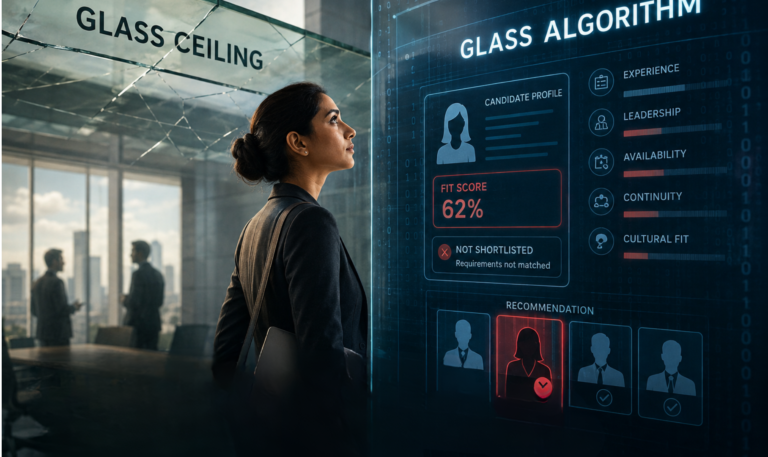
Discrimination denies people their rights because of their race, gender, religion, disability, or sexual orientation. It creates pain, injustice, and exclusion. This is not just history—it is happening now, every day.
Discrimination can be open or hidden. Sometimes, laws prevent certain groups from voting, owning land, or marrying who they choose. Other times, prejudice lives in the minds of people—in the workplace, at school, or even at home.
Race And Ethnicity
In many countries, people face racism that limits their opportunities. In the US, Black Americans are more likely to be arrested, face poverty, and die younger. In Australia, Indigenous people face high rates of imprisonment and poor health.
The effects of racism can be seen in education, jobs, health, and even life expectancy. For example, in Brazil, Afro-Brazilians earn less, have fewer years of schooling, and face more violence than other groups.
Gender Inequality
Women and girls are often denied rights. They face violence, are paid less, and have fewer chances for education. According to the United Nations, one in three women experiences violence in her lifetime.
Girls are often expected to help at home, marry early, or avoid certain jobs. In some countries, women cannot drive, own property, or make decisions about their own bodies. The result is lost potential and broken dreams.
Disability Discrimination
People with disabilities are often excluded from schools, jobs, and public life. They face barriers that block their freedom and dignity.
Many buildings, buses, and services are not accessible. Often, people with disabilities are seen as unable to contribute, even when they are skilled and ready to work. This isolation causes poverty, poor health, and low self-esteem.
Sexual Orientation And Gender Identity
LGBTQ+ people face discrimination, violence, and rejection. In over 70 countries, being gay is illegal. Many live in fear, unable to be themselves.
Even in places where laws have changed, social attitudes can be harsh. Many LGBTQ+ youth are bullied in school or rejected by their families, leading to high rates of depression and suicide.
Example: Malala Yousafzai
Malala was shot by the Taliban for wanting to go to school. Her story is not just about one girl—it is about millions of girls denied education because of gender. After recovering, Malala became a global advocate for girls’ education, showing that courage can change the world.
Comparison: Discrimination Types
| Type | Common Forms | Impact |
|---|---|---|
| Race | Police bias, employment barriers | Poverty, poor health, violence |
| Gender | Violence, pay gap, limited education | Fear, poverty, lack of freedom |
| Disability | No access, exclusion | Isolation, poverty, health risks |
| LGBTQ+ | Legal bans, violence | Fear, mental health issues |
Emotional Storytelling
Discrimination is not just a policy—it is pain lived by real people. Imagine a young girl denied education, or a boy bullied for being different. These stories show the urgent need for equality and respect.
More Insights
Discrimination often happens in subtle ways. For example, a job ad might say “must be able-bodied” or “native speakers only,” shutting out people with disabilities or migrants. Sometimes, people are denied loans, housing, or services because of their name, accent, or appearance.
Also, intersectionality matters. A woman who is Indigenous and has a disability may face more barriers than others. Solutions must look at the full picture, not just one part.
Freedom Of Expression And Privacy
The right to speak freely, share opinions, and access information is central to human dignity. In many places, these rights are under attack. Governments block websites, jail journalists, and punish people for speaking out.
In some countries, criticizing the government can lead to arrest, torture, or even death. In others, people fear losing their jobs or homes if they join protests or share their views online.
Censorship And Surveillance
In countries like China and Iran, internet censorship is severe. People cannot access news, social media, or express dissent. Surveillance cameras and software watch people, creating fear and mistrust.
Technology can be used to block websites, filter search results, or monitor phone calls. Sometimes, people do not even know they are being watched.
Journalism Under Threat
Journalists risk their lives to tell the truth. According to Reporters Without Borders, over 50 journalists were killed in 2023. Many more face threats, jail, or exile.
When journalists are silenced, corruption grows and injustice goes unchallenged. In some places, entire newspapers or TV channels are shut down.
Real-life Example
In Myanmar, after the 2021 coup, hundreds of journalists were arrested. Families worry every day if their loved ones will be safe. Some journalists go into hiding, while others flee the country. The loss of free media makes it hard for people to know what is really happening.
Non-obvious Insight
Many people assume freedom of expression is only about speaking. But it also includes the right to access information, share ideas, and connect with others. Losing these rights creates isolation and fear.
For example, during the COVID-19 pandemic, censorship of health information put lives at risk. People could not get accurate advice, leading to confusion and harm.
Solutions And Positive Steps
Some countries have “sunshine laws” that guarantee people the right to government information. International groups, like Amnesty International, support journalists and fight for press freedom. New technologies, such as encrypted messaging, help people communicate safely.

Political Oppression And Conflict
Millions live under governments that deny their rights. Political oppression takes many forms: unfair elections, repression, torture, and violence. Wars and conflicts make rights even harder to protect.
Authoritarianism
Countries like North Korea, Syria, and Belarus are ruled by leaders who block freedom, jail critics, and silence dissent. People live in fear, unable to speak or protest.
Sometimes, political parties use police or military force to stay in power. Elections may be rigged or fake. People who challenge authority are harassed, tortured, or killed.
War And Conflict
War destroys homes, schools, and lives. It forces people to flee, creating refugees who lose everything. According to the UN Refugee Agency, there are over 100 million displaced people worldwide.
War often leads to other abuses: child soldiers, sexual violence, and hunger. Civilians are sometimes targeted on purpose, as a way to spread fear.
Example: Syrian Refugees
Families escape bombs, walking for days to find safety. Many end up in camps, facing hunger, uncertainty, and trauma.
In Lebanon, Jordan, and Turkey, millions of Syrian refugees live in crowded settlements. Children grow up without school, and parents struggle to find work. The trauma of war lasts for years.
Table: Conflict And Displacement
| Country | Displaced People | Main Cause |
|---|---|---|
| Syria | 13 million | Civil war |
| Ukraine | 7 million | War, invasion |
| Afghanistan | 6 million | Conflict, instability |
| Venezuela | 5 million | Economic crisis, violence |
Emotional Impact
Political oppression is not just a policy—it is lived fear, loss, and broken trust. Yet, people often show courage, risking everything to fight for freedom.
Additional Insights
Political oppression often goes hand-in-hand with propaganda. Governments may spread false information to control what people believe. Over time, this can make it hard for people to trust anyone or find the truth.
Another insight: When people are denied peaceful ways to protest, they may turn to violence. This is why open societies, where people can speak and vote freely, are often more stable.
Climate Change And Environmental Justice
Climate change is not only an environmental issue—it is a human rights crisis. Rising temperatures, floods, and droughts threaten food, water, and shelter. Poor and vulnerable communities suffer the most.
Climate Justice
Climate justice means protecting people from harm caused by environmental changes. It demands fair solutions for those most affected.
For example, countries that have contributed least to climate change—like small island nations—often suffer the most. Their homes are at risk from rising seas, but they have little power in global decisions.
Example: Pacific Islands
Rising sea levels threaten entire nations. Families lose homes, traditions, and hope. Leaders call for global action, but solutions are slow.
In places like Tuvalu and Kiribati, people must decide whether to move or try to adapt. Some have already started building seawalls or planting trees to stop erosion.
Data: Climate Impact
- Over 1.2 billion people may be displaced by 2050 due to climate disasters.
- Africa and Asia face the highest risks.
Non-obvious Insight
Many forget that climate change also affects health, education, and jobs. Children miss school due to floods, farmers lose crops, and diseases spread.
For example, malaria and dengue fever spread as mosquitoes move into new regions. Droughts cause hunger, and storms destroy hospitals and clinics.
Emotional Storytelling
Imagine watching your village disappear under water. Climate change is not just science—it is heartbreak, loss, and the fight for survival.
Solutions And Hope
Communities are not just victims—they are also leading change. In Bangladesh, local groups build floating schools that can move with floodwaters. In Africa, women plant trees to restore land and create new sources of income.
Migrants, Refugees, And Stateless People
Migration is a human story—people moving to find safety, work, or hope. Yet, migrants and refugees often face harsh borders, detention, and abuse.
Some people migrate by choice, looking for jobs or education. Others are forced to run from war, persecution, or disaster. No matter the reason, migrants are human beings who deserve respect.
Refugees
Refugees flee war, persecution, or disaster. They lose homes, jobs, and often family members. Many face dangerous journeys and uncertain futures.
For example, refugees crossing the Mediterranean Sea risk drowning, hunger, or exploitation by smugglers. Even if they reach safety, they may live in camps for years, unable to work or study.
Stateless People
Stateless people have no citizenship. They cannot go to school, get medical care, or work legally. According to UNHCR, over 4.2 million people are stateless.
Statelessness can happen for many reasons—discrimination, changing borders, or lost documents. Without citizenship, people have no legal identity. They are invisible to the law.
Example: Rohingya Crisis
In Myanmar, the Rohingya face violence and denial of citizenship. Over 1 million live in refugee camps in Bangladesh.
These camps are crowded and basic. Children have little access to school, and families worry about food and safety. Many refugees have not seen their homes in years.
Table: Migrants And Refugees
| Group | Number | Main Challenge |
|---|---|---|
| Refugees | 30 million | Safety, shelter, food |
| Stateless | 4.2 million | No legal rights |
| Internally Displaced | 55 million | Loss of home, instability |
Emotional Impact
For many, migration is not a choice—it is a desperate escape. Children sleep in tents, parents worry about food, and families long for peace. Small acts of kindness can change lives.
Non-obvious Insight
People often think refugees want to leave their homes, but in reality, most hope to return one day. Also, many refugees bring skills, knowledge, and hope to new communities if they are given a chance.
Health, Access To Medicine, And Pandemic Challenges
Health is a basic human right. Yet, millions lack access to doctors, medicine, and clean water. The COVID-19 pandemic showed how deep these gaps are.
Access To Medicine
In Africa, over 50% of people lack access to essential medicines. Poor health care leads to preventable deaths.
Children die from diseases like malaria, diarrhea, or pneumonia—illnesses that could be cured with simple medicine or clean water.
Pandemic Inequality
COVID-19 hit poor and vulnerable people hardest. Rich countries got vaccines first, while many in poor nations waited months or years.
This “vaccine gap” meant that millions remained at risk while others returned to normal life. The pandemic also disrupted school, work, and health services everywhere.
Example: India’s Covid Crisis
Hospitals were overwhelmed, oxygen ran out, and families lost loved ones. The pandemic exposed deep inequalities.
Doctors worked night and day, but there were not enough beds or supplies. Many people turned to social media to ask for help.
Non-obvious Insight
Health is not just about treatment—it is about prevention, education, and dignity. Access to clean water, nutrition, and mental health care are often forgotten.
For example, during lockdowns, rates of anxiety and depression rose. Many people could not reach counselors or support groups.
Real-life Example
In rural Africa, community health workers bring medicine to remote villages by bicycle or on foot. These workers are often the only link to care for mothers, children, and the elderly.
Solutions
Investing in public health—vaccines, clean water, and education—saves lives and money. The World Health Organization works with countries to improve care, but more support is needed.

Violence, War Crimes, And Torture
Violence destroys lives and communities. War crimes, torture, and abuse happen in conflicts and prisons worldwide.
War Crimes
Leaders and soldiers sometimes target civilians, schools, and hospitals. These acts violate international law and basic human rights.
War crimes include killing non-combatants, using banned weapons, or forcing people to flee. The International Criminal Court investigates and prosecutes these crimes, but justice can be slow.
Torture
Torture is used to punish, silence, or control. Victims suffer trauma, fear, and long-lasting harm.
Torture can include physical pain, threats, or psychological abuse. Survivors often live with nightmares, anxiety, and distrust.
Example: Syrian Conflict
Reports show widespread torture and abuse in prisons. Survivors struggle to rebuild their lives.
Many are afraid to speak out, fearing more violence. But some join human rights groups, hoping to stop future abuses.
Emotional Storytelling
Violence is not just numbers—it is pain, loss, and broken families. Hope comes when survivors speak out, and justice is sought.
Non-obvious Insight
Not all violence is visible. Psychological torture, threats, and forced silence can harm as much as physical wounds. Healing takes time and support.
Child Rights And Exploitation
Children are among the most vulnerable. Millions face child labor, trafficking, abuse, and denial of education.
Child Labor
Over 160 million children work instead of going to school. They risk injury, illness, and lose childhood.
Child labor can be seen in factories, farms, markets, and homes. Some children work long hours with little or no pay.
Child Trafficking
Children are sold, forced to work, or abused. This crime destroys lives and futures.
Trafficked children may be forced into begging, sex work, or dangerous jobs. Many never see their families again.
Example: Child Labor In India
Young boys and girls work in factories, mines, and fields. Families are trapped in poverty, and children lose their dreams.
NGOs like Save the Children work to rescue and educate these children, but the problem is huge.
Non-obvious Insight
Protecting child rights means not only stopping abuse, but also giving children safe spaces, support, and hope.
For example, children who witness violence at home or in their community need counseling and care, not just rescue.
Solutions
Ending child labor requires fair wages for adults, quality schools, and community support. Laws help, but must be enforced.
Women’s Rights And Gender-based Violence
Women and girls face unique challenges. Gender-based violence, unequal pay, and denial of education affect millions.
Violence Against Women
One in three women worldwide experiences violence. This includes domestic abuse, rape, and harassment.
Violence often happens in the home, making it hard for victims to seek help. Cultural taboos and fear of shame can silence survivors.
Pay Gap
Women earn less than men for the same work. This limits freedom, security, and opportunities.
The pay gap is wider for women of color or those with disabilities. It means less money for food, health, and education.
Example: Metoo Movement
Women around the world shared stories of abuse and harassment. Their voices brought change, but much work remains.
Metoo Started In Hollywood But Spread Globally, Shining Light On Hidden Abuse In Many Countries.
Emotional Impact
Women’s rights are not just policies—they are about dignity, safety, and respect. Change happens when women are empowered and heard.
Non-obvious Insight
Empowering women helps everyone. When women can work, study, and lead, entire communities become healthier, safer, and more prosperous.
Digital Rights And Technology
Technology connects people, but also creates new risks. Digital rights include privacy, freedom online, and access to information.
Online Surveillance
Governments and companies track people’s activities. This threatens privacy and freedom.
Sometimes, surveillance is used to stop crime. But without rules, it can be abused—used to silence critics or monitor minorities.
Digital Divide
Millions lack internet access. This limits education, jobs, and social connection.
During the COVID-19 pandemic, children without internet fell behind in school. Adults missed job opportunities and health information.
Example: Activism Online
Social media helps people share stories, fight injustice, and build movements. But it also brings risks of abuse and misinformation.
Online harassment can silence voices, especially women and minorities. False news spreads quickly, confusing people.
Non-obvious Insight
Digital rights are not just about gadgets—they are about freedom, education, and equality in a connected world.
For example, access to the internet can help refugees find family, students attend online school, or farmers get weather updates.
Solutions
Groups like the Electronic Frontier Foundation fight for digital rights. Some countries offer free public Wi-Fi or teach digital literacy to all ages.
Human Rights Challenges In Australia
Living in Australia since 1991, I have seen both progress and struggles. Indigenous Australians still face high rates of imprisonment, poor health, and discrimination. Refugees and migrants sometimes face barriers to work, education, and acceptance.
Indigenous Rights
Aboriginal and Torres Strait Islander people fight for land, culture, and equality. The recent push for the Voice to Parliament showed both hope and challenge.
Indigenous communities have higher rates of unemployment, suicide, and chronic disease. Closing the gap requires respect, resources, and listening to Indigenous voices.
Migrant And Refugee Rights
Australia is home to many cultures, but migrants face racism, isolation, and uncertainty. Refugees wait years for visas or family reunification.
Some live in detention centers for long periods, leading to poor mental health. Others struggle with language, finding work, or belonging.
Personal Reflection
I have met people who overcame trauma, built new lives, and inspired others. Their resilience shows the power of hope and community.
If you want to know more about my journey, visit About Alice Nahar (Digital Madama).
Non-obvious Insight
Australia’s human rights challenges are not only about laws, but also about attitudes and daily interactions. Small acts of inclusion—like a welcome, a job offer, or a listening ear—can make a big difference.
Hope, Humanity, And Powerful Examples
Despite these challenges, there is hope. Across the world, people fight for rights, dignity, and justice. Activists, leaders, and ordinary citizens show courage every day.
Example: Nelson Mandela
Mandela spent 27 years in prison fighting apartheid. His struggle brought freedom and hope to millions.
Example: Greta Thunberg
A young girl led a global movement for climate justice, inspiring millions to demand change.
Local Heroes
In small villages, teachers help children learn. Doctors heal the sick. Neighbors help families facing hardship. Humanity is found in everyday acts of kindness.
Emotional Storytelling
Change starts with one person—a mother fighting for her child’s education, a youth standing up against injustice, a community rebuilding after disaster. These stories inspire us to act.
More Inspiring Stories
- In Pakistan, lawyer Asma Jahangir defended women’s and minority rights, often at great personal risk.
- In Colombia, former guerrilla fighters and victims of violence work together to build peace.
- In Kenya, Wangari Maathai started the Green Belt Movement, planting millions of trees and empowering women.
What You Can Do
Human rights are not only a global issue—they are personal. Everyone can help, in small or big ways.
- Learn: Understand the challenges and share stories.
- Speak out: Stand against discrimination and injustice.
- Support: Help organizations working for rights.
- Vote: Choose leaders who respect human rights.
- Act: Help neighbors, support refugees, and show kindness.
More Ways To Help
- Volunteer with a local group supporting migrants, women, or children.
- Write to your elected officials about issues that matter.
- Use social media to spread awareness, but always check facts.
- Donate to trusted organizations, even small amounts.
- Listen—sometimes, the greatest gift is to hear someone’s story.
Non-obvious Insight
Helping does not always require money or power. Sometimes, just showing respect, giving time, or including someone who feels left out can change a life.
Frequently Asked Questions
What Are Human Rights?
Human rights are basic freedoms and protections belonging to every person. They include the right to life, freedom of expression, equality, and education. These rights are universal and should be respected by all.
How Can I Help Protect Human Rights?
You can help by learning about issues, speaking out against injustice, supporting organizations, and treating others with respect. Small actions, like kindness and fairness, make a big difference.
Why Are Some Rights Denied In Certain Countries?
Some governments deny rights due to political control, discrimination, or conflict. Poverty, war, and inequality also play a role. Change happens through activism, education, and international pressure.
What Is Climate Justice?
Climate justice means protecting people from harm caused by environmental changes. It focuses on fair solutions for those most affected, like poor and vulnerable communities.
Where Can I Learn More Or Connect With Others On Human Rights?
You can join local groups, follow organizations like the United Nations, or connect online. For more inspiration, visit Facebook: Alice Nahar (Digital Madama).
Are Human Rights The Same Everywhere?
Human rights are universal, but their protection can look different in each country. Local culture, laws, and resources affect how rights are respected or denied.
What Is The Universal Declaration Of Human Rights?
It is a document adopted by the United Nations in 1948. It lists the basic rights and freedoms all people should have. You can read more at the [United Nations Human Rights Office](https://www.ohchr.org/en/universal-declaration-of-human-rights).
Final Thoughts
Human rights are not just words—they are the dreams, struggles, and hopes of real people. Every challenge is personal. Every change starts with compassion and courage. As we face the biggest human rights challenges today, remember that hope is stronger than fear, and humanity can build a better world.
Let us stand together for equality, freedom, justice, and climate justice. Let us listen, learn, and act. The world needs your voice, your heart, and your hope.