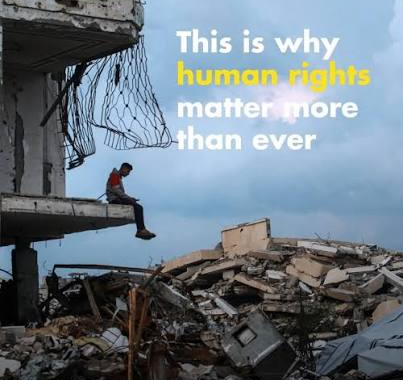
In the quiet corners of our digital lives, where a simple post can spark a movement or cause a storm, freedom of speech and human rights are no longer abstract ideas. They have become intensely personal, urgent, and deeply human. Each day, millions of voices rise across the world—some in hope, some in pain, and some simply yearning to be heard. But in the digital age, the power to speak and the right to dignity are constantly tested. The internet brings us closer, but it also exposes the raw edges of injustice, hate, and inequality. This is a journey through those struggles, triumphs, and the unbreakable will to seek justice and dignity for all.
Why Human Rights Still Matter In 2024
When I moved to Australia in 1991, I carried with me stories of courage, heartbreak, and hope from my homeland. Back then, the idea of global human rights felt distant, almost unreachable. Today, thanks to the internet, stories of injustice in one corner of the world can touch hearts thousands of miles away. A young woman’s plea for justice in Iran, an activist’s call for climate action in Brazil, or a child’s dream for education in Afghanistan—these are no longer invisible.
But as our voices travel farther, the risks grow too. Online hate, censorship, surveillance, and digital divides threaten the very rights we fight for. Freedom of speech is powerful, but it is fragile. Human rights are universal, but they are not always respected.
Even in countries where legal protections exist, enforcement is often weak. Laws can be ignored or twisted, and those with power may silence dissent. In 2024, the world is more connected than ever, but injustices are also more visible. Videos of police violence, stories of arbitrary arrests, and testimonies of refugees reach us instantly, forcing us to confront uncomfortable truths.
The digital age has changed the battleground for human dignity. Old struggles remain, but new challenges have arrived. To understand what is at stake, we must start with the basics: what are human rights, and why does freedom of speech matter more than ever?
The Meaning Of Human Rights In The Digital Age
At its heart, human rights are the basic freedoms and protections every person deserves—no matter their race, gender, religion, or where they live. These rights were born out of deep pain and hope after World War II, when the Universal Declaration of Human Rights (UDHR) was adopted by the United Nations in 1948.
Human rights include:
- The right to life and liberty
- Freedom from torture and slavery
- The right to work and education
- Freedom of thought, conscience, and religion
- The right to participate in government
But in the digital age, these rights take on new meanings. The right to privacy is not just about our homes; it’s about our data. Freedom of expression is not just about speaking in public squares; it’s about sharing opinions on social media. The right to information is not just about books; it’s about access to the internet.
The digital world blurs the lines of citizenship and geography. A blogger in Egypt can inspire protests in Hong Kong. A refugee in Greece can connect with family in Syria. These new connections bring both hope and complexity. Human rights now depend on our ability to access information, protect our data, and express ourselves without fear.
The Universal Declaration Of Human Rights—a Living Promise
The UDHR’s 30 articles are not just legal terms; they are promises to every child, woman, and man. They are a shield for the vulnerable and a light for the oppressed. But as technology transforms our world, these promises are being tested in ways never imagined by the drafters in 1948.
For example, Article 19 of the UDHR guarantees freedom of opinion and expression, including the right to seek, receive, and impart information through any media. In 1948, “any media” meant radio, newspapers, and letters. Today, it means blogs, tweets, encrypted messages, and viral videos.
The spirit of the law remains, but the tools have changed.
One insight many people miss: the UDHR is not legally binding, but it is a moral compass. Its articles have inspired laws and constitutions worldwide, but without constant vigilance and public pressure, these rights can fade into empty words. The challenge in 2024 is to turn these promises into living realities, adapting them for a world where technology is both a shield and a weapon.
Freedom Of Speech: The Heartbeat Of Human Dignity
The right to speak, question, and challenge is at the core of every free society. Freedom of speech is the right that lets us dream, protest, create art, and demand justice. Yet, it is also the right that most often brings people into conflict with power.
In the digital age, freedom of speech means:
- The ability to speak without fear of censorship or retribution
- The right to access information and share ideas
- The space to criticize leaders, laws, and social norms
- The right to protest and organize online
But with this power comes vulnerability. Today, governments and tech companies can silence voices with the click of a button. Hate speech, misinformation, and online abuse can drown out truth and silence the weak. The struggle for freedom of speech is not just about law—it is about courage, compassion, and solidarity.
We often imagine freedom of speech as a single right, but it actually includes many layers. It covers not only what we say, but how we say it, and even what we choose not to say. In some societies, silence is forced; in others, speaking is dangerous.
The digital world amplifies both possibilities.
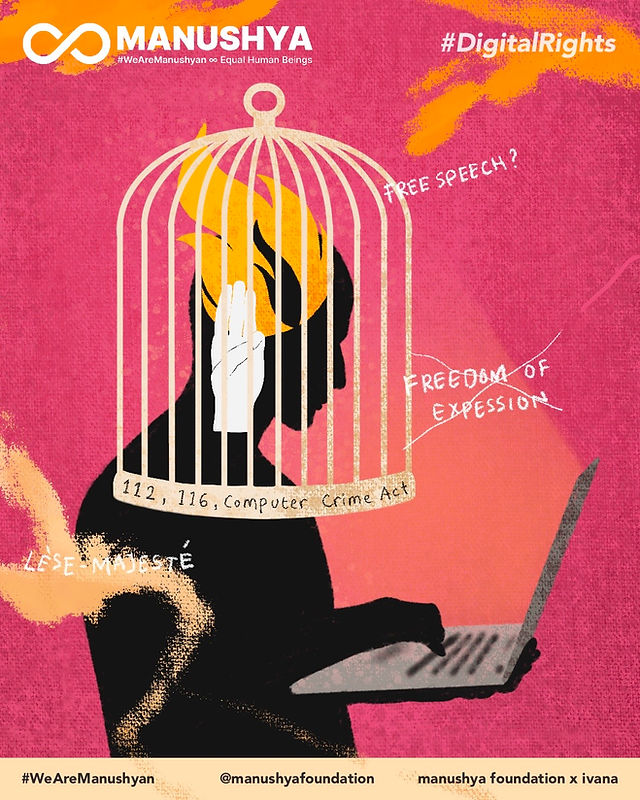
Some countries block websites or jail journalists for “spreading rumors. ” Others use vague laws to criminalize dissent. Meanwhile, social media companies may remove posts or suspend accounts when users violate guidelines, but these decisions are often inconsistent and lack transparency.
This uncertainty creates fear and confusion, making people self-censor even when their words are lawful.
Emotional Realities: When Speech Saves Lives
Think of the young activists in Myanmar, risking everything to livestream protests for democracy. Or the mothers in Nigeria using WhatsApp to document disappearances by armed groups. These are not just news stories. They are cries for life, dignity, and hope.
Speech can mean survival. In many countries, a single tweet can alert the world to a crisis, saving lives that would otherwise be lost in silence. For example, during the Arab Spring, social media helped coordinate protests and broadcast abuses, forcing governments to respond.
But the cost is high. In Belarus, protesters who posted videos of police violence faced torture and exile. In Iran, women who removed their hijabs on camera were arrested and threatened. The emotional toll is enormous—fear, trauma, and sometimes exile.
Yet, the courage to speak out inspires others, creating ripples of hope that can one day become waves of change.
A detail often overlooked: freedom of speech is not just about grand gestures. It is about everyday acts—writing a poem, sharing a photo, telling a joke, or comforting a friend. Each of these can be a form of resistance, a way to claim dignity in a world that often tries to take it away.
The Internet: A Double-edged Sword For Human Rights
The internet has given us powerful tools to fight for equality, expose injustice, and build communities across borders. Social media campaigns have toppled dictators, freed prisoners, and raised millions for disaster victims. But the same technology can also be used to spread hate, invade privacy, and fuel violence.
The internet is both a megaphone and a microscope. It amplifies voices and scrutinizes actions. For many, it is a lifeline—a way to connect with loved ones, access education, or find work. But for others, it becomes a trap, exposing them to harassment, scams, or surveillance.
How The Internet Empowers Human Rights
- Amplifying Marginalized Voices: The #MeToo and #BlackLivesMatter movements started online, giving survivors and activists a global stage. Without the internet, their voices would likely remain unheard. Online platforms allow people to share their stories directly, bypassing traditional media that might ignore or distort them.
- Real-Time Reporting: Citizen journalists in Syria and Ukraine have used smartphones to show the world what mainstream media cannot. Videos of bombings, police violence, or protests reach millions within minutes, making it harder for authorities to hide abuses.
- Digital Solidarity: Online petitions and fundraising save lives, support refugees, and hold leaders accountable. For example, after natural disasters, crowdfunding platforms can raise emergency funds in hours, reaching victims faster than traditional aid.
- Education and Awareness: Free online resources help millions learn about rights, health, and history. Digital campaigns teach people about consent, climate change, or voting rights, empowering them to take action.
Another layer that is easy to miss: the internet also helps people learn about their legal rights. In countries where laws are confusing or hidden, online guides, explainer videos, and peer-to-peer support networks help ordinary people navigate complex systems and demand fair treatment.
The Dark Side: Censorship, Surveillance, And Misinformation
But the internet is not always safe. Governments use censorship to block websites and arrest critics. Powerful groups spread misinformation to control minds and win elections. Companies track our every move, selling our data without consent.
Here’s a look at how the digital world both empowers and endangers human rights:
| Positive Impact | Negative Impact |
|---|---|
| Connects activists globally | Spreads hate speech and misinformation |
| Enables rapid mobilization | Facilitates mass surveillance |
| Empowers marginalized groups | Exposes users to cyberbullying and harassment |
| Promotes education on rights | Allows censorship by authorities |
An insight many miss: misinformation is not just about “fake news.” It can be used as a weapon to discredit activists, incite violence, or suppress voting. Deepfakes, edited videos, and manipulated images make it harder to know what is true, increasing confusion and fear.
Another hidden danger is “algorithmic amplification. ” Social media platforms use algorithms to decide what content users see. This can create echo chambers, where people only see opinions they already agree with, deepening divisions and making it harder to find common ground.
Human Rights Struggles: Stories From The Digital Trenches
Nothing brings the fight for human rights to life like real stories. In the digital age, these stories are everywhere—sometimes heartbreaking, sometimes inspiring, always deeply human.
The Courage Of Malala Yousafzai
In 2012, Malala Yousafzai, a young Pakistani girl, was shot for daring to blog about girls’ right to education. Her words, first shared online, inspired millions. Today, Malala is a global symbol of hope, showing that a single voice can change the world.
Malala’s story is not unique. Across the world, children and teenagers are using blogs, YouTube channels, and podcasts to share their dreams and fears. In Afghanistan, girls post secret videos about life under Taliban rule. In Venezuela, young people use WhatsApp to organize protests against hunger.
Their bravery reminds us that technology can be a tool for liberation, even in the darkest times.
Hong Kong’s Digital Protest Movement
During the 2019 protests, Hong Kong’s youth used encrypted messaging apps to organize and share live updates. Their struggle for democracy showed the power and danger of digital speech. Many were jailed or forced into silence, but their courage lit a fire for freedom worldwide.
Protesters used creative tactics to avoid surveillance, such as using AirDrop to share flyers, wearing masks to hide their identities, and switching between apps to confuse police. This digital savvy helped them stay one step ahead, but also made them targets for new forms of repression.
A detail that’s easy to overlook: the protest movement also sparked a wave of digital art, memes, and music. These creative expressions kept hope alive, even as the authorities cracked down. Art became a weapon, just as powerful as words or marches.
Voices From The Global South
In Uganda, LGBTQ+ activists risk arrest to share their stories online, seeking solidarity from allies abroad. In India, Dalit groups use Twitter to demand justice for caste-based violence. These stories rarely make headlines, but they change hearts and minds.
In Brazil, Indigenous leaders use Facebook Live to document illegal logging and land grabs. Their videos reach international audiences, putting pressure on companies and governments. In Egypt, women’s rights activists use Instagram to organize workshops and share survival tips.
A common thread: digital tools give power to those once considered voiceless. But they also bring new risks—hacking, doxing, and smear campaigns. The struggle is ongoing, but the digital trenches are full of unexpected heroes.
The Right To Privacy: Our Digital Shadows
In the digital world, our lives are recorded in ways we cannot always see or control. Every search, message, and photo leaves a trace. While the right to privacy is a pillar of human dignity, it is under threat like never before.
What Is The Right To Privacy?
The right to privacy means:
- Control over personal information
- Protection from unwarranted surveillance
- Freedom to communicate without fear
But today, governments and companies can collect and use our data without permission. This threatens not just our privacy, but our freedom to speak, organize, and live without fear.
For example, many people are unaware that their phones constantly share location data with app companies, advertisers, and sometimes even government agencies. Even a simple weather app can track your movements, creating a detailed map of your life.
Another hidden risk: data brokers. These companies buy and sell personal information, often without our knowledge. They create profiles that can be used for marketing, but also for discrimination or political manipulation.
Surveillance And The Chilling Effect
When people know they are being watched, they become afraid to speak freely. This “chilling effect” is real. In China, mass facial recognition tracks every movement. In the US and Europe, data leaks and hacks put millions at risk. The fear of exposure silences dissent and damages trust.
Even in places with strong privacy laws, people worry about what will happen to their data if it is stolen or misused. Victims of domestic violence, whistleblowers, and journalists are especially vulnerable. They need secure channels to communicate, but these tools are often blocked or monitored.
A non-obvious insight: privacy is not just about protecting secrets. It is about autonomy—the power to decide who knows what about your life. Losing privacy means losing control over your story, your choices, and sometimes your safety.
Data And Power: Who Controls Our Stories?
Control over data means control over people. Tech giants like Facebook and Google decide what stories we see and whose voices are heard. In some countries, governments demand access to private messages, using anti-terror laws as an excuse.
The fight for privacy is a fight for power, dignity, and freedom.
For example, in India, the government has used biometric data to track welfare recipients, but leaks have put millions at risk of identity theft. In Russia, new laws require tech companies to store data locally, making it easier for authorities to access private information.
These battles are not just technical—they are about who gets to write history and shape the future.
Censorship: The Silent Killer Of Free Speech
Censorship is not always loud. Sometimes, it is invisible—websites disappear, posts are deleted, or search results are quietly changed. Other times, it is brutal—journalists jailed, activists tortured, families torn apart.
Types Of Censorship In The Digital Age
- Government Censorship: Blocking news sites, banning social media, or arresting critics. In Turkey, thousands of websites are blocked, including Wikipedia for years. In Iran, the internet is routinely shut down during protests.
- Corporate Censorship: Removing content, suspending accounts, or shadowbanning users. For example, Facebook and Twitter often remove posts they consider hate speech or misinformation, but their processes are not always transparent.
- Social Censorship: Online mobs harassing and silencing others. Sometimes, coordinated campaigns target activists, journalists, or minorities, driving them offline through threats or harassment.
Censorship kills debate, hides the truth, and protects the powerful.
A subtle form of censorship is “self-censorship. ” People learn to avoid certain topics or phrases, fearing backlash or punishment. This is common in workplaces, schools, and even families. The internet can make this worse, as posts can be saved, shared, or used as evidence against someone years later.
The Cost Of Silence
In 2021, more than 293 journalists were imprisoned worldwide for doing their jobs. In countries like North Korea, Eritrea, and Saudi Arabia, the price of a single Facebook post can be death or lifelong imprisonment. Even in democracies, censorship is rising—often justified by “national security” or “fake news.”
A less obvious cost is cultural: when artists, writers, and thinkers are silenced, societies lose creativity, empathy, and progress. The fear of censorship makes it harder to explore new ideas or challenge injustice. Silence is not safety; it is a slow erasure of hope.
Digital Divide: The Inequality Of Access
The internet is a lifeline for human rights, but not everyone can reach it. This “digital divide” is a modern form of inequality, separating those with access from those left in the dark.
Who Is Left Behind?
- More than 2.7 billion people still have no internet access (ITU, 2022)
- Rural and poor communities are most affected
- Women and girls face unique barriers in many countries
Digital exclusion means missing out on education, healthcare, and economic opportunities. In some countries, internet access is expensive or slow. In others, it is restricted for political reasons. For people with disabilities, lack of accessible technology creates new barriers.
A non-obvious impact: without internet access, people cannot participate in democracy. They cannot read news, join debates, or vote online. In emergencies, they may not receive life-saving information.
Bridging The Gap: Hope And Action
Some governments and NGOs are working to bring the internet to all. Solar-powered Wi-Fi in remote villages, free data for students, and digital literacy programs are changing lives. But much more is needed.
For example, in Kenya, community networks use low-cost equipment to connect rural areas. In the Philippines, SMS-based education helps students with no internet learn from home. These creative solutions show what is possible, but require investment and political will.
The digital divide is not just about cables and devices—it is about power. Those who control access control opportunities. Closing the gap means fighting for justice, not just technology.

Social Media: The New Public Square
Social media platforms like Facebook, Twitter, and TikTok are where many people now experience freedom of speech. These platforms are both a megaphone for the voiceless and a battlefield for truth.
Social media has changed the way we talk, learn, and organize. It gives everyone the chance to speak, but not everyone is heard equally. Algorithms, language barriers, and network effects shape whose voices rise and whose are ignored.
The Power Of Hashtags
Hashtags like #JusticeForGeorgeFloyd, #EndSARS, and #SaveSheikhJarrah have mobilized millions, shining a light on injustice and uniting people across borders. These movements show the emotional power of digital speech.
Hashtags are more than trends—they are signals of solidarity and tools for coordination. For example, #MeToo connected survivors of sexual violence, creating a global conversation about consent and accountability. #ClimateStrike turned a single protest into a worldwide movement.
Another detail: hashtags can also be co-opted or hijacked. Opponents may flood a hashtag with spam or misinformation, trying to drown out real voices. Staying vigilant and creative is key to keeping digital movements alive.
The Risks Of Viral Hate
But social media also spreads hate, lies, and violence. Algorithms reward outrage, and mobs can target the vulnerable. In Myanmar, Facebook was used to incite genocide against the Rohingya minority. In the US, online hate has led to real-world violence.
The speed of social media means that rumors and lies can go viral before facts catch up. Harmful content is often more engaging than calm debate, leading platforms to amplify the worst voices. For victims, the consequences are severe—harassment, threats, or even physical attacks.
A common mistake: assuming social media is neutral. In reality, every platform has rules, priorities, and biases. Understanding how these systems work is essential for using them safely and effectively.
Who Controls The Conversation?
Social media companies have enormous power over what we see and say. Their rules are often secret and their decisions can be arbitrary. The suspension of accounts—sometimes for good reasons, sometimes not—can silence important voices.
Some platforms have “community guidelines,” but enforcement is inconsistent. Popular accounts may get special treatment, while ordinary users are banned for minor offenses. Appeals are slow and often ignored.
A deeper issue: many platforms are owned by a handful of companies. This concentration of power means a small group can shape global conversations. Transparency, accountability, and competition are needed to protect freedom of speech.
| Benefit | Danger |
|---|---|
| Mobilizes for justice | Enables harassment and bullying |
| Raises awareness globally | Spreads misinformation |
| Supports marginalized communities | Creates echo chambers |
Online Hate And Abuse: The Hidden Epidemic
For many, the internet is not a safe space. Women, LGBTQ+ people, minorities, and activists face daily threats and abuse. Online hate is a human rights crisis—one that scars bodies, minds, and communities.
Real-life Pain, Digital Weapons
A young woman in India receives hundreds of rape threats for speaking out about gender violence. A Syrian refugee in Germany is targeted by fake news, losing job offers and friends. These are not just “online problems”—they are real, and they hurt deeply.
Technology makes it easy for abusers to find and harass victims. Doxing (sharing private information), revenge porn, and coordinated attacks can ruin lives. In some countries, police refuse to help, claiming online abuse is not “real. ” But for victims, the pain is as real as any physical attack.
A non-obvious insight: online abuse often targets identity—gender, race, sexuality, or beliefs. This intersectional violence makes it harder to find support or justice.
The Toll On Mental Health
Studies show that victims of online abuse experience depression, anxiety, and trauma. In extreme cases, cyberbullying has led to suicide. The digital world can be cruel, but silence helps only the abusers.
Many people blame victims for “putting themselves out there,” but this is a mistake. Blaming victims shifts responsibility away from abusers and enables more harm. Support from friends, family, and communities is essential for healing.
A practical tip: if you or someone you know is targeted, keep records of abuse. Screenshots and messages may be needed for legal action or support. Never face abuse alone—reach out for help.
What Can We Do?
- Report and block abusive users
- Support victims with compassion and solidarity
- Demand stronger laws and accountability from tech companies
Communities can also set their own standards. Moderated forums, support groups, and “safe spaces” offer alternatives to toxic platforms. Education about consent, respect, and digital literacy is key to prevention.
The Promise And Peril Of Artificial Intelligence
Artificial Intelligence (AI) is changing everything—from how we find information to how governments track citizens. AI can protect rights, but it can also threaten them in new and dangerous ways.
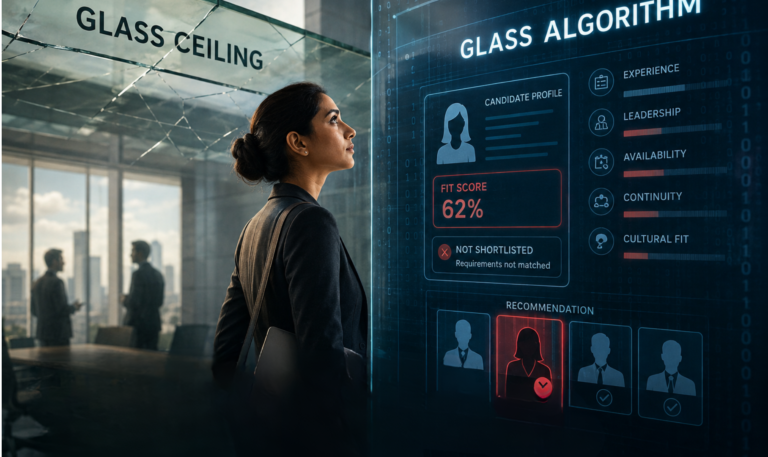
AI is now used to scan job applications, predict crime, and decide who gets loans or medical care. These systems promise efficiency and fairness, but often hide biases or errors.
When Ai Helps Human Rights
- Detecting hate speech and removing violent content. Platforms use AI to flag and delete abusive posts, making online spaces safer.
- Identifying human rights abuses in satellite images. AI can spot mass graves, destroyed villages, or illegal mining, helping investigators and journalists.
- Supporting refugees with translation and legal advice. AI-powered chatbots answer questions and connect people to services, breaking down language barriers.
AI can also help forecast disasters, match organ donors, or identify missing persons. When designed with care, it can save lives and protect rights.
When Ai Hurts Human Rights
- Facial recognition used for mass surveillance. In some countries, cameras track people at protests, airports, or even in schools, often without consent.
- Biased algorithms discriminating against minorities. If AI is trained on biased data, it can reinforce stereotypes—rejecting job applicants or targeting communities for police scrutiny.
- Automated censorship silencing free expression. AI can remove posts or block accounts without understanding context, harming innocent users.
Another risk: “black box” systems. Many AI decisions are hard to explain or challenge. This lack of transparency makes it difficult to appeal unfair outcomes or correct mistakes.
AI is not neutral. It reflects the values—and the biases—of those who design and control it.
Data Table: Ai And Human Rights
| Positive Uses | Risks and Harms |
|---|---|
| Detects illegal content | Enables mass surveillance |
| Assists in refugee support | Reinforces discrimination |
| Analyzes human rights abuses | Automates censorship |
A practical tip: whenever you use AI-powered services, ask about transparency and appeal options. If you are denied a service or punished by an algorithm, demand an explanation. Advocacy groups like Access Now and the Electronic Frontier Foundation (EFF) offer guidance and support.
Climate Justice: The Overlooked Human Right
Climate change is not just an environmental issue—it is a human rights emergency. Floods, fires, and droughts destroy homes, livelihoods, and dreams. The poor and marginalized suffer most.
The Right To A Healthy Environment
The right to a safe, clean, and healthy environment is now recognized by the United Nations as a fundamental human right. But oil spills, toxic air, and rising seas threaten millions—especially in the Global South.
Environmental damage often targets those with the least power. Indigenous communities lose land to mining; coastal villages disappear under water. Climate refugees flee hunger and disaster, often finding little support.
A less discussed issue: environmental defenders are at risk. In 2022, over 200 activists were killed for protecting forests, rivers, or wildlife. Their stories rarely make headlines, but their courage is vital.
Digital Activism For Climate Justice
Greta Thunberg’s “Fridays for Future” began with a tweet. Indigenous groups use social media to defend their lands. Online petitions push governments to act. The fight for climate justice is global, urgent, and deeply human.
Technology also helps monitor pollution, track illegal logging, or share climate data. Apps warn farmers about droughts, while crowdsourced mapping helps communities prepare for floods.
But climate disinformation is a growing threat. Powerful lobbies spread doubt, delay action, and attack activists. Staying informed and critical is essential for real progress.
The Power Of Hope
In the face of disaster, young activists, scientists, and ordinary people are rising. They show that the struggle for climate justice is also a struggle for equality, dignity, and life itself.
Hope is not naive—it is a strategy. By sharing stories, celebrating victories, and supporting each other, activists build resilience. Every tree planted, law changed, or community saved is a step toward justice.
Poverty, Inequality, And Digital Rights
Human rights are not just about laws; they are about daily survival. Poverty denies people food, health, and hope. In the digital age, it also means being locked out of education, jobs, and justice.
How Poverty Threatens Human Rights Online
- No money for phones or data means no voice. In many countries, mobile internet is expensive, and devices are out of reach for the poor.
- Low literacy makes it hard to recognize scams or abuse. People may fall victim to fraud, lose money, or share dangerous information.
- Poor communities are targeted for exploitation and surveillance. For example, payday loan apps may harvest data or charge unfair fees.
Poverty also limits time and energy for activism. When survival is at stake, fighting for rights online can seem like a luxury.
Bridging The Digital Poverty Gap
Some countries provide free internet in public spaces. Libraries teach digital literacy. NGOs give old laptops to students. These steps matter—but the fight is far from over.
In South Africa, “zero-rated” websites let students access education for free. In Bangladesh, women’s groups teach digital skills, opening doors to new jobs. These projects show that small changes can have big impacts.
Another insight: local solutions work best. Community networks, peer mentors, and culturally relevant content make technology more accessible.
The Emotional Cost Of Being Left Behind
Imagine a mother unable to help her child with online homework. A farmer who cannot check market prices. A refugee with no way to find lost family. Digital exclusion is a silent, daily pain.
The shame and frustration of being left out can deepen isolation. Building bridges—through training, donations, or advocacy—can change lives and restore dignity.
Justice And Accountability In The Digital Age
When human rights are violated, justice is often slow or denied. But digital tools can help:
- Crowdsourcing evidence of war crimes. Apps like eyeWitness to Atrocities help people document abuses safely.
- Sharing stories that force leaders to act. Viral videos or petitions can pressure governments, companies, or the UN.
- Using blockchain to secure land rights or aid. Transparent ledgers reduce corruption and protect vulnerable groups.
But technology cannot replace the need for fair laws, honest judges, and strong communities.
A hidden challenge: digital evidence can be faked or misused. Deepfakes and manipulated images can confuse courts or the public. Verifying truth is now a frontline in the fight for justice.
The Role Of Whistleblowers
Brave people like Edward Snowden and Chelsea Manning risked everything to expose abuse and lies. Their stories remind us that truth-telling is dangerous—but essential for justice.
Whistleblowers need protection—legal support, secure channels, and public backing. Without them, corruption and abuse flourish in the dark.
The Pain Of Impunity
Too often, abusers go unpunished. Victims are ignored or blamed. The struggle for justice is long, but every story shared, every truth revealed, brings us closer to change.
Celebrating small wins—an apology, a new law, a freed prisoner—keeps hope alive. Justice is not just a verdict; it is a process of healing and transformation.
Children And Digital Rights: New Frontlines
Children are growing up online—learning, playing, and forming identities. They are powerful agents of change, but also vulnerable to exploitation and harm.
Rights And Risks For Children
- Access to education and information. Online classes, games, and videos can inspire and teach.
- Protection from abuse, bullying, and exploitation. Predators and bullies use digital tools to target children.
- The right to privacy and digital dignity. Children’s data is often collected and shared without consent.
Many children lack the skills to protect themselves. Parents, teachers, and platforms must work together to create safe spaces.
A detail many miss: children are often more tech-savvy than adults, but less experienced in risk. Teaching empathy, critical thinking, and digital literacy is as important as installing filters or controls.
The Silent Scars
Online grooming, child sexual abuse material, and cyberbullying leave deep scars. Laws and tech solutions help, but kindness, listening, and community matter just as much.
Support groups, helplines, and school programs can make a difference. Encouraging open conversations reduces shame and secrecy.
Gender, Sexuality, And Freedom Online
Women, LGBTQ+ people, and gender minorities use the internet to connect, learn, and fight for equality. But they also face unique dangers—trolling, doxing, revenge porn, and more.
Digital Empowerment
Online platforms let women start businesses, tell their stories, and organize for rights. LGBTQ+ youth find support and solidarity they may lack offline.
Hashtags like #TransRightsAreHumanRights or #NiUnaMenos connect communities, raise awareness, and drive policy change. Online forums offer safe spaces to explore identity and find allies.
Digital Attacks
Women journalists and activists face coordinated harassment. LGBTQ+ people are outed or targeted by hate groups. The fight for digital dignity is ongoing and urgent.
Laws often lag behind new forms of abuse. Victims may have little recourse, especially in countries where gender or sexuality are criminalized.
A practical step: support survivors, call out abuse, and demand better protections. Solidarity and allyship are powerful tools for change.
The Struggle For Racial And Ethnic Justice
Racism did not disappear with the internet—it changed form. Online hate, surveillance, and algorithmic bias hurt minorities every day. But digital tools also help communities organize, resist, and heal.
From Ferguson To Palestine
In Ferguson, Missouri, Twitter exposed police violence. In Palestine, videos of injustice reach millions. These stories move the world, but also attract repression.
Digital storytelling—podcasts, blogs, art—preserves history and builds pride. Mutual aid networks share resources and support, often faster than official agencies.
Building Solidarity
Digital platforms connect movements for racial justice across borders. Mutual aid, learning, and hope flow in new ways.
A non-obvious insight: solidarity is not just about sharing hashtags. It means listening, learning, and taking action—donating, volunteering, or challenging injustice in your own community.
Disability Rights And Digital Inclusion
For people with disabilities, the internet can mean freedom—if websites and tools are accessible. Too often, they are not.
Barriers To Access
- Inaccessible websites and apps. Many sites lack alt text, captions, or easy navigation.
- Lack of captions, text-to-speech, or easy navigation. Videos without captions exclude the deaf; complex forms block the blind.
- High cost of assistive technology. Screen readers, adaptive keyboards, and other tools are expensive.
Accessibility is not a luxury—it is a right. Universal design benefits everyone, not just those with disabilities.
Fighting For Digital Inclusion
Laws like the Americans with Disabilities Act (ADA) help, but real change needs awareness, empathy, and design for all.
Organizations like the World Wide Web Consortium (W3C) publish guidelines, but adoption is slow. Advocates push for “nothing about us without us”—involving disabled people in all decisions.
A practical tip: if you build websites or apps, test them with real users from diverse backgrounds. Small changes can open doors for millions.
The Power Of International Law And Advocacy
Laws and treaties protect human rights, but only if enforced. The United Nations, NGOs, and local groups fight every day—but the struggle is hard.
International law creates standards and expectations, but national governments must turn principles into practice. Courts, commissions, and watchdogs play vital roles, but they need public support.
Key Treaties And Declarations
- Universal Declaration of Human Rights (UDHR)
- International Covenant on Civil and Political Rights (ICCPR)
- Convention on the Rights of the Child (CRC)
Each treaty addresses different rights—civil, political, social, economic, and cultural. Ratification is only the first step; implementation and monitoring are just as important.
A useful resource: the [United Nations Human Rights Office](https://www.ohchr.org/) offers updates, reports, and tools for learning and action.
The Role Of Human Rights Defenders
Lawyers, journalists, and everyday people risk their lives for others. Many are jailed or killed, but their courage lights the way.
Supporting defenders means more than sharing posts—it means writing letters, joining campaigns, or donating to legal funds. Every action counts.
Hope, Healing, And The Road Ahead
For every act of cruelty online, there are countless acts of kindness. Strangers help victims, activists win freedom, and communities rebuild trust. The internet is young, and so is our hope.
Digital tools can be used for good or harm. The choice is ours. By building inclusive, just, and compassionate spaces, we shape the future.
What You Can Do
- Speak up for justice, online and offline
- Support victims, not just bystanders
- Learn about your rights and help others do the same
- Hold leaders and companies accountable
A small act—a kind comment, a donation, or a vote—can change someone’s life. Change starts with us.
The Quiet Power Of Listening
Sometimes, the most radical act is to listen. When we honor each other’s pain and dreams, we build a future where rights are more than words—they are lived, every day.
Listening builds empathy. Empathy builds solidarity. Solidarity builds justice. This is the slow, steady work of hope.
Frequently Asked Questions
What Is The Connection Between Freedom Of Speech And Human Rights?
Freedom of speech is a core human right. It lets people express opinions, share ideas, and challenge injustice. Without free speech, other rights—like protest, religious belief, and fair trials—are at risk. In the digital age, protecting this freedom is essential for all other human rights.
How Does The Digital Divide Affect Human Rights?
The digital divide means not everyone can access the internet. This makes it harder for poor or rural communities to learn, find jobs, or speak out. Digital exclusion deepens poverty and limits access to justice, education, and healthcare.
Can Social Media Really Help Human Rights?
Yes, social media can mobilize support, expose abuse, and connect people fighting for justice. Hashtags and viral videos have sparked real change. But social media can also spread hate and lies, so it’s important to use it wisely.
What Are Common Threats To Privacy Online?
Common threats include data collection without consent, government surveillance, hacking, and corporate misuse of information. These can lead to censorship, blackmail, or discrimination.
How Can I Support Human Rights Online?
You can support rights by speaking up, sharing reliable information, supporting victims, and learning about digital security. Join campaigns, sign petitions, and help create safe, inclusive online spaces.
—
The digital age is a crossroads for human rights. Pain and hope, cruelty and compassion, all meet here. The road ahead is uncertain, but every voice, every act of courage, matters.
If you want to know more about my journey and why these issues are so close to my heart, visit About the Author. And if you believe in the power of solidarity, join the conversation on Facebook.
Together, we can build a world where freedom, dignity, and justice are not just dreams, but realities for all.