The Importance Of Human Rights Education For Future Generations
Every morning, as the sun touches the earth, millions of children wake up with dreams in their eyes. Some dream of becoming doctors, others hope to be artists, and some wish for nothing more than a safe home or a loving family. Yet, for many, these simple dreams are threatened by poverty, violence, discrimination, and injustice. At the heart of these struggles lies a powerful truth: human rights are not just words in a book. They are the foundation of dignity, freedom, and hope.
When I think about my own journey, growing up in Bangladesh and later moving to Australia, I remember how these rights were sometimes invisible, sometimes fiercely fought for, and always deeply personal. Human rights are not distant ideas—they shape our lives, our choices, and our futures. This is why human rights education matters so much, especially for future generations.
Human rights education is not just about learning facts or history. It’s about empowering young people to recognize their own worth and to stand up for others. It’s about teaching empathy, resilience, and courage. It’s about creating a world where every child’s dream can flourish, no matter where they are born.
Let’s explore why human rights education is vital for the next generation, how it can transform societies, and what we can do to make it a living reality for every child.
What Are Human Rights?
Human rights are the basic freedoms and protections that belong to every person. No matter who you are, where you live, or what you believe, these rights are yours. They include the right to life, equality, freedom of speech, access to education, and safety from harm. These rights are recognized by the Universal Declaration of Human Rights (UDHR), adopted by the United Nations in 1948.
But human rights are not just legal rules. They are promises to each other. They say: “You matter. Your life is precious. You deserve respect.” Without them, societies can become places of fear, violence, and oppression.
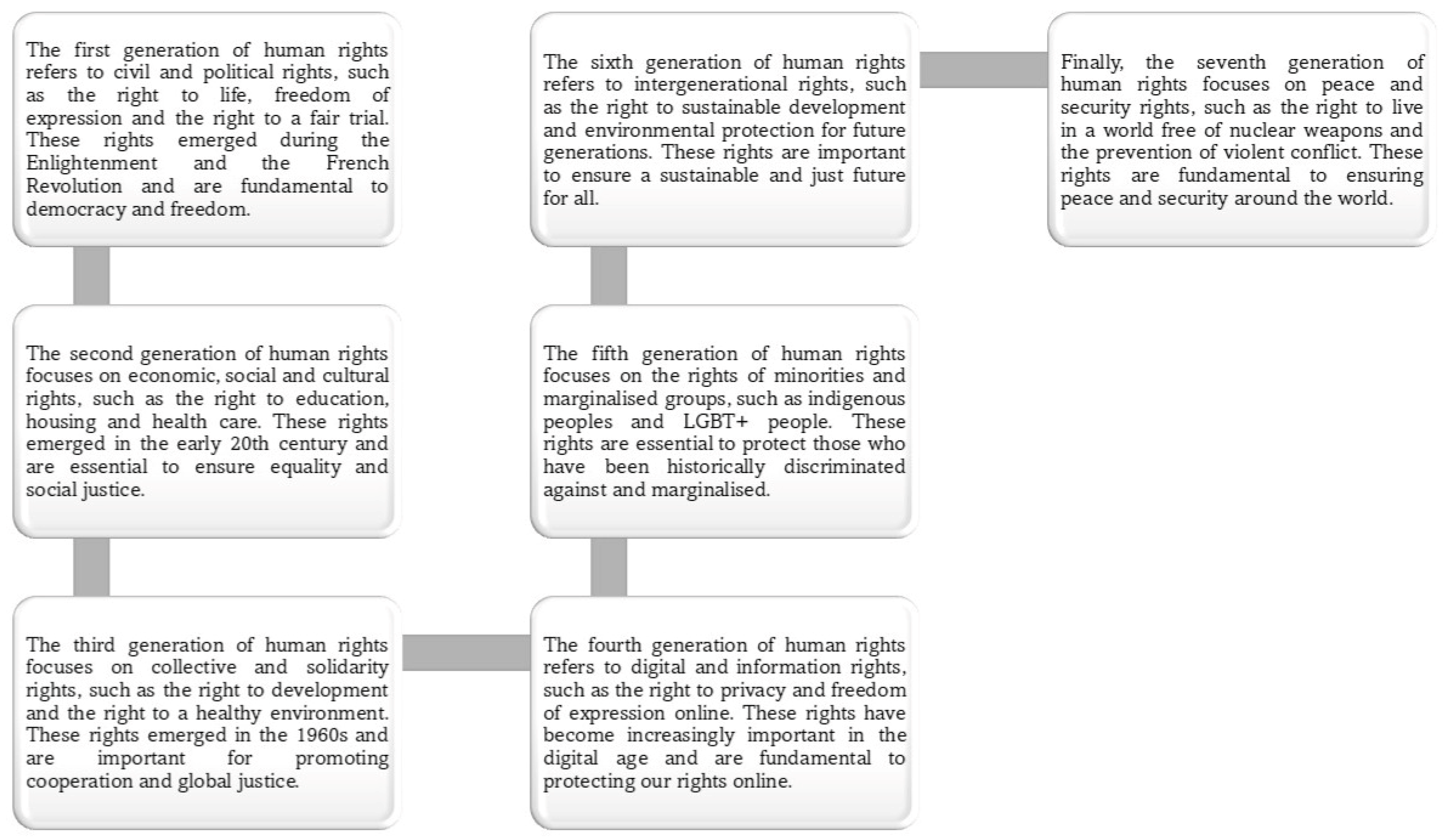
Human rights are not fixed in stone; they evolve as societies change. For example, the right to internet access is now being discussed as a new human right because the digital world shapes our lives more than ever. This shows that human rights are living ideas, growing with humanity.
The Universal Declaration Of Human Rights
The UDHR was created after World War II, when people saw the worst of humanity—genocide, war crimes, and deep suffering. Leaders from around the world came together to write a document that would protect every human being from such horrors. The UDHR lists 30 articles, including:
- Right to equality
- Freedom from discrimination
- Right to life, liberty, and security
- Freedom of thought, conscience, and religion
- Right to education
- Right to work and fair wages
These rights are not just for adults. They belong to children, teenagers, and every future generation.
It is important to remember that the UDHR inspired other documents, like the Convention on the Rights of the Child (CRC). The CRC spells out special rights for children, such as protection from child labor and the right to play.
This shows that human rights are specific to different groups, and education must reflect this diversity.
Why Do Human Rights Matter?
Imagine a world without human rights. People would be punished for their opinions. Children might be forced to work instead of learn. Girls could be denied education. Minorities might face violence. Without human rights, hope fades.
But with human rights, we have the power to dream, grow, and build a life of dignity. Human rights give us the freedom to speak, to love, to believe, and to belong.
For example, in countries where human rights are respected, people can express their opinions without fear. They can challenge leaders, form groups, and work together for change. This creates vibrant societies full of ideas and progress.
On the other hand, in places where rights are ignored, people often live in silence and fear. They hesitate to speak or try new things. This destroys innovation and hope. Human rights education helps people see this difference and understand why rights must be protected.
The Power Of Human Rights Education
Human rights education is more than teaching about laws. It’s about building understanding, empathy, and action. It helps young people see the world through the eyes of others. It inspires them to stand up against injustice.
Human rights education opens minds and hearts. It invites students to ask questions about fairness, justice, and their own place in the world. When children learn about rights, they discover that they are not powerless. They can shape their own futures.
Why Teach Human Rights?
When children learn about human rights, they become more aware of their own value. They learn that their voices matter. They also become more sensitive to the needs of others. Human rights education helps create responsible citizens, who are ready to shape a fairer world.
For example, a child who learns about the right to education will understand why every student should go to school. If that child sees another child being excluded, they are more likely to speak up or help. This simple action can change lives.
Human rights education also encourages critical thinking. Students learn to question unfair rules and find better solutions. They become creative problem-solvers, ready to face challenges.
One non-obvious insight is that human rights education strengthens emotional intelligence. Students learn to recognize their feelings and those of others. This helps them build healthy relationships and resolve conflicts peacefully.
Emotional Impact: Stories That Move Us
Let me share a story. In 2012, Malala Yousafzai, a Pakistani girl, was shot for speaking out about girls’ education. Her courage did not end there. After recovering, she spoke on global stages, inspiring millions. Malala’s story shows how knowing your rights can give you courage to fight for justice—even when the odds are against you.
Another example is Nelson Mandela. He spent 27 years in prison fighting against apartheid in South Africa. He believed in equality and dignity, even when he suffered. His struggle changed a nation, and his words continue to move hearts around the world.
Human rights education helps us see these stories not just as history, but as living lessons. It helps us feel empathy, hope, and determination.
Stories like Malala’s and Mandela’s show that knowledge is not enough. It is the emotional connection that drives people to act. Human rights education builds this connection, helping students turn knowledge into courage.
Why Future Generations Need Human Rights Education
Children are the future. Their minds are open. Their hearts are soft. Teaching them about human rights today helps them build a better tomorrow.
Young people are curious and energetic. They are not afraid to dream big or try new things. Human rights education gives them tools to use their energy for good.
Building A Culture Of Respect
When young people understand human rights, they learn to respect themselves and others. They learn that every person, no matter their background, has value. This creates schools, communities, and nations where kindness and understanding grow.
A culture of respect prevents conflicts and builds friendships. For example, in classrooms where human rights are taught, students are less likely to tease or exclude others. Teachers see more cooperation and less fighting.
Respect is also important in families. When children learn about human rights at school, they bring these values home. They treat siblings and parents with kindness, and help resolve family disagreements peacefully.
Protecting Against Discrimination
Discrimination destroys lives. It creates barriers and hatred. Human rights education helps children recognize prejudice and inequality. It gives them the tools to challenge unfair treatment—whether it’s in the classroom, workplace, or society.
For example, a student who knows about anti-discrimination laws can report bullying or unfair treatment. They can help classmates who are targeted because of their race, religion, or gender.
Human rights education also encourages students to learn about different cultures and traditions. This reduces fear and misunderstanding, replacing them with curiosity and respect.
A non-obvious insight is that human rights education helps students build resilience. When they face discrimination, they know that their rights are real and that help exists. This makes them stronger and less likely to give up.
Preparing For Global Challenges
Today’s world faces many challenges—climate change, poverty, migration, and conflict. Human rights education prepares young people to deal with these issues. It teaches them to think critically, act responsibly, and care deeply.
Students learn that problems are not just local—they affect people everywhere. This global perspective helps them become citizens of the world.
For example, students who learn about migration understand why people leave their homes. They are more likely to support refugees and help them settle.
Human rights education also teaches young people about technology and its impact. With the rise of social media, students learn to protect their privacy and use the internet responsibly.
Inspiring Action And Hope
Human rights education is not just about knowing. It’s about doing. It inspires young people to take action—organizing campaigns, volunteering, speaking out, and helping those in need. It gives hope that change is possible.
Action can be big or small. For example, students might organize a food drive for hungry families, or write letters to leaders about climate justice. These actions teach responsibility and build confidence.
Human rights education also inspires hope. It shows students that problems can be solved, and that every person can make a difference. This hope is powerful—it helps young people keep trying, even when things are hard.
How Human Rights Education Changes Lives
Education about human rights transforms individuals and societies. It builds bridges, heals wounds, and opens doors.
Human rights education is especially powerful for those who have suffered. It helps them understand their value and find a path forward.
Real-life Example: Refugees And Migrants
In Australia, where I have lived since 1991, I have seen how human rights education can help refugee children feel welcome. Many arrive after fleeing war and violence. They often feel lost and afraid. But when schools teach about human rights, these children find comfort and belonging.
They learn that their pain matters, their dreams matter, and they are not alone.
Teachers play a special role. They listen to stories, offer support, and show that everyone has rights. This helps refugee children heal from trauma and build new lives.
Human rights education also helps local students understand the struggles of migrants. They become allies, offering friendship and support. This creates schools where everyone feels safe and included.
Empowering Girls And Women
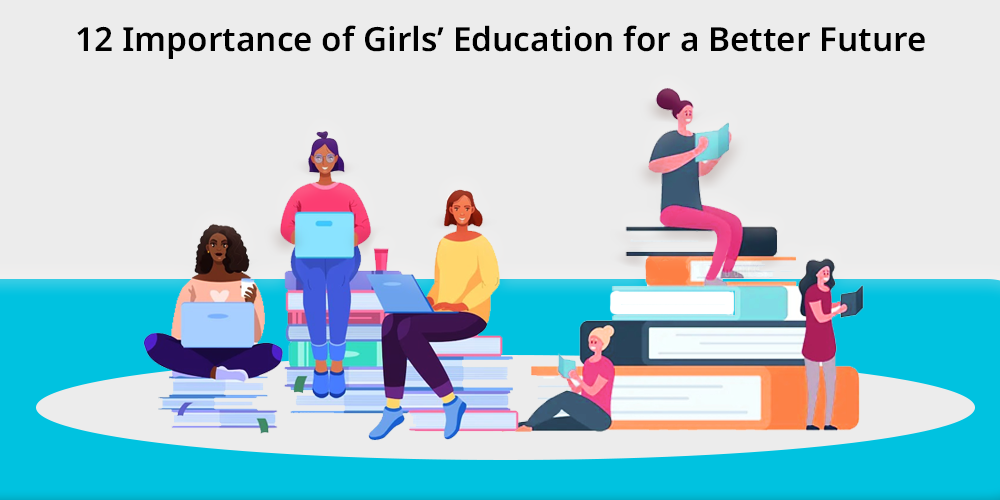
In many countries, girls are denied education or forced into early marriage. Human rights education helps break these cycles. It teaches girls about their rights. It empowers them to pursue their dreams and speak out against injustice.
For example, in Bangladesh, NGOs run programs to teach girls about their rights. Girls learn that they can say no to early marriage and yes to education. Many become leaders in their communities, encouraging other girls to study.
Human rights education also teaches boys to respect girls. This creates societies where men and women can work together for progress.
Supporting Minorities
Minorities often face discrimination and exclusion. Human rights education helps create understanding. It teaches respect for diversity—race, religion, gender, ability. It encourages inclusion and acceptance.
For example, in Finland, schools teach about the rights of the Sami people (Indigenous group). Students learn about their culture, history, and struggles. This reduces prejudice and builds respect.
Human rights education also helps students challenge stereotypes. They learn to see people as individuals, not just members of a group. This creates stronger communities.
Emotional Storytelling: The Journey Of Hope
Let’s walk with Amina, a young girl from Kenya. She lives in a village where girls rarely go to school. Her parents want her to marry young. But Amina learns about her rights from a local teacher. She discovers that she has the right to education and freedom. With courage, she convinces her parents to let her study. Years later, Amina becomes a teacher, helping other girls find their voice.
Amina’s journey is not unique. Across the world, human rights education gives children hope. It shows them that change is possible, even when the path is hard.
Stories like Amina’s reveal the ripple effect of human rights education. One child’s courage can inspire a whole village. Over time, more girls go to school, more families support education, and traditions change for the better.
Human rights education also helps students cope with difficult emotions. When they see injustice, they learn that it is okay to feel anger or sadness. They also learn how to use these feelings for positive action.
The Role Of Schools In Human Rights Education
Schools are where children spend much of their time. They are places of learning, growth, and friendship. Schools play a key role in teaching human rights.
Schools can be powerful engines of change. When teachers and staff believe in human rights, they create environments where every student can thrive.
Integrating Human Rights Into Curriculum
Schools can include human rights in subjects like history, literature, and social studies. Lessons can cover important documents, stories, and real-life examples. Teachers can encourage discussions about equality, justice, and empathy.
For example, in history classes, students can learn about civil rights movements. In literature, they can read stories about children overcoming barriers.
Human rights education can also be taught through science and math. For example, students can study the impact of pollution on health, or analyze statistics about poverty.
Integrating human rights into the curriculum makes lessons meaningful and relevant. Students see that rights are connected to every part of life.
Creating Safe And Inclusive Spaces
Schools must be safe places, where every child feels valued. Human rights education helps prevent bullying, discrimination, and violence. It teaches students to respect differences and solve conflicts peacefully.
Teachers can set clear rules about respect and inclusion. They can organize workshops on anti-bullying and conflict resolution.
Safe spaces are not just physical—they are emotional. Students must feel free to express themselves, ask questions, and seek help.
Non-obvious insight: When schools create safe spaces, students are more willing to try new things and take risks. This builds creativity and confidence.
Encouraging Participation
Human rights education is not just about listening. It’s about participating. Schools can organize debates, role-plays, art projects, and campaigns. These activities help students understand and practice their rights.
Participation teaches responsibility. For example, students who join a human rights club learn to plan events, speak in public, and solve problems.
Teachers can also invite guest speakers, such as activists or people with lived experience. This brings human rights education to life.
Practical tip: Participation should be inclusive. Students with disabilities or language barriers should be given support to join activities.
Human Rights Education And Social Issues
Human rights are connected to many social issues—poverty, climate justice, gender equality, and more. Education helps young people see these connections and take action.
Human rights education teaches students to look beyond their own lives. It shows them that their actions can help others.
Poverty And Inequality
Poverty takes away dignity. It limits access to food, healthcare, and education. Human rights education teaches students about economic rights. It encourages them to fight against poverty and support fair policies.
For example, students can learn about the right to housing. They can study how homelessness affects families, and discuss ways to help.
Human rights education also teaches students about the role of government and business in reducing poverty. They learn to advocate for fair policies and ethical practices.
Climate Justice
Climate change affects the poorest and most vulnerable. Human rights education helps students understand that protecting the environment is part of protecting people. It inspires them to care for the planet and speak out for climate justice.
Students can learn about the right to clean water and air. They can study how pollution hurts communities, and explore solutions like recycling and renewable energy.
Human rights education also teaches students about environmental activism. They learn how to organize campaigns, write letters, and join global movements.
Gender Equality
Many girls and women face discrimination. Human rights education promotes gender equality. It teaches boys and girls to value each other’s rights. It encourages respect and equal opportunities.
For example, students can discuss why women earn less than men in many jobs. They can explore ways to change this, such as supporting equal pay laws.
Human rights education also helps students challenge stereotypes. They learn that girls can be scientists, boys can be nurses, and everyone can follow their dreams.
Data And Statistics: The Impact Of Human Rights Education
Numbers can help us see how human rights education makes a difference. Here are some key statistics:
- According to UNESCO, more than 258 million children are out of school worldwide. Many miss out on learning about their rights.
- In countries where human rights education is strong, bullying rates are lower and student well-being is higher.
- UNICEF reports that children who learn about human rights are more likely to participate in community activities and stand up against injustice.
Let’s look at a comparison between countries with and without strong human rights education:
| Country | Human Rights Education | Bullying Rate (%) | School Attendance (%) |
|---|---|---|---|
| Finland | Strong | 8 | 98 |
| Nigeria | Weak | 32 | 64 |
| Australia | Moderate | 15 | 95 |
| Bangladesh | Limited | 27 | 72 |
Countries with strong human rights education show lower bullying rates and higher attendance. This demonstrates the positive impact on school environments.
Statistics also show that human rights education improves mental health. Students in supportive schools are less likely to suffer from depression or anxiety.
Another non-obvious insight: Human rights education helps close the achievement gap. Students from disadvantaged backgrounds do better when they feel respected and valued.
Human Rights Education Around The World
Different countries approach human rights education in unique ways. Let’s explore some examples:
Finland: Leading The Way
Finland is known for its excellent education system. Human rights are part of every subject. Students discuss equality, justice, and respect from an early age. Teachers use real-life stories and encourage critical thinking.
Finland also involves parents and communities in education. This makes lessons stronger and more relevant.
Australia: Embracing Diversity
Australia celebrates multiculturalism. Human rights education helps students respect diversity—Indigenous culture, migrant stories, and gender equality. Programs like Harmony Day promote inclusion.
Australian schools often invite speakers from different backgrounds. This helps students understand the richness of their society.
Bangladesh: Facing Challenges
In Bangladesh, human rights education is growing but faces challenges. Many children, especially girls, miss out on school. NGOs work hard to bring education to rural areas and teach about rights.
Bangladesh also struggles with child labor and early marriage. Human rights education helps communities understand why these practices are harmful, and how to change.
Kenya: Empowering Girls
Kenya has made progress in teaching girls about their rights. Community programs help girls stay in school and avoid early marriage. Teachers play a key role in changing attitudes.
Kenya also uses radio and mobile phones to reach remote villages. This shows that technology can support human rights education.
Challenges In Human Rights Education
While human rights education is powerful, it faces obstacles.
Lack Of Resources
Many schools lack books, trained teachers, or safe classrooms. Without resources, it is hard to teach about rights. Governments and NGOs must invest in education.
Lack of resources also affects quality. Teachers may not have time or support to teach human rights properly.
Cultural Resistance
In some societies, traditions conflict with human rights. Teaching about equality or freedom can be difficult. Change takes time and patience.
For example, in some places, girls are not allowed to speak in public. Human rights education must find ways to respect culture while promoting change.
Political Barriers
Some governments restrict human rights education, fearing it will challenge their power. Activists and educators must find creative ways to reach students.
Political barriers can also mean censorship or punishment for teachers who speak about rights.
Teacher Training
Teachers need support and training to teach human rights. Without proper guidance, lessons can be shallow or ineffective.
Training should include practical methods, emotional support, and ways to handle difficult topics.
Solutions: Making Human Rights Education Stronger
How can we overcome these challenges and make human rights education a reality for all?
Investing In Education
Governments must invest in schools, books, and teacher training. NGOs and communities can support programs and provide resources.
Investment should focus on quality, not just quantity. Schools must be safe, teachers must be skilled, and lessons must be meaningful.
Using Technology
Digital tools, online courses, and social media can reach students everywhere. Technology makes learning about human rights accessible and engaging.
For example, mobile apps can teach about rights in local languages. Videos and games can make lessons fun.
Technology also helps teachers connect and share ideas.
Community Involvement
Parents, leaders, and community members must support human rights education. When the whole community is involved, change is faster and deeper.
Community involvement can include workshops, events, and support for children who speak out.
Non-obvious insight: Community support helps protect teachers and students from backlash. When everyone believes in rights, it is harder for opponents to silence them.
Creative Teaching Methods
Teachers can use stories, art, music, and drama to teach about rights. Creative methods help students connect emotionally and remember lessons.
| Teaching Method | Emotional Engagement | Effectiveness |
|---|---|---|
| Storytelling | High | Very Effective |
| Role-play | Medium | Effective |
| Lectures | Low | Less Effective |
| Art Projects | High | Effective |
Storytelling and art projects are especially powerful. They help students feel the meaning of human rights, not just understand it.
Teachers can also use games and simulations to show how rights work in real life.
Human Rights Education For Climate Justice
Climate change is one of the biggest challenges of our time. It affects millions—especially the poorest. Human rights education helps young people see how climate justice is a human rights issue.
What Is Climate Justice?
Climate justice means protecting the rights of those affected by climate change—farmers, Indigenous peoples, children, and the poor. It calls for fair solutions that respect human dignity.
Climate justice also means holding polluters responsible and supporting communities to adapt.
Teaching Climate Justice
Human rights education teaches students:
- The right to a healthy environment
- The impact of climate change on vulnerable groups
- The importance of sustainable actions
Young people learn to advocate for policies that protect both people and the planet.
Students can also learn about the global impact of climate change. For example, rising sea levels threaten small islands, forcing people to move. Human rights education helps students understand why climate refugees need protection.
Real-life Example: Australia’s Bushfires
In 2020, Australia faced devastating bushfires. Communities lost homes, animals, and lives. Human rights education helped students understand the connection between climate, justice, and action. Schools organized tree-planting, fundraising, and awareness campaigns.
Students also learned about the importance of emergency preparedness and supporting affected families. These lessons help build resilience and hope.
Human Rights Education And Poverty
Poverty is a violation of human rights. It denies people food, shelter, education, and health. Human rights education teaches students about economic justice.
Understanding Poverty
Students learn about:
- The right to adequate living standards
- The causes of poverty—inequality, conflict, discrimination
- Ways to fight poverty—advocacy, volunteering, policy change
Human rights education also helps students see the link between poverty and other issues, like health and education.
Supporting Those In Need
Human rights education encourages empathy. Students organize food drives, raise funds, and speak out for fair wages and support.
Schools can partner with local charities to help families in need. Students learn that small actions make a big difference.
Human Rights Education And Social Justice
Social justice is the idea that everyone deserves equal rights and opportunities. Human rights education supports social justice.
Promoting Equality
Students learn about:
- The importance of equal treatment
- The dangers of racism, sexism, and other forms of discrimination
- How to build inclusive communities
Human rights education helps students challenge unfair rules and create new solutions.
Taking Action
Human rights education inspires action:
- Volunteering for social causes
- Speaking out against injustice
- Creating campaigns for change
Students can also use technology to organize online petitions and spread awareness.
Human Rights Education And Technology
In today’s world, technology shapes how we learn. Human rights education uses digital tools to reach more students.
Online Courses
Many organizations offer online courses about human rights. These are accessible to students everywhere.
Online courses can include videos, quizzes, and interactive discussions. They help students learn at their own pace.
Social Media
Social media platforms spread awareness. Young people use hashtags, videos, and stories to share their experiences and fight for justice.
For example, campaigns like #MeToo or #BlackLivesMatter have reached millions worldwide. Human rights education teaches students how to use social media responsibly.
Virtual Reality
Virtual reality can help students experience what it’s like to be a refugee, a victim of discrimination, or an activist. It builds empathy and understanding.
VR lessons can include simulations of real-world events. Students learn to see the world from different perspectives.
Non-obvious Insights: Hidden Powers Of Human Rights Education
Some benefits of human rights education are not always obvious.
Healing Trauma
Human rights education helps children heal from trauma. When they learn that their suffering is recognized and their rights matter, they feel hope and strength.
For example, children who have experienced violence or loss often feel powerless. Human rights education shows them that they are valued and that help exists.
Creating Leaders
Human rights education builds leaders, not just followers. It teaches young people to think independently, make decisions, and inspire others.
Leadership is not just about speaking loudly. It is about listening, understanding, and acting with compassion.
Preventing Future Conflicts
By teaching respect and understanding, human rights education helps prevent conflicts. It builds peaceful societies.
Students learn to solve problems without violence. They practice negotiation and compromise.
Emotional Story: The Struggle For Equality
Let’s remember Rosa Parks, an African-American woman in the US. In 1955, she refused to give up her seat on a bus to a white passenger. Her simple act sparked a movement for civil rights. Rosa’s courage was rooted in knowing her rights.
Human rights education helps us see that even small actions can change history. It gives every person the tools to make a difference.
Rosa Parks’ story also shows that courage is contagious. When one person stands up, others follow. Human rights education helps students find their own courage.
Human Rights Education And Mental Health
Human rights education also affects mental health. When children know their rights, they feel safer and more confident. They are less likely to suffer from anxiety, depression, or isolation.
Creating Supportive Environments
Schools that teach human rights create supportive environments. Students learn to help each other, listen, and solve problems together.
Supportive environments reduce stress and build happiness. Students feel that they belong.
Reducing Bullying
Human rights education reduces bullying. Students learn to respect differences and stand up for those who are mistreated.
Teachers can use human rights lessons to teach conflict resolution and empathy.
Human Rights Education And Migration
Migration is a global issue. Many people leave their homes because of war, poverty, or persecution. Human rights education helps students understand the struggles of migrants.
Building Empathy
By learning about migration, students become more compassionate. They welcome new classmates and support families in need.
Empathy helps students build friendships and create inclusive communities.
Fighting Stereotypes
Human rights education challenges stereotypes. It shows that migrants are not threats, but people seeking safety and opportunity.
Students can learn about the contributions of migrants to society. This builds respect and understanding.
Human Rights Education And Disability
Children with disabilities often face barriers. Human rights education teaches students about inclusion and accessibility.
Valuing Diversity
Students learn that every person has unique strengths. They understand the importance of making schools, workplaces, and communities accessible to all.
Human rights education also teaches students about the rights of people with disabilities.
Taking Practical Steps
Human rights education encourages practical actions:
- Making classrooms accessible
- Using inclusive language
- Supporting friends with disabilities
Teachers can organize awareness events and adapt lessons for all students.
The Role Of Families In Human Rights Education
Families are the first teachers. Parents and caregivers can teach children about respect, fairness, and empathy.
Talking About Rights
Families can talk about rights during daily activities. They can share stories, discuss challenges, and encourage children to stand up for themselves and others.
For example, parents can discuss fairness during games or meals.
Modeling Values
Parents who respect others set a strong example. Children learn from watching how adults treat people.
Families can also support children who speak out or face challenges.
Human Rights Education And Peacebuilding
Peace is not just the absence of war. It’s the presence of justice and respect. Human rights education is key to building peace.
Teaching Conflict Resolution
Students learn to solve problems peacefully. They practice listening, negotiation, and forgiveness.
Conflict resolution skills help students in school, family, and community life.
Building Bridges
Human rights education helps build bridges between groups—religions, cultures, nations. It creates understanding and harmony.
Teachers can organize exchange programs and joint projects.
Human Rights Education And The Future Of Work
Workplaces are changing. Young people will face new challenges—automation, gig jobs, global competition. Human rights education prepares them for the future.
Knowing Your Rights At Work
Students learn about fair wages, safety, and equality. They become aware of labor rights and how to advocate for themselves.
Human rights education also teaches about workplace discrimination.
Promoting Ethical Practices
Human rights education encourages ethical business. Future workers and leaders learn to value dignity and fairness.
Students learn about corporate social responsibility and fair trade.
Human Rights Education And Democracy
Democracy depends on informed citizens. Human rights education supports democracy.
Encouraging Participation
Students learn to vote, speak out, and engage in community decisions. They understand their role in shaping society.
Participation builds strong democracies.
Protecting Freedoms
Human rights education teaches the importance of freedom—speech, assembly, belief. It helps students protect these values.
Students learn about the history and importance of democratic rights.
Human Rights Education And Digital Safety
The internet is a powerful tool. But it can also be dangerous. Human rights education teaches digital safety.
Protecting Privacy
Students learn about their right to privacy. They understand how to protect their information online.
Human rights education teaches about safe passwords, sharing, and consent.
Fighting Cyberbullying
Human rights education helps prevent cyberbullying. Students learn to respect others online and report abuse.
Teachers can organize digital safety workshops.
The Role Of Ngos And International Organizations
Many organizations work to promote human rights education.
Unesco
UNESCO supports human rights education worldwide. It provides resources, training, and support for teachers.
Unicef
UNICEF focuses on children’s rights. It works with schools and communities to make education accessible.
Amnesty International
Amnesty International fights for justice and human rights. It offers educational materials and campaigns.
Local Ngos
Local organizations often lead the way. They know the needs of their communities and create programs that work.
NGOs also help protect teachers and students who face risks.
Human Rights Education And The Arts
Art is a powerful way to teach human rights. Music, painting, theater, and literature can touch hearts and inspire action.
Expressing Emotions
Art helps students express emotions—pain, hope, joy. It makes human rights real and personal.
Students can create posters, songs, or plays about rights.
Creating Awareness
Art projects can raise awareness in communities. Murals, plays, and songs reach people who might not read books.
Schools can organize art exhibitions and performances.
Human Rights Education And Sports
Sports bring people together. They teach teamwork, respect, and fair play.
Promoting Inclusion
Human rights education through sports helps include everyone—girls, minorities, people with disabilities.
Sports can be adapted for all abilities.
Fighting Discrimination
Sports can challenge discrimination. They show that talent and effort matter more than background.
Teachers can organize mixed teams and celebrate diversity.
Human Rights Education And Faith
Faith and religion shape values. Human rights education can connect with faith traditions.
Teaching Compassion
Many religions teach compassion and justice. Human rights education builds on these values.
Teachers can use religious stories to teach about rights.
Creating Dialogue
Human rights education encourages dialogue between faiths. It helps students respect differences and find common ground.
Interfaith events can build understanding.
The Role Of Media In Human Rights Education
Media shapes opinions. It can spread awareness or reinforce stereotypes.
Positive Media
Human rights education encourages positive media—stories of hope, courage, and justice.
Students can learn to create their own media.
Fighting Fake News
Students learn to recognize fake news and challenge harmful narratives.
Critical thinking skills help students question what they see and hear.
Human Rights Education For Teachers
Teachers need support and training to teach human rights effectively.
Professional Development
Schools should offer workshops and courses on human rights education.
Training helps teachers handle sensitive topics.
Sharing Best Practices
Teachers can share methods and stories with each other. Collaboration makes education stronger.
Online forums and networks help teachers connect.
Human Rights Education For Policymakers
Policymakers shape laws and policies. Human rights education helps them make fair decisions.
Understanding Impacts
Policymakers learn how laws affect real people. Human rights education encourages empathy and justice.
Workshops and seminars can improve policymaking.
Creating Fair Policies
Education helps policymakers create policies that protect rights and promote equality.
Policies should be reviewed regularly for fairness.
Measuring The Success Of Human Rights Education
How Do We Know If Human Rights Education Is Working?
Surveys And Data
Schools and organizations can use surveys to measure attitudes, behavior, and knowledge.
Surveys should be anonymous and simple.
Real-life Outcomes
Success is seen in:
- Lower bullying rates
- Higher school attendance
- More participation in community activities
- Stronger sense of belonging
| Outcome | Before Human Rights Education | After Human Rights Education |
|---|---|---|
| Bullying Incidents per 100 students | 12 | 5 |
| Community Participation (%) | 23 | 47 |
| Sense of Belonging (%) | 61 | 83 |
Education makes a clear difference. Students feel safer, more connected, and more active.
Human Rights Education And The Digital Madama
As someone who has lived in Australia since 1991 and seen many faces of humanity, I believe in the power of human rights education. My journey has been full of hope, struggle, and learning. If you want to know more about my story and work, visit Digital Madama.
Building A Movement: Human Rights Education For All
Human rights education is not just for schools. It’s for everyone. We must build a movement:
- Parents teaching children at home
- Teachers sharing stories in classrooms
- Communities organizing campaigns
- Governments making fair policies
Every person can play a role.
The movement for human rights education is global, but it must start locally. If you see injustice in your community, speak up. If you have a chance to teach, teach. If you have a story, share it.
Over time, this movement grows. More children learn, more families change, and more societies become fair.
Real-life Hope: The Story Of Change
Let’s end with a story of hope. Fatima, a teenager from Syria, lost her home to war. She moved to Australia with her family. At first, she felt alone and afraid. But her school taught human rights. Fatima learned that her story mattered. She joined a youth group, spoke at events, and helped other refugees. Today, Fatima dreams of becoming a lawyer, fighting for justice.
Stories like Fatima’s show that human rights education is not just about knowledge. It’s about healing, hope, and action.
Fatima’s journey also shows that human rights education is a seed. It takes time to grow, but it can change lives and communities.
Frequently Asked Questions
What Is Human Rights Education?
Human rights education teaches people about their basic rights and freedoms. It helps them understand equality, justice, and respect. It also encourages action against injustice.
Why Is Human Rights Education Important For Children?
Children learn to value themselves and others. They become aware of their rights and learn to stand up against bullying, discrimination, and unfair treatment. It prepares them to be responsible citizens.
How Can Schools Teach Human Rights?
Schools can include human rights in subjects like history and social studies. They can use stories, debates, art projects, and campaigns. Teachers should create safe, inclusive spaces.
What Are The Challenges In Human Rights Education?
Challenges include lack of resources, cultural resistance, political barriers, and limited teacher training. Solutions include investment, community support, and creative methods.
Where Can I Find More Resources About Human Rights Education?
You can visit sites like Facebook for groups and discussions. UNESCO, UNICEF, and Amnesty International also offer resources.
Human rights education is the heartbeat of a fairer world. It is the promise that every child—no matter where they are born—can grow, dream, and belong. Let’s make this promise real for future generations.