Introduction
Australia is a dry and extremely fire-prone country in the world. It is a big country with a small population, and it has a vast area of eucalyptus forest. The eucalyptus trees are highly flammable; in a dry country, frequent droughts and heatwaves spread fire easily. The country has vast expanses of empty grassland; therefore, bushfires and grassfires are common. In drought conditions, the dense eucalyptus forest catches fire easily due to extreme radiant heat and hot winds that carry embers, allowing the fire to spread quickly. The bushfires had a devastating impact on countless lives, destroying homes and displacing families, while also wreaking havoc on the environment, scorching vast stretches of land and endangering wildlife.
**The reasons that contribute to the environment being favourable for bushfires**
During the sweltering months of summer, Australians find themselves grappling with the devastating impact of bushfires. Regions near national parks, nature reserves, and coastal scrublands face a significantly higher risk of these destructive blazes than other areas of the country. The landscape, ecosystems, and biodiversity of Australia have been profoundly influenced by both historic and contemporary fires. Remarkably, many native species, adapted to the harsh realities of their environment, require fire as a catalyst for regeneration and growth, showcasing the intricate relationship between fire and the flora of this unique land.
The country stretches out expansively, featuring sweeping landscapes that seem to go on forever. Its vast, open spaces are adorned with an abundance of natural debris—fallen bark- and that greater fuel load intensifies the fire. When this fuel becomes dry and moisture-deficient, any heat or wind can ignite a fire.
**Description of Bushfires in Australia**
Bushfires in Australia are significant and often catastrophic events characterized by uncontrolled fires in natural vegetation. These fires can result from a combination of factors, including high temperatures, strong winds, and dry conditions, often exacerbated by prolonged droughts.
Bushfires can have devastating effects on the environment, wildlife, and human communities. They can lead to the destruction of homes, loss of life, and severe air quality issues. Efforts to manage and prevent bushfires include controlled burns, firefighting resources, and public awareness campaigns.
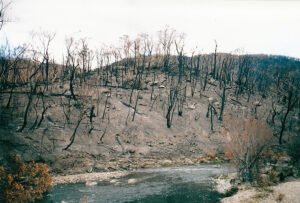
As climate change continues to influence weather patterns, the frequency and intensity of bushfires in Australia are expected to increase, leading to growing challenges for both the natural ecosystem and society.
In a land parched by persistent drought, a spark ignites, evolving into a fierce blaze that swiftly spreads across the dry landscape. This inferno consumes the brittle grass and towering trees, fueled by the remnants of fossil fuels—coal, gas, and oil—exacerbating its ferocity. Over the past three decades, Australia has witnessed a troubling rise in bushfires, marked by an alarming reduction in cooler seasons. This shift has contributed to an increased frequency of devastating fires, even within the lush confines of rainforests, where the delicate balance of nature is disrupted by the relentless advance of flames. Australia is experiencing the escalating impacts of climate change, including increasingly intense heat. The sweltering days are not just hotter than before; they have reached unprecedented levels of heat. Furthermore, prolonged heatwaves are becoming more common, lasting longer and occurring more frequently. This trend not only challenges the environment but also places significant strain on communities and ecosystems across the continent. Declining cool seasons are not good for a high-risk bushfire country.
Indigenous Australians have long recognized the vital role of fire in managing the land. For centuries, they have skillfully used controlled burning techniques to enhance ecosystem health, promote the growth of specific plants, and attract game for hunting. In modern times, this ancient practice remains significant, serving both to clear land for agricultural endeavours and to create defensible spaces that protect properties from intense, uncontrolled wildfires. By integrating traditional fire management practices with contemporary agricultural and safety strategies, communities work to maintain the balance between nature and human needs.
Australia is no stranger to devastating bushfires, which can ignite unexpectedly in any region across the vast landscape. Each fire season brings the heart-wrenching loss of numerous homes, turning once-vibrant communities into ashes. The flames also ravage natural habitats, decimating the flora and fauna that thrive there. Additionally, large swathes of agricultural land are often engulfed, leading to significant damage to crops and livestock, and resulting in a stark decline in food production. The recurring nature of these disasters underscores their profound impact on both the environment and the livelihoods of countless Australians.
Unfortunately, Australia’s bushfires are a natural phenomenon that occur regularly due to the country’s unique climate and vegetation, making them inevitable in certain circumstances. However, their devastating effects can be significantly mitigated through strategic measures. By focusing on proactive prevention and risk reduction, particularly in regions most susceptible to fire damage, it is possible to lessen the impact on communities, wildlife, and ecosystems, ensuring a more resilient environment in the face of these challenges.