Climate change is no longer a distant threat—it is a measurable reality that affects every part of our lives. Across the globe, scientists gather data from satellites, weather stations, and oceans. These numbers tell a clear story: Earth’s climate is changing quickly, and it is mostly because of human activities. At Digital Madama, our mission is to help everyone understand these changes using solid facts, not opinions.
In this article, we will break down what experts predict about global warming by 2100. We will look at the most important data: how much the planet may warm, what rising carbon emissions mean, and how sea levels and extreme weather are already changing lives. We will use real-world examples to show why these changes matter to everyone—from farmers in Bangladesh to city dwellers in New York. You will see what the numbers mean for the future of humanity and learn practical steps you, your community, and governments can take to help. Let’s explore how science and data reveal the true scale of the climate crisis—and what you can do about it.
The Science Of Global Warming: Understanding The Basics
To understand global warming, you first need to know how the Earth’s climate system works. Sunlight reaches our planet, and some of it bounces back into space. The rest is trapped by gases in the atmosphere, like a greenhouse keeps plants warm. These greenhouse gases include carbon dioxide (CO₂), methane (CH₄), and nitrous oxide (N₂O). They are natural, but humans have added much more of them, especially since the Industrial Revolution.
When we burn coal, oil, and natural gas, we release extra CO₂ and other gases. Cutting down forests, farming cattle, and building cities also add emissions. This traps more heat, causing the average global temperature to rise. Scientists call this the greenhouse effect, and it is the main driver of modern climate change.
But why do small changes in these gases have such a big effect? The answer is feedback loops. As the planet warms, ice melts. Ice reflects sunlight, but dark water or land absorbs it, making things warmer still. Warmer air can also hold more water vapor, which is another powerful greenhouse gas.
So, a little warming can lead to much bigger changes.
The Main Greenhouse Gases
- Carbon dioxide (CO₂): Produced by burning fossil fuels, cutting forests, and some industrial processes. It stays in the air for hundreds of years.
- Methane (CH₄): Released from livestock, rice fields, landfills, and leaking fossil fuel infrastructure. Methane is over 25 times more powerful than CO₂ at trapping heat over 100 years, but it lasts only about a decade.
- Nitrous oxide (N₂O): Comes from fertilizers, industrial activities, and burning biomass. It is nearly 300 times more effective than CO₂ at trapping heat, and it lasts more than a century.
Each gas has a different strength and lifetime, but all contribute to warming.
Human Activities And Their Impact
Before the Industrial Revolution, greenhouse gases were mostly balanced by natural processes—plants, oceans, and soil absorbed as much as was released. Now, humans emit much more than nature can handle. The Earth’s “carbon sinks” (forests, soil, oceans) are under stress and cannot absorb all the extra CO₂.
This is why the atmosphere is warming rapidly.
Non-obvious Insight
A beginner might think that because these gases are only a small part of the atmosphere, their effect is minor. In reality, tiny changes in these gases have changed the climate over Earth’s history—sometimes causing ice ages, sometimes making the planet much hotter.
Our current rate of change is faster than almost any time in the past millions of years.
Key Global Warming Predictions For 2100
What will our world look like by the end of this century? Scientists use computer models to predict the future, based on how much greenhouse gas we continue to emit. Let’s look at the numbers.
1. Global Temperature Rise
The Intergovernmental Panel on Climate Change (IPCC) is the world’s most trusted climate authority. According to their 2021 report, if we keep burning fossil fuels at the current rate, the planet could warm by 2.6°C to 4.4°C (4.7°F to 7.9°F) by 2100, compared to pre-industrial times. If we cut emissions sharply, warming could be limited to 1.5°C to 2°C (2.7°F to 3.6°F).
What These Numbers Mean
- Even 1.5°C of warming brings more heatwaves, droughts, floods, and crop failures. This level was chosen because it is thought to be the upper limit before dangerous changes become much harder to manage.
- At 2°C, hundreds of millions will face water shortages and food insecurity. Coral reefs will lose 99% of their area. Diseases like malaria and dengue will reach new regions.
- Above 3°C, whole regions could become uninhabitable due to heat, sea-level rise, and loss of fresh water. Some places could see heat so extreme that people cannot safely work or stay outdoors, especially in the Middle East, South Asia, and parts of Africa.
Recent Data
In 2023, the global average temperature was 1.2°C warmer than the pre-industrial average. This year was the hottest on record. This is a clear warning: we are already close to the 1.5°C “safe” limit.
But the warming is not spread evenly. The Arctic is warming three times faster than the global average, causing permafrost to thaw and releasing more greenhouse gases—a dangerous feedback loop. Some areas, like Europe and North America, have seen more extreme heatwaves and droughts.
Other regions, such as the Pacific islands, face rising seas and more powerful storms.
2. Carbon Emissions
Global CO₂ emissions reached about 36.8 billion metric tons in 2022. This is a new high. Most emissions come from burning fossil fuels for electricity, heat, transport, and industry.
What These Numbers Mean
- If emissions do not fall, the climate will continue to warm. Each year of high emissions “locks in” more warming for the future.
- To stay below 2°C, emissions must fall by about 45% by 2030 (compared to 2010 levels) and reach “net zero” by 2050. This is a huge challenge that requires changes in every sector—energy, transport, food, and industry.
Real-world Example
Countries like China, the United States, and India produce the most CO₂. However, per person, the U. S. and some Gulf countries lead. For example, the average American produces about 15. 5 tons per year, while the average Indian produces only about 1.
9 tons, but India’s emissions are growing quickly as the country develops. Small island nations emit little but face the worst consequences—such as rising seas and stronger storms—even though they did not cause the problem.
Non-obvious Insight
Many people focus only on national totals, but per capita emissions matter for fairness. Also, much of the world’s emissions come from making goods that are used in richer countries. For example, many products made in China are consumed in the U.
S. and Europe, meaning some emissions are “exported” from one country to another.
3. Sea-level Rise
As the planet warms, glaciers and ice sheets melt, and ocean water expands. Between 1901 and 2018, sea level rose by about 20 centimeters (8 inches). The IPCC predicts up to 1 meter (3.3 feet) of sea-level rise by 2100 if emissions stay high.
What These Numbers Mean
- 1 meter of sea-level rise would flood homes of over 200 million people worldwide. Low-lying countries like Bangladesh, Vietnam, and island nations like the Maldives and Tuvalu are most at risk.
- Cities like Jakarta, Miami, and Dhaka are at high risk. In Miami, even small increases in sea level already cause “sunny day flooding” during high tides.
- Saltwater will enter rivers and farmland, making it harder to grow food. This process, called “saltwater intrusion,” can ruin drinking water and destroy crops.
Recent Data
In 2022, sea levels rose at about 4 millimeters per year—twice as fast as the average rate in the 20th century. Some regions, like the Western Pacific, are rising even faster due to ocean currents and land movements.
Non-obvious Insight
Sea-level rise does not stop in 2100. Even if we cut emissions, the oceans will keep rising for centuries as the ice sheets adjust. This means that planning for long-term coastal protection is essential.
4. Extreme Weather Events
Climate change does not just mean warmer weather. It makes extreme events—like storms, heatwaves, floods, and wildfires—more common and more dangerous.
Key Statistics
- Heatwaves: The European heatwave in 2022 killed over 20,000 people. In India and Pakistan, recent heatwaves reached dangerous levels, pushing temperatures above 50°C (122°F).
- Floods: In Pakistan, 2022 floods displaced over 33 million people and caused $30 billion in damage. Flash floods and landslides hit China, Brazil, and parts of Europe.
- Wildfires: Australia’s 2019-2020 bushfires burned 18.6 million hectares and killed or displaced an estimated 3 billion animals. In the United States, wildfire seasons are longer and more severe.
What These Numbers Mean
No place on Earth is safe from climate impacts. Poor communities suffer most because they have fewer resources to adapt or recover. Insurance costs are rising, and some homes are becoming “uninsurable” due to repeated disasters.
Example
In Mozambique, Cyclone Idai in 2019 killed over 1,300 people and caused massive destruction. The storm’s strength was increased by warmer ocean temperatures.
Non-obvious Insight
Some disasters happen far from where greenhouse gases are emitted. For instance, Arctic warming is making weather patterns “wavier,” which can cause unusual cold spells or floods in places like Europe and North America. This shows that climate change is a global problem, not just a local one.
Data Snapshot: Where We Stand Now
To see the scale of the problem, here is a comparison of key climate indicators over time.
| Indicator | 1900 | 2000 | 2022 |
|---|---|---|---|
| Global Avg. Temp. Anomaly (°C) | 0 | +0.7 | +1.2 |
| Atmospheric CO₂ (ppm) | ~295 | 370 | 417 |
| Mean Sea Level (cm above 1900) | 0 | +15 | +20 |
| Extreme Heat Days/Year (Global) | Rare | Increasing | Record Highs |
These numbers show how quickly the climate is changing—much faster than at any time in human history.
Deeper Look At The Data
- Global Avg. Temp. Anomaly: The “anomaly” measures how much hotter or colder a year is compared to a baseline. In 1900, the climate was stable. Now, we see sharp increases almost every year.
- Atmospheric CO₂: The last time CO₂ was this high, Earth had no ice at the poles, and sea levels were tens of meters higher.
- Extreme Heat Days: In the past, days above 35°C (95°F) were rare in many regions. Now, they are common, causing health risks and damaging crops.
Non-obvious Insight
Beginners often think the climate has always changed naturally. While that is true, the speed and cause of current changes are unique. Past changes happened over thousands of years, giving nature and people time to adapt. Today, changes are happening in just decades.
The Human Impact: Lives And Livelihoods At Risk
Climate change is not just about numbers. It affects people, communities, and economies.
Food Security
As temperatures rise and weather becomes less predictable, growing crops gets harder. Droughts and floods destroy harvests. In 2021, about 820 million people faced hunger worldwide, and climate change is a major cause.
Example
In Sub-Saharan Africa, maize yields may fall by 20-40% by 2050 if warming continues. This means more hunger, higher food prices, and increased migration.
But it’s not just Africa. In the U. S. , the “Corn Belt” faces new pests and more drought. In India, rice and wheat production is threatened by heat and water shortages. Coffee and cocoa, which support millions of small farmers, are also at risk—changing rainfall and higher temperatures reduce yields and quality.
Non-obvious Insight
Climate impacts can “stack up. ” A heatwave may cause a drought, which then leads to wildfires, which destroy farmland—making recovery harder and costs higher.
Water Scarcity
Glaciers are melting, and rainfall patterns are changing. By 2100, up to 5 billion people could lack enough water for drinking, farming, and washing.
Example
The Himalayan glaciers feed rivers for over 1.5 billion people in Asia. As glaciers shrink, water shortages will hit countries like India, China, and Pakistan.
In South America, the Andes glaciers provide water for cities like Lima (Peru) and La Paz (Bolivia). When these glaciers disappear, cities must rely on shrinking rivers or expensive desalination.
Non-obvious Insight
Water scarcity can also lead to power shortages. Many countries use rivers for hydropower. If rivers run dry, electricity becomes less reliable, affecting everything from hospitals to homes.
Health Risks
Warmer climates bring new diseases. Mosquitoes spread farther, carrying malaria and dengue. Heatwaves kill the elderly, children, and people with health problems.
Example
In Europe’s 2022 heatwave, hospitals were full, and power grids struggled as millions turned on air conditioning.
Heat also increases the risk of heart attacks and strokes. Air pollution from wildfires makes asthma and lung diseases worse. In some regions, waterborne diseases like cholera spread after floods.
Non-obvious Insight
Mental health is affected too. People who lose homes or farms to disasters often face depression, anxiety, and trauma—especially children.
Migration And Conflict
When farms fail and water runs dry, people are forced to move. Climate change can cause conflict over land, food, and water.
Example
In the Sahel region of Africa, drought has fueled violence and migration, as farmers and herders compete for shrinking resources.
In Central America, many families migrate north because drought and hurricanes destroy crops. In Syria, a severe drought before the civil war forced millions from the countryside to cities, increasing tensions.
Non-obvious Insight
Climate migration is not just about crossing borders. Many people move within their own country, often to crowded cities. This puts stress on housing, jobs, and services.
Environmental Impact: Nature Under Pressure
The planet’s plants and animals are also in danger. Many cannot move or adapt quickly enough to survive.
Species Extinction
Scientists warn that up to 1 million species are at risk of extinction due to climate change and habitat loss. Coral reefs, home to a quarter of all ocean life, could disappear by 2100 if warming exceeds 2°C.
Species that live in mountain regions or polar areas have nowhere to go as the climate warms. Birds and insects that pollinate crops may lose their habitats, affecting food supplies.
Example
The polar bear depends on sea ice to hunt seals. As the Arctic melts, polar bears must swim farther and eat less. Some populations are already shrinking.
Ocean Changes
Oceans absorb heat and CO₂. Warmer water kills fish and coral. Higher CO₂ makes the ocean more acidic, harming shellfish and plankton.
Example
The Great Barrier Reef has lost more than half its coral since 1995, mainly due to warming and acidification.
Fish move to cooler waters, changing where they can be caught. This affects fishing communities, especially in tropical countries. Acidic water makes it harder for oysters, mussels, and crabs to build shells—hurting both nature and seafood businesses.
Non-obvious Insight
Oceans store most of the extra heat from global warming (over 90%). This means that even if surface temperatures stop rising, the deep ocean will keep getting warmer for centuries, with unknown effects on marine life.
Forests And Fires
Drought and heat make forests dry and flammable. Wildfires release more CO₂, creating a dangerous cycle.
Example
The Amazon rainforest, often called the “lungs of the planet,” is turning from a carbon sink to a carbon source as trees die and burn.
In California, Australia, and Siberia, wildfires are now larger, faster, and harder to stop. Fires also destroy animal habitats and release harmful smoke.
Non-obvious Insight
Forest loss means less rain. Trees release water vapor, which helps make clouds and rain. When forests disappear, droughts can get worse.
The Role Of Carbon Emissions And The Path To Net Zero
To stop dangerous warming, we must cut carbon emissions. This means using less coal, oil, and gas, and more clean energy.
| Sector | CO₂ Emissions Share (%) | Main Solutions |
|---|---|---|
| Electricity & Heat | 42% | Solar, wind, hydro, nuclear |
| Transport | 24% | Electric vehicles, public transit |
| Industry | 19% | Efficiency, clean hydrogen |
| Agriculture | 11% | Regenerative farming, less meat |
| Buildings | 4% | Insulation, smart cooling/heating |
What Is Net Zero?
Net zero means balancing emissions produced and emissions removed from the atmosphere. Planting trees, restoring wetlands, and new technologies (like carbon capture) can help absorb CO₂. But cutting emissions is the main goal.
Is Net Zero Possible?
Yes, but it needs urgent action:
- Stop building new coal plants.
- Switch quickly to renewable energy.
- Protect and restore forests.
- Improve farming practices.
- Support new technology for clean industry and transport.
Achieving net zero also means changing how we design cities, move goods, and produce food. For example, building “green” cities with efficient transport and energy use can cut emissions and improve health.
Non-obvious Insight
Net zero is not just about energy. It also means changing diets (less meat, more plants), reducing waste, and making products last longer. Even small changes in daily life can add up when millions of people take action.
Three Key Statistics: What They Mean For Our Future
Let’s look closer at three numbers that tell the story of climate change.
1. 417 Ppm: Current Atmospheric Co₂
In 2022, the air contained 417 parts per million (ppm) of CO₂. Before 1800, it was about 280 ppm. The last time CO₂ was this high was over 3 million years ago, before humans existed.
Why This Matters
More CO₂ traps more heat. Even if we stopped all emissions today, it would take centuries for the climate to return to normal.
Non-obvious Insight
CO₂ is invisible and odorless. Because we cannot see or smell it, many people underestimate its importance. But it is the main driver of global warming.
2. 1.2°c: Global Temperature Rise So Far
We are already 1.2°C warmer than in 1850. This has brought stronger storms, more droughts, and melting ice. Every fraction of a degree means more risk.
Why This Matters
We are close to the 1. 5°C “safe” limit. Beyond this, impacts get much worse, especially for poor and vulnerable countries.
Even half a degree makes a big difference. At 1. 5°C, 14% of the world’s population faces severe heat at least once every five years. At 2°C, it is 37%.
3. 33 Million People: Displaced By 2022 Pakistan Floods
Extreme weather is not just about inconvenience. In 2022, floods in Pakistan displaced 33 million people—almost the population of Canada. This shows how fast and severe climate disasters can be.
Why This Matters
As the planet warms, disasters like this will become more common and affect more people. Recovery takes years, and many never return home.
Real-world Examples: Climate Change In Action
The Sinking City: Jakarta, Indonesia
Jakarta is sinking faster than any other city, partly because of rising sea levels and land subsidence. By 2050, much of the city could be underwater. Millions may need to move, and the government is planning to build a new capital.
The city’s problems are made worse by heavy rainfall, blocked drains, and overuse of groundwater. Climate change makes all these factors more dangerous.
Drought In The Horn Of Africa
From 2020 to 2023, the Horn of Africa had five failed rainy seasons. Crops failed, and over 20 million people faced hunger in Ethiopia, Kenya, and Somalia. Climate change made these droughts more likely.
Pastoralists lost millions of animals, and families walked for days to find food and water. Aid groups struggled to help everyone in need.
Wildfires In California
California’s wildfire seasons are longer and more intense. In 2020, wildfires burned over 4 million acres—the most in history. Hotter, drier weather is making fires harder to control.
Smoke from these fires reaches across the continent, causing health problems far from the flames.
Non-obvious Insight
These events also have economic impacts. Businesses close, food prices rise, and insurance companies must pay out more claims. This can affect people everywhere, not just where the disaster happens.

Predictions For 2100: What Science Says
Scenarios: High, Medium, And Low Emissions
Scientists use different scenarios, based on how much action the world takes to cut emissions.
High Emissions (“business As Usual”)
- Warming: 3°C to 4.4°C by 2100
- Sea Level Rise: Up to 1 meter
- Extreme Events: Frequent and severe
Medium Emissions (some Action)
- Warming: 2°C to 3°C by 2100
- Sea Level Rise: 50–80 cm
- Extreme Events: More common, but less severe than “business as usual”
Low Emissions (strong Action)
- Warming: 1.5°C to 2°C by 2100
- Sea Level Rise: 30–60 cm
- Extreme Events: Much less severe
What Will Life Be Like?
- Heatwaves: Cities could face weeks of deadly heat each year.
- Floods: Coastal cities and islands may lose homes and farmland.
- Storms: Hurricanes and typhoons will be stronger and wetter.
- Food: Yields of wheat, rice, and maize could fall by 10–30%.
- Water: Billions may face shortages.
Additional Details
In a high-emission world, some regions may become “unlivable” for part of the year due to heat. Insurance could become unaffordable for homes in flood zones. Food supplies might be more uncertain, and global trade could be disrupted by extreme weather.
In a low-emission world, many of these risks are reduced. Nature has a better chance to recover, and future generations inherit a more stable climate.
Non-obvious Insight
What we do in the next 10–20 years will largely decide which path we take. Choices made today—about energy, cities, and food—shape the world our children will live in.
Human And Environmental Impact: What’s At Stake
Economic Costs
Climate change will cost trillions of dollars. Disasters destroy homes, roads, and farms. Insurance costs rise. Poor countries are hit hardest.
Example
In 2022, natural disasters caused more than $270 billion in losses worldwide.
But the hidden costs—lost jobs, lower school attendance, and mental health problems—can be just as great. The World Bank warns that climate change could push more than 100 million people into poverty by 2030.
Social And Health Costs
More people will get sick or die from heat, hunger, and new diseases. Migration will increase, putting pressure on cities and borders.
Older adults, young children, and people with health conditions are most at risk. Heat can cause dehydration, kidney problems, and worsen heart diseases.
Environmental Damage
Loss of forests, coral reefs, and wildlife means less food, medicine, and beauty for future generations.
Example
Medicines like aspirin and cancer drugs come from wild plants. Losing biodiversity could mean losing future cures.
Non-obvious Insight
Healthy ecosystems protect us from disasters. Wetlands absorb floodwaters, forests stabilize soils, and mangroves protect coasts from storms.
What Can Individuals Do?
While governments and companies must lead, every person can help.
1. Use Less Energy
Turn off lights and unplug devices. Use energy-efficient appliances.
2. Travel Smart
Walk, cycle, or use public transport. Fly less. Drive electric if possible.
3. Eat Green
Eat more plants and less meat. Buy local and seasonal food.
4. Waste Less
Recycle and compost. Avoid single-use plastics.
5. Speak Up
Talk to friends and leaders. Vote for climate action.
Non-obvious Tips
- Support local and indigenous communities who protect forests and rivers. These groups often have the best knowledge for saving nature.
- Invest in renewable energy or community solar if available. Some cities let you buy “green power” directly from your utility.
- Repair and reuse products instead of buying new ones. The “circular economy” saves resources and cuts emissions.
- Choose banks and investments that do not fund fossil fuels. Your money can support green solutions.
Example
In Denmark, citizens own shares in wind turbines. In some U. S. states, community solar projects let renters buy clean power.
What Should Governments And Businesses Do?
1. Set Strong Targets
Make laws to reach net zero by 2050.
2. Invest In Clean Energy
Build solar, wind, and hydro plants. End fossil fuel subsidies.
3. Build Resilient Infrastructure
Protect cities from floods and heat with better planning.
4. Support Farmers And Vulnerable Groups
Help communities adapt to new weather patterns.
5. Protect Nature
Save forests, restore wetlands, and create marine reserves.
Non-obvious Actions
- Include climate risks in all financial planning. This helps banks and insurers avoid investments that may fail due to climate disasters.
- Support education and training for green jobs. Workers in coal, oil, and gas can learn new skills for clean energy or restoration work.
- Use public funds to “buy down” the cost of new technology. This makes solar, wind, and batteries cheaper for everyone.
Example
Germany’s “Energiewende” policy has helped millions install solar panels. Costa Rica uses almost 100% renewable electricity and protects forests as part of its tourism economy.
How To Track Progress: The Role Of Data
At Digital Madama, we believe that solid data is the key to understanding and action. Tracking climate indicators helps us see what is working and what still needs to change.
Key Indicators To Watch
- Atmospheric CO₂
- Global average temperature
- Sea-level rise
- Frequency of extreme weather events
- Deforestation rates
These numbers are updated regularly by trusted groups like the World Meteorological Organization and NASA.
Data Table: Top 5 Countries By Co₂ Emissions (2022)
| Country | Total Emissions (Billion Tons) | Per Capita Emissions (Tons) |
|---|---|---|
| China | 11.5 | 8.2 |
| United States | 5.1 | 15.5 |
| India | 2.7 | 1.9 |
| Russia | 1.8 | 12.3 |
| Japan | 1.1 | 8.7 |
This shows that both total emissions and emissions per person are important for fairness and solutions.
Non-obvious Insight
Some smaller countries or regions are moving much faster on climate action. For example, Portugal, Kenya, and Uruguay now get more than half their electricity from renewables.
Why Action Matters Now: The Window Is Closing
Scientists warn that the next decade is critical. If we do not act soon, some changes will be impossible to reverse. Ice sheets may melt past a tipping point. Forests could become savannas. Coral reefs may vanish.
Tipping Points: The Point Of No Return
Some climate changes happen slowly, but others can be sudden and irreversible. These are called “tipping points. ”
Examples
- Greenland ice sheet collapse: Could raise sea levels by 7 meters over centuries.
- Amazon forest dieback: Would release huge amounts of carbon.
- Thawing permafrost: Releases methane, a powerful greenhouse gas.
Non-obvious Insight
Once a tipping point is crossed, it is almost impossible to “undo. ” This is why “precaution” is so important in climate policy.
The Role Of Technology And Innovation
New technology can help us fight climate change. But it must be used wisely.
Clean Energy
Solar and wind are now the cheapest sources of new electricity in many countries. Batteries are getting better and cheaper.
Electric vehicles, heat pumps, and smart grids are changing how we use energy. In some places, even heavy industry is switching to clean hydrogen or electric power.
Carbon Removal
Machines can pull CO₂ from the air, but this is expensive and not a magic fix. Nature-based solutions (like planting trees) are cheaper and safer.
Some new ideas include turning captured carbon into building materials or storing it underground.
Adaptation Technology
Drones can help monitor crops and water. Early warning systems can save lives during disasters.
Simple solutions—like cool roofs, green spaces, and better building codes—make cities safer and more comfortable.
Non-obvious Insight
Technology is only helpful if everyone can use it. Rich countries must share solutions with poor countries. Otherwise, the gap between rich and poor will grow.
International Agreements: Working Together
No single country can solve global warming alone. The Paris Agreement is the world’s main climate treaty. Almost every country has promised to cut emissions.
What The Paris Agreement Promises
- Keep warming “well below 2°C,” with an aim for 1.5°C.
- Rich countries help poor countries with finance and technology.
- Review and increase targets every five years.
Progress So Far
Some countries are moving fast—like Denmark, Costa Rica, and the UK. Others are slower. Many promises are not backed by real action yet.
Global emissions are still rising, but the growth is slowing. Some experts are hopeful that we can “bend the curve” in the next few years.
Non-obvious Insight
Local action matters. Cities, businesses, and even schools can lead, not just national governments.
For more on the science and politics of climate change, visit IPCC.
How Environmental Disasters And Conflicts Harm The Planet
At Digital Madama, we cover not just statistics, but stories behind the numbers. Wars and disasters make climate change worse.
Environmental Disasters
- Hurricanes destroy homes and pollute water.
- Wildfires kill forests and wildlife.
- Floods wash away soil and crops.
After disasters, rebuilding uses more resources and energy, adding to emissions.
Example
After Hurricane Maria, Puerto Rico had to rebuild power lines, roads, and homes—using more cement, steel, and fuel.
Armed Conflicts
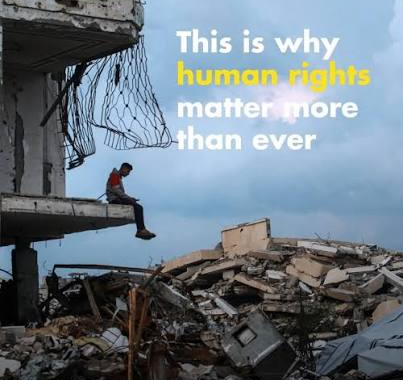
War destroys cities, farmland, and forests. Refugees often move to fragile areas, putting stress on nature. Environmental damage from war can last for decades.
Example
The war in Syria, partly fueled by drought, led to mass migration and made recovery harder.
In Ukraine, the destruction of farms and water systems has caused pollution and loss of wildlife. Landmines can stop farming for years.
Non-obvious Insight
Peace and stability help countries protect nature and build a safer future. Environmental treaties can also help end conflicts by creating shared goals.
What Makes Climate Change Different From Past Challenges?
In history, humans have survived ice ages and droughts. But today’s changes are faster and caused by us. No generation has faced a global crisis like this before.
Why This Matters
- The poorest and weakest suffer most.
- Delaying action makes the problem bigger and more expensive.
- Working together is not just smart—it’s necessary.
Non-obvious Insight
Climate change is a “risk multiplier. ” It makes other problems—like poverty, hunger, and disease—harder to solve. This means fighting climate change also helps with many other global challenges.
The Power Of Data: How Digital Madama Helps
Digital Madama is more than a blog—we are a hub for climate facts and stories. Our team explains:
- Latest statistics on temperature, emissions, and disasters.
- Human stories behind the numbers.
- Solutions for individuals, communities, and leaders.
By sharing clear, reliable data, we hope to inspire action and hope.
Example
We cover how small cities in Africa are adapting to floods, or how farmers in Latin America are growing climate-smart crops. We break down complex reports so everyone can understand them.
Frequently Asked Questions
How Do Scientists Know Global Warming Is Real?
Scientists use many sources: weather stations, satellites, ocean buoys, and ice cores. These tools show that temperatures, sea levels, and CO₂ levels are rising fast. Thousands of experts review and agree on the data.
Non-obvious Insight
Scientific predictions from the 1980s and 1990s have come true. This shows that climate models are reliable.
What Is The Difference Between Climate Change And Global Warming?
Global warming means the Earth is getting hotter. Climate change includes all changes in weather patterns—like more floods, storms, and droughts—not just heat.
Can We Still Avoid The Worst Effects Of Climate Change?
Yes, if we act now. The faster we cut emissions and protect nature, the more damage we can prevent. Every fraction of a degree matters.
Non-obvious Insight
Some impacts are already “locked in,” but we can avoid much worse changes by acting quickly.
How Does Climate Change Affect Poor Countries?
Poor countries have fewer resources to adapt to disasters. They often face the worst impacts, like floods, droughts, and hunger, even though they contributed least to the problem.
Example
Small island states face rising seas, while countries like Chad and Malawi face both droughts and floods.
What Can I Do To Help Fight Climate Change?
Use less energy, travel smarter, eat more plants, waste less, and speak up for strong climate action. Support trusted sources like Digital Madama to stay informed.
Non-obvious Insight
Talk about climate change with family and friends. Sharing knowledge helps build support for solutions.
We are living through a critical moment in history. The numbers are clear, but so is the hope: by working together, using solid data, and taking action, we can build a safer, fairer, and healthier future for all. For more facts and in-depth guides, explore Digital Madama—your trusted source for climate change statistics, environmental disasters, and the global crisis explained.