Climate change is no longer a distant problem waiting in the future. Today, the planet’s crisis is real—and numbers tell the story. From rising temperatures to melting ice, shrinking animal populations, and extreme weather, the evidence is everywhere. In this guide, we will explore the latest climate change statistics, explain what they mean for biodiversity, and discuss how these changes affect our world and our future. With clear examples and practical solutions, this article aims to empower you with knowledge and actions.
At Digital Madama, we are committed to sharing reliable information about climate change, environmental disasters, and the global challenges we all face. Our mission is to help readers like you understand the data and take meaningful steps to protect the Earth.
The State Of Biodiversity: Why It Matters
Biodiversity means the variety of all living things—plants, animals, microorganisms, and their ecosystems. It is the foundation for healthy air, water, food, and life. When biodiversity is rich, nature is strong and balanced. When it is lost, everything from food security to human health is at risk.
Why does this matter in our daily lives? Biodiversity keeps the world’s natural systems running smoothly. Trees clean the air, bees pollinate crops, and wetlands filter water. All these services depend on a wide mix of species working together. If even a few of these links break, the whole system can weaken.
For example, losing just one kind of insect can mean fewer flowers get pollinated, which leads to less fruit and fewer seeds. Eventually, this affects birds, mammals, and even humans who rely on these plants for food and income. This “web of life” is more connected than it seems.
Recent decades have shown a rapid decline in biodiversity. Scientists agree that climate change is one of the main drivers of this loss. Let’s look at the key statistics that highlight this crisis.
Key Climate Change Statistics You Can’t Ignore
Some numbers show the reality of our changing world better than words. Here are three of the most important climate statistics today.
1. Global Temperature Rise
Since 1880, the average surface temperature of the Earth has increased by about 1.2°C (2.2°F). This may sound small, but even a rise of one degree can change climate patterns, melt glaciers, and raise sea levels. The last decade (2011-2020) was the hottest ever recorded. In 2023, global temperatures reached a record high, with some months exceeding 1.5°C above pre-industrial levels.
Why do small temperature changes matter? Many species are adapted to very specific climate conditions. Even slight warming can push plants and animals out of their comfort zones. For example, polar bears need sea ice to hunt, and corals need cool water to survive.
What This Means
- More heatwaves: Higher temperatures lead to longer, more intense heatwaves, causing health risks and deaths. Cities are especially at risk, as concrete and asphalt trap heat—a phenomenon called the “urban heat island” effect.
- Changing ecosystems: Many plants and animals struggle to survive as their habitats warm too quickly. Alpine flowers, arctic animals, and tropical fish are all under threat.
- Agriculture impact: Crops can fail, leading to food shortages. Some staple foods like wheat and rice may no longer grow well in their traditional regions.
Real-world Example
In Europe, the summer of 2022 brought deadly heatwaves, killing over 61,000 people. Forests burned, rivers dried, and energy systems were overwhelmed. This is not just a European problem; similar stories are happening on every continent.
In India and Pakistan, the same year saw temperatures reach 50°C (122°F). Schools closed, roads melted, and power grids failed as millions struggled to stay cool. This kind of extreme heat is becoming more common.
2. Rising Carbon Emissions
Carbon dioxide (CO₂) is the main greenhouse gas driving climate change. In 2022, global CO₂ emissions from fossil fuels reached 36.8 billion tonnes, the highest ever recorded. This is a 60% increase since 1990.
CO₂ is released when we burn coal, oil, and gas for electricity, transport, and industry. It is also produced by deforestation, cement production, and some farming methods. Once in the atmosphere, CO₂ acts like a blanket, trapping heat and warming the planet.
What This Means
- Warming atmosphere: More carbon means more heat trapped on Earth. The more CO₂ we emit, the higher the risk of dangerous warming.
- Ocean acidification: Oceans absorb CO₂, making water more acidic. This harms coral reefs and fish. Acidic water makes it difficult for shellfish to build shells and for corals to grow.
- Long-term damage: CO₂ can stay in the air for centuries, making it hard to reverse changes. Even if we stopped all emissions today, the warming would continue for decades.
Real-world Example
China, the USA, and India are the top three CO₂ emitters. The energy used for factories, cars, and electricity is the main source. But even smaller countries contribute as lifestyles and economies grow.
For example, as developing countries build more roads, airports, and buildings, their carbon emissions rise quickly. This is why climate action must be global, not just focused on a few countries.
3. Sea Level Rise
Since 1900, global sea levels have risen about 20 centimeters (8 inches). The rate is speeding up: from 1993 to 2023, the sea rose about 3.3 mm per year. If emissions are not cut, sea levels could rise by up to 1 meter (about 3 feet) by 2100.
Rising seas are caused by melting glaciers and ice sheets, as well as thermal expansion (water expands as it warms). Small island nations, coastal cities, and even some entire countries face serious risks.
What This Means
- Flooded cities: Coastal cities like Miami, Jakarta, and Venice face regular flooding. Expensive sea walls and pumps are only temporary fixes.
- Lost land: Islands and beaches are disappearing. People are forced to leave their homes. Some Pacific islands are already making plans to relocate entire communities.
- Saltwater intrusion: Farmland and drinking water sources become salty and unusable. This is a growing problem for farmers in Bangladesh and the Nile Delta.
Real-world Example
In Bangladesh, millions are already displaced each year by rising seas and stronger storms. Low-lying Pacific islands like Tuvalu are fighting to survive as land disappears.
Another example is the city of Jakarta, Indonesia, which is sinking so fast due to sea level rise and groundwater extraction that the government is planning to move the capital.
Extreme Weather Events: The New Normal
Climate change does not just mean gradual warming. It also brings extreme weather—storms, droughts, floods, and wildfires are becoming more frequent and severe.
Extreme Events By The Numbers
- In 2022, there were 421 major natural disasters worldwide, killing over 30,000 people and causing $320 billion in damage.
- The number of category 4 and 5 hurricanes has doubled since the 1980s. These powerful storms bring more rain, higher winds, and greater destruction.
- Wildfires in California, Australia, and the Amazon are burning longer and hotter than ever.
Droughts are also becoming more widespread, lasting for months or even years. In the Horn of Africa, millions of people face hunger as crops fail year after year. Meanwhile, floods in Pakistan in 2022 left one third of the country under water and affected over 33 million people.
Impact On Biodiversity
Extreme weather destroys habitats, kills animals and plants, and makes recovery difficult. Fires in Australia’s 2019-2020 bushfire season killed or displaced about 3 billion animals—a staggering loss for one event.
Floods can wash away soil, eggs, and seeds, while droughts can dry up ponds and rivers, leaving fish and amphibians stranded. After disasters, invasive species often move in, making it harder for native plants and animals to recover.
Non-obvious Insights
Many animals and plants cannot escape quickly from danger. For example, slow-moving species like turtles or plants rooted in place are especially at risk from wildfires and floods. The loss of shelter and food after a disaster can be as deadly as the event itself.
In addition, some extreme events happen in clusters—such as a drought followed by a heatwave—which makes it even harder for nature to bounce back.
Human And Environmental Impact
Climate change and biodiversity loss are not only science problems. They are human problems. The effects reach into every part of our lives.
Food Security
- Crop failures from droughts and floods threaten the food supply. In Africa and South Asia, millions depend on rain-fed agriculture, making them especially vulnerable.
- Fisheries are collapsing as oceans warm and acidify. For example, cod stocks in the North Atlantic have crashed, and coral bleaching harms fish populations in the tropics.
- Global food prices rise when harvests fail, making it harder for poor families to afford basic foods.
Some communities are already changing the crops they grow or turning to new sources of income, like fish farming or tourism, but these solutions are not always enough.
Health Risks
- Heatwaves, new diseases, and poor air quality cause sickness and death. Mosquitoes carrying malaria or dengue fever are spreading into new areas as temperatures rise.
- Water-borne diseases increase after floods, as sewage and waste mix with drinking water.
- Mental health is affected by disasters and loss. Survivors often suffer from stress, anxiety, or depression after losing their homes or livelihoods.
Children, the elderly, and those with existing health problems are most at risk. For example, during heatwaves, hospital admissions for heart and lung problems increase sharply.
Economic Damage
- Disasters destroy homes, businesses, and infrastructure. Rebuilding takes time and money, and some families never recover.
- Insurance costs rise, and jobs are lost. In some regions, insurance companies are refusing to cover homes near the coast or in wildfire-prone areas.
- Tourism, farming, and fishing—key industries in many countries—are all at risk from climate impacts.
For example, the 2021 Texas winter storm in the USA caused more than $195 billion in losses, partly because energy systems were not ready for extreme cold.
Environmental Collapse
- Forests, wetlands, and coral reefs are vanishing. These “natural assets” provide food, shelter, and protection from storms.
- Species are going extinct at rates 100 to 1,000 times faster than natural. Each loss reduces the resilience of the whole ecosystem.
When nature is healthy, it acts as a buffer against disasters. Mangroves protect coasts from storms, forests hold back floods, and coral reefs shelter fish. As these ecosystems vanish, the damage from future events grows.
Non-obvious Insights
One hidden impact is on traditional cultures and Indigenous peoples, who often have deep connections to their land and wildlife. As biodiversity declines, traditional knowledge, languages, and ways of life can also disappear.
Another overlooked effect is on migration. As farming and fishing become harder, more people are forced to move—sometimes within their own countries, sometimes across borders. This can lead to overcrowded cities and social tensions.
The Science Behind The Numbers
To understand how serious the crisis is, let’s look at the science.
How Data Is Collected
- Satellites measure temperature, sea level, and ice cover. These eyes in the sky provide global coverage and can spot changes in even the most remote regions.
- Ground stations monitor weather, emissions, and biodiversity. Weather stations, air quality monitors, and wildlife surveys add detail to the global picture.
- Ocean buoys record changes in water temperature and chemistry. These floating sensors can detect “marine heatwaves” and acidification in real time.
- Drones and remote sensors are now used to count animals, map forests, and monitor glaciers.
Why Numbers Matter
Accurate data helps us see patterns and predict the future. For example, the Intergovernmental Panel on Climate Change (IPCC) uses these numbers to create models that guide policy and action.
Without reliable data, it is hard to know which solutions work and which do not. For example, tracking reforestation projects helps us see if tree planting is actually capturing carbon or if the trees are dying after a few years.
Non-obvious Insights
Data collection is not just for scientists. Local communities, citizen scientists, and even schoolchildren can help gather information about local wildlife, weather, and pollution. This “crowdsourced” data can fill gaps and make research more accurate.
Another insight: not all numbers are equally reliable. Some older data may be incomplete or based on different methods. Comparing apples to apples is important when looking at long-term trends.
Biodiversity Loss: The Fifth Mass Extinction?
Some scientists say we are in the middle of the sixth mass extinction. Unlike past extinctions caused by asteroids or volcanoes, this one is driven by humans.
Alarming Statistics
- 1 million species are at risk of extinction within decades. Many of these are insects, plants, and fungi, but mammals and birds are also disappearing.
- 68% average decline in monitored wildlife populations since 1970. This is like removing two out of every three wild animals in just 50 years.
- 75% of land and 66% of marine environments are “severely altered” by human activity. This includes farming, logging, mining, and urban development.
The Ripple Effect
When one species disappears, others follow. For example, the loss of bees means less pollination, which leads to lower crop yields and less food. This affects not just humans but also birds and mammals that rely on fruit and seeds.
Another example: When large predators like wolves or lions are killed off, their prey (like deer or zebras) can increase too much. This overgrazing or overbrowsing can damage plants, soil, and rivers, showing how the whole ecosystem is connected.
Comparison Table: Species Decline By Region
| Region | Average Wildlife Population Decline (1970-2020) | Main Drivers |
|---|---|---|
| Latin America & Caribbean | 94% | Deforestation, Agriculture |
| Asia-Pacific | 55% | Habitat Loss, Overfishing |
| Europe & Central Asia | 18% | Land Use, Pollution |
| Africa | 66% | Poaching, Climate Change |
Non-obvious Insights
Many species at risk are “invisible” to most people—tiny insects, fungi, and bacteria that help break down waste, fix nitrogen in soil, or spread seeds. Their loss can have huge impacts on farming and forests.
Another insight: Some conservation efforts focus on “charismatic” animals like pandas or tigers. But protecting whole ecosystems—like wetlands, prairies, or coral reefs—often gives better results for biodiversity as a whole.
Ocean Crisis: Acidification And Warming
The oceans cover 70% of the planet and are home to most life forms. But climate change is making the oceans hotter, more acidic, and less habitable.
Ocean Warming
- The world’s oceans have absorbed about 90% of excess heat from global warming. This helps slow down warming on land, but has big costs for marine life.
- Marine heatwaves now last twice as long as in the 1980s. These “underwater heatwaves” kill corals, disrupt fish migration, and can cause massive die-offs of shellfish and seaweed.
Warm oceans also fuel stronger storms and hurricanes, which can cause damage far from the coast.
Ocean Acidification
- Since 1750, ocean acidity has increased by 30%. This makes it harder for corals, oysters, and other shell-building animals to survive.
- Coral reefs are dying; the Great Barrier Reef has lost more than 50% of its coral cover since 1995.
Acidic water also changes the behavior of fish and makes it harder for some to find food or avoid predators.
Impact On Fisheries
- By 2100, fish catches in tropical regions could fall by up to 40%. This threatens food security for millions in Asia, Africa, and island nations.
- Millions of people who depend on fishing are at risk. Loss of income, food shortages, and migration can follow.
For example, in West Africa, declining fish stocks have led to higher prices and more illegal fishing by foreign fleets. In the Pacific, coral bleaching events have wiped out reef fisheries for entire villages.
Non-obvious Insights
Some ocean changes are hidden from view. For example, “dead zones” where oxygen is too low for life are spreading, mostly caused by pollution and warming. These zones can appear suddenly and kill fish or shellfish over huge areas.
Another insight: Seagrass beds and mangroves, often overlooked, store large amounts of carbon (“blue carbon”) and protect coasts from erosion. Their loss can speed up both warming and coastal damage.
Forests And Land: Under Pressure
Forests are the lungs of the Earth. They absorb CO₂, protect biodiversity, and support communities. But deforestation and fires threaten their survival.
Deforestation Statistics
- Every year, about 10 million hectares of forest are lost—an area the size of Iceland. Much of this is cleared for soy, palm oil, beef, or timber.
- The Amazon, the world’s largest rainforest, has lost 17% of its forest in the last 50 years. Scientists warn that losing 20-25% could push the forest past a “tipping point,” turning it into savannah.
Deforestation also releases stored carbon, making climate change worse. Some trees are hundreds or even thousands of years old, and their loss cannot be quickly replaced.
Consequences
- Loss of species: Jaguars, orangutans, and many more lose their homes. Some forests are so diverse that a single hectare may have hundreds of tree species.
- Less CO₂ absorption: More carbon stays in the atmosphere, speeding up warming.
- Less rain: Forests help create rain through evaporation. Losing them can make droughts worse, even in distant regions.
Land Degradation
- 40% of the world’s land is now degraded—less productive, more prone to desertification. Causes include overgrazing, poor farming, mining, and pollution.
- Over 3.2 billion people are affected, mostly in poor countries. This leads to hunger, poverty, and forced migration.
Some regions, like the Sahel in Africa, are turning from grassland to desert. Restoring these lands is possible, but requires careful planning, local involvement, and new farming methods.
Non-obvious Insights
Tree planting is not always the solution. Planting the wrong species, or planting trees where grasslands or wetlands belong, can hurt biodiversity rather than help it. Protecting old-growth forests is often more effective than planting new trees.
Another insight: Soils store more carbon than all the world’s plants and trees. Healthy soils are key for fighting climate change, but are often overlooked in climate policy.
Melting Ice And Changing Poles
Polar regions are warming three times faster than the rest of the world. This rapid change affects not just polar bears and penguins, but the whole planet.
Arctic Sea Ice
- In September 2020, Arctic sea ice was at its second lowest ever recorded. Less ice means more dark water, which absorbs heat and speeds up warming.
- If current trends continue, the Arctic could be ice-free in summer by 2050. Ships can travel new routes, but at great cost to wildlife and the global climate.
Arctic melting also disrupts weather patterns, leading to more extreme cold snaps or heatwaves in other regions—a process called “Arctic amplification. ”
Glaciers And Ice Sheets
- The Greenland and Antarctic ice sheets are losing about 428 billion tonnes of ice per year. This is enough to cover a country like Germany in water several meters deep.
- Melting ice adds to sea level rise and disrupts ocean currents.
Many mountain glaciers are also shrinking. The Himalayas, Andes, and Alps provide water for millions, but as glaciers shrink, rivers and lakes dry up during hot months.
Non-obvious Insights
Permafrost—frozen ground in the Arctic—holds vast amounts of carbon and methane. As it thaws, these gases escape, creating a feedback loop that speeds up warming.
Another insight: Melting glaciers can trigger landslides and floods, especially in mountain regions. These “glacial lake outburst floods” are becoming more common.
Climate Change And Human Conflict
Environmental changes can lead to conflicts over resources—like water, land, and food. Climate stress can make existing tensions worse.
Data And Examples
- 40% of civil wars in the past 60 years were linked to natural resources. This includes oil, water, timber, and minerals.
- In Syria, drought worsened tensions that led to conflict and migration. Farmers lost crops, moved to cities, and faced unemployment, adding to unrest.
- Africa’s Lake Chad has shrunk by 90%, leading to violence over water. Fishermen, farmers, and herders now compete for shrinking resources.
In Central America, repeated droughts have forced people to leave their homes, contributing to migration toward the United States.
Non-obvious Insights
Climate change does not create conflict by itself, but it can act as a “threat multiplier”—making poverty, inequality, and weak governance more dangerous.
Women and children are often most affected by resource conflicts. For example, women may have to walk farther for water or firewood, putting them at greater risk.
Comparing Past And Present: How Fast Is Change Happening?
Climate change today is much faster than in the past. Here’s a look at the speed of change.
| Period | Temperature Rise per Century | Main Cause |
|---|---|---|
| Last Ice Age End (12,000 years ago) | ~0.1°C | Natural |
| 1880-2020 (Modern) | ~1.2°C | Human Activity |
| 2020-2100 (Projected, High Emissions) | 2-4°C | Human Activity |
The speed of change today gives less time for nature and people to adapt. In the past, plants and animals could move or evolve slowly. Now, cities, farms, and roads block migration routes, and change is too fast for many species to survive.
Non-obvious Insights
Some “climate refugees” are not humans, but animals. As habitats shift, species must move or die out. But many protected areas are not connected, making movement difficult.
Another insight: Past climate changes often led to mass extinctions, but today, technology and knowledge give us the tools to avoid the worst outcomes—if we act quickly.
Action Steps: What Can We Do?
The crisis is urgent, but solutions exist. Both individuals and governments can make a difference.
For Individuals
- Reduce energy use: Use energy-efficient appliances, turn off lights, and adjust heating/cooling. Even unplugging devices can save energy.
- Choose sustainable transport: Walk, cycle, use public transport, or drive electric cars. Carpooling and working from home also reduce emissions.
- Eat less meat: Livestock farming is a major source of emissions. Try “meatless Mondays” or choose more plant-based meals.
- Support local and eco-friendly products: Buy less, choose wisely. Look for products with minimal packaging and certified labels (like Fair Trade or Rainforest Alliance).
- Plant trees: Support reforestation projects. Even planting native flowers in your garden helps bees and butterflies.
- Raise your voice: Vote for leaders who prioritize climate action. Join local campaigns or share information on social media.
- Educate others: Talk to family and friends about climate change. Small conversations can change minds and habits.
- Reduce waste: Recycle, compost, and avoid single-use plastics. Food waste is a major source of emissions.
- Save water: Fix leaks, use less water for lawns, and choose drought-tolerant plants.
- Invest responsibly: Choose banks, pension funds, or companies that support clean energy.
For Governments
- Set ambitious climate targets: Aim for net zero emissions by 2050. Track progress with clear, public data.
- Invest in clean energy: Solar, wind, and hydro power can replace fossil fuels. Support research into new technologies like batteries and hydrogen.
- Protect and restore nature: Create reserves, stop illegal logging, and restore wetlands. Involve local communities and Indigenous peoples in decision-making.
- Support climate adaptation: Help communities prepare for floods, droughts, and storms. Build resilient infrastructure, like flood barriers or drought-resistant crops.
- Share technology and finance: Rich countries should support poorer nations. Climate finance, technology transfer, and fair trade can speed up action.
- Enforce environmental laws: Crack down on pollution, illegal fishing, and wildlife trafficking.
- Educate the public: Include climate change in school curriculums and public campaigns.
- Encourage innovation: Support green startups, research, and climate-friendly business models.
Non-obvious Insights
- Small actions add up: Even small changes at home, like reducing food waste, can make a big difference globally. If everyone composted leftovers, global methane emissions would fall.
- Nature-based solutions: Restoring mangroves, forests, and peatlands can absorb large amounts of carbon and protect against disasters. These solutions are often cheaper and more effective than engineered fixes.
- Community action: Local groups can push for bike lanes, tree planting, or green energy. Community gardens and local markets also cut emissions.
- Think globally, act locally: Solutions in one place can inspire others. Sharing success stories helps spread good ideas.
Case Studies: Hope In Action
Real change is happening around the world. Here are some examples of success.
Costa Rica’s Reforestation
Costa Rica doubled its forest cover from 21% in 1987 to over 50% today by paying landowners to protect and restore forests. Wildlife is returning, tourism is booming, and carbon emissions are down.
Farmers receive payments for ecosystem services, like clean water and carbon storage. Forests now support eco-tourism, coffee farming, and local crafts.
Solar Energy In India
India has built over 40 gigawatts of solar power since 2010, creating jobs and reducing reliance on coal. Millions now have access to clean energy.
Large solar parks power entire cities, while small rooftop panels bring light to remote villages. Schoolchildren can study after dark, and businesses run on reliable electricity.
Marine Reserves In Palau
Palau created a marine sanctuary covering 80% of its waters. Fish stocks are recovering, and tourism is thriving.
By working with local fishers and scientists, Palau protects sharks, turtles, and coral reefs. Tourists come to see the healthy reefs, supporting the local economy.
Other Success Stories
- Ethiopia’s “Green Legacy” project planted over 4 billion trees in 2019 alone.
- The Netherlands is using “room for the river” projects to reduce flood risks by restoring natural wetlands.
- Rwanda banned plastic bags nationwide and is one of the cleanest countries in Africa.
Non-obvious Insights
Many successful projects involve local people from the start. Community-led conservation often works better than top-down approaches.
Innovation is not just about technology. Sometimes, old ideas—like traditional farming or water management—offer the best solutions.
The Role Of Data And Education
Accurate, up-to-date data helps guide action. At Digital Madama, we provide trusted statistics, news, and analysis to help you stay informed and inspired.
How To Stay Informed
- Follow reputable sources like the IPCC and World Meteorological Organization.
- Read blogs and articles on Digital Madama for the latest updates.
- Join local groups working on climate solutions. Community workshops and environmental groups are great places to learn and take action.
- Attend webinars, online courses, or public talks about climate science and solutions.
- Use apps and websites that track your carbon footprint or offer tips for greener living.
Non-obvious Insights
Learning is ongoing. New discoveries, technologies, and ideas emerge all the time. Stay curious and keep questioning.
Sharing what you learn can multiply your impact. Teaching others—at home, work, or school—makes climate solutions spread faster.
What The Future Holds: Scenarios And Choices
The future is not fixed. It depends on what we do now.
If We Act
- Warming can be limited to 1.5°C, reducing the worst impacts. This gives more time for people and nature to adapt.
- More species can survive, and ecosystems can recover. Protected areas, corridors, and community action all help.
- New jobs and industries can emerge in clean energy and conservation. Solar and wind power, green building, and ecosystem restoration offer work for millions.
If We Delay
- Warming could reach 3°C or more by 2100. This would bring more extreme weather, food shortages, and migration.
- Sea levels could rise by up to 1 meter, displacing millions. Some cities and countries may become uninhabitable.
- Mass extinctions and ecosystem collapse become likely. The loss of forests, reefs, and wetlands would make future disasters worse.
Comparison Table: Two Possible Futures
| Scenario | Global Temperature Rise | Biodiversity Impact | Sea Level Rise |
|---|---|---|---|
| Strong Action | +1.5°C | Many species saved, ecosystems recover | 0.3-0.5 m |
| No Action | +3°C or more | Mass extinctions, ecosystem collapse | 0.7-1.0 m |
Non-obvious Insights
The most important changes may be invisible at first. Healthier soils, cleaner air, and more resilient communities all come from climate action, but are not always easy to see or measure.
The sooner we act, the cheaper and easier it is to avoid damage. Delaying action means higher costs, more suffering, and fewer options in the future.
Why This Crisis Is Different
Unlike past environmental challenges, climate change and biodiversity loss are global. They affect every country, every community, and every person. No one can solve it alone, but everyone can play a part.
Beyond The Numbers
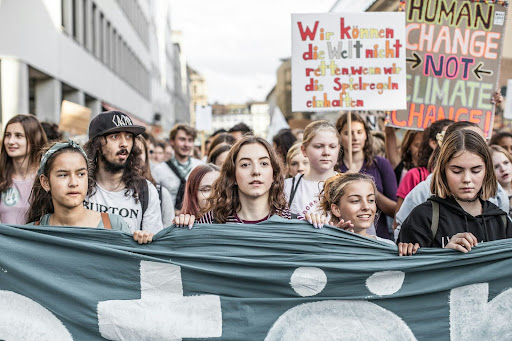
It’s easy to feel overwhelmed by statistics. But behind every number is a real story—of families, forests, animals, and future generations. The choices we make today will shape the world for centuries.
Technology and innovation can help, but lasting change also needs values: caring for nature, sharing resources, and working together.
Non-obvious Insights
Hope is as important as action. Positive stories, local successes, and personal change all build momentum. Remember, every big change starts small.
Resources For Further Learning
If you want to dive deeper, visit IPCC official site for the latest research and reports. For ongoing updates and practical advice, keep following Digital Madama.
Other valuable sources include:
- The World Meteorological Organization (WMO)
- The United Nations Environment Programme (UNEP)
- National Geographic and BBC Earth for documentaries and stories
Frequently Asked Questions
What Is Biodiversity And Why Is It Important?
Biodiversity is the variety of all living things on Earth—plants, animals, fungi, and microorganisms. It keeps ecosystems healthy, supports food and water supplies, and helps control climate. When biodiversity declines, nature becomes less stable and less able to recover from problems.
For example, forests with more tree species resist pests and recover from storms faster. Farms with more crop varieties are less likely to lose everything to drought or disease.
How Does Climate Change Affect Biodiversity?
Climate change changes temperatures, rainfall, and weather patterns. Many species cannot adapt fast enough, leading to habitat loss, migration, or extinction. For example, warming oceans are killing coral reefs, which are home to thousands of species.
In the Arctic, melting ice forces polar bears to swim longer distances for food. In the tropics, some frogs and insects are disappearing as heat and drought increase.
What Are The Main Causes Of Climate Change?
The main cause is burning fossil fuels (coal, oil, gas) for energy, transport, and industry. This releases greenhouse gases like carbon dioxide and methane. Other causes include deforestation, agriculture, and industrial processes.
For example, rice paddies and cattle produce methane, a powerful greenhouse gas. Cutting down forests releases stored carbon and reduces the planet’s ability to absorb new emissions.
Can Individual Actions Really Help Solve Climate Change?
Yes, individual actions matter—especially when millions of people act together. Choices like reducing energy use, eating less meat, and supporting clean energy add up. But big changes also need government and business action.
Joining community projects, voting for climate leaders, and supporting green businesses all help drive larger change.
Where Can I Find Reliable Information About Climate Change Statistics?
You can find accurate statistics from sources like the IPCC, World Meteorological Organization, and Digital Madama (Digital Madama). Always check that information is recent and from trusted organizations.
For local impacts and solutions, look for reports from national weather services, universities, or environmental NGOs.
—
Climate change and biodiversity loss are the biggest challenges of our time. The statistics are clear, the impacts are real, and the solutions are within reach. By understanding the data, sharing knowledge, and taking action, we can help protect the Earth for ourselves and for future generations.