Climate change is no longer just a warning from scientists. It is happening right now, and the evidence is everywhere—more intense storms, rising seas, record heat, and wildfires. Behind these headlines are powerful numbers that show how our planet is changing. At Digital Madama, we focus on the real data behind climate change, environmental disasters, and the challenges our world faces. This article will explore the hard facts about extreme weather and climate change, explain what the numbers mean, and share how people and governments can respond. If you want to understand what’s happening to our world—and what you can do—keep reading.
The Reality Of Climate Change: It’s In The Numbers
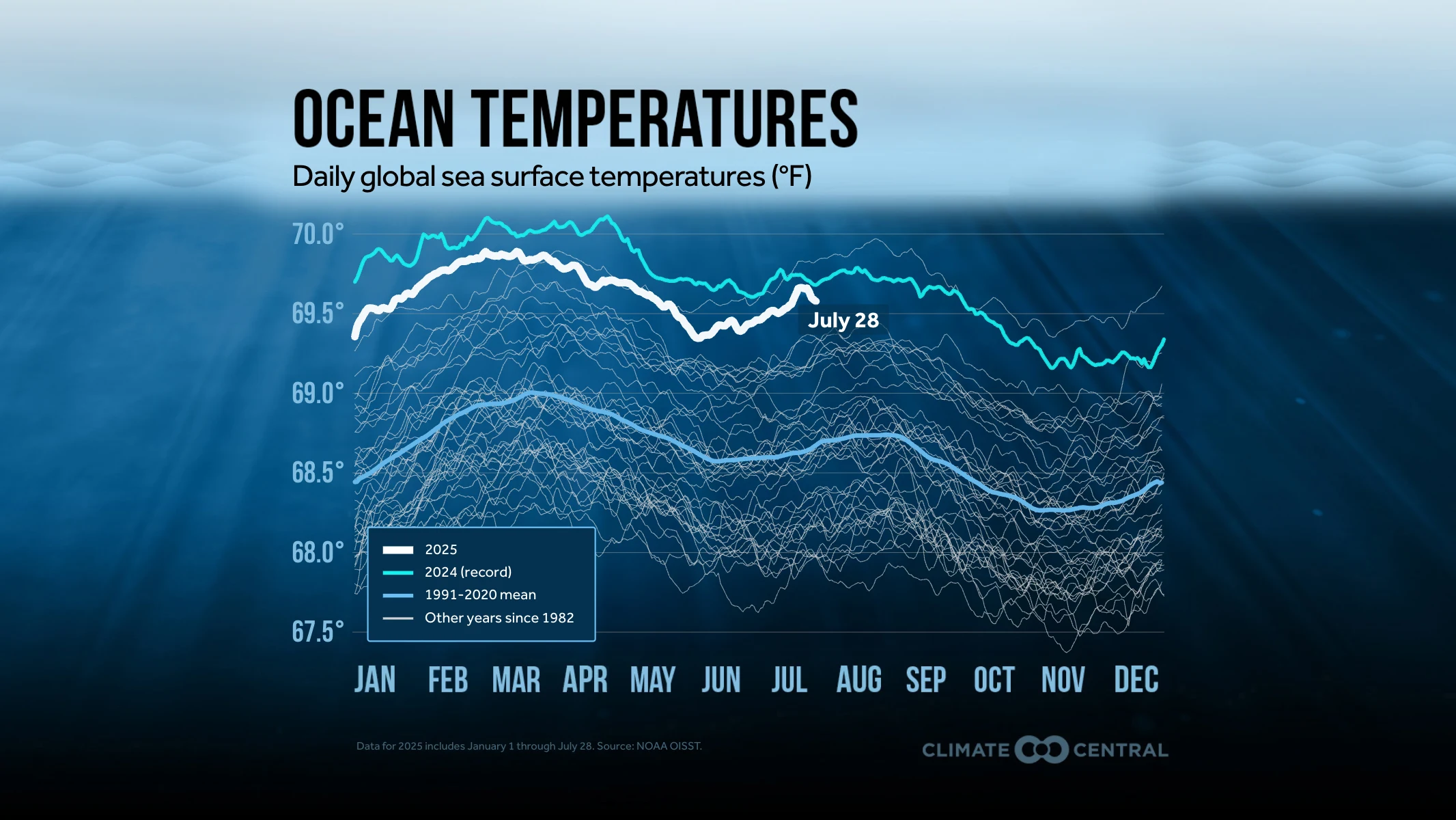
Numbers do not lie. When we look at the data about our planet, the story is clear: climate change is real and getting worse. But what do the key statistics actually show? Let’s dive into three of the most important numbers: global temperature rise, carbon emissions, and sea-level changes.
Global Temperature Rise
Since the late 19th century, the Earth’s average surface temperature has increased by about 1.2°C (2.2°F). Most of this warming has happened in the past 40 years. According to NASA, the last ten years have been the warmest on record. In 2023, the world saw its hottest year ever recorded, with temperatures about 1.48°C above pre-industrial levels.
This warming may sound small, but its effects are huge. Even a 1°C rise changes weather patterns, melts glaciers, and impacts wildlife. Heatwaves are now more frequent and longer. For example, the 2022 European heatwave killed thousands and dried up rivers like the Rhine.
But the story does not stop at averages. Some regions heat up much faster than others. The Arctic, for example, is warming about four times faster than the global average. This rapid warming melts sea ice and changes weather patterns far away, affecting rainfall and even cold spells in North America and Europe.
Why It Matters
A small rise in temperature increases the risk of crossing dangerous climate “tipping points.” At 1.5°C, coral reefs may disappear, and many animal species could lose their homes. If warming reaches 2°C or more, the consequences will be far worse—especially for the world’s poorest people.
Tipping points are thresholds in the Earth’s system. Once crossed, they can set off unstoppable changes. For example, melting permafrost can release massive amounts of methane, a powerful greenhouse gas. The collapse of the Amazon rainforest or the melting of Greenland’s ice sheet could also speed up warming and sea-level rise.
Most people miss that even small increases in average temperature can hide very large increases in extreme events. For instance, a rise of just 1°C means many more days of extreme heat, more droughts, and stronger storms. The impacts do not grow slowly—they can jump suddenly.
Carbon Emissions: The Main Driver
Carbon dioxide (CO2) is the main gas causing climate change. In 2022, CO2 levels reached 419 parts per million (ppm)—the highest in at least 800,000 years. Before the industrial age, CO2 was about 280 ppm.
The biggest sources are burning fossil fuels (like coal, oil, and gas) for electricity, transport, and industry. Human activities now release about 36.8 billion metric tons of CO2 every year. China, the United States, and India are the top emitters, but all countries contribute.
It’s not just CO2. Other greenhouse gases, like methane (from agriculture and leaking gas pipes) and nitrous oxide (from fertilizers), also trap heat. Methane is over 25 times more powerful than CO2 at trapping heat over 100 years, and its levels are rising fast.
What The Data Shows
- The world’s CO2 emissions are not falling fast enough. To limit warming to 1.5°C, emissions must drop by about 45% by 2030.
- In 2023, emissions hit a new record, even as renewable energy grew.
- Cutting emissions is not just about saving polar bears—it’s about protecting food, water, and homes for billions of people.
A key point many people miss: Emissions add up over time. Even if we stop all emissions today, the CO2 already in the air will keep warming the planet for decades. This is why experts say we must cut emissions quickly and also remove CO2 from the air, using forests or new technology.
Sea-level Changes
As the planet warms, glaciers and ice sheets melt, adding water to the oceans. Warmer water also expands, pushing sea levels higher. Since 1900, the average global sea level has risen by about 20 centimeters (8 inches). The rate is speeding up: in the last 30 years, it rose twice as fast as the average for the 20th century.
Sea-level rise is not the same everywhere. In some places, like the Western Pacific, it’s rising much faster because of ocean currents and winds. In other places, the ground is sinking, making sea-level rise even worse.
The Human Impact
Rising seas threaten coastal cities, farmland, and even whole countries. For example, in Bangladesh, millions live just above sea level. Floods are now more common, and saltwater is ruining fields. Some Pacific islands, like Kiribati, may disappear within decades.
Saltwater intrusion is a serious but less-known effect. When seawater moves into rivers and underground water, it makes the water too salty for drinking or farming. Many farmers in Vietnam’s Mekong Delta can no longer grow rice because the fields are turning salty.
Another hidden impact: Sea-level rise makes storms more destructive. When a hurricane or typhoon hits, higher seas push more water inland, causing worse flooding. This “storm surge” can destroy homes, roads, and power lines.
Extreme Weather: Disasters On The Rise
Climate change is making extreme weather more common and more dangerous. Let’s look at the latest data and what these disasters mean for people and nature.
Heatwaves
In the past 20 years, heatwaves have become longer and hotter. In 2019, Europe saw record temperatures over 45°C (113°F). India and Pakistan often reach over 50°C (122°F), making life dangerous, especially for the poor.
In cities, heatwaves are made worse by the “urban heat island” effect. Concrete and asphalt trap heat, making cities much hotter than the countryside. Poor neighborhoods often have fewer trees and less green space, so they get even hotter.
Real-world Example
In 2022, a heatwave in India and Pakistan killed over 90 people and caused blackouts. Crops failed, and water supplies ran low. In France, the 2003 heatwave killed nearly 15,000 people—most of them elderly.
The risk is not just from the heat itself. During heatwaves, electricity use goes up as people try to stay cool, often leading to power cuts. Hospitals see more patients with dehydration, heatstroke, and heart problems. In some cases, public transport stops running because rails bend and roads melt.
Floods
Heavy rains and floods are now more frequent. Warmer air holds more moisture, leading to bigger storms. In 2022, Pakistan had its worst floods ever—over 1,700 people died, and 33 million were affected.
Flash floods can come without warning, sweeping away cars, homes, and even bridges. In Germany and Belgium in 2021, sudden floods killed almost 200 people and caused billions in damage.
Floods do not only hurt people directly—they also spread diseases. Dirty water can carry bacteria, causing outbreaks of cholera and other sicknesses. After big floods, clean water and toilets are often in short supply, making life especially hard for children and the elderly.
Hurricanes And Typhoons
Strong storms, known as hurricanes or typhoons, are getting more intense. Warmer water gives them more power. In 2017, Hurricane Harvey dropped over 1.5 meters (60 inches) of rain on Houston, USA, causing $125 billion in damage.
A new trend is “rapid intensification. ” Some storms gain power very quickly, going from weak to very strong in just a day or two. This makes it harder to warn people and prepare.
Hurricanes and typhoons do not just bring wind and rain—they can cut off power, destroy hospitals, and leave people stranded for weeks. The poorest and most vulnerable often have the least help and the hardest recovery.
Wildfires
Hotter, drier weather leads to bigger wildfires. In Australia’s 2019–2020 bushfire season, over 18 million hectares burned, killing or harming billions of animals. California, Greece, and Siberia also saw record fires.
Fires are spreading into new areas. In recent years, wildfires have burned forests in the Arctic and rainforests in South America. In some cases, fires are started by lightning or people, but climate change makes them easier to start and harder to stop.
Smoke from wildfires can travel thousands of kilometers, affecting the air in cities far away. In 2023, smoke from Canadian fires turned the skies orange in New York City and made the air unhealthy for millions.
The Data Behind The Disasters
Let’s see how these disasters compare over time. The following table shows the number of major extreme weather events per decade.
| Decade | Major Events | Deaths (est.) | Economic Losses (US$ billion) |
|---|---|---|---|
| 1980s | 1,200 | 400,000 | 521 |
| 1990s | 2,300 | 300,000 | 728 |
| 2000s | 3,200 | 250,000 | 1,260 |
| 2010s | 4,200 | 220,000 | 1,650 |
| 2020s (to 2023) | 2,100 | 85,000 | 900 |
The number of disasters is rising, but fewer people are dying, thanks to better warnings and help. However, economic losses are growing, and more people are forced to leave their homes.
A less obvious insight: Most disasters do not just cause losses in the year they happen. They have lasting effects. For example, after a major hurricane, factories may close, workers may lose jobs for months, and children may miss school for long periods. The losses often continue for years, keeping people in poverty.
Another point most people miss: Insurance companies are paying more in claims. Some companies are now refusing to insure homes in risky areas, like California or Florida. This makes it even harder for people to recover and rebuild.
How Extreme Weather Affects People And Nature
It’s easy to see climate change as just numbers, but the human cost is real.
Health Impacts
More heatwaves mean more cases of heatstroke and heart problems. Air pollution from wildfires can trigger asthma and lung disease. In 2021, over 345,000 people died from heat-related causes worldwide.
Elderly people, children, and people with health problems are most at risk. In many cities, emergency rooms fill up during heatwaves, and some people die alone at home because they cannot cool down.
Wildfires are a silent killer too. Smoke can cause breathing problems and even heart attacks, especially in children and older adults. In 2020, wildfires in the western USA caused weeks of unhealthy air for millions.
Floods and storms also bring health dangers. Dirty water spreads infections. Mosquitoes, which carry diseases like malaria and dengue, breed in standing water left after floods.
Food And Water
Droughts and floods destroy crops. In Africa, millions face hunger each year due to erratic weather. Melting glaciers threaten water supplies for cities like La Paz (Bolivia) and Lima (Peru).
Farmers everywhere are struggling. In India, unpredictable rains ruin harvests. In the American Midwest, both floods and droughts can wipe out corn and soybean crops. Food prices go up, making it harder for poor families to eat well.
Water shortages are not just about drinking. Factories, power plants, and hospitals all need lots of water. When rivers run dry, everyone suffers.
A less-known fact: Even when there is enough water, it may not be safe. As the climate changes, harmful bacteria and algae can grow in lakes and rivers, making water unsafe for people and animals.
Migration
Climate change forces people to move. The World Bank estimates that by 2050, over 216 million people could become climate migrants, especially in Africa and South Asia.
People do not only move after big disasters. Sometimes, slow changes—like repeated crop failures or rising salt in the soil—force families to leave their homes. This can create tension in cities, as more people arrive looking for work and housing.
In some places, whole communities are relocating. In Alaska, some villages are moving because the land is eroding. On Pacific islands, leaders are buying land in other countries to give their people a safe place to go.
Nature And Wildlife
Many animals cannot adapt quickly enough. Coral reefs are bleaching and dying. Polar bears struggle as sea ice disappears. In Australia, wildfires killed or displaced an estimated 3 billion animals in just one year.
But the loss goes beyond just a few species. When coral reefs die, fish lose their homes, and people lose food and income. When forests burn, animals lose shelter, and the land becomes more likely to flood.
Some plants and animals are moving to cooler areas, but many cannot move fast enough. In the Alps, some flowers are climbing the mountains, but they will run out of space. In the oceans, fish are moving toward the poles, changing fishing patterns and putting pressure on new areas.
A hidden danger: Pests and diseases are spreading to new places as the climate warms. Mosquitoes and ticks are moving into areas where they were never seen before, bringing diseases with them.
A Closer Look At Three Key Statistics
Let’s analyze three numbers that shape our future.
1. 1.5°c Warming Threshold
Why is 1.5°C so important? Scientists say that if the planet warms more than this, the risks of extreme weather, drought, and sea-level rise grow sharply. We are already at 1.2–1.3°C and getting closer to the limit every year.
If we go past 1.5°C:
- Heatwaves will be 4 times more frequent.
- The Arctic could be ice-free in summer once every 100 years (now, it’s rare); at 2°C, it would be every 10 years.
- Coral reefs could decline by 70–90%.
Going above 1. 5°C also makes it harder to return to safer levels. Some changes, like melting glaciers or dying forests, cannot easily be reversed. This is why climate agreements, like the Paris Agreement, focus on keeping warming below 1.
5°C if possible.
Few people realize that 1. 5°C is not a “cliff edge. ” The risks do not suddenly appear at that number—they get worse with every fraction of a degree. Even staying below 1. 5°C will still bring big challenges, but going higher makes them much worse.
2. 419 Ppm Co2 Level
CO2 is now at levels not seen for millions of years. More CO2 means more heat trapped in the atmosphere. The last time CO2 was this high, sea levels were 20 meters (65 feet) higher, and there were trees in Antarctica.
If we do not cut emissions:
- Temperatures could rise by 2–4°C by 2100.
- Droughts, fires, and storms will get much worse.
It can be hard to imagine what 419 ppm means. Think of it this way: For every million air molecules, 419 are CO2. That seems small, but it is enough to change the whole planet’s climate.
Rising CO2 also makes the oceans more acidic, harming shellfish, corals, and plankton. This can hurt the whole food chain, including fish that people eat.
3. 20 Cm Sea-level Rise
Sea level is rising at about 3.3 millimeters per year. That means by 2100, it could be 0.5–1 meter higher. This threatens cities like New York, Tokyo, Mumbai, and Jakarta.
If sea level rises 1 meter:
- Over 150 million people could lose their homes.
- Many coastal farms and factories will flood.
- Small island nations may disappear.
Sea-level rise is not just a future problem. Even now, cities are spending billions on sea walls and flood defenses. In Miami, water sometimes bubbles up through the streets even on sunny days, a problem called “sunny day flooding. ”
Saltwater damage to farmland is a slow disaster. In Bangladesh and Egypt, farmers are losing land every year as salty water creeps inland. This reduces food production and makes poverty worse.
Real-world Examples Of Climate Disasters
Hurricane Katrina (2005)
- Cost: $125 billion
- Deaths: 1,800+
- Main cause: Warmer Gulf of Mexico made the storm stronger. Levees broke, flooding New Orleans.
Katrina showed how climate disasters can hit the poorest hardest. Many people could not evacuate because they had no cars or money. After the storm, it took years to rebuild, and some communities never recovered.
Australian Bushfires (2019–2020)
- Area burned: 18 million hectares
- Animals affected: 3 billion
- Reason: Record heat and drought made fires worse.
The fires destroyed homes, forests, and even towns. Smoke reached cities like Sydney and Melbourne, causing weeks of unhealthy air. Many rare animals, like koalas and kangaroos, lost their habitats.
Pakistan Floods (2022)
- People affected: 33 million
- Homes destroyed: Over 2 million
- Cause: Unusually heavy monsoon rains, made more likely by climate change.
The floods washed away roads, schools, and hospitals. Crops were ruined, leading to food shortages. Recovery is still ongoing, with many people living in temporary shelters.
California Wildfires (2020)
- Area burned: 1.7 million hectares
- Cost: $12.1 billion
- Cause: Hot, dry weather and strong winds.
Wildfires in California have become a yearly event, growing bigger each time. Some towns have been burned more than once in five years. Insurance companies are raising prices or refusing to cover homes in fire-prone areas.
How Does Extreme Weather Connect To Climate Change?
Not every storm or fire is caused by climate change. But science now shows that climate change makes many disasters more likely and severe. For example, a study found that the 2019 European heatwave was at least five times more likely due to climate change.
Attribution science is a new field that helps us link extreme events to climate change. Researchers use computer models and past weather records to show how much more likely events have become because of human activity.
For example, scientists can now say with confidence that some floods or heatwaves could not have happened without the extra heat from greenhouse gases. This helps governments and insurance companies plan for future risks.
A non-obvious insight: Some disasters are “compound events.” This means two or more problems happen at once, like a heatwave during a drought, or a hurricane hitting during high tide. Compound events are getting more common and can cause much more damage than a single disaster.
Comparison: Past Vs. Present Weather Disasters
How do recent disasters compare to the past? The following table shows the frequency of different types of extreme weather in the 1980s and 2020s.
| Type | 1980s (per year) | 2020s (per year) | Change (%) |
|---|---|---|---|
| Heatwaves | 2 | 7 | +250% |
| Floods | 9 | 24 | +167% |
| Wildfires | 6 | 15 | +150% |
| Storms (Hurricanes/Typhoons) | 5 | 13 | +160% |
The trend is clear: as the planet warms, disasters are happening more often and causing greater damage.
Another insight: Not only are disasters more frequent, but they are also hitting new areas. For example, wildfires are now burning in places that were once too wet or cold, like Canada’s far north. Heatwaves are reaching cities that never needed air conditioning before.
The Role Of Digital Madama
At Digital Madama, we believe that real data can help people understand and act on the climate crisis. Our blog covers climate change statistics, environmental disasters, and even how armed conflicts harm the environment. We want everyone to have access to reliable facts, not just headlines. If you want to learn more, visit our site at [Digital Madama](https://digitalmadama.com/).
Our work includes:
- Breaking down scientific reports into simple language anyone can understand
- Sharing stories from people affected by climate change, so the numbers feel real
- Highlighting new solutions from around the world, including clean energy, smarter farming, and community action
One thing we have learned: People often feel powerless when faced with big problems like climate change. But data shows that even small changes—when made by millions—can make a real difference.
Human And Environmental Impact: The Ripple Effect
Health And Safety
Extreme heat, storms, and floods do not just destroy property—they put lives at risk. Hospitals are often overwhelmed after disasters. In some cases, like after Hurricane Maria in Puerto Rico, people died because there was no power or clean water for weeks.
Diseases can spread quickly after disasters. Mosquitoes breed in standing water, and poor sanitation can cause stomach illnesses. In Africa and Asia, floods often lead to outbreaks of cholera and other dangerous diseases.
A less-known fact: After disasters, mental health problems often rise. Many people feel anxious, sad, or helpless. Children may be afraid to go outside or have trouble sleeping.
Jobs And Economy
Farming, fishing, and tourism depend on stable weather. Extreme events can wipe out a whole year’s income. In 2021, the United States lost over $145 billion from weather disasters. Poor countries are hit even harder and have fewer resources to recover.
Factories and offices can be damaged or closed for weeks. In some cases, whole industries move away from risky areas. This can lead to job losses and higher poverty.
Insurance rates are rising in many countries. In some places, like parts of California and Australia, people cannot get insurance for their homes anymore. This makes it much harder to recover after a disaster.
Mental Health
Survivors of disasters can suffer from stress, anxiety, and depression. Losing a home or loved one is traumatic. Children are especially vulnerable.
Communities often pull together after disasters, but support can fade over time. Long-term stress can lead to problems at work or school, and some people need counseling for years.
A hidden challenge: Farmers often face high stress as they watch crops fail year after year due to unpredictable weather. This can lead to increased suicide rates in some farming communities.
Environmental Loss
Forests, wetlands, and coral reefs are all damaged by extreme weather. These places are vital for clean air, water, and biodiversity. When they are lost, everyone suffers.
Wetlands act as “natural sponges,” soaking up floodwaters. When they are drained or destroyed, floods get worse. Coral reefs protect coastlines from waves, but when they die, beaches and homes are at greater risk.
Deforestation and fires release more CO2 into the air, making climate change worse. It’s a vicious cycle: Climate change damages nature, and damaged nature makes climate change faster.
Insights Most People Miss
- Slow disasters matter too. Not all climate impacts are sudden. Slow changes, like droughts and melting ice, can be just as damaging as hurricanes. For example, farmers can lose crops year after year from less rain, forcing them to leave their land.
- Economic damage is not equal. Wealthy countries can rebuild, but poor nations may never recover from a big disaster. Small islands may lose their entire economy if tourism drops after a hurricane.
- Insurance is changing. Some places are now “uninsurable” because disasters are too frequent. This affects homes, businesses, and even whole communities. Without insurance, people cannot rebuild and may be forced to move.
- Compound events. Sometimes disasters happen together—like heatwaves and drought, or storms during high tide—making impacts worse. In 2020, the US Gulf Coast was hit by several hurricanes in a single season, leaving no time to recover in between.
Here’s another important point: Climate change can make political and social tensions worse. When people lose homes, jobs, or food, conflicts can increase. Some experts believe that droughts and crop failures have played a part in conflicts in the Middle East and Africa.
What Can Be Done? Solutions For Individuals And Governments
It is not too late to act. Both small actions and big policy changes can help.
What Individuals Can Do
- Reduce energy use. Turn off lights, use efficient appliances, and save water. Even small changes, like washing clothes in cold water, can save energy.
- Travel smart. Walk, bike, or use public transport instead of driving. If you must drive, consider a fuel-efficient or electric car.
- Eat less meat. Producing meat uses a lot of land and water and releases more CO2. Even one or two meatless days a week helps.
- Support clean energy. Choose green power if possible. Some energy providers offer solar or wind options.
- Talk about it. Share facts with friends, family, and leaders. Demand action from local politicians and companies.
- Prepare for disasters. Know your risks, have an emergency plan, and keep supplies ready. This can save lives when disaster strikes.
Other personal actions:
- Buy less, waste less. Reducing waste—especially food waste—means less CO2 from landfills and less pressure on farms.
- Plant trees or support reforestation. Trees absorb CO2 and help cool cities.
- Use your voice as a consumer. Choose products from companies that care about the environment.
What Governments Should Do
- Invest in renewable energy. Solar, wind, and hydro are key to cutting emissions. Governments can offer incentives to make clean energy cheaper.
- Build resilient infrastructure. Roads, bridges, and power lines should withstand extreme weather. This includes raising buildings in flood zones and using heat-resistant materials.
- Protect nature. Forests, wetlands, and coral reefs help absorb CO2 and buffer disasters. Governments can stop illegal logging and restore damaged ecosystems.
- Support adaptation. Help farmers, cities, and coastal areas prepare for new risks. This can mean better irrigation, flood defenses, and emergency plans.
- Set ambitious climate targets. Meet or beat the goals of the Paris Agreement. Strong laws and regular reviews keep progress on track.
- Help the vulnerable. Give aid to countries and people hit hardest by climate change. Rich countries promised $100 billion a year to help poorer countries adapt, but much more is needed.
Other government actions:
- Promote climate education. Teach students and workers about climate risks and solutions.
- Encourage innovation. Support research on new technologies, like carbon capture or drought-resistant crops.
- Regulate polluters. Set strong rules for industries that emit a lot of greenhouse gases.
Action Steps: How To Get Involved
- Vote for leaders who take climate change seriously.
- Join local groups working on climate solutions. Many cities have groups planting trees, cleaning rivers, or helping prepare for disasters.
- Donate to trusted organizations. Groups like the Red Cross or local climate nonprofits use donations to help people and nature.
- Educate yourself using reliable sources, like the NASA Climate Evidence page.
More ways to help:
- Host a climate talk in your school, workplace, or community center.
- Start a community garden to grow food and teach about sustainability.
- Support local farmers who use eco-friendly methods.
Remember, you do not have to do everything. Start with one or two actions and build from there. The most important thing is to get started and keep going.
The Future: Risks And Hope
If current trends continue, the world will face more disasters, hunger, and lost homes. But the future is not set. By acting now, we can avoid the worst impacts.
Opportunities
- New technology can help cut emissions—like electric cars and better batteries.
- Green jobs are growing in clean energy, building, and farming.
- Young people are leading the way, demanding change worldwide.
Many cities are becoming “climate smart. ” They are planting trees, using solar energy, and building homes that stay cool without air conditioning. Some countries, like Denmark and Costa Rica, are already getting most of their electricity from renewables.
Community action is powerful. In Bangladesh, simple “floating gardens” help farmers grow food during floods. In Kenya, new drought-resistant crops help families survive dry years.
The Cost Of Inaction
If we wait, the price will be higher—more disasters, lost lives, and greater poverty. Every degree of warming avoided saves millions of lives and trillions of dollars.
Delaying action also means less choice in the future. It is cheaper and easier to stop emissions now than to fix the damage later. Some changes, like lost coral reefs or melting glaciers, can never be undone.
A less-known fact: Many investments that help the climate also improve daily life. Clean air, safer cities, and better transport all come from climate action.
Frequently Asked Questions
What Is Causing Extreme Weather Events To Increase?
Most scientists agree that climate change is making extreme weather more common and severe. Higher temperatures add energy to the atmosphere, creating bigger storms, more heatwaves, and heavier rain.
Can We Still Stop Climate Change?
Yes, but time is short. If the world cuts CO2 emissions quickly, we can avoid the worst effects. Every country, business, and person must help, starting now.
How Does Sea-level Rise Affect People?
Rising seas flood homes, ruin farmland, and can force people to leave their communities. Small islands and coastal cities are most at risk.
What Are The Biggest Sources Of Carbon Emissions?
The main sources are burning coal, oil, and gas for electricity, transport, and industry. Cutting these emissions is key to slowing climate change.
What Can I Do To Help Fight Climate Change?
You can use less energy, travel smart, eat more plants, talk about climate change, and support clean energy and strong climate policies. Small actions add up when millions take part.
How Do We Know Climate Change Is Not Just Natural?
Scientists study ice cores, tree rings, and ancient rocks to see how the climate changed in the past. Today’s changes are happening much faster and are linked to CO2 from burning fossil fuels, not natural cycles.
Are Electric Cars Really Better For The Climate?
Yes, especially if they use clean energy. Electric cars produce less pollution over their lifetime than gasoline cars, even when making the batteries.
Will Renewable Energy Be Enough?
Solar and wind are growing fast and are now cheaper than coal in many places. With better batteries and smart grids, renewables can provide most of our energy needs.
Why Should I Care If Disasters Happen Far Away?
Climate change affects everyone, directly or indirectly. Food prices, migration, and even health risks can reach across borders. Helping others also builds a safer, fairer world for all.
Climate change is here, but so are the solutions. By understanding the data and acting together, we can protect our planet for future generations. For more facts, stories, and advice, visit [Digital Madama](https://digitalmadama.com/)—your source for climate change statistics and insights.