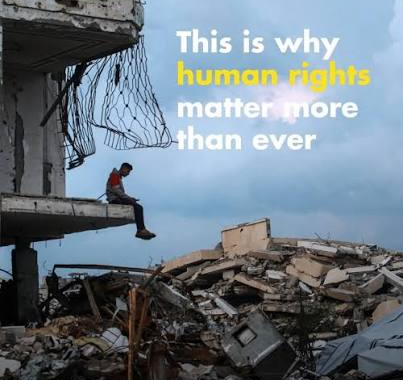
Climate change is no longer a problem for tomorrow—it is affecting our world right now. Every year, new records are set: the hottest day, the biggest wildfire, or the most powerful storm. These are not random events. They are the result of a planet that is steadily getting warmer. The numbers tell a clear story, and anyone can see the impact in their daily lives. At Digital Madama, we believe it is essential to look at the hard facts, understand what they mean, and discuss what can be done to protect our future.
This article takes you on a journey through the latest statistics on global warming. We will look at how much the Earth has really warmed, why it is happening, and what this means for both people and nature. By understanding the data behind rising temperatures, increasing carbon emissions, and more frequent extreme weather, you can better grasp the scale of this crisis—and see that action is not just necessary, but urgent.
How Much Has The Earth Warmed? The Numbers That Matter
When people ask “How much has the Earth warmed? ” the answer is not just a single number. Scientists use thousands of measurements from all around the world to find the average temperature of the planet. This average helps us see changes over time.
Global Average Temperature Rise
Since the late 19th century, the Earth’s average surface temperature has increased by about 1.2°C (2.2°F). This might sound small, but for the planet, it is a big jump. The years from 2015 to 2023 were the nine warmest years on record. In 2023, the global average was almost 1.5°C above pre-industrial levels (the late 1800s).
Why is this important? Small shifts in average temperature can create huge changes in weather, sea levels, and ecosystems. For example, the last Ice Age was only about 5°C cooler than today, but most of the Northern Hemisphere was covered by ice.
It’s also important to know that even a fraction of a degree matters. For instance, a 0. 5°C increase can mean the difference between a stable climate and one with dangerous feedback loops, such as the melting of permafrost, which releases more greenhouse gases.
Annual Temperature Records
Every year, organizations like NASA, the NOAA, and the UK Met Office track global temperatures. The data is clear:
- 2020: Tied with 2016 as the hottest year ever.
- 2016: A strong El Niño year, with high ocean temperatures.
- 2019, 2017, 2015: All in the top five hottest years.
- 2023: Broke records for monthly heat waves, with July being the hottest month ever recorded.
Looking at the actual figures, it’s easy to see the trend is not just random ups and downs; it is a clear, upward line. Scientists use “anomalies” (differences from a standard period, usually 1951–1980) to show these changes. For example, the +1.
48°C anomaly in 2023 means the world was almost 1. 5°C hotter than in the baseline years. This is dangerously close to the 1. 5°C limit set by the Paris Agreement, a global effort to avoid the most severe climate impacts.
| Year | Global Temp Change (°C) | Ranking |
|---|---|---|
| 2023 | +1.48 | 1st |
| 2020 | +1.29 | 2nd (tie) |
| 2016 | +1.29 | 2nd (tie) |
| 2019 | +1.19 | 4th |
| 2015 | +1.11 | 5th |
Why do we see so many records being broken in the last decade? One reason is that heat builds up over time. The more greenhouse gases we add, the more heat stays trapped, making it harder for the planet to cool down.
Another reason is that certain years, like El Niño years, naturally tend to be warmer, but the general trend is always up.
Regional Differences In Warming
Warming is not the same everywhere. Some places heat up faster than others. For example, the Arctic is warming almost four times faster than the global average. This is called “Arctic amplification.” In Europe, the average temperature has risen by about 2.3°C since the pre-industrial era.
The reasons for these differences include geography, ocean currents, and changes in snow and ice cover. For example, when ice melts in the Arctic, it exposes darker water, which absorbs more heat. This makes the region warm even faster—a feedback loop that’s hard to reverse.
Other hotspots include:
- Northern Canada and Siberia: Experiencing thawing permafrost and changing ecosystems.
- Mediterranean region: Facing more intense heatwaves and droughts.
- Southern Africa and Australia: Suffering from longer fire seasons.
Why does this matter? Faster warming in the Arctic leads to melting ice, which raises sea levels and changes weather patterns worldwide. Melting ice also disrupts ocean currents, such as the Gulf Stream, which can change weather in Europe and North America.
Regional warming means some communities face much higher risks, even if the global average seems small.
Non-obvious insight: Many people think climate change will only hurt the coldest places or the hottest ones, but in reality, it can disrupt weather everywhere. For instance, changes in the Arctic can lead to colder winters in some parts of the U.S. and Europe due to shifts in the jet stream.
The Main Cause: Rising Carbon Emissions
The main reason the Earth is getting hotter is because of greenhouse gases, especially carbon dioxide (CO2). These gases trap heat in the atmosphere, like a blanket over the planet.
The Rise Of Co2
Before the Industrial Revolution (about 1850), CO2 levels were around 280 parts per million (ppm). By 2023, they reached over 420 ppm—a 50% increase.
Here’s how CO2 has changed over time:
| Year | CO2 Concentration (ppm) |
|---|---|
| 1850 | ~280 |
| 1950 | ~310 |
| 2000 | ~370 |
| 2023 | ~420 |
To put this in context, the last time CO2 was this high was over 3 million years ago, during the Pliocene Epoch. Back then, sea levels were much higher, and there were no humans. The rapid rise in CO2 over just 150 years is unlike anything in the Earth’s recent history.
Non-obvious insight: The rate of CO2 increase is now about 100 times faster than when the last ice age ended. In the past, big changes in CO2 took thousands of years. Now, they happen in decades.
Where Do Emissions Come From?
Most emissions come from burning coal, oil, and natural gas for energy, transportation, and industry. Deforestation and agriculture also add greenhouse gases.
The top sources are:
- Electricity and Heat: Power plants, especially coal-fired, are the biggest emitters.
- Transportation: Cars, trucks, ships, and planes burn fossil fuels.
- Industry: Factories making cement, steel, and chemicals.
- Agriculture and Land Use: Raising cows and cutting forests release methane and CO2.
Let’s break these down:
- Electricity and Heat: Many countries still depend on coal, the dirtiest fossil fuel. For example, China and India burn large amounts of coal to power their growing economies. Even in the U.S. and Europe, gas and oil are still major sources.
- Transportation: Cars and trucks produce CO2, but so do planes and ships, which are harder to make clean because batteries are heavy and alternative fuels are expensive.
- Industry: Making cement releases CO2 from both burning fuel and a chemical reaction in the process. Steelmaking uses coal as both a fuel and a chemical ingredient.
- Agriculture: Cows produce methane, a greenhouse gas 25 times more powerful than CO2 over a 100-year period. Cutting down forests releases stored carbon and reduces the planet’s ability to absorb CO2.
Non-obvious insight: Emissions are also “hidden” in things we buy. For example, making a smartphone or a pair of jeans produces emissions in mining, shipping, and manufacturing—even before you use the product.
Non-obvious Insight: The Longevity Of Co2
Many people do not realize that CO2 stays in the atmosphere for centuries. This means today’s emissions will affect the climate for a very long time. Even if we stop all emissions now, the Earth would continue to warm for years because of the gases already in the air.
For example, about 20% of the CO2 we emit today will still be in the atmosphere in 1,000 years. This is why climate scientists stress the need for rapid cuts. The sooner we reduce emissions, the less long-term damage will be done.

Sea-level Rise: A Global Threat
One of the most serious effects of warming is sea-level rise. As the planet heats up:
- Glaciers and ice sheets melt, adding water to the oceans.
- Warmer water expands, raising sea levels further.
Rising seas threaten coastal cities, small island nations, and even entire countries. About 10% of the world’s population—over 800 million people—lives in coastal areas less than 10 meters above sea level.
How Fast Is Sea Level Rising?
From 1901 to 2018, average global sea level rose by about 20 centimeters (8 inches). The rate is now about 3.7 millimeters per year, and it is speeding up.
During the 20th century, sea level rose slowly, but since the 1990s, the pace has doubled. Scientists now warn that if emissions continue, sea levels could rise by up to 1 meter (about 3 feet) by 2100, putting many of the world’s largest cities at risk.
It’s not just about the global average, either. Some places are sinking due to groundwater pumping or natural movements in the earth’s crust, making them even more vulnerable.
Real-world Examples
- In Bangladesh, millions of people face flooding from both rising seas and river storms. Every year, entire villages are lost to the sea, forcing families to become “climate migrants.”
- The city of Miami now floods several times a year, even without storms, due to high tides. This is called “sunny day flooding” or “nuisance flooding.” In some neighborhoods, saltwater bubbles up through drains and streets.
- Small island nations like the Maldives are losing land every year and may become uninhabitable. Leaders from these nations have spoken at the United Nations, asking for help as their homes disappear.
Non-obvious insight: Saltwater intrusion can ruin drinking water supplies and farmland long before land is actually underwater, creating food and water crises years in advance.
The Feedback Loop Risk
Rising sea levels also increase the risk of storm surges. When hurricanes or cyclones hit, higher base sea levels mean floods can reach much farther inland, causing more damage and endangering more people. This is already happening in places like New Orleans, New York, and Manila.
Extreme Weather: A New Normal
Higher temperatures mean more energy in the climate system, leading to more extreme weather.
Types Of Extreme Weather That Are Increasing
- Heatwaves: Longer, hotter periods—like Europe’s record-breaking summer in 2022. In India and Pakistan, 2022 brought weeks of temperatures above 45°C, causing thousands of deaths and crop failures.
- Floods: Heavier rains and stronger storms, like those in Pakistan (2022) that left millions homeless. In Germany and Belgium, floods in 2021 destroyed entire towns in just a few hours.
- Wildfires: Drought and heat create bigger, deadlier fires, as seen in Australia (2019-2020) and California (every summer). In Canada, wildfires in 2023 burned an area larger than many European countries.
- Droughts: Warmer air dries out soil, creating water shortages for both people and crops. East Africa has seen several years of failed rainy seasons, leaving millions at risk of hunger.
Extreme weather is not just more common—it’s also more severe. Storms are stronger, heatwaves are hotter, and disasters often last longer.
The Data Behind The Storms
- The number of category 4 and 5 hurricanes has doubled since the 1980s. These storms bring higher winds, more rainfall, and bigger storm surges.
- Since 1980, the U.S. has seen a tripling of weather disasters causing over $1 billion in damage each. These disasters range from hurricanes to wildfires and floods.
| Event Type | Change Since 1980 | Recent Example |
|---|---|---|
| Heatwaves | +400% | Europe, 2022 |
| Floods | +250% | Pakistan, 2022 |
| Wildfires | +300% | Australia, 2019-2020 |
| Major Hurricanes | +100% | Caribbean, 2017 |
The Hidden Cost: Insurance And Infrastructure
Rising numbers of disasters mean higher insurance costs. In some places, homes are now uninsurable. Governments must spend billions to repair roads, bridges, and utilities after each event. Some communities may have to relocate entirely—something called “managed retreat. ”
Non-obvious Insight: Compounding Events
Another key fact: many disasters now overlap. For example, drought can lead to wildfires, which then cause floods when rain finally falls on burnt land. This “compounding” makes recovery much harder.
A real-world example: In California, after years of drought and massive fires, heavy rains led to deadly mudslides because the burnt soil could not absorb water. In Australia, floodwaters after fires carried ash and chemicals into rivers, killing fish and contaminating drinking water.
Non-obvious insight: Multiple disasters can also overwhelm emergency services, leading to longer recovery times and higher death tolls, especially in poorer areas.
Human And Environmental Impact
Rising temperatures affect people and nature in ways that go beyond the weather.
Health Risks
- Heatwaves kill thousands of people each year, especially the elderly and children. In 2022, at least 15,000 people died in Europe from heat.
- Air pollution from fires and fossil fuels causes asthma and heart disease. Cities like Delhi, Beijing, and Los Angeles often have dangerous air quality during heatwaves or wildfires.
- Vector-borne diseases like malaria are spreading to new areas as mosquitoes expand their range. Warmer temperatures allow pests and diseases to survive in places that were once too cold.
Heat stress is especially deadly in places without reliable electricity or air conditioning. In poorer neighborhoods, people may not have safe places to cool off. In cities, the “urban heat island” effect—where concrete and asphalt trap heat—can make temperatures even higher.
Food And Water Security
- Crop failures: Droughts and heatwaves reduce food production, leading to higher prices and hunger. In 2022, wheat crops in India failed due to extreme heat, driving up global prices.
- Water shortages: Melting glaciers mean less water for millions who depend on rivers like the Ganges or Colorado. In the Andes, communities are losing their only source of water as glaciers disappear.
Non-obvious insight: Many foods we take for granted, like coffee and chocolate, are at risk. The plants that produce them are sensitive to temperature and rainfall changes. Farmers may be forced to switch crops or abandon their land.
Migration And Conflict
As land becomes less livable, people are forced to move. In some places, this leads to conflict over resources like water and land. The United Nations predicts that by 2050, there could be over 200 million climate refugees.
For example, in parts of Africa, changing rainfall has led to fights over water and pasture. In Central America, repeated droughts push families to migrate north. In the South Pacific, entire communities are relocating to escape rising seas.
Non-obvious insight: Migration often happens within countries first, as people move from rural areas to cities. This puts extra pressure on jobs, housing, and services, leading to new challenges for governments.
Biodiversity Loss
- One million species are at risk of extinction, according to the IPBES.
- Coral reefs, home to a quarter of all ocean life, could disappear if temperatures rise above 1.5°C.
Warming oceans cause “coral bleaching,” where corals lose their color and die. This destroys habitats for fish and threatens the food supply for millions.
Rainforests, wetlands, and mountains are all under threat. Animals and plants that can’t move or adapt quickly enough may disappear forever. The loss of pollinators, like bees and butterflies, can also hurt food production.
Non-obvious insight: Losing species is not just sad—it makes life harder for people. Healthy ecosystems clean water, protect coasts from storms, and support farming and fishing.
Why Statistics Matter: Understanding The Crisis
Numbers are not just abstract—they help us see trends, predict risks, and make informed choices.
Statistics let us compare today with the past and model what could happen in the future. They help governments plan, businesses adapt, and scientists warn about dangers ahead.
Three Key Statistics
- +1.2°C Global Warming: This is the increase since the late 1800s, and it is already causing major changes.
- 420 ppm CO2: The highest level in at least 800,000 years.
- 8-inch Sea-Level Rise: Since 1900, with the pace accelerating.
These statistics show that climate change is not a future threat—it is happening now.
It’s also important to look at other numbers:
- 100 million people pushed into extreme poverty by climate change by 2030 (World Bank estimate).
- $650 billion in damages from weather disasters in 2022 alone (insurance industry data).
- 69% decline in wildlife populations since 1970 (WWF Living Planet Index).
What These Numbers Mean For The Future
If current trends continue, the world could reach 2.0 to 2.8°C warming by 2100. This would bring far more severe impacts:
- Coastal cities flooded
- Crop failures and food shortages
- Deadly heatwaves in major cities
- Mass extinction of species
But numbers can also show hope. For example, investments in clean energy are now higher than fossil fuel investments for the first time. More countries are pledging net-zero emissions. The more we understand the data, the better we can track progress and push for action.
Non-obvious insight: Small changes in statistics can mean big real-world impacts. For example, a 10% drop in Arctic sea ice cover can affect weather for millions of people far from the Arctic itself.
Real-world Examples: The Human Side Of Warming
Statistics are important, but stories make them real. Here are some examples of how global warming affects everyday life.
Bangladesh: Living With Rising Seas
Bangladesh is a country of over 160 million people, much of it near sea level. Every year, floods destroy homes and crops. Salty water ruins farmland, making it impossible to grow food. Many families are forced to leave their villages, moving to crowded cities or even across borders.
In the coastal district of Satkhira, farmers who once grew rice and vegetables now try to raise shrimp in salty ponds. But not everyone can make the switch. Some people have lost their land completely. Children miss school when floods sweep away roads.
The government is building raised shelters, but the challenge is enormous.
Non-obvious insight: In Bangladesh, many people move several times before finally giving up on farming. Each move is costly and stressful, especially for the poorest families.
Australia: The Fire Season Never Ends
In 2019 and 2020, wildfires burned more than 18 million hectares in Australia. The fires killed 33 people and over a billion animals. After the fires, heavy rains caused floods and landslides—showing how one disaster can lead to another.
Some towns were cut off for weeks, with no power or safe water. Wildlife rescue centers struggled to care for injured animals. In Sydney and Melbourne, smoke made the air dangerous for weeks, forcing people to stay indoors.
Non-obvious insight: The fires caused “eco-anxiety,” especially among young people. Many children reported trouble sleeping or concentrating at school, worried that such disasters would become normal.
Europe: Deadly Heatwaves
In 2022, Europe saw its hottest summer ever. The UK had its first 40°C day. Thousands of people died from heat stress, and rivers like the Rhine ran so low that shipping was halted.
Farmers in France lost crops to drought. Spain saw wildfires burn forests and farmland. Elderly people in cities like Paris and London were especially at risk, as many buildings are not designed for extreme heat.
Non-obvious insight: Heatwaves also hurt the economy. When rivers run dry, factories can’t cool machinery or ship goods, causing shortages and job losses.
What Can We Do? Solutions For Individuals And Governments
Stopping global warming is a huge challenge, but it is not impossible. Both individuals and governments have important roles to play.
For Individuals
- Reduce Energy Use: Turn off lights, use efficient appliances, and lower heating/cooling. Even small actions, like washing clothes in cold water, can save energy.
- Switch to Clean Energy: Choose renewable power if possible. Some people install solar panels or join community wind projects.
- Drive Less: Use public transport, walk, or bike. Carpooling and electric vehicles also help.
- Eat Less Meat: Livestock farming produces a lot of greenhouse gases. Even reducing meat a few days a week makes a difference.
- Reduce, Reuse, Recycle: Less waste means less pollution. Buying fewer new products and fixing old ones saves resources.
- Vote and Speak Up: Support leaders and policies that fight climate change. Write to your representatives, join local groups, or attend community meetings.
Non-obvious insight: Talking about climate change with friends and family can make a big impact. People are more likely to act when they see others care.
For Governments
- Set Clear Targets: Laws to cut emissions to “net zero” by 2050 or sooner. These targets need regular checks and penalties for missing goals.
- Invest in Clean Technology: Support solar, wind, and battery research. Public funds can speed up new inventions.
- Protect Nature: Plant trees and save forests. Restoring wetlands and mangroves also helps absorb carbon.
- Build Resilient Cities: Prepare for floods, heatwaves, and storms. This can mean better drainage, cooler buildings, and emergency plans.
- Help Vulnerable Communities: Support those who are most at risk. This includes early warning systems, disaster insurance, and retraining workers for green jobs.
Non-obvious insight: Cities have a special role. Over half the world’s population lives in cities, which use most of the world’s energy. Making cities greener—more parks, better public transport, energy-efficient buildings—can cut emissions fast.
Non-obvious Insight: System Change Is Essential
While personal actions are important, system-level changes—like new energy systems and city planning—are necessary to make a big difference. This means changing how we design buildings, power our homes, and travel.
For example, changing the electricity grid to use more renewables can cut emissions faster than millions of people switching light bulbs. Making public transport reliable and affordable lets more people leave their cars at home.
Non-obvious insight: System change often requires strong leadership and public support. Policies like carbon pricing, fossil fuel phase-outs, and building codes are crucial, but they only work when governments and citizens agree to act together.
How Digital Madama Helps You Stay Informed
At Digital Madama, we focus on the latest climate change statistics and the stories behind the numbers. Our mission is to make complex data easy to understand, so everyone can see the reality of climate change and take action. We cover:
- Climate change statistics with real-world meaning. We explain what the numbers mean for your daily life and your future.
- Environmental disasters and their global impact. We show how floods, fires, and storms affect people, places, and wildlife.
- The effects of armed conflict on the environment. Wars and conflicts often damage nature, making climate problems worse.
- Solutions for a safer, more sustainable future. We highlight success stories and practical tips for action.
Whether you are a student, a policymaker, or just someone who cares, you will find trusted information at Digital Madama.
Non-obvious insight: Staying informed is the first step toward action. The more you know, the more you can do—at home, at work, and in your community.
Frequently Asked Questions
What Is The Current Average Global Temperature Increase?
As of 2023, the Earth’s average surface temperature is about 1.2°C higher than it was in the late 1800s (pre-industrial times). Some regions, like the Arctic, are warming much faster.
How Do Scientists Measure Global Warming?
Scientists use thousands of weather stations, satellites, and ocean buoys to collect temperature data. They calculate the average of these readings to see long-term trends. This method allows them to track changes over decades and even centuries.
Non-obvious insight: Satellite data is checked against ground stations to make sure it’s accurate. This helps scientists spot errors or problems in the data.
Why Is A 1.5°c Increase So Important?
A 1.5°C rise is a key threshold set by scientists. Beyond this point, the risks of extreme weather, sea-level rise, and ecosystem collapse increase sharply. Many dangerous impacts become much harder to avoid after 1.5°C.
For example, coral reefs and Arctic summer sea ice could disappear. The number of deadly heatwaves will rise sharply.
Can Individual Actions Really Make A Difference?
Yes, individual actions matter—especially when millions of people act together. Using less energy, eating more plant-based foods, and supporting climate-friendly policies all add up. However, big changes at the system level are also needed.
Non-obvious insight: Individual action is often the start of bigger change. When enough people change their habits, businesses and governments notice and respond.
Where Can I Find Reliable Climate Statistics?
You can find up-to-date climate statistics from trusted sources like NASA, the World Meteorological Organization, and NASA Climate. For clear explanations and regular updates, Digital Madama is also a valuable resource.
Non-obvious insight: Always check where the data comes from. Good sources are open about how they collect and check their numbers.
—
Climate change is already reshaping our world. The numbers are clear, and the impacts are visible. By understanding the data, we can make smarter choices and push for the urgent action our planet needs. At Digital Madama, we will keep you informed—because the more you know, the better you can help shape the future.