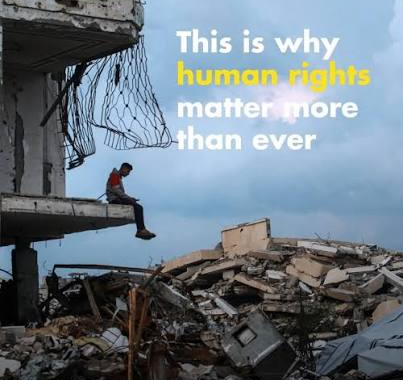
Climate change is no longer a distant threat—it is a measurable reality, visible in the numbers that shape our world. The data we see today is not just statistics; it is a warning bell, ringing louder each year. From rising carbon emissions to record-breaking temperatures and sea levels, the evidence is clear: the planet is changing, and humanity must respond. At Digital Madama, we are dedicated to exploring these climate challenges, making complex data understandable for everyone. This article will break down the latest global statistics on carbon emissions by country, analyze key trends, and explain what these numbers mean for our shared future. You will also find examples of real-world impacts and practical steps that individuals and governments can take to address this growing crisis.
Global Carbon Emissions: The Big Picture
Carbon emissions are at the heart of climate change. These gases, mainly carbon dioxide (CO₂), trap heat in the atmosphere. Most emissions come from burning fossil fuels for energy, transport, and industry. Every year, scientists collect data to understand which countries release the most CO₂, how fast emissions are rising, and what that means for the global climate.
Understanding the flow of these emissions is crucial. Fossil fuels—coal, oil, and natural gas—are used everywhere: in electricity generation, cars, airplanes, factories, and even in making products like cement and plastic. When we burn these fuels, carbon that was trapped underground for millions of years is released into the air in a matter of hours. Once in the atmosphere, CO₂ acts like a blanket, holding in heat that would otherwise escape into space. This is called the “greenhouse effect,” and while it is natural, adding extra carbon tips the balance and warms the planet.
But carbon emissions are not just about burning fuels. Deforestation, land use changes, and some industrial processes also add CO₂ and other greenhouse gases. For example, when forests are cut down, the carbon stored in trees is released. Agriculture contributes methane and nitrous oxide, which are even more powerful at trapping heat than CO₂.
The Latest Emissions Data
In 2023, global carbon dioxide emissions reached nearly 37.4 billion metric tons. This is an all-time high, despite efforts by many countries to cut back. The top five emitters—China, the United States, India, Russia, and Japan—accounted for over 60% of the world’s total emissions.
To put this in perspective, the yearly increase in CO₂ emissions is roughly equal to the annual emissions of a medium-sized country like Spain or South Africa. Every year, the world adds more carbon to the atmosphere than the year before, which means that the challenge is not just to stop growth, but to actually reverse it.
The main driver of this increase is energy demand. As more people get access to electricity, cars, and new technologies, energy use rises. In developing countries, economic growth and rising living standards mean greater energy needs. In wealthy countries, energy use is often higher per person, but some are starting to use less by adopting cleaner technology and improving efficiency.
Carbon Emissions By Region
Emissions are not distributed equally. Some regions contribute much more than others, often linked to their population, industry, and energy sources.
| Region | CO₂ Emissions (Billion Tons, 2023) | Share of Global Emissions |
|---|---|---|
| Asia | 19.8 | 53% |
| North America | 6.5 | 17% |
| Europe | 4.6 | 12% |
| Africa | 1.3 | 3.5% |
| Latin America | 1.5 | 4% |
| Oceania | 0.5 | 1.5% |
Asia is the largest contributor, mainly due to the rapid growth of China and India.
But these numbers only tell part of the story. Asia’s high emissions are driven by both large populations and rapid economic development. North America, with a smaller population, has a much higher per-person emission rate. Europe has made progress in reducing its emissions, but still contributes significantly, especially from industry and transport.
Africa and Latin America, on the other hand, contribute much less—together less than 8%—even though they have large populations. Many African countries have very low per capita emissions, but they are also among the most vulnerable to climate impacts. Oceania, led by Australia, has a small share, but Australia’s emissions per person are among the highest in the world.
Non-obvious insight: When comparing regions, it’s important to consider not only total emissions but also historical responsibility. Europe and North America have been emitting large amounts of carbon for over a century, which means they have contributed more to the total CO₂ in the atmosphere. This is a key point in international climate negotiations.
Top 10 Carbon Emitting Countries
Let’s look at the latest data for the ten largest carbon emitters. These countries have the biggest impact on the global climate.
| Country | Annual CO₂ Emissions (Million Tons, 2023) | Share of Global Emissions (%) |
|---|---|---|
| China | 11,500 | 30.7 |
| United States | 5,100 | 13.6 |
| India | 2,900 | 7.8 |
| Russia | 1,700 | 4.6 |
| Japan | 1,100 | 2.9 |
| Iran | 720 | 1.9 |
| Germany | 680 | 1.8 |
| South Korea | 610 | 1.6 |
| Saudi Arabia | 600 | 1.6 |
| Indonesia | 570 | 1.5 |
These countries have different reasons for high emissions, including population, industry, and energy use.
1. China
China is the world’s largest emitter. Its emissions are driven by coal-fired power plants, manufacturing, and urban growth. The country’s rapid industrialization has lifted millions out of poverty, but it has also made China responsible for nearly one-third of global CO₂ emissions.
China’s economic model has relied heavily on energy-intensive industries such as steel, cement, and chemicals. About 60% of China’s electricity still comes from coal, the most carbon-intensive fossil fuel. The country also produces a large share of the world’s goods, which means that some of its emissions are actually “embedded” in products that are consumed elsewhere.
In recent years, China has become the world leader in solar and wind power installation. It is also investing in electric vehicles and high-speed rail. But the sheer scale of energy demand means that even with fast growth in renewables, total emissions are still rising.
A less obvious factor: China’s urbanization has driven huge demand for construction materials like cement and steel, both of which have high emissions. The government faces a challenging balance—improving quality of life while trying to cap or reduce emissions.
2. United States
The United States is the second-largest emitter. While emissions have fallen since their peak in 2007, the U.S. still relies heavily on oil and natural gas for transport and electricity.
One reason for the recent decline is the switch from coal to natural gas, which emits less CO₂ per unit of energy. There has also been rapid growth in wind and solar power in states like Texas, California, and Iowa.
However, the U. S. still has some of the highest per capita emissions in the world, and car culture, long commutes, and large homes all add to the total.
The U. S. is also a major producer and consumer of oil, and transportation is now the largest source of American emissions. While more people are buying electric cars, most vehicles are still gasoline- or diesel-powered.
Non-obvious insight: Industrial emissions, such as those from chemical plants and refineries, are a significant share of U.S. emissions. Reducing these is harder than switching to clean electricity.
3. India
India’s emissions are rising fast. As the population grows and more people gain access to electricity, coal remains the main energy source. India faces the challenge of balancing development with climate responsibility.
India is home to over 1. 4 billion people. Many still lack access to clean electricity or modern cooking fuels. To meet basic needs, the government has built new coal-fired power plants, making coal the backbone of India’s energy system.
At the same time, India is vulnerable to climate change, facing floods, droughts, and heatwaves. The government is investing in solar power—India now has some of the world’s largest solar parks—but the transition away from coal is slow.
Practical example: In 2023, India experienced both deadly heatwaves and severe flooding, highlighting the urgent need for both adaptation and mitigation.
4. Russia
Russia’s emissions come mainly from oil, gas, and coal production. The country exports a large share of its fossil fuels, which also adds to global emissions.
Russia has vast reserves of natural gas and oil. Its economy depends heavily on energy exports. Domestic emissions come from power plants, heavy industry, and heating homes in cold winters.
Because Russia exports so much oil and gas, the true impact of its fossil fuels is even bigger—other countries burn Russian fuels, adding to their own emissions. Russia also has large forests, which absorb CO₂, but increased wildfires in Siberia have released more carbon and reduced this “sink.
”
5. Japan
Japan relies on imported fossil fuels, especially after the 2011 Fukushima disaster, which reduced nuclear energy use. The country is investing in renewables, but progress is slow.
Japan’s geography makes it vulnerable to natural disasters, and its mountainous terrain limits the space for large wind and solar farms. After Fukushima, many nuclear plants were shut down, increasing reliance on coal and gas.
However, Japan is a leader in energy efficiency and has ambitious targets for hydrogen and low-carbon technology. The government is also encouraging electric vehicles and smart grids.
6. Iran
Iran’s emissions are high due to oil and gas production. Most electricity comes from fossil fuels, and the government faces challenges in shifting to cleaner energy.
Sanctions have limited Iran’s access to foreign technology, making it harder to modernize its energy sector. The country has great potential for solar and wind power, but investments are low. Domestic energy prices are subsidized, encouraging high use.
7. Germany
Germany is Europe’s biggest emitter, but it is also a leader in renewable energy. The country aims to be carbon-neutral by 2045, but coal is still used in some regions.
Germany’s “Energiewende” (energy transition) has driven huge growth in wind and solar power. However, the phase-out of nuclear energy has led to a temporary increase in coal use. Heavy industry, such as steel and chemicals, is a major challenge for emissions cuts.
8. South Korea
South Korea’s industries and power plants use coal and natural gas. The country is investing in clean technologies, but emissions remain high.
South Korea is home to major automobile, electronics, and shipbuilding companies. The government has set targets for net zero by 2050 and is supporting hydrogen fuel, smart grids, and battery technology.
9. Saudi Arabia
Saudi Arabia is a major oil exporter. Most of its emissions come from oil production and use, both domestically and abroad.
The country is investing in renewable energy, like solar, and aims to diversify its economy. Still, oil dominates both the domestic energy mix and exports. Water desalination and air conditioning also require large amounts of energy in the desert climate.
10. Indonesia
Indonesia’s emissions are rising, mainly due to deforestation and coal use. Clearing forests for agriculture releases large amounts of CO₂.
Indonesia is the world’s largest palm oil producer. Forests are cleared for plantations, releasing carbon stored in trees and peatlands. The country is also building new coal plants to meet energy demand.
Non-obvious insight: Peatland fires in Indonesia release not only CO₂ but also methane, a powerful greenhouse gas. Protecting these areas can deliver quick climate benefits.
Per Capita Emissions: Who Emits The Most Per Person?
Looking at total emissions is important, but it does not tell the whole story. Some countries have large populations, so their per-person emissions are lower. Others have small populations but high emissions per person. This is called per capita emissions.
| Country | CO₂ Per Capita (Tons/Person, 2023) |
|---|---|
| Qatar | 37.0 |
| Kuwait | 24.5 |
| United Arab Emirates | 22.4 |
| Australia | 16.9 |
| United States | 15.2 |
| Canada | 14.5 |
| South Korea | 12.0 |
| Russia | 11.7 |
| Japan | 8.8 |
| Germany | 8.2 |
| China | 8.1 |
| India | 2.0 |
Some small countries with big oil or gas industries, like Qatar and Kuwait, have very high per capita emissions.
This happens because these countries use large amounts of energy for oil and gas production, air conditioning, and desalination. Their small populations make the per-person number especially high.
Australia is another example: it exports coal and natural gas and relies on fossil fuels for electricity. The United States and Canada have high car use, large homes, and energy-intensive industries.
On the other hand, India and China have much lower per capita emissions, even though their total emissions are very high. Most people in these countries use less energy per person, but as living standards rise, this is changing.
Non-obvious insight: Per capita emissions also reflect lifestyle and infrastructure. Countries with better public transport, smaller homes, and more efficient buildings use less energy per person—even if they are wealthy.
Three Key Climate Statistics Explained
Numbers tell the story of our changing planet. Here are three of the most important statistics, with real-world meaning.
1. Global Temperature Rise
Since the late 19th century, the planet’s average surface temperature has increased by about 1.2°C (2.2°F). In 2023, the world experienced its hottest year ever recorded. This is not just a number—warmer temperatures lead to more heatwaves, droughts, and wildfires.
Example: In July 2023, southern Europe, the United States, and parts of China faced dangerous heatwaves. In some places, temperatures reached above 45°C, causing deaths, hospitalizations, and crop failures.
What It Means: Even a small rise in temperature can cause big changes. Crops struggle, water supplies shrink, and people face health risks. If warming passes 1.5°C, scientists warn that extreme weather will get much worse.
Consider this: A 1°C rise in global temperature does not mean every place is exactly 1°C warmer. Some regions, especially the Arctic, are warming two or three times as fast. This leads to melting ice, rising sea levels, and changes in weather patterns far from the poles.
Non-obvious insight: Temperature records are being broken not just in summer, but also in winter and at night. Warmer nights are especially dangerous for health, as people and animals cannot recover from daytime heat.
2. Sea Level Rise
Since 1900, global sea levels have risen by about 20 centimeters (8 inches). The main causes are melting glaciers and the thermal expansion of seawater. The rise is speeding up: in the last 30 years, sea levels increased twice as fast as the century average.
Example: In Bangladesh, millions of people live near the coast. Rising seas are flooding villages, destroying farmland, and forcing families to move.
What It Means: Higher seas threaten cities like Miami, Jakarta, and Venice. Flooding and erosion destroy homes, roads, and infrastructure. If emissions keep rising, the UN projects sea levels could rise up to 1 meter (3 feet) by 2100.
What many people miss is that sea level rise is not even. In some places, like the U. S. East Coast or the Pacific Islands, the land is also sinking (subsidence), making flooding worse. Saltwater can also move into rivers and underground water supplies, damaging crops and drinking water.
Practical example: In the Solomon Islands, entire communities have relocated because their homes are now underwater, an early example of “climate migration.”
3. Extreme Weather Events
The number of extreme weather events has doubled in the last 20 years. In 2023, there were more than 400 major disasters linked to climate, such as hurricanes, floods, and wildfires.
Example: In 2023, wildfires swept across Canada, Greece, and Australia, destroying forests and homes. The United States faced a record number of billion-dollar weather disasters, with damages over $90 billion.
What It Means: Extreme weather is no longer rare. It threatens lives, livelihoods, and food supplies. Insurance costs are rising, and many people are losing homes and jobs.
Climate change is making some types of disasters more frequent and intense. Heatwaves are longer and hotter. Rainstorms can drop more water in a short time, causing flash floods. Droughts can last for years, destroying crops and water sources.
Non-obvious insight: Many extreme events now “compound”—for example, drought followed by wildfire, or hurricane followed by flooding. This makes recovery much harder.
Real-world Impact: Human And Environmental Cost
The effects of rising carbon emissions are not abstract—they touch every part of life, from the food on our plates to the safety of our homes.
Food And Water Security
Climate change affects crops and water supplies. Droughts reduce harvests, and floods destroy fields. In Africa and Asia, millions face hunger as food prices rise. Water shortages are now common in cities from Cape Town to Chennai.
Warmer temperatures can stress staple crops like wheat, rice, and maize, reducing yields. Extreme weather can wipe out entire harvests. As growing seasons change, farmers must adapt or risk losing their livelihoods.
Example: In 2023, parts of the Horn of Africa faced their worst drought in decades, leaving millions without enough food or water. In Europe, drought reduced river levels, disrupting shipping and hydropower.
Rising temperatures also increase evaporation, drying out soils and shrinking lakes and rivers. In some regions, glaciers that supply water to millions are melting rapidly, threatening future water supplies.
Health Risks
Warmer temperatures help diseases spread. Mosquitoes that carry malaria and dengue fever are moving into new areas. Heatwaves cause more deaths, especially among the elderly and children.
Air pollution from burning fossil fuels is another major health risk. Fine particles and ground-level ozone can cause asthma, heart attacks, and other illnesses. The World Health Organization estimates that air pollution kills over 7 million people every year.
Non-obvious insight: Heat stress can also reduce work productivity. In some countries, outdoor work is becoming dangerous during summer, affecting agriculture and construction.
Displacement And Migration
Rising seas and extreme weather force people to move. The International Organization for Migration estimates that over 140 million people could be displaced by 2050 due to climate impacts.
This includes people fleeing floods, hurricanes, and droughts. In places like Bangladesh, the Philippines, and the Pacific Islands, entire communities are already moving to safer ground.
Practical example: After Hurricane Maria in 2017, thousands of Puerto Ricans relocated to the U.S. mainland. Similar patterns are emerging elsewhere as disasters increase.
Loss Of Biodiversity
Forests, coral reefs, and glaciers are disappearing. Many animals and plants cannot adapt fast enough. The loss of biodiversity weakens ecosystems and threatens food supplies.
Example: The Great Barrier Reef in Australia has suffered multiple mass bleaching events due to warmer water, killing large areas of coral. In the Amazon, deforestation and fires have put many species at risk.
Biodiversity is more than just wildlife—it supports pollination, water purification, and climate regulation. Losing species can make ecosystems less resilient to further changes.
Non-obvious insight: Some species are moving toward the poles or higher altitudes to escape the heat, but not all can move fast enough. This disrupts entire food webs.
Economic Damage
Natural disasters destroy infrastructure. Repairing homes, roads, and farms costs billions each year. Insurance companies are raising prices or pulling out of risky areas, making recovery harder for families and businesses.
Example: In 2022, Hurricane Ian caused over $100 billion in damage in the United States. In 2023, wildfires and floods led to record insurance losses in many countries.
Hidden cost: Repeated disasters can trap communities in poverty, as families spend savings and lose assets. Long-term economic growth is threatened, especially in developing countries.
Why Some Countries Emit More Than Others
The reasons for high emissions are complex. Here are some key factors:
Economic Development
Rich countries use more energy for transport, industry, and daily life. Poorer countries often use less, but their emissions may grow as they develop.
For example, the United States and Europe grew wealthy by burning fossil fuels during the Industrial Revolution. Now, countries like China and India are following similar paths, but with more people.
Developing countries argue that they should be allowed to grow their economies, even if it means more emissions—at least for now. Wealthy countries are expected to lead in cutting emissions and supporting clean energy in developing nations.
Energy Sources
Countries that use coal, oil, and gas for electricity and heating have higher emissions. Those with more renewable energy (wind, solar, hydro) release less CO₂.
Example: Denmark and New Zealand produce most of their power from wind, hydro, or geothermal energy. Poland and South Africa, on the other hand, rely heavily on coal.
Switching to renewables reduces emissions, but requires investment, planning, and sometimes international cooperation. Some countries have abundant sun, wind, or rivers, while others do not.
Industry And Transport
Heavy industries like steel, cement, and chemicals use lots of energy. Cities with many cars and trucks also have higher emissions.
Example: Germany and Japan have large car industries. China and India are major producers of steel and cement. Urban sprawl, long commutes, and limited public transport also increase emissions.
Population Size
Large populations can mean more emissions, but not always. China and India have big populations and rising emissions, while some small countries have high per capita rates due to their lifestyles or industries.
Non-obvious insight: Urban density can reduce emissions per person if cities have good public transport and efficient buildings. Compact cities like Singapore have lower emissions per person than sprawling cities.
The Role Of Deforestation
Cutting down forests releases CO₂. Forests act as carbon sinks, absorbing CO₂ from the atmosphere. When trees are lost, this natural balance is broken.
Example: Indonesia and Brazil are major emitters from deforestation. Forests are cleared for palm oil, soy, and cattle. This destroys habitats for wildlife and increases emissions.
Forests also cool the planet by creating clouds, cycling water, and supporting biodiversity. Losing forests not only emits carbon but also reduces future ability to absorb it.
Non-obvious insight: Protecting and restoring forests can deliver fast, cost-effective climate benefits. “Nature-based solutions” are gaining support as a way to fight climate change and protect biodiversity at the same time.
Tracking Progress: Which Countries Are Cutting Emissions?
Some nations are reducing their carbon footprint. Here are examples:
- United Kingdom: Emissions are now 44% lower than in 1990, mainly due to closing coal plants and boosting renewables.
- Denmark: Over 50% of electricity comes from wind power.
- Costa Rica: Almost all electricity is from renewable sources, and the government aims to be carbon-neutral by 2050.
Other countries are also making progress:
- Sweden uses district heating and bioenergy to reduce fossil fuel use.
- Portugal generated over 60% of its electricity from renewables in 2023.
- Morocco has built some of the world’s largest solar farms.
However, global emissions are still rising because cuts in some countries are offset by increases in others.
Non-obvious insight: The biggest gains often come from improving energy efficiency—using less energy to do the same work. This includes better insulation, LED lighting, and efficient appliances.

The Paris Agreement And Global Goals
In 2015, nearly 200 countries signed the Paris Agreement, promising to limit warming to below 2°C, and ideally 1.5°C. Each country sets its own targets, but progress is mixed. Many countries are not on track to meet their goals.
The Paris Agreement works through “nationally determined contributions” (NDCs). Each country decides how much to cut and by when. Every few years, targets are reviewed and (ideally) made stronger.
Why It Matters: If emissions do not fall quickly, the world will pass the 1.5°C limit within 10–15 years, leading to worse climate impacts.
Practical example: The European Union has committed to cut emissions by at least 55% by 2030, compared to 1990 levels. The United States has pledged to halve emissions by 2030 (from 2005 levels), but achieving this will require big changes in energy, transport, and industry.
Non-obvious insight: The Paris Agreement also includes support for adaptation and climate finance. Rich countries have promised to provide $100 billion per year to help poorer countries adapt and shift to clean energy, but this goal has not yet been fully met.
What Individuals Can Do
Everyone can help reduce emissions. Here are some practical steps:
- Use less energy: Turn off lights and electronics when not needed. Use energy-efficient appliances.
- Choose renewable power: If possible, switch to green electricity providers.
- Travel smarter: Walk, bike, use public transport, or carpool. Fly less if you can.
- Eat a plant-rich diet: Reducing meat and dairy lowers your carbon footprint.
- Waste less: Recycle, reuse, and compost. Buy only what you need.
- Support local and sustainable products: This reduces emissions from transport and production.
- Plant trees: Trees absorb carbon and provide shade.
Small choices add up. For example, switching from a gasoline car to an electric one (especially with renewable power) can cut your personal emissions by several tons per year. Eating less beef and more plants can reduce your food-related emissions by 25–50%.
Non-obvious insight: Many people forget that even small daily choices—like reducing food waste or buying second-hand goods—add up over time. Supporting climate-friendly policies with your vote is also powerful.
Practical tip: Join local climate groups, write to your representatives, or support companies with strong climate commitments. Community action often has a bigger impact than individual efforts alone.
What Governments And Businesses Must Do
Individual action is important, but system-level change is essential. Here’s how leaders can make a bigger difference:
Shift To Clean Energy
Invest in solar, wind, hydro, and batteries. End subsidies for coal, oil, and gas.
Governments can set targets for renewable energy, invest in grid upgrades, and support research in storage and smart grids. Businesses can buy clean power, install solar panels, and improve energy efficiency in factories and offices.
Improve Public Transport
Build efficient buses, trains, and bike lanes to reduce car use.
Cities can invest in safe, affordable transport, making it easier for people to choose low-carbon options. Companies can support remote work or provide incentives for carpooling.
Change Building Codes
Require energy-efficient homes and offices.
New buildings can be designed to use less energy for heating, cooling, and lighting. Retrofitting old buildings with insulation, efficient windows, and smart controls can cut emissions fast.
Tax Carbon
Make polluters pay more for emissions. Use the money to support clean technologies and help vulnerable communities.
Many countries are adopting carbon pricing—through taxes or “cap and trade” systems. This sends a signal to investors and consumers to choose low-carbon options.
Protect And Restore Forests
Stop deforestation and plant new trees. Support farmers to use land more sustainably.
This includes supporting Indigenous peoples, who are often the best stewards of forests. Restoration projects can bring back wildlife, improve water quality, and boost local economies.
Support Innovation
Invest in research for clean energy, electric vehicles, and low-carbon industries.
New technologies, like green hydrogen, battery storage, and carbon capture, are needed to cut emissions from hard-to-abate sectors.
Non-obvious insight: Sometimes, the biggest gains come from hidden sectors like cement, steel, and agriculture. Policies that target these areas can cut emissions that are hard to reduce.
Practical example: Sweden’s “green steel” project uses hydrogen instead of coal to make steel, showing how innovation can change even the most polluting industries.
The Connection: Climate Change, Environmental Disasters, And Conflict
At Digital Madama, we highlight how climate change is linked to other global crises. Environmental disasters—like floods, fires, and droughts—are getting worse as emissions rise. These disasters often lead to food shortages, migration, and even conflict over resources.
Example: In the Sahel region of Africa, drought and competition for water have fueled violence between communities. War and armed conflict can also harm the environment, destroying forests and polluting rivers.
Climate change acts as a “threat multiplier,” making existing problems—poverty, hunger, inequality—worse. When crops fail or water is scarce, people move in search of better conditions. This can cause tensions and even spark violence.
Non-obvious insight: In some cases, military operations themselves create emissions and environmental damage. Greening the military and peacekeeping operations is becoming a new area of focus.
Understanding these connections helps us see why cutting emissions is about more than just the weather—it is about peace, security, and justice.
For more in-depth information on global carbon emissions, you can visit the Our World in Data resource.
Frequently Asked Questions
What Are The Main Sources Of Carbon Emissions?
The main sources are burning fossil fuels (coal, oil, gas) for electricity, heat, and transport. Other sources include industry, agriculture, and deforestation.
Example: Cement production releases CO₂ both from energy use and from the chemical process itself.
Which Country Has The Highest Carbon Emissions Per Person?
Countries like Qatar, Kuwait, and the United Arab Emirates have the highest per capita emissions, mainly due to their oil and gas industries.
Non-obvious insight: These countries often have small populations and high energy use for cooling and desalination.
How Do Carbon Emissions Affect Climate Change?
Carbon emissions trap heat in the atmosphere, causing global temperatures to rise. This leads to more extreme weather, sea-level rise, and ecosystem loss.
Practical tip: Reducing emissions now slows the rate of change, giving people and nature more time to adapt.
Can Renewable Energy Really Reduce Carbon Emissions?
Yes. Solar, wind, hydro, and geothermal energy produce little or no CO₂. Countries using more renewables, like Denmark and Costa Rica, have lower emissions.
Example: In 2022, solar and wind supplied over 12% of global electricity, up from less than 1% in 2000.
What Can I Do To Help Reduce Carbon Emissions?
You can use less energy, travel less by car and plane, eat more plant-based foods, reduce waste, support climate-friendly policies, and plant trees.
Non-obvious insight: Sharing information and inspiring others often multiplies your impact.
Final Thoughts
The numbers behind carbon emissions by country show us a clear picture: the world is at a crossroads. Climate change is not just a distant risk, but a present reality, shaping lives and futures everywhere. The data reveals who is most responsible, what is at stake, and what can be done. At Digital Madama, we believe that understanding these statistics is the first step toward meaningful action. By making better choices, supporting smart policies, and demanding leadership from governments and businesses, we can still shape a safer, more sustainable world for all. The time for action is now—guided by the facts, inspired by hope, and driven by the urgent need to protect our planet.