Climate change is no longer an abstract idea discussed by scientists in faraway labs. It is a problem we can see, feel, and measure—right now. Around the world, people are feeling the effects: longer droughts, stronger storms, rising seas, and even new waves of migration. The numbers behind this crisis are not just statistics; they are warnings for all of us. At Digital Madama (https://digitalmadama.com/), we dive deep into the facts and stories behind climate change, environmental disasters, and even how conflicts harm our planet. This article will guide you through the most important climate migration statistics, explain what they mean, and offer clear steps to help address this growing global emergency.
Climate migration is one of the most visible signs that our planet is changing. Every number we discuss carries a human story—of families making hard choices, of communities on the move, and of places that may disappear. Understanding these stories and the data behind them is key to taking meaningful action.
Whether you are a student, a policymaker, or simply a concerned citizen, the facts in this article can help you see the big picture and understand your role in shaping our future.
The Reality Of Climate Change: Numbers Don’t Lie
When talking about climate migration, we must first understand the science behind global temperature rise, carbon emissions, sea-level changes, and extreme weather events. These are not just numbers in reports—they are the forces driving millions of people from their homes.
Global Temperature Rise
The average surface temperature of the Earth has increased by about 1.2°C since the late 19th century. This might sound small, but it has massive impacts. According to NASA, each decade since 1981 has been warmer than the last, with the last seven years being the hottest on record. In 2023, the global average temperature was 1.48°C above pre-industrial levels. If the world crosses 1.5°C, scientists warn that dangerous tipping points become much more likely.
Why does a small change matter? Our planet’s climate is very sensitive. For example, during the last ice age, the world was only about 5°C colder than today, but much of North America and Europe was under thick ice sheets.
A change of just 1 or 2 degrees can shift rainfall patterns, cause more heatwaves, and make some regions too hot for farming or even living.
This warming is not uniform. Some regions, like the Arctic, are warming up to four times faster than the global average. This means melting ice, changing weather, and more frequent disasters. For example, in the Arctic, melting sea ice not only raises sea levels but also removes the natural “air conditioner” of the planet, which helps cool the Earth by reflecting sunlight.
As the Arctic ice disappears, more heat is absorbed, speeding up warming.
Another non-obvious effect is the way temperature rise affects insect populations. Warmer climates allow pests to survive in places they never could before, destroying crops and forests. For example, bark beetles have killed millions of acres of pine forests in North America, turning healthy woods into fire hazards.
Many cities around the world are already experiencing “urban heat islands,” where temperatures in city centers are several degrees hotter than nearby rural areas due to concrete, asphalt, and lack of trees. This means that the real experience of climate change in cities can be even more severe than the global average suggests.
Carbon Emissions
Human activity, especially burning fossil fuels like coal, oil, and gas, is the main driver of climate change. In 2022, global carbon dioxide emissions reached 36.8 billion metric tons—the highest ever recorded. China, the United States, and India are the largest emitters, but carbon pollution affects everyone, everywhere.
Carbon dioxide stays in the atmosphere for hundreds of years. This means today’s emissions will keep warming the planet for generations to come. Slowing emissions is not enough; the world must dramatically reduce them.
It’s not just carbon dioxide that matters. Other greenhouse gases, like methane (released from agriculture and oil wells) and nitrous oxide (from fertilizers), are much more powerful at trapping heat, even if there is less of them. For example, methane is about 80 times more powerful than CO2 over a 20-year period.
An important detail is the concept of “carbon budgets. ” The world has a limited amount of carbon it can emit before crossing dangerous thresholds, like 1. 5°C or 2°C of warming. At current rates, the remaining budget for 1.
5°C could be used up in less than a decade.
Industrial activities are not the only problem. Deforestation—cutting down forests in the Amazon, Congo, or Indonesia—also releases large amounts of carbon stored in trees and soils. This not only drives climate change but also destroys habitats and biodiversity.
Individual actions, like flying, driving, or eating beef, all add up. For example, one round-trip flight from New York to London emits as much CO2 per passenger as heating an average home for a year.
Sea-level Rise
As temperatures climb, glaciers and ice sheets melt, adding water to the oceans. At the same time, seawater expands as it warms. Global sea levels have risen by about 20 centimeters (8 inches) since 1900, and the rate of rise is speeding up. The IPCC (Intergovernmental Panel on Climate Change) predicts sea levels could rise another 30–100 centimeters (1–3 feet) by 2100 if emissions are not controlled.
What does this look like on the ground? In cities like Miami, residents now experience “sunny day flooding,” where high tides push seawater into streets even without a storm. In the Mekong Delta of Vietnam, rising seas are making farmland salty, ruining rice crops and forcing families to move.
Small island nations and low-lying cities like Jakarta, Miami, and Dhaka are already experiencing regular flooding, erosion, and saltwater intrusion. Jakarta is sinking so fast that Indonesia’s government is building a new capital city on higher ground. In the Pacific, some islands have lost over 10% of their land in the last few decades.
Sea-level rise is not just a problem for coasts. When saltwater moves inland, it can contaminate drinking water, kill crops, and make diseases like cholera more common. Many people who lose their homes to the sea move to nearby cities, adding to urban pressures.
A non-obvious impact is the loss of wetlands and mangroves, which act as natural barriers against storms and floods. As these habitats disappear, coastal communities become even more vulnerable to extreme weather.
Extreme Weather Events
In the last two decades, the number of climate-related disasters has risen sharply. There were 7,348 natural disasters between 2000 and 2019, affecting more than 4 billion people. Droughts, floods, hurricanes, and wildfires are stronger and more frequent, destroying homes and pushing people to migrate.
For example, in 2022, Pakistan suffered from historic floods that submerged one-third of the country and displaced over 33 million people. In California, wildfires burned more than 4 million acres in 2020 alone, forcing thousands to leave.
What is different now is the intensity and frequency of these events. Hurricanes are bigger and wetter. Storms that used to happen once in a century now happen every few years. Heatwaves last longer and reach higher temperatures, killing thousands and making some places nearly unlivable in the summer.
Droughts are another quiet disaster. In countries like Ethiopia, Somalia, and Kenya, years without rain have destroyed crops and livestock. Families who once grew their own food are forced to move to camps, often with little hope of returning home.
Wildfires, once a rare event, are now a yearly threat in places like Australia, the United States, and the Mediterranean. Smoke from these fires can travel thousands of kilometers, creating health problems far from the flames.
A less obvious effect is how disasters can happen at the same time, making recovery harder. For example, a country may be hit by a hurricane and then a drought in the same year, or a flood during a pandemic, stretching emergency services to the limit.
Climate Migration: The Growing Human Crisis
When climate disasters strike, people lose their homes, crops, and sources of income. Many have no choice but to leave. This is climate migration—when environmental changes force people to move.
For many, climate migration does not mean moving to a new country. Most people try to stay as close to home as possible, hoping to return. But repeated disasters can make that impossible, turning temporary moves into permanent ones.
In some cases, migration is not just about escaping danger but also about finding new opportunities. When farms fail, people move to cities to look for work, education, or a better future for their children.
How Many People Are Affected?
The numbers are staggering. According to the Internal Displacement Monitoring Centre (IDMC), over 32.6 million people were displaced by weather-related disasters in 2022 alone. This is more than those displaced by conflict and violence that year.
This figure includes people forced to leave their homes due to floods, storms, wildfires, and droughts. Many are displaced more than once, especially in places hit by repeated disasters.
The World Bank estimates that by 2050, up to 216 million people could become internal climate migrants in just six regions: Sub-Saharan Africa, South Asia, East Asia and the Pacific, North Africa, Latin America, and Eastern Europe and Central Asia.
These numbers are likely conservative. They do not count people forced to move by slow changes—like rising temperatures or soil loss—or those who move across borders. Some experts believe the true global total by 2050 could be much higher, especially if climate action is weak.
A hidden aspect is the number of “trapped populations”—people who want to move but cannot afford to. For example, elderly people or the very poor may be left behind in dangerous areas, at greater risk when disasters strike.
Main Drivers Of Climate Migration
- Floods: The leading cause of disaster-related displacement. In 2022, floods alone displaced 19.2 million people.
- Floods can happen suddenly, as in flash floods, or slowly as rivers overflow for weeks. In Bangladesh, yearly monsoon floods can force entire villages to move.
- Floods destroy not only homes but also roads, schools, and hospitals, making it hard for communities to recover.
- Storms: Hurricanes, typhoons, and cyclones are now stronger and more destructive, causing both sudden and long-term migration.
- For example, Typhoon Rai in the Philippines in 2021 displaced over 600,000 people in a few days.
- Strong storms often hit the same regions repeatedly, making rebuilding impossible for many.
- Droughts: Slow disasters like droughts push people out over time. In the Horn of Africa, millions have left their villages after years without rain.
- Droughts may not destroy homes directly, but they kill crops, dry up wells, and starve livestock.
- In Central America, repeated droughts have created the so-called “Dry Corridor,” where farming is nearly impossible and migration has become a survival strategy.
- Sea-Level Rise: Islands and coasts are losing land, forcing communities to relocate, sometimes permanently.
- In some Pacific nations, whole villages have moved to higher islands or left the country entirely.
- Coastal erosion is a slow process, but it is relentless and hard to reverse.
Another important but less obvious driver is the loss of livelihoods due to changing seasons. In places where fishing, farming, or herding are the main jobs, even small shifts in climate can wipe out incomes and force migration.
Where Are People Moving?
Climate migration often happens within countries. Most people move from rural areas to cities, hoping for safety and work. For example, after recurring floods, many Bangladeshis move from the coast to the capital, Dhaka. In Africa, farmers in the Sahel region are moving to urban centers due to drought and land degradation.
Urban areas are often seen as safer, with more jobs and services, but they also bring new challenges. Fast-growing cities may not have enough housing, clean water, or jobs, leading to slums and poverty.
Cross-border migration is also rising, especially in regions facing both climate stress and conflict. Central Americans fleeing drought, storms, and violence are a well-known example.
In some cases, people migrate in stages. For example, a family might first move to a nearby town, then later to a city, and finally, if things do not improve, to another country. This is called “stepwise migration. ”
Climate migration is not always one-way. Some migrants try to return home after the disaster, but repeated events or lack of recovery push them to leave again. This cycle can be exhausting and expensive for families.
Who Is Most Vulnerable?
Not everyone is equally affected. The poor, women, children, Indigenous peoples, and those with fewer resources are most at risk. Many cannot afford to leave, becoming “trapped populations” in dangerous zones.
Women and children often face the greatest risks during migration. They may have less access to resources, face violence or exploitation, and have fewer options for work or education.
Indigenous peoples are especially vulnerable because their culture and identity are closely tied to their land. Losing their home can mean losing their language, traditions, and way of life.
People with disabilities or health problems are also at higher risk. They may have trouble escaping disasters or finding the care they need in new places.
Social networks matter too. Families with relatives in cities or abroad may have more options for migration, while those without support are left behind.
Three Key Climate Migration Statistics Explained
Some numbers say more than words ever could. Let’s look closely at three powerful statistics and what they mean for our future.
1. 216 Million Potential Climate Migrants By 2050
This number comes from the World Bank’s “Groundswell” report. It means that, if the world does not take strong climate action, up to 216 million people could have to move within their own countries by 2050. This is almost the population of Brazil.
Why is this happening? Climate change is making places unlivable: crops fail, water dries up, or floods destroy homes. People move to survive.
The scale is hard to imagine. It would be like every person in Mexico, Russia, and Japan combined having to move. This would test cities, governments, and economies everywhere.
Insight: This number does not include those who will cross borders or be displaced by sudden disasters. The real number could be even higher.
A detail often missed is that many of these migrants will not move all at once. The process will be gradual, with people leaving when they can no longer survive, work, or stay safe. This means some cities will see slow but steady increases in newcomers, while others may face sudden surges after big disasters.
Many experts warn that if emissions are reduced and adaptation is improved, the number could be much lower—possibly cut in half. This shows that action now can make a huge difference for millions of lives.
2. 32.6 Million Displaced By Weather Disasters In 2022
This statistic from the IDMC is more than just a number. It means 32. 6 million people lost their homes due to floods, storms, wildfires, or other weather events in just one year.
This figure is equivalent to the population of Malaysia or Ghana being displaced in a single year. It’s not a one-time event—many of these people are displaced multiple times, as disasters keep happening.
Non-obvious fact: Many people are displaced multiple times—sometimes by more than one disaster. The trauma and loss are repeated, making recovery harder.
An important detail is that most of these displacements are temporary, but “temporary” can last for years. Camps built for emergencies often become long-term settlements, with limited services or opportunities.
Many countries do not have strong systems for tracking, supporting, or resettling displaced people. This means migrants may be left without legal rights, access to work, or help rebuilding their lives.
3. Sea Level Could Rise Over 1 Meter By 2100
If current emissions continue, the IPCC warns that sea levels could rise more than one meter by 2100. This would put hundreds of millions of people at risk, especially in Asia and the Pacific.
Real-world example: The island nation of Kiribati has already bought land in Fiji to relocate its population if their homeland becomes uninhabitable.
A one-meter rise might sound small, but it would flood many of the world’s largest cities—New York, Shanghai, Bangkok, Lagos, and London all have areas below this level.
Salinization, or the mixing of saltwater with freshwater, would ruin millions of hectares of farmland, especially in river deltas like the Nile, Ganges, and Mekong.
Insurance companies are already warning that some coastal properties may become “uninsurable,” meaning owners cannot protect their homes from loss. This could crash property markets and push more people to move, even before the sea actually covers their land.
How Climate Migration Impacts People And The Environment
Economic Disruption
When millions move, they need housing, jobs, and services. Cities can become overcrowded, and competition for resources grows. In Bangladesh, the city of Dhaka receives about 400,000 new migrants every year, many fleeing climate disasters. This rapid growth strains water, electricity, and transport systems.
Unplanned migration can lead to the growth of informal settlements, or slums, where living conditions are poor and basic services are lacking. Jobs may be scarce, leading to high unemployment or forcing migrants into low-paid, insecure work.
The economic burden is not only on migrants but also on receiving communities. Local governments may lack funds to build new schools, clinics, or roads, leading to frustration and tension.
Farmers who lose land to disasters may end up working as day laborers in cities. This is often a big loss of income and status, making it hard to recover from disaster.
There are also national impacts. As productive regions become unlivable, countries can lose key industries—like agriculture, fishing, or tourism—hurting the whole economy.
A less obvious impact is on remittances—the money migrants send home. When families are split by migration, remittances can support those left behind, but if disasters are widespread, even this safety net can fail.
Social Tension
Sudden arrivals of large groups can lead to tension with local communities. In Nigeria, herders and farmers now compete for shrinking land and water, sometimes leading to conflict.
In cities, competition for jobs, housing, and services can create resentment and sometimes violence. Migrants may be blamed for rising prices, crime, or unemployment, even when the real causes are more complex.
In some cases, climate migration can fuel existing ethnic or religious tensions. For example, in the Sahel, competition for land has contributed to clashes between different groups.
Women and children may face special risks in crowded camps or new neighborhoods, including violence, trafficking, or being forced out of school.
A positive example is when communities welcome migrants and work together to build solutions, but this requires good planning, resources, and strong leadership.
Loss Of Culture
When communities are forced to leave ancestral lands, they risk losing traditions, languages, and social ties. This is especially true for Indigenous peoples in the Arctic, Pacific, and Amazon.
For many, the land is more than just a place to live—it is the center of their identity, beliefs, and way of life. Losing their home can mean losing traditional knowledge, ceremonies, and even the sense of who they are.
Languages can disappear when communities are scattered. For example, some Pacific islands have unique languages spoken by only a few hundred people. If these groups migrate and mix with others, their language and culture may fade.
Social networks—friends, relatives, neighbors—are vital for survival and support. Migration can break these ties, leaving people isolated and vulnerable.
Some communities have tried to preserve culture by documenting traditions, creating online archives, or teaching young people in new countries. But this is not the same as living in the land where those traditions were born.
Environmental Stress
Mass migration can put pressure on the environment in receiving areas. Clearing forests for new settlements, overusing water, and increased waste can harm local ecosystems.
In places where migrants settle, forests may be cut down for firewood, farmland, or housing. Water sources can become polluted or depleted as populations grow.
Urban sprawl can turn farmland or natural areas into concrete, reducing biodiversity and making cities more vulnerable to floods and heatwaves.
A less obvious impact is on wildlife. As people move into new areas, they may compete with wild animals for space or resources, leading to conflict or loss of species.
On the positive side, with proper planning, new settlements can be built sustainably, using green energy, recycling, and smart design to minimize environmental impact.
Regional Snapshots: Where Climate Migration Is Most Severe
South Asia
Bangladesh is one of the world’s most climate-vulnerable countries. Rising seas, floods, and cyclones displace hundreds of thousands every year. The Sundarbans, the world’s largest mangrove forest, is being lost to the sea, forcing communities to move.
In India, both droughts and floods push rural families into cities. In 2020, Cyclone Amphan caused over 2.4 million evacuations in India and Bangladesh.
Monsoon floods are a yearly threat, but now they are more intense and less predictable. In 2022, India’s northeastern Assam state saw over 5 million people displaced by floods, losing homes, crops, and livestock.
In Pakistan, the 2022 floods were the worst in history, submerging entire villages and leaving millions homeless. Recovery will take years, and many have been forced to migrate to cities or other provinces.
A less-known issue is the growing crisis of water scarcity. Groundwater levels are dropping in many parts of South Asia, making farming and even daily life harder and pushing more people to leave rural areas.
Sub-saharan Africa
The Sahel region faces a deadly mix of drought, desertification, and conflict. In 2022, over 5 million people were internally displaced in the region, many due to climate pressures. Farming and herding become harder as the land turns to desert.
Countries like Niger, Chad, and Mali are losing fertile land to the expanding Sahara Desert. As pastures disappear, herders and farmers clash over what remains.
In Mozambique, Cyclone Idai in 2019 displaced more than 400,000 people. The country has seen repeated storms, floods, and droughts, making it one of the most climate-exposed places in the world.
Lake Chad, once one of Africa’s largest lakes, has shrunk by 90% in the past 60 years. Millions who depended on fishing and farming are now struggling to survive, leading to migration and even joining armed groups for survival.
A non-obvious effect is that as people move, they can bring diseases like malaria to new regions, especially when water sources are scarce or polluted.
Pacific Islands
Low-lying islands like Tuvalu, Kiribati, and the Marshall Islands are losing land to the sea. Some villages have already moved to higher ground or other islands. Leaders call for international help and even new legal definitions for “climate refugees.”
In the Solomon Islands, at least five small islands have disappeared completely since 2010, and others are shrinking fast. Families are forced to move, splitting communities and risking cultural loss.
Saltwater intrusion is another problem. As the sea rises, wells become salty, making it hard to find drinking water or grow crops.
These nations have contributed almost nothing to global emissions but are among the first to face climate migration. Many leaders have asked the world for help, both to adapt and to find new homes if needed.
Some Pacific communities have started to move together, trying to preserve their culture and governance in a new place—a unique approach to migration.
Central America
Hurricanes and droughts have pushed many to leave Guatemala, Honduras, and El Salvador. In 2020, Hurricanes Eta and Iota displaced over 1.5 million people across the region.
The “Dry Corridor” has suffered years of drought, making it nearly impossible for small farmers to survive. Many head north, joining migrant caravans to Mexico and the United States.
Climate migration here is often mixed with violence, poverty, and lack of jobs. People rarely move for just one reason.
A less-known detail is that coffee farmers are being pushed uphill as temperatures rise, but there is only so much higher they can go before they run out of land.
North America
In the United States, wildfires in California, hurricanes in the Gulf, and floods in the Midwest have forced hundreds of thousands to evacuate in the past decade. The term “climate refugees” is now used even inside wealthy countries.
Hurricane Katrina (2005) displaced over a million people in New Orleans, some of whom never returned. In 2021, Hurricane Ida caused mass evacuations from Louisiana.
In Alaska, Indigenous villages like Newtok are relocating because melting permafrost and rising seas are washing away land.
Canada is seeing more migration within its own borders as fires, floods, and storms become more common.
An important insight is that wealthier countries have more resources to help migrants, but not always enough political will or planning to do so effectively.
The Environmental Disasters Forcing Migration
Climate migration is often the result of multiple disasters happening together. Here are some of the most common:
- Floods: Sudden or slow, they destroy homes, roads, and crops.
- Flash floods can sweep away houses in minutes, while river floods can last for weeks, ruining farmland and infrastructure.
- In 2022, South Africa experienced its worst floods in decades, killing over 400 people and displacing thousands.
- Droughts: Make farming impossible, force people to seek water and food elsewhere.
- In the Horn of Africa, drought has killed millions of animals, leaving families without food or income.
- In California, repeated droughts have dried up reservoirs and caused water shortages for millions.
- Storms: Hurricanes, typhoons, and cyclones leave massive destruction.
- Hurricane Maria destroyed much of Puerto Rico in 2017, causing long-term migration to the US mainland.
- Typhoon Goni in the Philippines (2020) displaced nearly a million people in just days.
- Wildfires: Driven by heat and drought, destroy whole towns.
- In 2019–2020, Australia’s “Black Summer” burned over 18 million hectares, destroying thousands of homes.
- In Greece, wildfires in 2021 forced mass evacuations, a growing trend across the Mediterranean.
- Sea-Level Rise: Submerges land, contaminates water, and ruins infrastructure.
- In the US, the town of Isle de Jean Charles is relocating due to rising seas.
- In Fiji, entire villages have moved inland as the coast disappears.
Each disaster has its own pattern, but all are becoming more common and more intense as the climate changes.
Another important detail is “compound disasters”—when two or more disasters happen together, like a hurricane hitting during a pandemic, making evacuation and recovery much harder.
How Armed Conflicts Make Things Worse
At Digital Madama, we also explore how armed conflicts harm the environment and make climate migration worse. Wars can destroy forests, pollute water, and make it impossible for people to return home. Conflict zones often lack resources to adapt to climate change, trapping people in dangerous conditions.
Example: In Syria, drought was one factor that pushed rural families into cities before the civil war. The war itself destroyed farms and water systems, creating millions of refugees.
In Yemen, conflict and drought have combined to create one of the world’s worst humanitarian crises. Water systems are destroyed, and millions have fled violence and hunger.
Armed groups sometimes fight for control of land and resources made scarce by climate change—like water, farmland, or grazing areas. This turns environmental stress into violent conflict, making migration even more dangerous.
Military activities themselves can harm the environment, through pollution, landmines, or destruction of infrastructure. After conflicts, rebuilding is slow, leaving displaced people with few options to return.
Data Table: Top 10 Countries With Most Disaster-related Displacement (2022)
Here is a clear look at the countries most affected by climate disasters:
| Rank | Country | People Displaced | Main Cause |
|---|---|---|---|
| 1 | Pakistan | 8,200,000 | Floods |
| 2 | Philippines | 5,500,000 | Typhoons, Floods |
| 3 | China | 3,600,000 | Floods |
| 4 | India | 2,800,000 | Floods, Cyclones |
| 5 | Bangladesh | 1,400,000 | Floods, Storms |
| 6 | Nigeria | 1,200,000 | Floods |
| 7 | United States | 1,100,000 | Storms, Wildfires |
| 8 | Brazil | 900,000 | Floods, Landslides |
| 9 | Indonesia | 800,000 | Floods, Eruptions |
| 10 | Somalia | 700,000 | Drought, Floods |
Each of these numbers represents a crisis for families, communities, and governments. Responding to these events requires money, coordination, and long-term planning.
A hidden challenge is that many countries facing the most displacement have the fewest resources to respond, making international support essential.
The Future: What These Numbers Mean For Humanity
Climate migration is a crisis multiplier. It does not just move people; it tests economies, health systems, and even peace. If the world does not act, the 216 million future migrants could become a wave that is hard to manage.
Urban Overload
Cities are already feeling the strain. Rapid urbanization without planning leads to slums, poor sanitation, and more poverty.
For example, Lagos, Nigeria, is expected to become the world’s largest city by 2100, with many migrants coming from areas hit by floods or droughts. Without investment in housing and infrastructure, the risks of disease, crime, and unrest grow.
Some cities are trying to prepare by building better drainage, upgrading housing, and improving public transport. However, many are overwhelmed by the speed of change.
Food And Water Shortages
As more people move to cities, demand for food and water will rise. This could cause prices to spike and shortages to grow, especially if climate shocks hit farms and rivers.
In Cape Town, South Africa, the city nearly ran out of water in 2018—a situation called “Day Zero”—due to drought and rapid population growth.
Water conflicts are rising, both within and between countries. For example, the Nile, Mekong, and Tigris-Euphrates rivers are all hotspots for potential disputes as climate change reduces flow and more people depend on the same water sources.
Food systems are also under strain. If key regions fail—like the “breadbaskets” of the US Midwest, China, or India—global food prices can rise, leading to hunger and unrest even in countries not directly affected.
Political Instability
Large movements of people can create political tension, both within countries and across borders. Countries may close their doors or even fight over resources.
The European migration crisis in 2015 showed how quickly large numbers of arrivals can challenge political systems and spark debate. Climate migration could be even larger.
Some leaders use migration fears for political gain, increasing division and making cooperation harder.
A less visible but important risk is the rise of “climate security” concerns, where countries see migration as a threat and respond with military force instead of humanitarian aid.
Health Risks
Migrants face higher risks of disease, malnutrition, and mental health problems. Overcrowded shelters and lack of services can lead to outbreaks.
After disasters, waterborne diseases like cholera or typhoid can spread quickly in crowded conditions. Malnutrition is common when food supplies are disrupted.
Mental health is often overlooked. The trauma of losing home, family, and security can last for years, especially for children.
Healthcare systems in receiving areas may be overwhelmed, unable to meet the needs of both locals and new arrivals.
Non-obvious Insights Most People Miss
- Slow-Onset Disasters Are Underreported: Most media attention goes to sudden disasters like hurricanes and floods. But slow disasters—like drought, soil loss, and sea-level rise—quietly displace millions over years. These migrants rarely get help or recognition.
- For instance, in West Africa, land degradation and desertification are pushing people out, but these stories rarely make headlines.
- Slow disasters are harder to track and respond to, as migration happens over years, not days.
- Climate Migration Can Be Circular: Some people migrate seasonally or temporarily. They return if conditions improve, but as climate change worsens, these returns become less likely.
- In Bangladesh, many rural families move to cities during floods and return home to farm once the waters recede. As floods become more severe, more decide not to return.
- This pattern makes counting climate migrants difficult, as people may move back and forth many times.
Another overlooked point: Climate migration can sometimes bring new skills and ideas to receiving communities, but only if there is support for integration and opportunity.

Credit: www.iom.int
What Can Be Done? Action Steps For Individuals And Governments
Facing these challenges may seem overwhelming, but action is possible.
What Individuals Can Do
- Reduce Carbon Footprint: Use less energy, choose public transport, eat less meat, and support clean energy.
- Small changes add up. For example, cycling instead of driving for short trips can cut emissions and improve health.
- Planting trees or supporting reforestation projects helps absorb carbon and restore ecosystems.
- Prepare for Disasters: Know your local risks, have an emergency plan, and stay informed.
- Keep a “go bag” with essentials in case of evacuation.
- Stay connected to local alerts and community networks.
- Support Climate Justice: Listen to and support vulnerable communities. Donate to organizations helping climate migrants.
- Volunteering with local groups or supporting international relief agencies can make a real difference.
- Amplify the voices of those most affected by climate change.
- Vote and Advocate: Push leaders for strong climate policies and disaster preparation.
- Attend meetings, write to officials, or join campaigns for clean energy, adaptation, and migration support.
- Ask companies to reduce their carbon footprint and support climate action.
What Governments Must Do
- Cut Emissions: Meet or exceed the Paris Agreement targets. Invest in renewables and phase out fossil fuels.
- Support innovation in energy, transport, and industry.
- Price carbon to make polluters pay and fund solutions.
- Build Resilience: Help vulnerable communities adapt—better flood defenses, drought-resistant crops, and early warning systems.
- Invest in green infrastructure, like parks and wetlands, to reduce disaster risk.
- Support farmers and fishers with training, insurance, and new technologies.
- Support Migrants: Develop fair policies for internal and cross-border climate migrants. Protect rights and provide resources.
- Recognize climate migrants in law and provide access to services, jobs, and education.
- Plan for managed retreat from high-risk areas, with community input and support.
- Cooperate Internationally: Climate migration is a global issue. Countries must work together to share responsibility.
- Share technology, data, and funding for adaptation and disaster response.
- Develop international agreements for climate migrants, building on human rights and refugee protections.
Example Of Success: Managed Retreat
In some places, governments are helping people move before disaster strikes. In the US, the town of Isle de Jean Charles in Louisiana is being relocated as rising seas eat away the land. This “managed retreat” is costly and complex but may save lives and culture.
In New Zealand, the government has bought out homes in flood-prone areas, helping families move to safer ground.
Managed retreat works best when communities are involved in planning, support is available for all, and culture is respected.
Data Table: Projected Internal Climate Migrants By Region (2050)
To understand where migration will hit hardest, see the projections below:
| Region | Low Scenario | High Scenario |
|---|---|---|
| Sub-Saharan Africa | 17 million | 86 million |
| East Asia & Pacific | 10 million | 49 million |
| South Asia | 24 million | 40 million |
| North Africa | 6 million | 19 million |
| Latin America | 5 million | 17 million |
| Eastern Europe & Central Asia | 1 million | 5 million |
These numbers show that Africa and Asia will face the largest migration, but every region will be affected. Planning ahead is crucial to avoid crisis.
Comparison: Climate Migrants Vs. Conflict Refugees
It helps to compare climate migrants with those fleeing war:
| Type of Displacement | 2022 Number | Main Causes | Legal Protection |
|---|---|---|---|
| Climate Migrants | 32.6 million | Floods, storms, droughts | Limited or none |
| Conflict Refugees | 28.3 million | War, violence | Protected under UN Refugee Convention |
Key point: Climate migrants often have fewer rights and less support than conflict refugees.
Climate migrants may not be able to cross borders legally or access international aid, making them some of the most vulnerable displaced people in the world.
Some countries are discussing new laws or protections for “climate refugees,” but progress is slow.
The Role Of Data And Digital Platforms
At Digital Madama, we believe data is power. Tracking, analyzing, and sharing climate migration statistics helps governments and the public respond faster and smarter. Digital platforms can connect migrants to resources, warn communities about disasters, and spread awareness.
For example, mobile apps can send early warnings about floods or storms, helping people evacuate in time. Online platforms can map migration patterns, showing where help is needed most.
Accurate data helps donors and aid agencies target resources, avoid duplication, and measure progress.
Tip: Not all migration data is reliable. Many movements go uncounted, especially in rural areas or conflict zones. Improving data collection is critical.
New technologies like satellite images, drones, and AI are helping track changes in real-time, but privacy and access are important issues to watch.
Looking Ahead: Why Action Matters Now
The climate migration crisis is not just about numbers. It is about families, cultures, and futures at risk. Each statistic is a warning sign, but also a chance to act.
If the world cuts emissions, invests in adaptation, and supports migrants, the worst can be avoided. Delay makes every problem bigger and harder to solve.
The next decade will decide whether climate migration is a disaster or a challenge we meet together. At Digital Madama, we will keep bringing you the facts, solutions, and stories you need to stay informed and inspired.
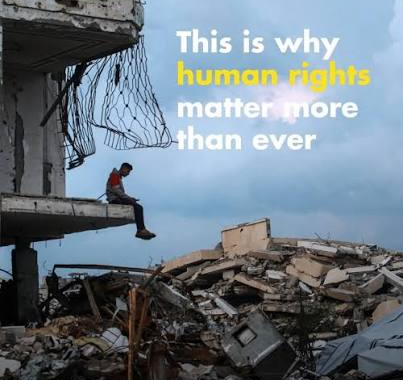
Climate migration is not only an environmental issue. It is about justice, human rights, and the kind of world we want to build. Will we turn away from those in need, or create a future where all can thrive, no matter where they were born?
For more research and up-to-date statistics, visit the Intergovernmental Panel on Climate Change (IPCC).
Frequently Asked Questions
What Is Climate Migration?
Climate migration is when people move because climate change or environmental disasters make their home unsafe or unlivable. This includes floods, droughts, storms, and rising seas.
How Many People Are Affected By Climate Migration Each Year?
In 2022, 32.6 million people were displaced by weather-related disasters, according to the Internal Displacement Monitoring Centre. The number changes each year but is rising as the climate worsens.
Are Climate Migrants The Same As Refugees?
No. Most climate migrants do not cross international borders and are not protected by the UN Refugee Convention. They are often called internal migrants or displaced persons, and they have fewer legal rights.
Which Regions Face The Highest Risk Of Climate Migration?
South Asia, Sub-Saharan Africa, and the Pacific Islands are some of the most affected regions. They face floods, droughts, and sea-level rise, and often have less money to adapt.
What Can I Do To Help With The Climate Migration Crisis?
You can reduce your carbon footprint, support climate action, stay informed, and help organizations that assist climate migrants. Push leaders for strong climate and migration policies.
—
The numbers around climate migration are not just statistics—they are signals for urgent action. At Digital Madama, our mission is to turn data into understanding, and understanding into change. We invite you to join us and make a difference for our planet and its people.