Introduction
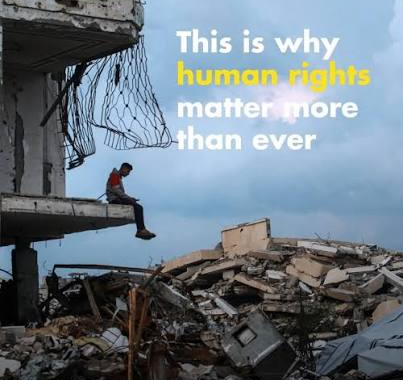
Across many developing nations, urban poverty and unemployment continue to create serious social and economic challenges. It has become a familiar scene in newspaper headlines to witness local authorities removing marginalized communities from slums, roadside businesses, and unauthorized settlements in the name of urban development. These actions often intensify whenever a new government takes office and attempts to reshape the city’s image.
While such “clean-up” campaigns may create a temporary appearance of order, they rarely address the root causes of poverty, unemployment, and lack of education. Without sustainable job opportunities and proper skill development programs, vulnerable populations remain trapped in a cycle of hardship.
At Digital Madama, we believe long-term solutions require strategic policies, education, and economic empowerment rather than short-term cosmetic measures.
The Reality of Urban Poverty in Developing Countries
In many low-income countries, thousands of people migrate from rural regions to crowded cities searching for employment and better living conditions. Unfortunately, most migrants arrive without formal education, vocational training, or access to stable jobs.
As cities expand rapidly, informal settlements and roadside businesses become survival mechanisms for poor families. However, instead of integrating these communities into sustainable urban planning, authorities often displace them without offering alternatives.
Why People Move to Urban Areas
Several major factors drive migration toward cities:
- Lack of employment opportunities in rural areas
- Limited access to education and healthcare
- Climate change and natural disasters
- Agricultural instability and low wages
- Political instability and economic inequality
These issues force vulnerable populations into urban centers where they struggle to survive in overcrowded environments.
The Impact of Natural and Man-Made Disasters
Developing countries are particularly vulnerable to disasters, including floods, cyclones, droughts, and economic crises. Poor communities often suffer the most because they lack savings, insurance, and access to recovery resources.
When disasters strike:
- Families lose homes and livelihoods
- Informal businesses collapse
- Children leave school to support families
- Migration to cities increases rapidly
- Poverty becomes even more severe
Without strong government support systems, recovering from these setbacks becomes nearly impossible for marginalized populations.
Why Short-Term Political Solutions Fail
Many governments focus on visible improvements rather than solving structural problems. Removing street vendors or demolishing slums may temporarily improve a city’s appearance, but these actions do not reduce unemployment or poverty.
Common Problems with Quick-Fix Policies
1. Lack of Long-Term Planning
Governments often prioritize short-term political achievements over sustainable development strategies.
2. Insufficient Education Programs
Millions of people remain unemployed because they lack marketable skills and educational opportunities.
3. Weak Vocational Training Systems
Many developing countries fail to provide affordable technical and vocational training programs.
4. Political Instability
Policies frequently change when new governments take power, disrupting ongoing social programs and development projects.
To truly address urban poverty, governments must implement consistent and long-lasting policies that survive political transitions.
The Global Job Crisis: A Growing Concern
The job crisis is not limited to developing nations. Countries worldwide face increasing economic pressures due to automation, inflation, global conflicts, and climate-related disruptions.
However, low-income nations face additional barriers, including:
- Limited industrial growth
- Poor infrastructure
- Weak education systems
- Low foreign investment
- High population growth
These challenges make it difficult to create enough employment opportunities for growing populations.
Sustainable Solutions for Poverty and Unemployment
Governments, private organizations, and international institutions must work together to create sustainable economic opportunities.
Invest in Skill Development Programs
One of the most effective ways to reduce poverty is through vocational education and practical skill-building initiatives.
Governments should provide:
- Short-term technical courses
- Digital literacy programs
- Entrepreneurship training
- Agricultural innovation education
- Affordable online learning opportunities
These programs can help individuals become self-sufficient and competitive in modern job markets.
Strengthening Public and Private Partnerships
Collaboration with the private sector can significantly improve employment generation and economic growth.
Benefits of Public-Private Partnerships
- Increased investment opportunities
- Faster job creation
- Access to modern technologies
- Improved workforce training
- Better infrastructure development
Private companies can play a major role in offering apprenticeships, internships, and employment opportunities for disadvantaged communities.
The Role of International Organizations
International organizations such as the World Bank and the International Development Association provide financial support and development expertise to struggling economies.
These organizations help governments by funding:
- Poverty reduction programs
- Education initiatives
- Infrastructure development
- Climate resilience projects
- Employment generation schemes
Proper use of international funding can accelerate economic recovery and long-term development.
Why Governments Need Experienced Professionals
Developing effective anti-poverty programs requires experienced economists, educators, planners, and development experts.
Governments should prioritize hiring professionals capable of:
- Designing evidence-based policies
- Managing vocational programs
- Monitoring development outcomes
- Supporting vulnerable populations
- Creating sustainable economic frameworks
Strong leadership and expert guidance are essential for long-term success.
Creating Incentives for Participation
People living in poverty often hesitate to join training programs because they cannot afford to stop working temporarily. Governments can encourage participation through:
- Monthly stipends
- Free training materials
- Transportation assistance
- Childcare support
- Guaranteed job placement opportunities
These incentives can significantly improve enrollment and program completion rates.
Building a Better Future Through Consistent Policies
One of the biggest obstacles in developing countries is the constant change in policies after elections. Sustainable development requires stability, continuity, and long-term planning.
Governments Should Focus On:
- Stable employment policies
- Long-term education reforms
- Rural economic development
- Climate adaptation strategies
- Inclusive urban planning
When policies remain consistent across political transitions, countries can achieve lasting economic growth and social progress.
Conclusion
Urban poverty and unemployment are complex problems that cannot be solved through superficial political actions. Displacing vulnerable communities without addressing the underlying causes only deepens inequality and social instability.
Developing countries must invest in education, vocational training, sustainable employment opportunities, and long-term development strategies. Collaboration between governments, private organizations, and international institutions is essential for building resilient economies and improving the lives of millions.
Real progress comes not from hiding poverty, but from empowering people with the tools, education, and opportunities needed to create a better future.
For more insightful articles and digital content strategies, visit Digital Madama and learn more About the Author.