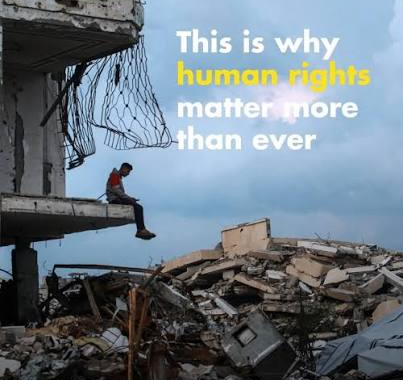
The world is full of stories. Some make us smile, others make us cry, and a few shake us to our core. I have seen this firsthand in my journey from Bangladesh to Australia, and from my work as Digital Madama. I have met children who dream of school but work instead, mothers who hope for clean water, fathers who long for safe homes, and young activists who dare to speak up even when it’s dangerous. At the heart of all these stories is one simple, powerful idea: human rights. These rights are not just words on paper. They are promises—of dignity, hope, and justice—that every human deserves.
But in 2024, these promises are still broken in many places. Human rights are not just about grand speeches at the United Nations. They live in the hands of refugees risking everything for safety, girls fighting for education, workers demanding fair pay, and communities facing climate disasters.
Behind every headline is a real life—a story that could be yours, or mine.
If you feel overwhelmed by the world’s problems, you are not alone. But facing the truth is the first step to making change. This article will show you the most urgent human rights issues today. You’ll see numbers and facts, but also hear voices and stories that reveal the beating heart of this struggle.
My hope is that you finish reading not just informed, but inspired. Because change begins with understanding, and action grows from empathy.
What Are Human Rights?
Human rights are the basic freedoms and protections that belong to every person in the world. They are not given by governments or leaders. They are not earned. They simply exist because we are human.
The Universal Declaration of Human Rights (UDHR), adopted in 1948, put these rights into words. It says we all deserve life, liberty, security, education, work, health, and a voice in our community—no matter who we are or where we live. But for millions, these rights are still out of reach.
Why Human Rights Matter
If you have ever felt fear, hunger, or unfairness, you know why these rights matter. They protect us from cruelty, give us hope for the future, and remind us that we are not alone. Human rights are the roots of freedom, equality, and justice. Without them, society cannot truly grow.
Human rights matter because they set a standard for how people should be treated. They are not just ideals—they are practical rules for daily life. Imagine a world without human rights: anyone could be jailed without reason, children could be forced to work, and people could be hurt for their beliefs. Human rights are the shield that protects us all.
It is important to remember that human rights are not only about preventing harm. They are also about helping everyone reach their full potential. For example, the right to education allows children to learn, dream, and build a better future.
The right to health gives families a chance to thrive, not just survive.
Non-obvious insight: Many people think human rights are only for those in crisis. But they touch every part of our lives—from the way we speak to the food we eat, and the jobs we work. When human rights are respected, society is more peaceful, creative, and prosperous.
The State Of Human Rights In 2024
Across the globe, human rights face new and old threats. According to Human Rights Watch, over 80 million people are displaced by conflict. More than 700 million live in extreme poverty. Discrimination, censorship, and violence still silence many voices.
But numbers alone cannot tell the whole story. Behind every statistic is a person—someone with dreams, fears, and a right to dignity.
In 2024, technology and global events have changed the way human rights are experienced and violated. Social media can spread awareness, but it can also be used to silence dissent. Wars in Ukraine, Sudan, and the Middle East have created new waves of refugees.
Climate disasters have forced families from their homes in places like Pakistan and Mozambique.
New challenges have also emerged. Digital privacy is threatened by constant surveillance. Misinformation online can lead to hate crimes and confusion. Even in developed countries, basic rights like access to affordable housing or healthcare are under strain.
It is easy to feel that the problems are too big. But each issue has clear solutions, and progress is possible. For example, when communities come together to demand change, governments often listen. When activists share their stories, the world pays attention.
Non-obvious insight: The gap between rights “on paper” and rights “in reality” is often widest for minorities and marginalized groups. Laws may exist, but they are not enforced or accessible to everyone. Closing this gap requires not just legal change, but practical action and cultural shifts.
Let’s walk together through the most urgent human rights issues that need immediate attention, and see how hope and action can make a difference.

Freedom From Poverty: The Right To A Dignified Life
Imagine waking up, not knowing if you can feed your children today. For nearly 1 in 10 people worldwide, this is reality. Extreme poverty is not just about money—it’s about dignity, health, education, and opportunity.
The Faces Of Poverty
Fatima lives in a small village in Bangladesh. She works from dawn to dusk, yet her children often go to bed hungry. “Sometimes, I feel invisible,” she says. Fatima’s story is not unique. Poverty has many faces: the child in India who drops out of school to work, the family in Africa living without clean water, the elderly person in Europe struggling to heat their home.
Poverty is not just a lack of income. It is a lack of choices. Many families cannot access healthcare, safe housing, or even basic food. In Latin America, rural farmers often have to choose between buying medicine or paying for school fees.
In urban slums, parents may risk unsafe work to support their children. In richer countries, poverty can mean isolation and shame, where people are unable to afford public transport or participate in community life.
There are hidden forms of poverty, too. For example, “energy poverty” means not having enough electricity to cook meals, keep warm, or study after dark. “Period poverty” affects millions of girls who cannot afford sanitary products, leading to missed school days and health problems.
Why Poverty Is A Human Rights Issue
Poverty strips people of their rights: to food, shelter, education, and health. It can trap generations in a cycle of suffering. According to the World Bank, if current trends continue, nearly 600 million people will still be living on less than $2.15 a day in 2030.
Poverty is not just about money—it is about power. People living in poverty often have no voice in decision-making. They cannot influence policies that affect their lives. This leads to injustice and exclusion. Poor communities are more likely to face environmental hazards, unsafe jobs, and poor schools.
One overlooked aspect is how poverty affects mental health. Constant stress, shame, and lack of hope can lead to depression, anxiety, and even suicide. Children growing up in poverty often suffer from “toxic stress,” which affects their development and future prospects.
Breaking The Cycle
Ending poverty is possible. Social safety nets, fair wages, access to healthcare, and education can change lives. Governments and communities must act, but so can individuals—through supporting fair trade, donating, or simply raising awareness.
For example, microcredit programs in Bangladesh have helped women start small businesses and lift their families out of poverty. In Brazil, cash transfer programs have reduced child hunger and increased school attendance. In Kenya, community groups organize savings circles to help each other afford emergencies.
But solutions must be tailored to each situation. What works in one country may not work in another. Success requires listening to those affected and including them in planning.
Non-obvious insight: Many anti-poverty programs fail because they don’t address social exclusion—when people are left out because of gender, caste, or disability. Solutions must include everyone, not just the “average” person.
Another common mistake is treating poverty as only an economic problem. It is also about social justice, rights, and belonging. Efforts that focus only on money often miss deeper issues—like discrimination, lack of access to services, or community support.
The Struggle For Gender Equality
Every girl deserves to dream. But today, girls and women still face discrimination, violence, and barriers to education and work. In some countries, girls are forced to marry before they turn 18. In others, women are paid less for the same work, or denied leadership roles.
Violence Against Women
The statistics are heart-breaking. One in three women will experience physical or sexual violence in her lifetime. This is not just a “women’s issue”—it’s a human crisis. Violence steals futures, shatters families, and weakens societies.
Violence comes in many forms—domestic abuse, rape, harassment at work, and even cyberbullying. In some places, girls face female genital mutilation, a painful practice that can lead to lifelong health problems. Honor killings still occur in parts of South Asia and the Middle East.
The impact of violence is deep. Survivors often face stigma, lose their jobs, or struggle with trauma. Communities lose valuable members, and children who witness violence are more likely to suffer themselves.
Education And Opportunity
When girls go to school, entire communities benefit. Yet, more than 129 million girls are out of school worldwide (UNICEF). Barriers include poverty, conflict, and cultural beliefs. But change is possible. In Malawi, for example, a girls’ club helped reduce child marriage rates by teaching families the value of education.
Educating girls leads to healthier families, stronger economies, and more peaceful societies. Women with education are more likely to participate in politics, earn better wages, and invest in their children’s health.
But girls often face extra barriers. In Afghanistan, girls’ schools have been closed by the Taliban. In Nigeria, girls are kidnapped by armed groups. In many places, girls are expected to help at home instead of studying.
Equal Pay And Economic Rights
Globally, women earn 20% less than men on average. This “gender pay gap” is not just unfair—it keeps families in poverty and economies from reaching their full potential.
Women also face barriers to owning property, accessing credit, or starting businesses. In some cultures, women cannot inherit land or assets. This keeps them dependent and unable to escape poverty.
Equal pay laws exist in many countries, but they are not always enforced. Women are often concentrated in low-paid jobs or informal sectors, where protections are weak.
Non-obvious insight: Gender equality is not only about women’s rights. It also frees men from harmful stereotypes—like the idea that “real men don’t cry” or must always be providers.
Gender equality benefits everyone. When men can express emotions or share caregiving, families are healthier and happier. Societies become more flexible and creative.
A common mistake is thinking gender equality only means legal rights. True equality requires changing attitudes, culture, and daily life. It means challenging old beliefs and making space for everyone.
Freedom Of Expression: The Power And Cost Of Speaking Out
Imagine living in a place where a tweet or a protest could land you in jail. For many, this is daily life. Freedom of expression is the right to share ideas, criticize leaders, and demand change—without fear.
Censorship And Surveillance
In 2023, more than 70 countries censored the internet or social media. Journalists are jailed in places like China, Egypt, and Turkey. In Myanmar, speaking out can mean prison—or worse.
Censorship is not only about blocking websites. It can include controlling news, banning books, or punishing artists. In some countries, teachers are fired for discussing sensitive topics. Activists may face threats, harassment, or violence.
Surveillance is growing, too. Governments use cameras, software, and phone tracking to monitor citizens. In Hong Kong, protestors cover their faces to avoid facial recognition. In Iran, authorities track online activity to silence dissent.
The Role Of Journalism
Free press is the oxygen of democracy. When journalists are silenced, corruption grows, and human rights abuses go unchecked. In 2022, 67 journalists were killed, and hundreds more imprisoned.
Journalists risk their lives to tell the truth. In Mexico, reporters covering drug violence face constant danger. In Russia, those who report on corruption are targeted by the state. Even in the US and Europe, journalists face lawsuits, threats, or online abuse.
A free press allows communities to debate, learn, and hold leaders accountable. When media is controlled, rumors and propaganda spread, and ordinary people suffer.
Hope In The Face Of Fear
Brave voices still find ways to speak. In Iran, women cut their hair in protest. In Russia, activists use encrypted apps to avoid surveillance. Even small acts—sharing a story, signing a petition—can spark change.
Art and music can be powerful tools for expression. In Myanmar, protest songs unite people. In Nigeria, street art raises awareness about police violence.
Non-obvious insight: Many governments use “fake news” laws to silence critics. These laws often target activists, not real misinformation. It is important to protect both truth and the right to speak.
Another mistake is thinking only big protests matter. Everyday acts—writing, teaching, or simply asking questions—are powerful forms of expression.
Refugees And Displacement: The Search For Safety
Wars, disasters, and persecution force millions to flee their homes. As of 2024, the UNHCR reports over 110 million people are displaced globally—the highest in history.
Life In Limbo
Refugees often face long journeys, dangerous borders, and uncertain futures. Camps in places like Syria, Bangladesh, and Greece are overcrowded and under-resourced. Children grow up without school or hope.
Families may wait years for asylum or resettlement. Some refugees are stuck in camps for decades, unable to work or move freely. Many live in tents, lacking basic sanitation or medical care.
Host countries often struggle to provide support. Local communities may feel overwhelmed, and politicians may use refugees as scapegoats. Refugees face discrimination, barriers to employment, and isolation.
The Right To Asylum
International law says everyone has the right to seek asylum from persecution. Yet many countries build walls, close borders, or detain refugees in poor conditions.
In Europe, migrants cross dangerous seas in small boats. In the US, asylum seekers are detained or separated from family. Australia has used offshore detention, leading to reports of abuse and mental health crises.
Some countries welcome refugees, offering language classes, job training, and legal support. Others push them back, ignore their rights, or leave them in limbo.
Stories Of Strength
I remember meeting a young Syrian boy in Australia. He had lost his home, but not his hope. With support, he learned English, made friends, and now dreams of being a doctor. Refugees are not just victims—they are survivors, builders, and leaders.
Refugees have started successful businesses, joined politics, and contributed to science, art, and sports. Their resilience is an inspiration.
Non-obvious insight: Many refugees face “statelessness”—they have no legal identity, so they cannot work, travel, or even marry. This hidden crisis affects millions.
Stateless people cannot access basic rights—education, healthcare, or legal protection. Children born in camps may grow up without citizenship. This makes their struggle even harder.
A common mistake is seeing refugees as a “burden. ” In fact, they often enrich societies, bring new skills, and strengthen communities.
Racism And Discrimination: The Fight For Equality
Racism is not just history—it is alive today. Whether through hateful words or unfair laws, people are still judged by their skin color, religion, or origin.
Institutional Racism
In the US, Black Americans are five times more likely to be imprisoned than white Americans. In Europe, Roma communities face segregation and poverty. In Australia, Indigenous people have shorter life spans and poorer health.
Institutional racism is built into systems—education, policing, housing, and health. It is not just about individual prejudice, but how rules and practices disadvantage certain groups.
For example, job applications with “foreign” names may be ignored. Schools in minority areas may have less funding. Hospitals may provide poorer care to marginalized groups.
Hate Crimes And Xenophobia
Attacks on Jewish, Muslim, Asian, and African communities have risen. In 2021, hate crimes in the US reached their highest level in 12 years.
Hate crimes include violence, vandalism, threats, and harassment. They target people because of race, religion, or nationality. Xenophobia—fear of outsiders—leads to discrimination against immigrants and refugees.
Social media can amplify hate, spreading false stories or conspiracy theories. Politicians may exploit fear, blaming minorities for economic problems.
The Power Of Solidarity
Movements like Black Lives Matter and global protests show the power of unity. Real change happens when people listen, learn, and act together.
Solidarity means standing up for others, not just your own group. When communities unite—across race, religion, or gender—they can challenge injustice.
Non-obvious insight: Discrimination often overlaps—called “intersectionality.” For example, a Black woman may face both racism and sexism, making her struggle unique.
Intersectionality shows that each person’s experience is shaped by many factors. Solutions must address all aspects, not just one.
A mistake is thinking discrimination is only about “bad people. ” It is often built into everyday life—unconscious bias, unequal access, or cultural norms.
Children’s Rights: Protecting The Most Vulnerable
Children are the future, but too many are denied their rights. UNICEF says over 150 million children are engaged in child labor, and 1 in 6 lives in extreme poverty.
Child Labor And Trafficking
In countries like India, Bangladesh, and Nigeria, children work in factories, fields, or homes—often in dangerous conditions. Others are trafficked for sex or forced into armed groups.
Child labor robs children of education, health, and childhood. Trafficked children are exposed to abuse, exploitation, and trauma. Many never escape the cycle.
Efforts to end child labor must address poverty, family needs, and education. Simply banning work can push children into worse situations.
Access To Education
Education is the key to breaking cycles of poverty and abuse. Yet, millions of children—especially girls, disabled children, and refugees—are left out.
Barriers include fees, distance, discrimination, and unsafe schools. In conflict zones, schools may be destroyed or used as shelters. In some places, children are forced to work instead of study.
Inclusive education means adapting classrooms, materials, and teaching methods to all needs. It means welcoming every child, regardless of background.
Health And Nutrition
Malnutrition kills over 2 million children every year. Even in wealthy countries, some children go hungry or lack medical care.
Access to vaccines, clean water, and proper nutrition can save millions of lives. Simple solutions—like oral rehydration, breastfeeding, and mosquito nets—have big impacts.
Mental health is also crucial. Children exposed to violence, conflict, or abuse need support to heal and grow.
Non-obvious insight: Many children are denied the right to play—which is essential for healthy development, not just a luxury.
Play helps children learn social skills, solve problems, and manage emotions. In emergencies, safe spaces for play can help children recover from trauma.
A mistake is thinking children are just “small adults. ” Their needs, rights, and voices must be respected.
Climate Justice: Human Rights And The Environment
Climate change is not just an environmental issue. It is a human rights crisis. Rising temperatures, floods, and droughts threaten food, water, homes, and even lives.
Who Suffers Most?
Poor communities, Indigenous peoples, and island nations suffer first and worst. In Bangladesh, families lose homes to floods every year. In Pacific islands, entire nations face extinction as seas rise.
Climate disasters destroy crops, homes, and infrastructure. People are forced to migrate, leaving behind culture and community. In Africa, drought leads to hunger and conflict. In the Arctic, melting ice threatens Indigenous ways of life.
Women and children are especially vulnerable. They often have less access to resources, support, or decision-making power.
The Right To A Healthy Environment
The UN now recognizes a healthy environment as a human right. But fossil fuel pollution, deforestation, and waste still destroy homes and health.
Air pollution causes millions of deaths each year. Dirty water leads to disease and malnutrition. Deforestation removes vital habitat for animals and people.
Environmental justice means protecting nature and people. It means listening to those affected, not just experts or officials.
Climate Activism And Hope
Youth leaders like Greta Thunberg and Pacific activists inspire millions. Local communities plant trees, demand clean energy, and protect rivers.
Grassroots movements make a difference. In India, women organize to save forests. In Brazil, Indigenous groups fight against illegal logging. In Europe, cities shift to renewable energy and sustainable transport.
Non-obvious insight: Climate change makes other human rights crises worse—like forcing people to migrate or making food more expensive.
Climate change is a multiplier. It deepens poverty, spreads disease, and increases conflict. Solutions must address both environment and human rights.
A common mistake is seeing climate action as only “technical. ” It is about justice, inclusion, and listening to those most affected.
Access To Health: The Right To Live And Thrive
Health is more than medicine. It is clean water, safe homes, mental support, and fair access to care. The COVID-19 pandemic exposed deep inequalities: some got vaccines quickly, others waited or died.
Barriers To Health
Billions lack basic care. In Africa, 1 in 4 people have no access to safe water. In the US, Black and Native Americans have higher rates of disease and lower life expectancy.
Barriers include cost, distance, discrimination, and lack of information. In rural areas, clinics may be far away. In urban slums, hospitals may be overcrowded and underfunded.
Women and children often face extra challenges. Maternal mortality is high in many countries. Disabled people may be denied care or treated unfairly.
Mental Health
Stigma, war, and poverty increase mental illness. Yet, in many countries, mental health care is neglected or taboo.
Mental health is just as important as physical health. Depression, anxiety, and trauma affect millions, but few get help. In conflict zones, PTSD is common among survivors.
Community-based care, peer support, and education can reduce stigma and improve outcomes. Talking about mental health openly is a vital step.
Universal Health Coverage
The WHO says that half the world lacks access to essential health services. Universal coverage—health care for all, not just the rich—can save lives and money.
Countries like Thailand and Rwanda have improved health by offering basic care to everyone. Preventive services—like vaccines and check-ups—are cost-effective and life-saving.
Non-obvious insight: Many health systems ignore disability rights—people with disabilities face huge barriers to care, information, and support.
Accessible clinics, information in Braille or sign language, and trained staff make a big difference. Inclusion is key.
A common mistake is seeing health as only about hospitals. Clean water, sanitation, and nutrition are equally important.
The Right To Education: Opening Doors To Opportunity
Education is hope. It helps people find jobs, understand their rights, and build better lives. But 244 million children and youth are out of school (UNESCO, 2022).
Barriers To Learning
Poverty, war, gender, disability, and distance keep children from learning. In some places, girls are not allowed to attend school, or schools are targets of violence.
Some children must work to support their families. Others live too far from schools, or cannot afford fees and books. Refugees and migrants face language barriers and discrimination.
Disabled children are often excluded. Schools may lack ramps, adapted materials, or trained teachers.
Quality Matters
Education is not just about sitting in a classroom. It must be inclusive, safe, and relevant—teaching critical thinking, not just memorization.
Quality education means learning how to solve problems, communicate, and adapt. It means respecting diversity and preparing students for real life.
Unsafe schools—where bullying, violence, or abuse occur—cannot help children thrive.
Adult Education
Millions of adults cannot read or write. Literacy programs can open doors for parents, workers, and elders.
Adult education helps people find jobs, understand health information, and participate in community life. It also breaks cycles of poverty.
Non-obvious insight: Digital divides are growing. Without internet access, many children and youth are left behind in a digital world.
Remote learning, online classes, and digital skills are now essential. But millions lack devices, internet, or training. This deepens inequality.
A common mistake is focusing only on formal education. Informal learning—through community groups, family, or work—is equally valuable.
Workers’ Rights: Fairness, Safety, And Dignity At Work
A good job should provide safety, fair pay, and respect. Yet, workers in many countries face exploitation, discrimination, and dangerous conditions.
Forced And Child Labor
Nearly 28 million people are trapped in forced labor (ILO, 2022). Many are migrants or children, working in factories, fields, or even homes.
Forced labor includes debt bondage, trafficking, and slavery-like practices. Workers may be threatened, abused, or unable to leave.
Child labor is often hidden. Children work in mines, fisheries, or domestic service. They miss school and suffer health problems.
Unsafe Conditions
From garment workers in Bangladesh to miners in Africa, unsafe workplaces kill thousands each year. The 2013 Rana Plaza collapse in Bangladesh killed over 1,100 workers—a tragedy that sparked global outrage.
Unsafe jobs mean exposure to chemicals, dangerous machinery, or long hours. Lack of protective equipment, training, or rights leads to accidents and illness.
Workers may be denied breaks, paid below minimum wage, or forced to work overtime.
The Gig Economy
New jobs like ride-sharing and delivery offer flexibility but often lack benefits, security, or rights.
Gig workers may have no contracts, health insurance, or protection against unfair treatment. They face uncertain incomes and limited bargaining power.
Non-obvious insight: Many workers are denied the right to unionize—to organize and bargain for better conditions without fear.
Unions give workers a voice. But in many countries, forming a union is risky or banned. Without collective power, workers face exploitation.
A mistake is thinking “modern jobs” are always better. Many new industries repeat old abuses—like low pay, discrimination, and lack of safety.
Rights Of Persons With Disabilities: Toward True Inclusion
Over 1 billion people live with disabilities worldwide. Yet many face barriers to education, work, health, and public life.
Physical And Social Barriers
Steps without ramps, schools without support, and workplaces without accommodation leave people out. Attitudes and stereotypes can be even harder to overcome.
Physical barriers include inaccessible buildings, transport, or communication. Social barriers include stigma, exclusion, and discrimination.
Inclusive design—like ramps, sign language, and adapted materials—benefits everyone.
Legal Protections
The UN Convention on the Rights of Persons with Disabilities is a landmark. But laws alone are not enough. Inclusion means listening, adapting, and valuing every person.
Many countries have laws, but enforcement is weak. Disabled people may be denied jobs, voting rights, or healthcare.
True inclusion means participation in decisions, access to services, and respect for diversity.
Inspiring Change
Athletes, artists, and activists with disabilities break barriers every day. Their stories show what is possible when society opens its doors.
Paralympic champions, deaf poets, and blind musicians inspire millions. Disability is not a limitation—it is a different way of living.
Non-obvious insight: Many humanitarian crises forget disability access—emergency shelters, aid, and information are often not accessible.
Simple steps—like accessible toilets, information in multiple formats, and trained staff—can save lives.
A mistake is seeing disability as only an individual problem. It is a social issue, requiring community action.
Indigenous Peoples’ Rights: Protecting Culture And Land
Indigenous peoples are guardians of land, culture, and language. But colonization, discrimination, and loss of land still threaten their rights.
Land And Resources
From the Amazon to Australia, Indigenous lands are taken for mining, logging, or farming—often without consent. This destroys both nature and culture.
Land is more than property. It is identity, history, and survival. Loss of land means loss of tradition, food, and community.
Efforts to restore land rights include legal battles, protests, and negotiation. In Canada, treaties have recognized Indigenous sovereignty. In New Zealand, Maori land settlements have begun.
Language And Identity
Many Indigenous languages are endangered. Losing language means losing history, knowledge, and identity.
Language connects generations and preserves wisdom. Reviving languages strengthens communities and enriches society.
Schools, media, and government support are vital for language preservation.
Self-determination
Indigenous peoples have the right to govern themselves, protect their traditions, and share in decisions. Listening and partnership—not charity—are the keys to justice.
Self-determination means control over education, health, and development. It means respecting Indigenous leadership and solutions.
Non-obvious insight: Traditional knowledge is vital for climate adaptation—Indigenous practices often protect biodiversity better than modern approaches.
Indigenous farming, fishing, and forest management are sustainable and resilient. Scientists and policymakers should learn from these methods.
A mistake is treating Indigenous issues as only “cultural. ” They are about rights, resources, and power.

Religious Freedom: The Right To Believe (or Not)
Belief is deeply personal. But in many places, people are persecuted for their faith—or lack of it.
Persecution And Violence
Christians, Muslims, Jews, Hindus, and atheists all face threats in different countries. From attacks on synagogues to bans on headscarves, religious freedom is under attack.
Persecution includes violence, discrimination, and legal restrictions. In some places, people are jailed or killed for their beliefs.
Minority faiths often face extra barriers—like denial of jobs, education, or property.
State Control
Some governments force people to follow a state religion, or ban certain beliefs. In China, Uyghur Muslims face mass detention and surveillance.
State control can include registration requirements, bans on worship, or censorship of religious materials.
Freedom means choosing belief—or no belief—without fear.
Building Tolerance
Communities that embrace diversity are safer and stronger. Dialogue and respect can bridge divides.
Interfaith groups, education, and community events help build understanding. Laws must protect all beliefs equally.
Non-obvious insight: Laws that “protect” religion can sometimes suppress minority faiths or non-believers.
Careful balance is needed to ensure freedom for everyone.
A mistake is seeing religious freedom as only about worship. It affects education, work, dress, and daily life.
Rights Of Lgbtq+ People: The Fight For Love And Identity
Love is a human right. But for many LGBTQ+ people, being themselves means facing discrimination, violence, or even death.
Legal And Social Barriers
As of 2023, over 60 countries criminalize same-sex relationships. In others, marriage, adoption, or even basic safety is not guaranteed.
Legal barriers include bans on marriage, adoption, or gender recognition. Social barriers include bullying, exclusion, and hate.
Progress is slow, but change is possible. In Taiwan, same-sex marriage was legalized after years of activism. In India, court rulings struck down colonial-era laws.
Violence And Hate
LGBTQ+ people face higher rates of assault, bullying, and suicide. Transgender people are especially vulnerable.
Violence can be physical, verbal, or psychological. Many LGBTQ+ youth are kicked out of home, denied jobs, or attacked.
Support groups, safe spaces, and legal protections make a difference.
Hope And Progress
Pride marches, court victories, and changing attitudes show progress. In 2022, same-sex marriage became legal in more countries than ever before.
Media, education, and activism help shift culture. Role models—like athletes, artists, and politicians—show what is possible.
Non-obvious insight: Many LGBTQ+ refugees flee both their country and their family—finding acceptance can be a double struggle.
Even after escaping legal persecution, LGBTQ+ refugees may face isolation, discrimination, or mental health issues.
A mistake is seeing LGBTQ+ rights as only about “identity. ” They are about safety, love, and dignity.
Justice And The Rule Of Law: Ending Impunity
Justice means more than courts. It means equal treatment, fair laws, and accountability for abuse.
Arbitrary Detention And Torture
Thousands are jailed without trial, tortured, or disappeared for their beliefs. In places like North Korea, Eritrea, and Syria, justice is a distant dream.
Detention without trial violates basic rights. Torture is used to silence dissent and punish minorities.
Families suffer, and communities live in fear.
Corruption And Inequality
Corrupt police and judges often protect the powerful, not the vulnerable. This erodes trust and deepens suffering.
Corruption includes bribery, favoritism, and abuse of power. It affects every part of life—jobs, health, safety, and freedom.
Building Fair Systems
Independent courts, free lawyers, and transparent laws can change lives. Community justice programs, like those in Rwanda, show how local solutions can work.
Fair systems mean everyone—rich or poor—can access justice. Legal aid, translation, and education are crucial.
Non-obvious insight: Justice is also about restoration—repairing harm, not just punishing it.
Restorative justice brings victims and offenders together to heal and rebuild. It is used in schools, prisons, and communities.
A mistake is seeing justice as only about punishment. True justice repairs, restores, and prevents harm.
Digital Rights: Freedom And Danger In The Online World
The internet connects, informs, and empowers. But it also brings new threats to privacy, freedom, and safety.
Online Censorship And Surveillance
Governments and companies collect data, monitor speech, and block websites. Activists and journalists are targeted with spyware.
Privacy is under attack. Algorithms track behavior, ads target vulnerable people, and data leaks expose personal information.
Censorship limits access to news, education, and debate. In some countries, entire platforms are banned.
Misinformation And Hate
False news and hate speech can spread faster online, fueling violence or confusion.
Misinformation can lead to panic, distrust, or harm—like during health crises or elections. Hate speech targets minorities, women, and activists.
Education, fact-checking, and regulation are key tools.
The Digital Divide
Millions lack internet access or skills—making it harder to learn, work, or speak out.
Digital divides are growing. Rural areas, poor communities, and older people are left behind. Access to devices, skills, and safe spaces matters.
Non-obvious insight: Digital rights are linked to all other rights—if you lose your voice online, you lose power everywhere.
Online spaces are now central to education, activism, and community. Losing access means losing opportunity.
A mistake is seeing digital rights as only “technical. ” They are about freedom, inclusion, and equality.
Data Snapshot: Comparing Key Human Rights Issues
Let’s look at a quick comparison of some of the most urgent human rights statistics in 2024.
| Issue | Estimated Affected People | Key Regions |
|---|---|---|
| Extreme Poverty | 700 million | Sub-Saharan Africa, South Asia |
| Displaced People | 110 million | Syria, Venezuela, Afghanistan |
| Child Labor | 150 million | South Asia, Africa |
| Gender-Based Violence | 1 in 3 women | Worldwide |
| LGBTQ+ Criminalization | 60+ countries | Middle East, Africa, Asia |
Paths Forward: Hope, Action, And Responsibility
Reading about these issues can feel overwhelming. But real change is possible—one person, one community, one law at a time.
What Can Governments Do?
- Protect rights in law and practice. Laws must match reality.
- Listen to those most affected. Policy must include the voices of women, minorities, youth, and local communities.
- Invest in education, health, and safety nets. These are not costs, but investments in dignity and peace.
- Enforce accountability. Abusers—whether governments, companies, or individuals—must face justice.
Governments can also:
- Improve access to information and transparency.
- Ensure fair representation in politics.
- Support community-led initiatives.
- Collaborate internationally to tackle global issues like climate change and migration.
What Can Individuals Do?
- Learn and share. Awareness is the seed of change.
- Support human rights organizations. Donations, volunteering, or simply amplifying their work helps.
- Speak up. Whether online or offline, your voice matters.
- Choose wisely. Support fair trade, ethical businesses, and leaders who put rights first.
Small actions matter. You can:
- Help a neighbor facing discrimination.
- Mentor a child or youth.
- Join local campaigns or community groups.
- Challenge stereotypes and biases in daily life.
Non-obvious insight: Real change often starts small—a local group, a new idea, a single act of courage. Don’t wait for “perfect” solutions. Start where you are.
Many people think they need special skills or resources to help. In reality, listening, learning, and showing kindness are powerful tools.
What Can Businesses Do?
- Respect workers’ rights. Pay fair wages, ensure safety, and avoid exploitation.
- Protect the environment. Climate justice is part of human rights.
- Champion inclusion. Diversity is strength, not a burden.
- Be transparent. Open supply chains and honest reporting build trust.
Businesses can also:
- Support community development.
- Offer training and education.
- Partner with local organizations.
- Promote responsible innovation.
A mistake is seeing business as only about profit. Ethical leadership builds reputation, loyalty, and long-term success.
Global Human Rights: Hope Through Action
It’s easy to feel powerless in the face of such big problems. But every movement for justice began with ordinary people—students, workers, neighbors—who refused to accept injustice. The Universal Declaration of Human Rights began after the horrors of World War II, not because the world was perfect, but because people believed it could be better.
Success Stories
- South Africa: The end of apartheid showed that even the deepest wounds can heal with truth and reconciliation.
- Ireland: Legalizing same-sex marriage inspired hope for LGBTQ+ rights worldwide.
- Bangladesh: The garment industry, once a symbol of tragedy, is slowly improving safety due to workers’ activism and global pressure.
- Indigenous Land Wins: In Australia, Native Title laws now recognize Aboriginal land rights—after decades of struggle.
Other examples include:
- Tunisia: After the Arab Spring, new laws expanded women’s rights.
- Nepal: The constitution now protects LGBTQ+ rights and inclusion.
- Chile: Student protests led to major reforms in education and politics.
- Sierra Leone: A ban on child marriage reduced violence and improved girls’ education.
These stories show that change is possible. They remind us that persistence, hope, and unity can overcome injustice.
Real-life Stories: The Faces Of Human Rights
The Girl Who Dared To Learn
Malala Yousafzai was shot for going to school in Pakistan. She survived and became a global voice for girls’ education, winning the Nobel Peace Prize. Her message: “One child, one teacher, one book, and one pen can change the world.”
Malala’s story is not just about courage. It is about the power of education and the importance of speaking out. She has inspired millions of girls to demand their rights.
The Power Of Protest
In Hong Kong, millions marched for democracy. In Belarus, women in white carried flowers against dictatorship. In Chile, students danced in the streets for education reform. These are not just “news stories”—they are reminders of what courage looks like.
Protests can start small—with a single voice, a sign, or a song. Over time, they build movements that change laws, leaders, and culture.
The Refugee Doctor
Dr. Ahmed, once a refugee from Syria, now works in a Melbourne hospital. He treats everyone—rich or poor, local or newcomer—with the same care. “I know what it means to lose everything,” he says, “so I choose hope every day.
”
Dr. Ahmed’s story shows how refugees contribute and heal. He proves that every person has value, regardless of background.
Other stories include:
- A Roma activist fighting for equal schools in Hungary.
- A disabled artist creating accessible spaces in Nigeria.
- A climate leader from Fiji teaching sustainable farming.
These stories are the heart of human rights. They show what is possible when people refuse to give up.
How To Stay Informed And Get Involved
Human rights are not “someone else’s problem.” They are everyone’s responsibility. If you want to learn more or take action, here are some ways:
- Follow trusted sources like Amnesty International, Human Rights Watch, and the United Nations.
- Connect with activists on social media. For example, you can follow my journey and join discussions on Facebook.
- Support local organizations. Grassroots groups often know best what their communities need.
- Vote and speak out for leaders and policies that protect rights.
- Educate yourself and others. Share what you learn. Small conversations can spark big changes.
You can also:
- Attend community events or webinars.
- Read books, watch documentaries, and listen to podcasts.
- Advocate for change in your school, workplace, or neighborhood.
- Reach out to those affected—listen, learn, and offer support.
Non-obvious insight: Staying informed is not just about reading news. It is about understanding context, history, and different perspectives.
A mistake is thinking information alone is enough. Action—big or small—makes knowledge powerful.
Human Rights And The Power Of Community
When I first arrived in Australia, I felt lost—different language, new faces, unfamiliar streets. But I also found kindness. Neighbors who helped me learn, friends who listened to my stories, and strangers who stood up for fairness. That is the spirit of human rights—not just laws, but empathy and action.
Even small acts—listening, including, standing up for someone—can build a more just world. If you feel your voice does not matter, remember: every wave starts with a single drop.
Communities can:
- Create safe spaces for dialogue.
- Support those facing hardship or discrimination.
- Celebrate diversity through events, art, and culture.
- Build networks for advocacy and mutual aid.
Non-obvious insight: Isolation is a major barrier to human rights. Building connections and community is a powerful way to protect and promote dignity.
A mistake is thinking only big actions matter. Every act of kindness, inclusion, or solidarity makes a difference.
Data Table: Human Rights Progress And Gaps
Here’s a quick look at human rights milestones and ongoing gaps.
| Right | Progress | Ongoing Gaps |
|---|---|---|
| Right to Education | Global literacy at 87% | 244 million children out of school |
| Freedom of Speech | More open media in 120+ countries | Censorship in 70+ countries |
| Gender Equality | More women in parliaments | Gender-based violence, pay gap |
| Climate Justice | Paris Agreement | Rising emissions, climate refugees |
| LGBTQ+ Rights | Legal marriage in 34 countries | Criminalization in 60+ countries |
Frequently Asked Questions
What Are The Most Urgent Human Rights Issues In 2024?
The most urgent issues include extreme poverty, gender-based violence, refugee crises, climate change, discrimination, and threats to freedom of speech. These problems affect millions and often overlap, creating even deeper challenges.
Other urgent issues are:
- Access to healthcare and education
- Rights of persons with disabilities
- Protection from digital threats
- Ending forced and child labor
- Inclusion of Indigenous peoples and minorities
How Can I Help Defend Human Rights If I Am Not An Activist?
You don’t need to be a full-time activist to make a difference. Learn about issues, share information, support ethical businesses, donate to human rights organizations, or stand up for others in your own community. Every small act counts.
You can also:
- Mentor or support someone facing discrimination
- Report abuses or violations when you see them
- Vote for leaders who protect rights
- Join local efforts, campaigns, or discussions
Why Is Climate Change Considered A Human Rights Issue?
Climate change affects people’s right to food, water, shelter, and health. Those who are poor or marginalized suffer most. Fighting climate change is about protecting people, not just the planet.
Climate disasters force migration, destroy homes, and increase poverty. Solutions must address both environmental and human rights concerns.
Are Human Rights The Same Everywhere?
The core idea of human rights is universal—they apply to everyone, everywhere. But how they are respected or violated can vary by country, culture, or law. Some places have stronger protections, others face more challenges.
Local customs, history, and politics shape the way rights are experienced. But the basic principles—dignity, equality, freedom—are for all.
Where Can I Learn More About Human Rights And Get Involved?
You can follow organizations like Amnesty International, Human Rights Watch, or the United Nations. For a personal journey and more stories, visit Digital Madama.
Other resources include:
- Local human rights groups
- Community centers
- Online forums and webinars
- Books, podcasts, and documentaries
The Power Of Hope
Human rights are not just rules—they are the beating heart of our shared humanity. They are about standing together, lifting each other up, and refusing to accept injustice as “normal. ” From the slums of Dhaka to the suburbs of Sydney, the fight for dignity, freedom, and justice is everyone’s story.
If you feel called to action, you are part of this story. If you feel afraid, know that courage is not the absence of fear, but the choice to act anyway. The road is long, but every step matters.
Thank you for reading, for caring, and for being part of the hope that changes the world.