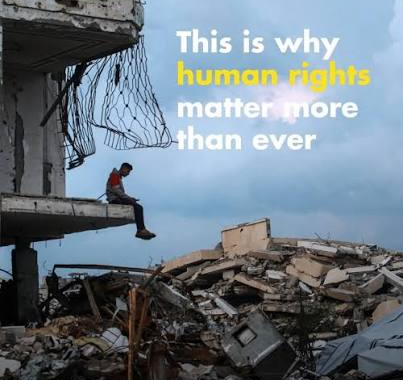
Water is more than a liquid that flows through rivers and fills our glasses. Water is life. It is hope. It is dignity. It is a child’s laughter on a hot day, a mother’s relief after carrying buckets for miles, and a farmer’s promise to his family that the next harvest will grow.
Without clean water, dreams fade, health suffers, and communities break apart. For billions, the struggle for water is daily, and it’s a silent fight against poverty, injustice, and inequality. Access to clean water is not just a wish—it’s a fundamental human right, one that shapes the very foundation of freedom and justice.
But water is not just about survival. It shapes cultures, connects communities, and builds futures. The story of water is a story of humanity’s progress, pain, and resilience. When people have water, they build schools, plant trees, and create businesses.
When they don’t, they must fight, migrate, and sometimes lose hope. Water is central to every human right—from health to education to equality. Its absence creates invisible walls, while its presence tears them down.
The Deep Connection Between Water And Human Rights
Imagine waking up each morning knowing your children may get sick from the water they drink. Imagine making choices between buying food and buying bottled water. These realities are not distant—they are painfully common in many parts of the world. Human rights are the basic freedoms and protections that every person deserves, no matter where they live or who they are. Among these, access to clean water stands at the heart, because water is needed for life, health, and dignity.
The right to water is not only about access to a tap or a well. It is about the safety, quality, and reliability of that water. It is about whether people can use it without fear, shame, or danger. In many places, water comes with a cost—sometimes in money, but often in lost dreams, wasted time, and daily anxiety.
Water’s Role In Equality And Justice
When we talk about equality, we must ask: Can people thrive without clean water? The answer is clear. Freedom and justice cannot exist when children miss school due to illness, when women spend hours collecting water, or when communities suffer because their rivers are polluted. Water is tied to every other right—education, health, work, and even the right to live free from poverty.
Water access is often the first line that divides the privileged from the poor. It shapes who is healthy, who is educated, and who is heard. For example, in some urban slums, families pay more for a bucket of water than wealthy families pay for running water at home.
This is not just unfair—it is a denial of dignity and opportunity.
When laws and systems fail to provide clean water, people are left behind. Justice means fixing these failures. It means recognizing that water is not a privilege for the few, but a right for all. It means making sure every child, no matter where they are born, can drink and wash without fear.
Emotional Stories: The Struggle And The Hope
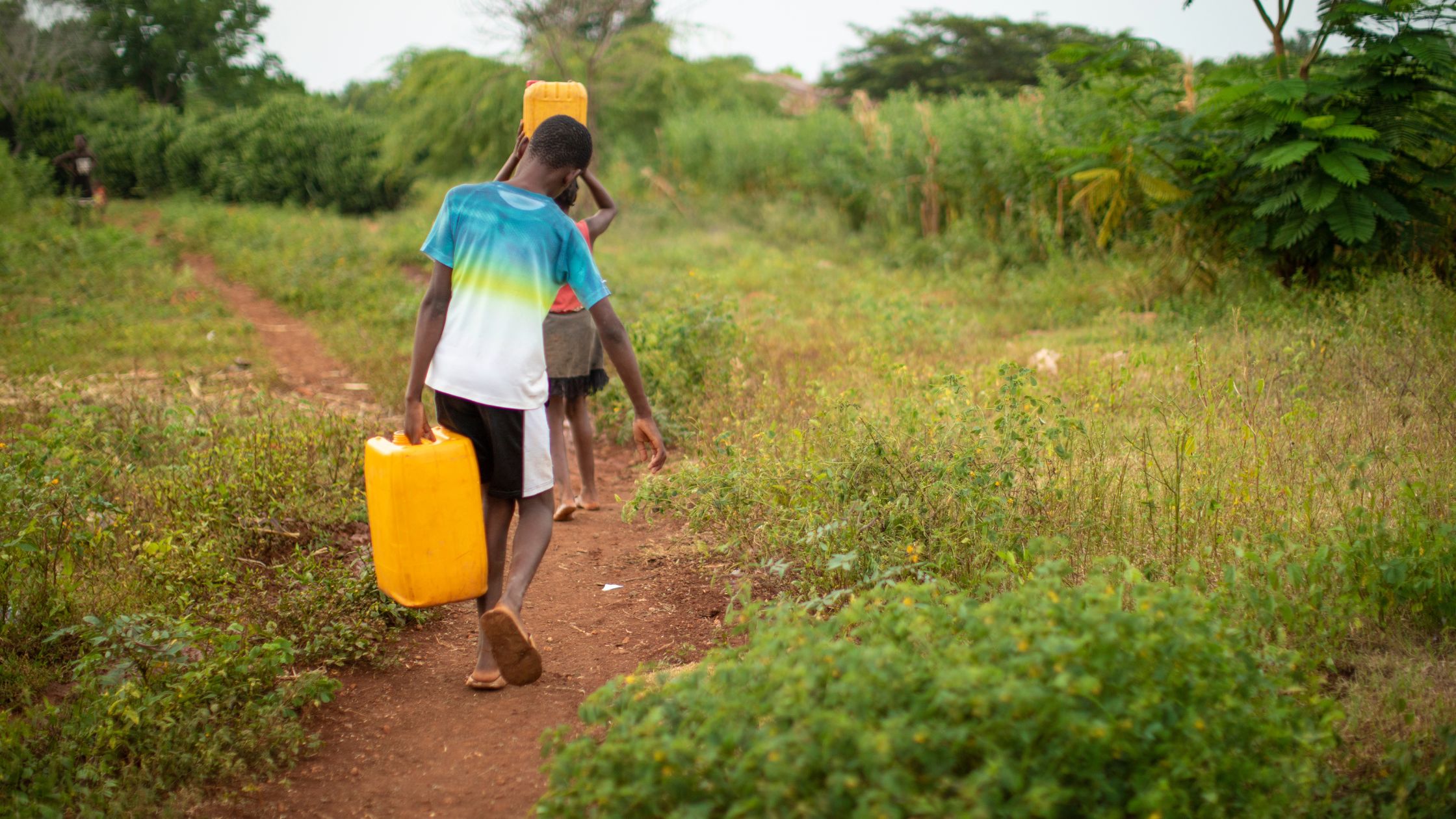
Across continents, the story repeats. In Bangladesh, a mother named Rina wakes before sunrise. She walks barefoot, carrying heavy buckets from a distant well. Her hands are calloused, her back aches, but she knows her children depend on her. She watches as they drink and hopes they will not fall sick today. The walk is dangerous, but staying home with dirty water is even more risky.
In rural Australia, a drought-stricken farmer watches his crops wither. His hope dries up with the soil. He remembers better years, when rain was regular and the river ran clear. Now, each day is a decision—should he water the crops or save the last drops for his animals?
He dreams of rain, but mostly, he worries.
In sub-Saharan Africa, a young girl named Amina fetches water from a muddy pond, risking disease. She often walks alone, afraid of the long road and the strangers she might meet. Her schoolbooks stay home because her hands are full. Yet, when a local group installs a clean water pump, the entire village transforms. Children are healthier. Women gain time. The farmer’s crops revive. These stories show the power of water—and the pain when it’s missing.
These stories are not only about hardship. They are about resilience, courage, and the hope that things can change. When communities work together, when leaders listen, and when the world cares, water brings life back. It creates a ripple of positive change—new dreams, restored dignity, and real freedom.
Why Clean Water Is Essential For Life
Without water, life stops. But dirty water brings misery. The World Health Organization reports that almost 2 billion people use contaminated water. Every year, over 500,000 children under five die from waterborne diseases like diarrhea, cholera, and typhoid. These numbers are more than statistics—they are families torn apart, dreams lost, futures stolen.
Water is needed for every cell in our bodies. It carries nutrients, removes waste, and keeps us alive. But it is also needed for cooking, cleaning, farming, and building. When water is unsafe, every part of life becomes harder. The risk is not only illness, but also lost potential.
Health And Disease
Water is needed for drinking, cooking, cleaning, and bathing. If the water is dirty, every sip brings risk. Diarrheal diseases remain one of the top killers of children globally. Clean water stops disease and gives people a chance to live healthy lives.
When water is contaminated, it can carry bacteria, viruses, parasites, and chemicals. Common illnesses include diarrhea, dysentery, hepatitis A, and cholera. In some regions, chemical pollution—such as arsenic or lead—causes long-term health problems like cancer or organ damage.
A single outbreak of disease can devastate a community. Hospitals fill up. Parents lose wages caring for sick children. Sometimes, entire schools must close to stop the spread. Even after recovery, children may be weaker, miss lessons, and struggle to catch up.
But clean water changes this. It reduces illness, lowers medical costs, and helps children grow stronger. It also prevents the spread of diseases like COVID-19, where handwashing is a key defense.
Education And Opportunity
Children who spend hours collecting water miss school. Girls, especially, are forced out of classrooms and into labor. Clean water means more time for learning, playing, and growing. It means hope for a better future.
Many schools in low-income areas lack toilets and running water. This makes it hard for girls to attend, especially during menstruation. Some drop out completely. A lack of water keeps children in a cycle of poverty—they cannot learn, so they cannot work for better jobs later.
When water is nearby and safe, children come to school clean and ready to learn. Teachers spend less time managing illness and more time teaching. Communities with clean water see better test scores and higher graduation rates.
In addition, water access creates new opportunities for women. With less time spent collecting water, women can work, start businesses, or take part in local decision-making. It opens doors that were once closed.
Economic Impact
When communities have clean water, people can work, farms can produce, and local businesses can grow. Without water, poverty deepens, and families struggle to survive. Access to clean water is a powerful tool against poverty.
Farmers need water to grow crops. Without it, fields go dry, harvests fail, and food prices rise. Factories need water for production. Markets need it for cleaning, cooking, and selling. Even tourism depends on clean water for visitors and hotels.
The World Bank estimates that every $1 invested in water and sanitation returns $4 in economic benefits. This comes from better health, more work, and higher productivity. Clean water can transform a struggling village into a thriving town.
Yet, the cost of water poverty is huge. Families spend hours collecting water instead of working. They pay high prices for bottled or delivered water. They lose income caring for sick relatives. These costs trap people in poverty, making escape nearly impossible without help.
Historical Roots Of Water As A Human Right
Water has always been sacred. Rivers and springs are at the center of cultures, religions, and civilizations. But the idea that access to clean water is a human right is newer. It was not until the late 20th century that global leaders recognized this truth.
Ancient civilizations built their towns and cities around water sources. Rivers like the Nile, Ganges, and Yangtze supported empires. Many religious texts, from the Bible to the Quran, describe water as a blessing and a symbol of purity. Community wells were protected, and water-sharing was often a social duty.
But as cities grew and populations exploded, water became a source of conflict and control. Some rulers used water to reward allies or punish enemies. Industrialization brought new challenges—pollution, overuse, and inequality.
The United Nations And Water Rights
In 2010, the United Nations General Assembly declared that “the right to safe and clean drinking water and sanitation is a human right that is essential for the full enjoyment of life and all human rights.” This declaration was a turning point. It meant that every government, every leader, and every organization had a duty to protect water access.
This declaration built on decades of international agreements, including the Universal Declaration of Human Rights (1948) and the International Covenant on Economic, Social and Cultural Rights (1966). These documents recognized health, dignity, and well-being as basic rights, but did not mention water directly.
The 2010 declaration changed that. It recognized that water is the foundation of all other rights. Without it, people cannot enjoy health, education, or even life itself. Governments now had a clear responsibility to act.
The Reality Behind The Declaration
While the UN’s words are powerful, action is harder. Many countries still lack laws or systems to ensure clean water for all. The gap between promise and reality is wide. But the declaration gave people a tool to demand change, to fight for their rights, and to hold leaders accountable.
Some countries have made progress. South Africa, for example, added the right to water to its constitution. India’s courts have ruled that water is part of the right to life. Yet, millions still lack safe water each day.
The declaration also inspired new activism. People began to organize, protest, and sue for their rights. It gave hope to those who felt invisible or ignored. But real change requires more than words—it needs resources, strong laws, and political will.
Water, Poverty, And Social Justice
Clean water is not just about health—it’s about poverty, justice, and climate justice. When water is scarce or dirty, the poorest suffer most. They pay more for water, spend more time collecting it, and face more health risks.
The Cycle Of Poverty
Water scarcity traps people in poverty. Without water, farmers cannot grow crops, businesses cannot operate, and families spend money on medical care instead of education or improvement. The cycle is cruel. Social issues like discrimination, corruption, and conflict make it worse.
For example, slum communities in big cities often lack pipes or wells. They must buy water from vendors at high prices. Sometimes, water is delivered only a few hours a day, forcing people to store it in unsafe containers. In other cases, water is stolen or lost through broken pipes.
Corruption is another barrier. Money for water projects may disappear before it reaches the ground. Politicians sometimes promise water during elections but fail to deliver. Discrimination means that some groups—like minorities, migrants, or Indigenous peoples—are left out of plans and services.
This cycle is hard to break. Without outside support, poor communities often have no way to improve their situation. But when water arrives, change can be fast and dramatic.
Climate Change And Water
Climate justice means fair treatment for those hit hardest by environmental change. Droughts, floods, and storms destroy water sources. Poor communities have fewer resources to adapt. Water is at the center of the climate crisis, and solving water problems is key to achieving climate justice.
Climate change makes water problems worse. Hotter temperatures dry up rivers and lakes. Glaciers melt, changing the flow of water downstream. Rainfall becomes unpredictable—some areas flood, while others face years of drought.
These changes hurt the poor the most. They may live in fragile homes near rivers or in dry lands far from cities. They lack the money to buy bottled water or move to safer places. When disaster strikes, they may lose everything.
Climate justice means listening to these voices. It means helping vulnerable communities adapt—by building rainwater tanks, planting trees, and protecting wetlands. It also means reducing pollution and protecting water for future generations.

Comparing Water Access Across The Globe
There are huge differences in water access from country to country. Some nations provide clean water to nearly all citizens; others struggle with shortages and pollution. Here’s a look at the numbers:
| Country | % Population with Clean Water | Major Water Challenges |
|---|---|---|
| Australia | 99% | Drought, rural access |
| Bangladesh | 87% | Floods, arsenic contamination |
| Sub-Saharan Africa (average) | 63% | Scarcity, pollution, infrastructure |
| United States | 97% | Lead pipes, marginalized communities |
| India | 85% | Pollution, seasonal shortages |
| Brazil | 93% | Urban/rural gap, pollution |
These numbers show progress—but also a long road ahead. Even wealthy nations face challenges. In the US, lead contamination in cities like Flint shows how vulnerable communities can be left behind. In Bangladesh, arsenic in groundwater is a deadly threat. In Africa, infrastructure gaps mean millions rely on unsafe sources.
Differences in water access are not only about geography or income. They are about politics, history, and culture. For example, Indigenous people in Australia and Canada often lack the same water services as nearby towns. In some countries, rural areas are left out of national plans, while cities get most of the investment.
The biggest lesson is that water problems are everywhere. No country is perfect. Every place must keep working to protect water for all.
The Emotional Impact Of Water Scarcity
Water scarcity is not only a physical problem—it’s an emotional one. The stress of finding water shapes lives and futures. It creates fear, anxiety, and pain.
Children’s Dreams
When children walk for hours to collect water, they lose time for play and study. They miss chances to dream and grow. The emotional toll is deep—a child who worries about water cannot focus on learning or happiness.
Children may feel tired, embarrassed, or left out. They may miss school events or avoid sports because they cannot wash or drink. Some children feel ashamed of dirty clothes or unwashed hands. These feelings can last a lifetime, affecting self-esteem and confidence.
Water poverty also creates invisible barriers. Children who are often sick fall behind in class. They may drop out early, losing the chance to change their future. The loss is not only academic, but emotional and social.
Women’s Burden
In many cultures, women and girls carry the burden of water collection. It is exhausting, dangerous, and isolating. Women miss opportunities for work and community. Their dreams shrink under the weight of buckets.
Walking for water is often risky. Women may face harassment or violence on remote paths. The load is heavy, causing injuries and chronic pain. Sometimes, women give up personal goals—like learning to read or starting a business—because water takes all their time.
The emotional strain is real. Women worry about their children’s health, their own safety, and the future. They may feel powerless or invisible. Yet, when water is provided nearby, the emotional change is dramatic—pride returns, hope grows, and new dreams take root.
Hope And Healing
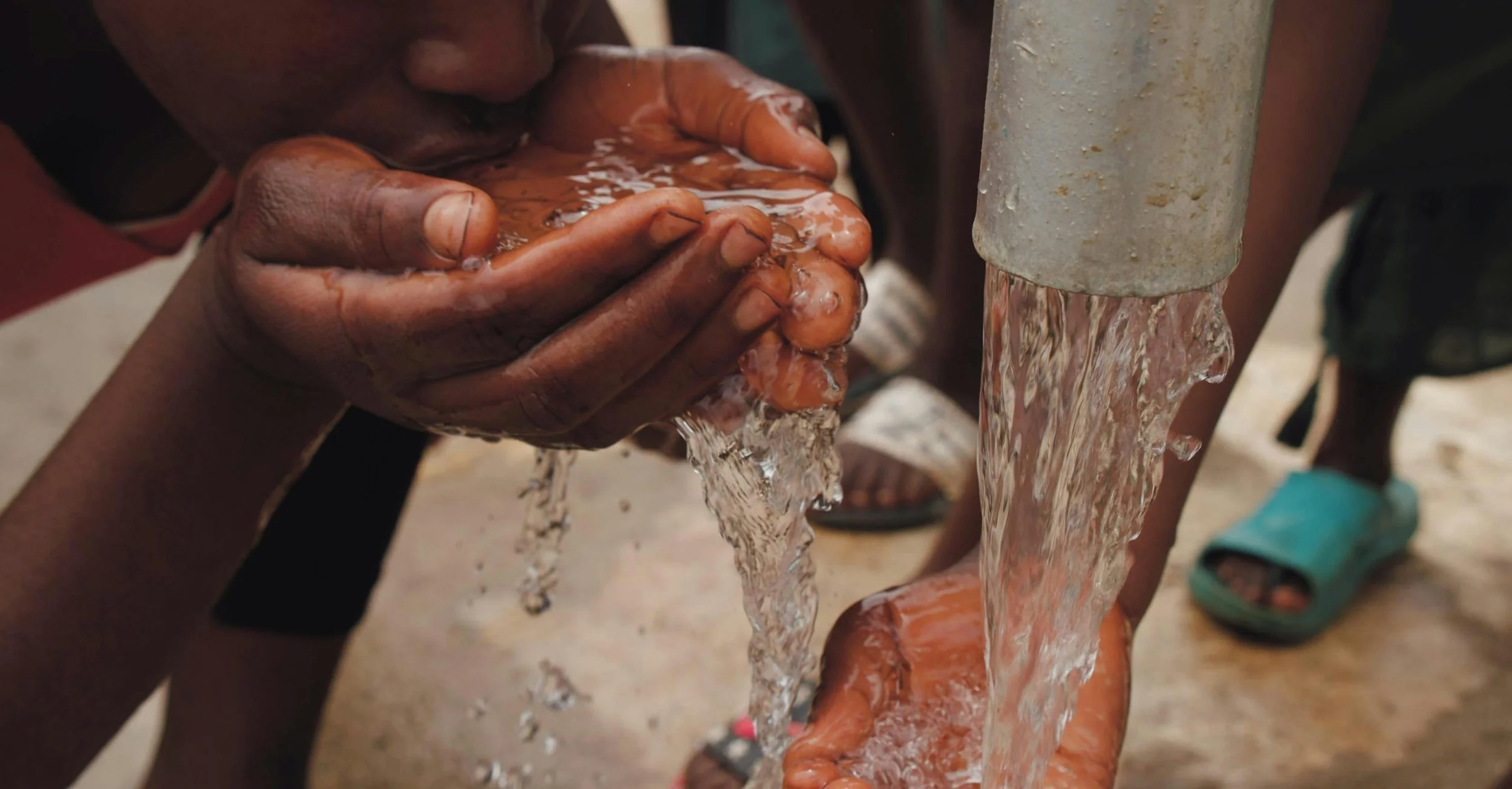
When clean water arrives, emotions change. Relief, joy, and hope fill communities. Children return to school. Women gain time and energy. Families are healed. The transformation is not just physical—it’s deeply emotional and human.
Communities celebrate the arrival of water with songs, dances, and festivals. New wells or taps become places to gather and share stories. The simple act of turning on a tap becomes a daily reminder that change is possible.
This emotional healing is as important as physical health. It helps people recover from trauma, rebuild trust, and invest in their future. Water brings not just survival, but the chance to thrive.
Stories Of Change: Real-life Examples
Change is possible. Across the world, communities have fought for clean water and won. Their stories inspire hope and show what is possible.
The Promise Of A Well In Malawi
In Malawi, a small village suffered from dirty water. Children were often sick, and women spent hours walking to distant streams. A local group worked with a charity to build a well. The change was immediate. Sickness dropped, children attended school, and women found time for work and rest.
The well became a symbol of hope, a sign that justice was possible.
The village’s story did not end with the well. People formed a water committee to care for the pump. They learned how to fix it, collect fees for repairs, and teach hygiene. The well became a place for meetings and celebrations.
Over time, nearby villages copied the idea, spreading hope even further.
Australia’s Rural Drought Fighters
In rural Australia, drought threatens farms and families. Communities have come together, sharing resources and installing rainwater tanks. With support from local organizations, farmers learn new techniques to manage water. The fight is hard, but the spirit is strong. The sense of unity and resilience is powerful.
Some farmers have switched to drought-resistant crops. Others have built dams or ponds to store rain. Local schools teach children how to save water and care for the land. These small changes add up, helping families survive tough years and plan for a better future.
Bangladesh’s Battle With Arsenic
Bangladesh faces a unique challenge—arsenic in groundwater. For years, villages suffered from poisoning. Scientists and local leaders developed filters and new wells. The effort is ongoing, but thousands have been saved. The story is one of courage, science, and determination.
The fight against arsenic involved many people—doctors, engineers, teachers, and parents. Mobile labs tested wells. Community health workers visited homes to explain the risks. New technologies, like sand filters and deep tube wells, made safe water possible. The battle is not over, but each success brings new hope.
These stories show that change is possible, even in the hardest places. They also prove that local action and outside support work best together.
Why Legal Recognition Matters
Declaring water a human right is important—but laws must back it up. Without legal protections, promises fade and injustice grows.
Laws And Policies
Many countries now have laws that guarantee clean water. These laws set standards, punish polluters, and support infrastructure. Legal recognition means people can demand their rights, sue for justice, and hold leaders accountable.
For example, South Africa’s constitution guarantees the right to water. Citizens have used this law to demand better services. In Bolivia, people protested when water was privatized and prices rose. Their victory led to new laws protecting public water.
Strong policies also include regulation of water prices, protection of rivers, and support for rural areas. Good laws are clear, fair, and enforced. They make water a public good, not just a product for sale.
Common Legal Gaps
- Weak enforcement: Laws exist, but are not applied.
- Corruption: Money meant for water projects is stolen.
- Discrimination: Marginalized groups are ignored.
Other gaps include poor planning, lack of funding, and unclear responsibilities. Sometimes, national laws are strong but local officials lack training or resources. In other cases, courts are slow or expensive, making it hard for poor people to claim their rights.
Fighting these gaps is essential for justice. People must push for strong laws, honest leaders, and fair treatment.
One non-obvious insight: Legal battles for water rights often take years, but they also create lasting change. When communities win, they set precedents that help others.
How Clean Water Empowers Women And Girls
The fight for water is also a fight for gender equality. When water is scarce, women suffer most. Clean water changes everything.
Time And Opportunity
With clean water close by, women gain time. They can work, learn, and participate in community life. Girls stay in school, building brighter futures.
In villages with nearby taps or wells, women start new businesses—selling crafts, food, or services. Some join local councils or take literacy classes. Girls with more time can play sports, join clubs, and dream of careers beyond the home.
This opportunity spreads through families. When women earn money, they invest in children’s health and education. When girls finish school, they marry later and have healthier children. Water is a first step to equality.
Health And Safety
Dirty water brings disease. Collecting water exposes women to dangers—violence, injury, exhaustion. Clean water means safety and dignity.
In some regions, girls fear going to school because there are no toilets or safe water. This keeps them home, especially during menstruation. In other places, women are attacked or harassed on remote water paths. Clean water at home or school changes this, making life safer and more dignified.
Health improves in other ways, too. Women with clean water spend less on medicine and hospital visits. They can care for their families, start gardens, or help neighbors. The ripple effect is huge.
Breaking The Cycle
Empowering women with water breaks cycles of poverty and oppression. It lifts families and communities.
A less obvious insight: When women manage water projects, success rates are higher. Studies show that female-led water committees maintain pumps and wells better than male-only groups. Women know the needs of their families and prioritize fairness.
Water projects that include women are more likely to last, adapt, and improve over time. This is why many organizations now require women’s participation in all stages of planning and management.
The Role Of Community Action And Advocacy
Change does not happen alone. Communities, leaders, and activists must work together.
Grassroots Movements
Local groups often lead the fight for water. They organize, protest, and build solutions. Their voices are powerful.
Grassroots groups know the local challenges best. They can spot leaks, report problems, and hold officials accountable. They also teach neighbors about hygiene, water safety, and conservation.
Some communities use “water watches”—volunteer groups that monitor water quality and supply. Others form cooperatives to share wells, maintain pumps, and collect small fees for repairs. These actions build trust and self-reliance.
International Support
Global organizations provide funding, technology, and expertise. Partnerships help solve complex problems.
Groups like UNICEF, WaterAid, and the World Health Organization work with governments and local leaders. They provide money for building wells, training workers, and testing water. International experts help design systems that work in tough environments.
Partnership is key. Local knowledge plus international resources creates real progress.
Digital Advocacy
Social media and online campaigns spread awareness. They connect people, share stories, and mobilize action. Even a single post can reach thousands, inspiring hope and change.
Hashtags like #WaterIsLife and #Right2Water have united activists across borders. Crowdfunding platforms raise money for village projects. Online petitions pressure governments to improve services.
Digital advocacy is powerful because it is fast, public, and hard to ignore. It gives everyone a voice—from rural farmers to city students.
Another insight: Digital advocacy helps expose problems that might otherwise stay hidden. Photos, videos, and stories can quickly reveal broken pipes, polluted rivers, or unfair policies.
Water And The Environment: Protecting Nature And People
Clean water depends on a healthy environment. Pollution, deforestation, and climate change threaten water sources.
Environmental Justice
Protecting rivers, lakes, and groundwater is vital. Communities must defend their environment to secure their water. Environmental justice means fair treatment, protection, and respect for nature.
Industrial pollution is a growing threat. Factories dump chemicals into rivers. Farms use pesticides and fertilizers that wash into streams. Cities fill wetlands to build roads and homes. These actions harm water quality and endanger health.
Environmental justice means stopping these abuses and restoring damaged places. It means making sure everyone—rich or poor—has a say in how water is managed.
Practical Solutions
- Reforestation: Trees protect water sources and stop erosion.
- Pollution control: Laws and technology reduce contamination.
- Sustainable agriculture: Farming methods that use less water and protect soil.
Other practical steps include building wetlands to filter water, creating buffer zones along rivers, and recycling wastewater for use in farming or industry.
Communities can also protect nature by cleaning up rivers, planting native plants, and reducing plastic waste. Every action helps.
A less obvious point: Sometimes, protecting water means saying “no” to big projects that promise jobs or money but threaten rivers or lakes. Strong community voices are needed to defend nature.
These solutions are practical, but they require commitment and cooperation.
The Link Between Water And Other Human Rights
Water is not isolated. It connects to many other rights.
Health
Clean water is needed for hospitals, clinics, and homes. Without it, health care suffers.
Doctors and nurses need water to clean wounds, wash hands, and care for patients. In emergencies, lack of water can make disease outbreaks worse. Safe water is the first line of defense in public health.
Education
Schools need water for drinking and sanitation. Dirty water keeps children out of class.
Children who are thirsty or sick cannot learn. Schools without toilets or handwashing stations are unsafe, especially for girls. Clean water makes education possible for all.
Housing
Safe homes require running water. Without it, families face hardship.
Water is needed for cooking, cleaning, and hygiene. Without it, homes become places of stress and illness. Good housing includes safe, reliable water.
Work
Jobs depend on water—factories, farms, and businesses all need it.
Workers need water to stay healthy and productive. Businesses need water for production, cleaning, and safety. In many places, water shortages force businesses to close or move.
Water links to every aspect of human rights, making it a foundation for justice.
Data Table: Water And Health Outcomes
To understand the impact of clean water, look at the health data:
| Region | Child Mortality Rate (per 1,000) | Access to Clean Water (%) |
|---|---|---|
| Sub-Saharan Africa | 76 | 63 |
| South Asia | 34 | 85 |
| Latin America | 18 | 92 |
| Europe | 4 | 98 |
The connection is clear: more water, less child death. Clean water saves lives.
A second insight: Health outcomes improve fastest when water projects include hygiene education. Teaching people how to wash hands, store water safely, and keep toilets clean multiplies the benefits of new infrastructure.
Barriers To Water Access: What Stops Progress?
Even as the world moves forward, barriers remain.
Infrastructure Gaps
Pipes, pumps, and treatment plants are expensive. Poor communities lack resources.
Building and maintaining water systems takes money, skilled workers, and regular repairs. In remote or conflict areas, these are often missing. Sometimes, new wells are built, but break after a few years because no one is trained to fix them.
Long-term success needs investment in both hardware (pipes, tanks, pumps) and “software” (training, management, planning).
Political Challenges
Conflict, corruption, and weak leadership slow progress.
Wars destroy water systems. Political leaders may ignore poor regions or minority groups. Corruption means projects are delayed, cut short, or abandoned.
Strong leadership is needed to plan, fund, and protect water systems. Communities must have a voice in decisions.
Economic Inequality
The poor pay more for water. Sometimes, they pay with their health.
In slums and rural areas, water may be delivered in buckets or by truck. Prices are high, quality is low, and supply is uncertain. Wealthy areas have pipes, taps, and treatment plants.
Bridging this gap requires public investment, fair pricing, and support for the poorest.
Cultural And Social Issues
Discrimination, exclusion, and misinformation block access.
Some groups are left out of water plans—because of ethnicity, language, or status. Others are not told about new projects or how to use new systems. Myths and fears may stop people from using clean water or toilets.
Education and inclusion are key.
Climate Threats
Droughts, floods, and storms destroy water sources.
Climate change brings new risks. Wells run dry, rivers flood, and storms wipe out pipes and pumps. Planning for climate resilience means building flexible, robust systems.
Solving these barriers requires teamwork, creativity, and courage.
Hope: Innovative Solutions Changing Lives
Innovation brings hope. New ideas, technologies, and projects make clean water possible.
Solar-powered Pumps
In Africa and Asia, solar pumps deliver water without electricity. They are cheap, reliable, and sustainable.
Solar energy is free and clean. Pumps work during the day, filling tanks for night use. Maintenance is simple, and costs are low. Solar pumps reduce dependence on diesel or grid electricity.
Rainwater Harvesting
Collecting rain is simple and effective. It helps communities survive drought.
Roofs, gutters, and tanks collect and store rainwater. Filters keep it clean. In dry regions, rainwater provides drinking water, irrigation, and even supports small businesses.
Mobile Water Testing
Small devices test water for toxins and bacteria. Communities can act quickly to protect themselves.
These kits are portable, easy to use, and give results in minutes. They help people find safe wells, avoid polluted sources, and report problems.
Community-owned Systems
Local ownership means better care, maintenance, and trust. It empowers people.
When communities manage their own water, they set rules, collect fees, and train members. This creates a sense of pride and responsibility.
Other innovations include toilets that use little or no water, low-cost filters made from local materials, and apps that report leaks or shortages.
Data Table: Innovative Water Solutions
Here is a comparison of innovative solutions:
| Solution | Cost | Impact | Region |
|---|---|---|---|
| Solar Pumps | Medium | Reliable water supply | Africa, Asia |
| Rainwater Harvesting | Low | Drought resilience | Global |
| Water Filters | Low | Safe drinking water | Bangladesh, India |
| Mobile Testing | Low | Quick risk detection | Global |
These tools change lives, bringing hope and healing.
A less obvious insight: The best innovations are often adapted and improved by local people. A simple sand filter or pump may work better when redesigned to fit local needs, skills, and materials.
The Power Of Advocacy: How You Can Help
Everyone has a role in protecting water rights. Advocacy is powerful.
Speak Up
Share stories, raise awareness, and demand action. Use your voice.
Talk to friends, write letters, or join marches. Bring water issues into local meetings, classrooms, or workplaces. Every conversation helps.
Support Organizations
Donate, volunteer, or partner with groups that fight for water. Your support matters.
Find trusted organizations working for water rights. Even small donations can fund a new filter, test kit, or training session. Volunteering or sharing skills can make a difference.
Use Technology
Share information online. Join campaigns and connect with others.
Follow water activists on social media. Share their messages. Use hashtags to spread stories. Technology multiplies your impact.
Educate And Inspire
Teach children about water. Inspire the next generation to value and protect it.
Schools, clubs, and families can make water education fun—through games, projects, or field trips. The more young people care, the brighter the future.
Personal Action
Use water wisely. Reduce waste. Protect local rivers and lakes.
Fix leaks, use water-saving devices, and avoid polluting drains. Join clean-up days or tree-planting events. Small acts add up.
Together, we can defend water rights.
The Future: Challenges And Opportunities
The fight for water is ongoing. Challenges grow, but so do opportunities.
Growing Urban Populations
Cities are expanding. Urban water systems must adapt to new pressures.
Crowded cities put huge demands on pipes, pumps, and treatment plants. Slums and informal settlements often lack services. Planning for growth means investing in new systems, repairing old ones, and including everyone.
Climate Change
Weather is less predictable. Water management must become smarter and more resilient.
Communities need early warning systems for floods and droughts. Infrastructure must be strong enough to survive storms. Nature-based solutions—like restoring wetlands—can help manage risk.
Technology And Innovation
New tools bring hope. Smart systems, sensors, and data help communities manage water.
“Smart” water meters track leaks. Sensors test water quality in real time. Apps let people report problems or pay bills easily. Technology makes systems faster, more efficient, and fairer.
Global Cooperation
Countries must work together. Sharing knowledge and resources is key.
Rivers cross borders. Droughts and floods do not stop at fences. International agreements and projects are needed. The United Nations and other groups help countries share water peacefully.
Youth Leadership
Young people are passionate and creative. Their energy is vital for change.
Youth groups lead protests, start campaigns, and design new solutions. They bring fresh ideas and challenge old ways. Supporting youth means investing in the next generation of water protectors.
Alice Nahar’s Perspective: Living With Water Issues
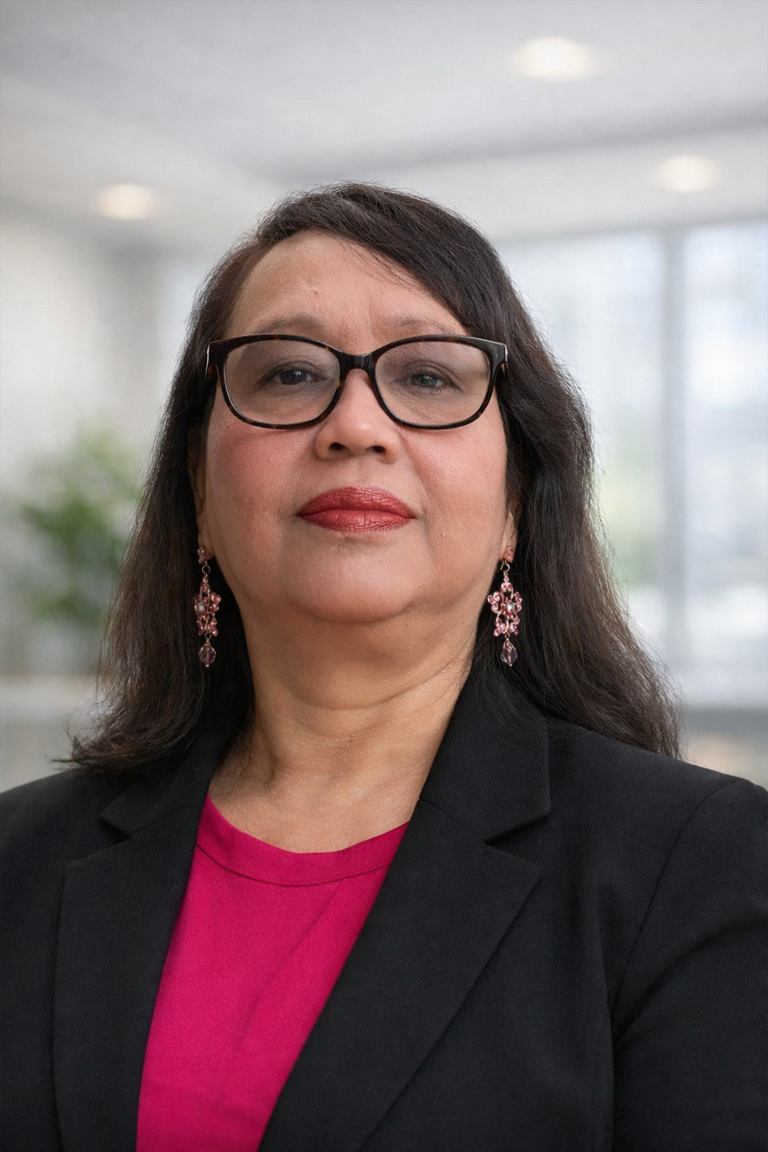
I am Alice Nahar, also known as Digital Madama. Since 1991, I have called Australia home. My journey began far from here, in places where water was precious and scarce. I have seen the pain of water shortages—the faces of children thirsty and mothers worried. I have also seen hope—the joy when water arrived, the laughter that returned to communities.
Australia is lucky, but not immune. Rural families fight drought. Indigenous communities still demand justice. I believe water is more than a resource. It is a right, a gift, and a responsibility. My work, my passion, and my story are shaped by water. If you want to learn more about my journey, visit About the Author.
Through my work, I have learned that change comes from listening, learning, and acting together. Each story, each drop, matters. We all have a part to play in building a fairer world, starting with water.
Frequently Asked Questions
What Makes Access To Clean Water A Human Right?
Clean water is needed for life, health, and dignity. Without it, people suffer from disease, poverty, and exclusion. The United Nations recognizes water as a basic human right, meaning everyone deserves safe water, no matter their background.
A human right is not something you earn or buy—it is something you are born with. Water is so basic that without it, no other right can be enjoyed. It is the foundation of freedom and equality.
How Does Water Scarcity Affect Women And Girls?
Women and girls often collect water, losing time for school and work. They face risks and health problems. Clean water gives them safety, opportunity, and hope, breaking cycles of poverty and inequality.
Many girls drop out of school during puberty because there are no toilets or water for hygiene. Women may face violence or injury on long walks. Clean water nearby means education, safety, and new opportunities.
What Are The Biggest Barriers To Clean Water Access?
Major barriers include poor infrastructure, political conflict, economic inequality, and environmental threats like drought. Corruption, discrimination, and lack of education also block progress.
Each place faces different challenges. Some need new pipes, others need better laws, and some need peace and stability. The solution is always local, but the goal is the same: safe water for all.
Can Technology Help Solve Water Problems?
Yes. Innovations like solar pumps, water filters, and mobile testing devices make water safer and more accessible. Technology can empower communities and save lives.
But technology alone is not enough. It must be affordable, easy to use, and supported by training. The best solutions are those designed with local people, not just for them.
How Can I Support Water Rights?
You can speak up, support organizations, use water wisely, and educate others. Every action matters. Even sharing a story online can inspire change. Connect with others on social media, like Facebook, to join the conversation and help protect water rights.
Your choices matter. By caring and acting, you join a global movement for justice.
Final Thoughts: Water, Hope, And Humanity
Clean water is more than a basic need—it is a source of hope, freedom, and justice. The fight for water is a fight for life, equality, and dignity. Across the world, people dream of a day when every child drinks safely, every mother rests easy, and every community thrives.
That dream is possible.
The journey is hard, but it is filled with courage, compassion, and love. Water connects us all. It reminds us that humanity is strongest when we care for each other, when we stand up for justice, and when we fight for the rights of every person.
Let us cherish water, defend it, and share it. Because in every drop, there is hope. In every well, there is a story. And in every glass, there is the promise of a better world for all.
If you want to explore more about water as a human right and global challenges, you can visit [UN Water](https://www.unwater.org/water-facts/human-rights).