How Social Inequality Continues To Threaten Human Rights Worldwide
Every morning, millions wake up to a world where the promise of human rights is still just a dream. Somewhere, a young girl walks miles for water, missing school because her family cannot afford shoes. In another country, a man is denied a job because of his last name or the color of his skin. Families huddle together in makeshift shelters, their homes destroyed by storms fueled by a warming planet—while others watch from safe, comfortable houses, untouched by crisis. These stories are not just statistics. They are the heartbeat of our world, and they remind us that social inequality is not just unfair—it is a threat to the basic rights and dignity that every person deserves.
Social inequality and human rights are deeply connected. When there is a gap between the rich and the poor, the powerful and the powerless, rights are not just ignored; they are often stolen. The Universal Declaration of Human Rights, written in 1948, spoke with hope about a world where everyone is equal in dignity and rights.
But decades later, we still see how poverty, discrimination, and injustice keep too many people trapped in silence.
This article is an honest, compassionate exploration of how social inequality continues to threaten human rights worldwide. We will look at real struggles, powerful examples, and the hope that people create—even in the darkest circumstances. Let’s walk together through stories, data, and dreams for a better world.
The Heart Of Human Rights: What We All Deserve
At its core, human rights are simple and universal. They are the rights that belong to every person—no matter where they were born, what language they speak, or how much money their family has. These include the right to life, freedom, education, health, and safety from violence or discrimination.
But human rights are not just words on paper. They are the difference between a child going to school or working in a factory. They are the hope that refugees carry when they cross dangerous borders. They are the dreams of mothers who want their children to grow up safe and free.
Human rights also include the right to privacy, the right to seek asylum, and the right to marry who you choose. They protect people from torture, slavery, and unfair treatment. These rights are designed to make sure everyone can live a life with respect and possibility, no matter their background.
The Universal Declaration Of Human Rights
In 1948, after the horrors of World War II, the world came together to write a promise: The Universal Declaration of Human Rights. It said that “all human beings are born free and equal in dignity and rights.” This declaration was meant to protect every person, everywhere.
It was the first global agreement that recognized the importance of treating all people with fairness and respect. It listed rights like the right to work, the right to rest, and the right to take part in government. Almost every country in the world agreed to follow these ideas, but not all have succeeded.
Even today, many governments sign this declaration but do not follow its rules in practice. For example, some countries limit free speech or punish people for peaceful protests, even though these actions break the promise of human rights.
Why Human Rights Matter
When people have their rights respected, they can live with dignity. They can speak their minds, find work, care for their families, and dream about the future. When rights are denied, hope shrinks and fear grows.
Human rights are the foundation for freedom, justice, and peace. They are not just legal rules—they are the soul of what it means to be human.
When human rights are protected, societies are safer and more stable. People can trust their leaders, take part in decisions, and build strong communities. When rights are ignored, it often leads to conflict, poverty, and suffering.
Many people do not realize that human rights are also important for progress. If everyone gets education and healthcare, the whole society improves. New ideas and inventions appear, and more people can help solve problems. Human rights are not only about fairness—they are about building a better world for all.
Understanding Social Inequality
Social inequality means that not everyone has the same opportunities or resources. It is the gap between those who have much and those who have little. This gap is not just about money—it also includes power, education, health, and respect.
Social inequality affects almost every part of life. It decides who can get a good job, who lives in safe neighborhoods, who gets respect, and who is heard. Sometimes, these gaps are easy to see, like rich neighborhoods next to poor ones.
Other times, inequality is hidden in rules or traditions.
Inequality can be seen in:
- Income and wealth
- Access to education and healthcare
- Gender and racial discrimination
- Political power and voice
- Living conditions and safety
How Social Inequality Happens
Social inequality is not an accident. It is built by systems—laws, traditions, and beliefs—that give some groups more than others. Sometimes, it is the result of history: colonialism, slavery, and war. Other times, it is about new challenges like climate change, new technology, or the way economies change.
For example, colonialism took land and resources from local people and gave them to outsiders. This started a cycle of poverty and exclusion that continues in many places. Discrimination against women or minorities can be written into law, making it hard for them to get jobs or education.
New technology can create inequality too. The internet offers information and jobs, but only to those who can afford computers or phones. The digital divide leaves millions behind, unable to take part in the modern world.
Often, inequality is passed from one generation to the next. A child born into poverty is more likely to stay poor, no matter how hard they work.
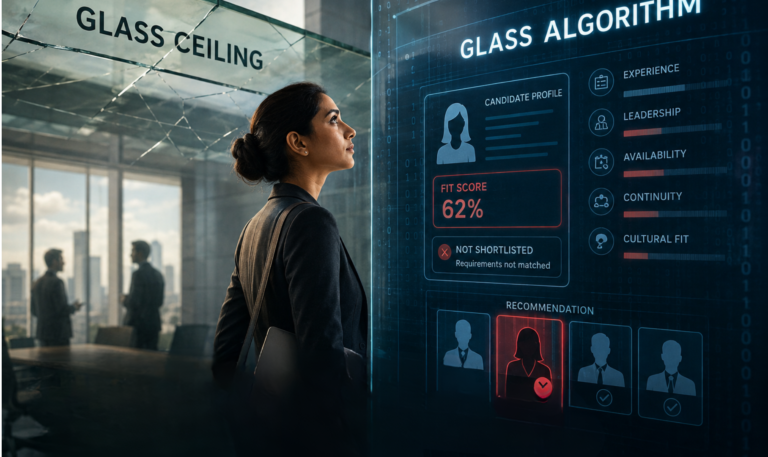
It’s important to remember that inequality is not always obvious. Sometimes, it shows up in small ways, like who is invited to meetings or who is listened to. Even when laws change, old attitudes and networks can keep some people out.
The Faces Of Inequality
- In the slums of Mumbai, families live in crowded rooms, while luxury apartments rise nearby.
- In rural Africa, women walk hours for water, while men control land and money.
- In many countries, people with disabilities are hidden away, denied education and work.
These are not just stories from “far away. ” Social inequality exists in every society—even in wealthy countries like Australia, the US, and Europe.
For example, in the US, Black and Hispanic communities often have fewer schools, jobs, and healthcare options. In Europe, Roma people face exclusion and poverty. In Australia, indigenous people struggle for land and respect.
Social inequality may look different in each place, but the pain and the barriers are often the same.
The Link Between Social Inequality And Human Rights
When people face social inequality, their human rights are at risk. The two are deeply connected—one feeds the other.
Social inequality makes it hard for people to claim their rights. If you are poor, or if your group is discriminated against, you may not have the power or resources to fight for justice. Often, people are afraid to speak out, or they do not know their rights.
Poverty: The Silent Thief Of Rights
Poverty is more than having little money. It means being unable to get food, clean water, healthcare, or education. It means not having a voice or a chance to participate in society. Poverty steals dignity and hope.
A child born into poverty often misses out on school. Without education, their future is limited. If someone cannot pay for medical care, their health suffers. Without stable housing, safety is always at risk.
Poverty is one of the biggest threats to human rights. It makes it almost impossible to enjoy the basic things everyone deserves.
Many poor families are forced to make impossible choices—like spending their last money on food or medicine, but not both. This daily struggle means that rights like health, education, and safety are always fragile.
Discrimination And Exclusion
Discrimination means treating people unfairly because of who they are—because of their race, gender, religion, disability, or background. It tells people: “You do not belong. You do not matter.”
This exclusion leads to:
- Fewer job opportunities
- Lower pay for the same work
- Violence or threats
- Poor health and housing
Discrimination is a double wound. It hurts people directly, and it also tells them that society does not care. This is a deep violation of human rights.
Discrimination can also happen quietly. For example, job advertisements may say “only men apply,” or schools may not welcome disabled children. Sometimes, people are excluded from social groups, even if they have the right skills or ideas.
One insight many beginners miss is that discrimination is often hidden in everyday life. It can be found in the way people talk, the way buildings are designed, or the way rules are written. Recognizing these hidden barriers is the first step to real change.
Power And Voice
In many places, some groups have more power than others. They make decisions, write laws, and control resources. When people have no voice—no way to be heard—their rights are easily ignored.
Around the world, indigenous people, women, and minorities often fight to have their voices heard. Without this power, their basic needs and rights are often forgotten.
Even when laws promise equality, those without power may not be able to use them. Courts may be expensive, or leaders may not listen. Social networks and traditions can keep outsiders away from important decisions.
Global Data: Inequality In Numbers
To understand the scale of social inequality, let’s look at some numbers that tell the story of our world today.
| Issue | Key Statistic | Impact on Human Rights |
|---|---|---|
| Global Poverty | Nearly 700 million people live on less than $2.15 a day (World Bank, 2023) | Denial of food, health, education, dignity |
| Education Gap | 260 million children are out of school (UNESCO, 2022) | Limits future, increases inequality |
| Gender Inequality | Women earn 20% less than men globally (ILO, 2022) | Economic and social exclusion |
| Disability | 80% of people with disabilities live in poverty (UN, 2021) | Social and economic isolation |
| Climate Change | Over 20 million displaced by climate disasters yearly (UNHCR, 2022) | Loss of homes, rights, and safety |
These numbers are not just facts—they are lives. Every number is a person with dreams, fears, and hopes.
If we look deeper, we see more layers to the data. For example, children from poor families are not only more likely to miss school—they are also more likely to suffer from malnutrition and disease. Women earning less than men may have less power in their families and communities, leading to more risk of violence and exclusion.
Another insight is that inequality often grows during crises. When disasters strike—like floods, wars, or pandemics—those already at the bottom suffer most. For instance, during COVID-19, poor families had less access to online learning, so their children fell further behind.
Poverty: The Root Of Many Human Rights Violations
Poverty is not just about being poor. It is about being unable to live with dignity. When people are trapped in poverty, every basic right is at risk.
Poverty is often called a “root cause” because it makes other problems worse. Poor health, lack of education, unsafe homes, and low wages are all connected. If you fix poverty, you can improve many rights at once.
Education
Education is a doorway to a better life. But for millions, poverty slams this door shut.
- In sub-Saharan Africa, 1 in 5 children are out of school.
- Girls are more likely to be kept at home to help with chores or care for siblings.
- Poor children often go to schools with fewer teachers, books, and supplies.
Without education, children cannot build a better future. Their dreams stay out of reach.
In many places, school fees or the cost of uniforms keep poor children away. Even when schools are free, families may need children to work. This creates a cycle—children who miss school often grow up poor, and their own children face the same barriers.
Some schools are also unsafe or far from home. Girls may risk violence just to get to class, or disabled children may not have transportation. Education must be available, accessible, and safe for everyone.
Health
Health is a basic human right. But poverty means:
- No money for medicine or doctors
- Poor nutrition and unsafe drinking water
- Higher risk of diseases like malaria, tuberculosis, and COVID-19
In many places, hospitals are far away or too expensive. For the poor, health problems can mean death or lifelong suffering.
For example, in rural areas, clinics may have no medicine or trained staff. Pregnant women may have to travel hours for care, risking their lives and their babies. Children may die from preventable diseases, simply because their families cannot afford treatment.
Poor nutrition is a hidden problem. Malnourished children may never grow or learn properly. This affects their whole lives, making it harder to escape poverty.
Housing
Safe housing is a human right, yet poverty forces families to live in unsafe, crowded, or temporary shelters.
- Slums in cities like Manila or Nairobi have no clean water or toilets.
- Families are at risk from fires, floods, and disease.
- Homelessness is growing even in wealthy countries.
Without a safe home, every other right is harder to enjoy.
Many poor families live in places where storms or floods are common. Their homes may be made of weak materials, so disasters can destroy everything. When people lose their homes, they also lose their safety, privacy, and community.
In rich countries, homelessness is often ignored. People sleep in parks or shelters, facing cold and violence. Children without homes have trouble staying in school or getting health care.
Work And Wages
Poverty often means working long hours for little pay, sometimes in dangerous conditions. Many workers are denied basic rights—like rest, safety, or fair wages.
- Over 160 million children are in child labor.
- Women and migrants are often paid less for the same work.
Work should offer dignity—not danger or exploitation.
Some jobs are so unsafe that workers risk injury or death every day. Migrant workers may have no contracts or protection, so they can be cheated or abused. Child labor is especially cruel, robbing children of their childhood and their future.
Even when people work hard, they may not earn enough to escape poverty. Minimum wages are often too low, or employers do not pay fairly. Fair work is key to human rights.
Discrimination: When Identity Becomes A Barrier
Discrimination is one of the most painful forms of social inequality. It tells people that they are less valuable, simply because of who they are.
Discrimination can be legal, social, or personal. It can be written into laws or shown in attitudes and actions. People may be excluded from schools, jobs, or healthcare—even if they are qualified and willing.
Racial And Ethnic Discrimination
All over the world, people face violence, exclusion, or poverty because of their race or ethnicity.
- In the US, Black Americans are more likely to be arrested, jailed, or killed by police.
- In Myanmar, the Rohingya people have faced genocide and forced displacement.
- Indigenous peoples often have less access to education, healthcare, and jobs.
Racism is not just about hate—it is about power. When one group holds power, others are denied their rights.
Racial discrimination can also be subtle, like teachers expecting less from certain students, or employers hiring based on names or appearance. These quiet forms of exclusion can be just as damaging.
Ethnic minorities may be forced to hide their language, culture, or religion. This loss of identity is another violation of human rights.
Gender Inequality
Women and girls face discrimination in every society.
- Girls are married off as children, forced to drop out of school.
- Women are paid less, even with the same education.
- Violence against women—including domestic abuse and sexual assault—is common.
Gender inequality is a human rights emergency. When half the world is held back, everyone suffers.
In some places, women cannot own land or sign contracts. They may need permission to travel or work. Even in rich countries, women face barriers in leadership and politics.
Violence against women is often hidden. Many suffer in silence, afraid to speak out or seek help. Safe spaces, support services, and strong laws are needed to protect women and girls.
Disability And Exclusion
People with disabilities often face barriers everywhere:
- Schools that are not accessible
- Employers who will not hire them
- Public spaces that cannot be reached
Disability should not mean invisibility. True equality means breaking down these barriers.
Many disabled people are denied basic health care or support. They may be forced to rely on family or charity, rather than being independent. Changing attitudes and improving access are key steps.
Power, Voice, And Participation
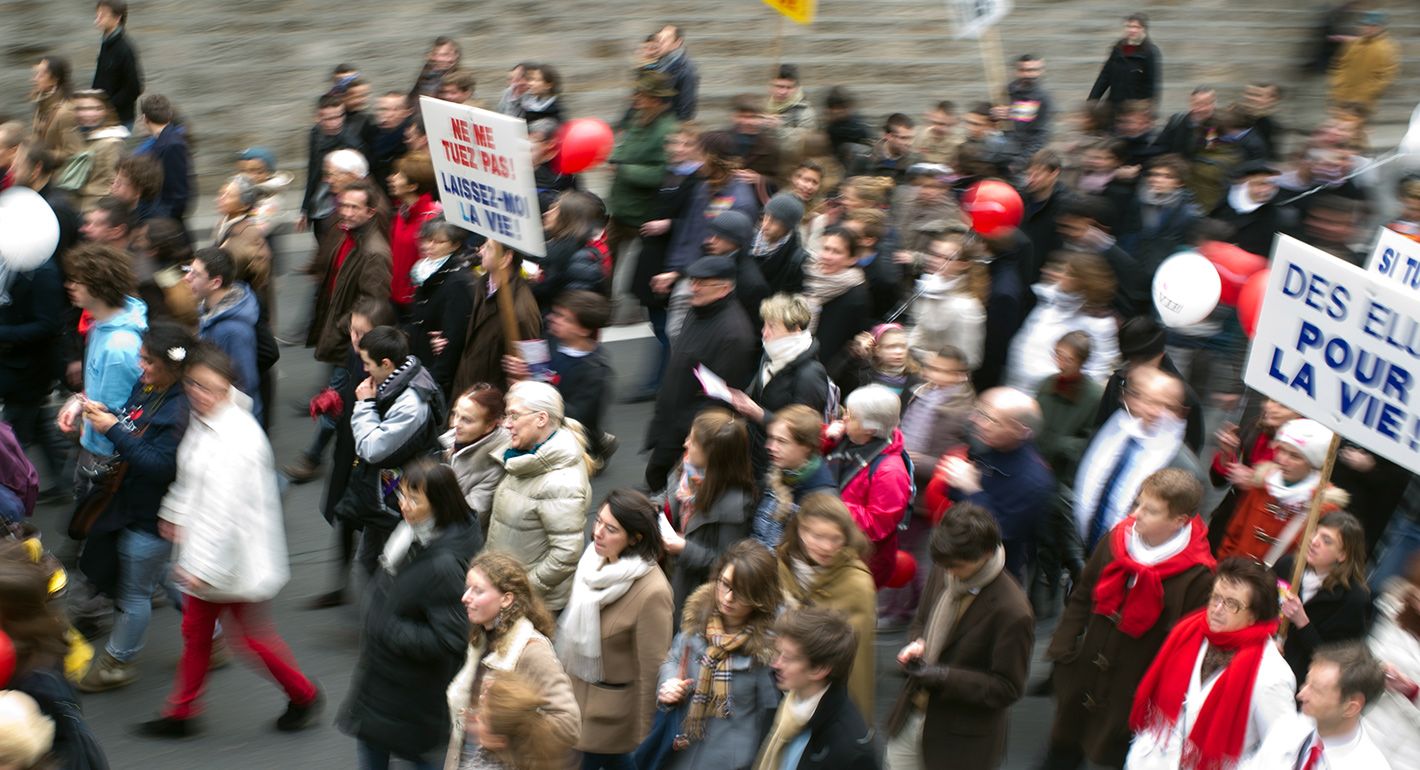
Having a voice is a human right. But for many, social inequality means being silenced.
Power and participation are linked to many rights. If people cannot take part in decisions, their needs are ignored. This leads to policies and laws that benefit the few, not the many.
Political Power
In many countries, only the rich or powerful can run for office. Minority groups, women, or the poor have little say in the decisions that shape their lives.
- In some places, voting is blocked or manipulated.
- Protesters are jailed or attacked for speaking out.
Democracy is about more than voting—it is about everyone having a real voice.
Political exclusion can be very subtle. Sometimes, only certain languages are used in government, making it hard for minorities to understand or participate. Other times, rules make it expensive to run for office, keeping poor people out.
When people cannot vote, protest, or join discussions, their rights suffer. For example, landless farmers may lose their homes if leaders do not listen to them.
Media And Information
Access to information is critical for human rights. But poor or marginalized groups may have less access to the internet, news, or education. This limits their ability to speak out, organize, or defend their rights.
Fake news and hate speech can also be used to divide and silence.
Media is often controlled by the powerful. This means only certain stories are told, and others are ignored. For example, problems in poor neighborhoods may be left out of the news, so leaders do not act.
Social media can help share voices, but it can also spread lies and hate. Teaching people how to find good information is important for human rights.
Civil Society And Activism
Activists—people who stand up for rights—are often targeted. In 2022, over 200 human rights defenders were killed worldwide. Many more face threats, jail, or exile.
Yet, these brave voices bring hope. They remind us that change is possible.
Activists work in many ways. Some organize protests, others write articles or help in communities. They risk their safety to fight for justice. Supporting activists and protecting their work is vital for progress.
Climate Change: The New Face Of Inequality
Climate change is not just an environmental crisis. It is a crisis of human rights and justice.
Climate change makes existing inequalities worse. Poor people, minorities, and small farmers are often least responsible for pollution, but they suffer most from its effects.
Who Suffers Most?
The people who cause the least pollution—often the poor, indigenous, or small farmers—suffer the most from floods, droughts, and storms.
- In Bangladesh, families lose their homes to rising seas.
- In the Sahel region of Africa, farmers watch crops fail as heat grows.
- Small island nations face extinction as oceans rise.
Climate disasters destroy homes, schools, and clinics. They force people to flee, becoming “climate refugees. ”
Some groups are hit hardest because they already have fewer resources. They cannot rebuild after disasters, and they may have no place to go. Climate refugees often face new forms of exclusion and discrimination.
Climate Justice
Climate justice means making sure that those most affected are heard and supported. It means:
- Rich countries and polluters must help those harmed by climate change.
- Solutions must be fair, protecting the vulnerable.
- Young people, indigenous voices, and women must be at the center of decisions.
Without climate justice, social inequality will grow—and human rights will suffer.
Climate justice also means changing the way we use energy, build cities, and grow food. It requires listening to those who know the land—like indigenous people—and making sure solutions do not leave anyone behind.
Data On Climate And Inequality
| Region | CO2 Emissions Per Person (2022) | Climate Disaster Impact |
|---|---|---|
| North America | 15.5 tons | Lower relative impact, high resilience |
| Africa | 1.1 tons | Severe droughts, floods, food crises |
| South Asia | 1.9 tons | Extreme storms, rising seas, displacement |
| Pacific Islands | 1.6 tons | High risk of disappearance, migration |
This table shows a stark truth: those who pollute the least often suffer the most.
Many beginners miss the fact that climate solutions must be local and global. What works in one place may not help another. Listening to local knowledge and sharing resources is key to real climate justice.
Hope In Action: Stories Of Courage And Change
Despite these challenges, hope is alive. Around the world, people are fighting for rights and justice. Their stories show that change is possible—even when the odds are long.
The Girl Who Changed Her Village
In rural India, a young girl named Sunita walked hours each day for water. Her brothers went to school, but she was expected to help at home. But Sunita refused to give up her dream. She spoke to a local women’s group, who helped her go back to school.
Years later, Sunita became a teacher—helping other girls break free from the chains of poverty and tradition.
Sunita’s story is not unique, but it shows the power of community. When one person speaks up, others can follow. Her village now has more girls in school, and women have a stronger voice.
The Lawyer Defending The Poor
In Brazil, a lawyer named João saw that poor families were being evicted from their homes to build luxury apartments. Instead of looking away, he built a team to fight for housing rights. Thanks to his work, hundreds of families now have safe homes—and the power to demand more.
João’s work also changed the way local leaders see poor communities. Now, there are new laws to protect housing, and families can organize for their rights.
The Refugee Who Became A Leader
Amina fled war in Syria with nothing but hope. In a crowded refugee camp, she started a school for children who had lost everything. Her courage inspired others, showing that even in exile, dignity and dreams can survive.
Amina’s school is now a model for other camps. She trains teachers and brings hope to thousands. Her work shows that refugees are not just victims—they can be leaders and builders.
The Climate Youth Movement
In 2018, Greta Thunberg sat alone outside the Swedish parliament with a sign: “School Strike for Climate.” Her simple act inspired millions of young people to demand climate justice. Their voices have changed laws, policies, and hearts.
Greta’s movement has reached every continent. Young people now demand climate action from leaders, and some countries have pledged new laws to protect the environment.
These stories remind us: Social inequality is not destiny. When people are brave, organize, and dream, they can build a better world.
The Role Of Governments, Laws, And International Community
Governments have a duty to protect human rights and fight inequality. Laws, policies, and international agreements matter—but only if they are truly enforced and respected.
National Laws And Policies
Countries can pass laws to:
- Guarantee equal pay for equal work
- Protect children from labor or marriage
- Ensure access to education and health for all
- Punish discrimination and violence
But laws on paper are not enough. They must be put into action—through funding, training, and public will.
Many governments struggle to enforce laws fairly. Corruption, lack of resources, or weak institutions can leave the most vulnerable unprotected. Public campaigns and watchdog groups can help make sure laws are followed.
International Agreements
Agreements like the Universal Declaration of Human Rights, the Convention on the Rights of the Child, and the Convention on the Elimination of Discrimination Against Women set clear standards.
International bodies, like the United Nations, monitor and support human rights. But enforcement is often weak, especially when powerful countries break the rules.
International pressure can help, but it is not always enough. Sometimes, countries ignore agreements or make excuses. Strong global networks and partnerships can improve accountability.
The Power Of Civil Society
NGOs, grassroots movements, and activists play a key role in exposing injustice and demanding change. They provide services, raise awareness, and give voice to the voiceless.
Civil society can fill gaps left by governments. For example, NGOs may offer education or health care in poor areas, or help victims of discrimination find justice.
The Role Of Business
Companies can also protect rights—by paying fair wages, fighting discrimination, and respecting the environment. Ethical business is not just good for profits—it is good for humanity.
Some businesses now check their supply chains to avoid child labor or forced labor. They offer training and support for marginalized workers. Consumers can help by choosing fair products.
Covid-19: A New Lens On Inequality
The COVID-19 pandemic changed our world—and revealed deep cracks in our societies.
Who Suffered Most?
- The poor had less access to healthcare or vaccines.
- Many lost jobs or homes, with little support.
- Women and girls faced more violence at home.
- Children without internet or computers fell behind in school.
The pandemic showed that inequality is not just unfair—it is deadly.
COVID-19 made many problems worse. Migrant workers were stuck, unable to return home. Disabled people had trouble getting care. In some places, ethnic minorities faced more risk because of crowded living conditions or lack of information.
Many governments rushed to help, but the support often missed the most vulnerable. Emergency aid was hard to access, and many families fell deeper into poverty.
Lessons Learned
COVID-19 taught us that:
- Health is a human right, not a luxury.
- We must support the most vulnerable first.
- Global crises need global solutions—no one is safe until everyone is safe.
One insight is that pandemics show how connected we are. If one group is left out, everyone is at risk. Investing in health, education, and protection for all helps the whole society.
Solutions: Building A Fairer, More Equal World
Change is possible. Here are some ways we can fight social inequality and protect human rights.
1. Invest In Education
Education is the key to breaking the cycle of poverty and discrimination. Governments and donors must:
- Build schools in every community
- Train and pay teachers fairly
- Provide scholarships for poor, girls, and minorities
- Ensure schools are safe and welcoming for all
Making education free and accessible is not enough. We must also make sure schools teach respect, critical thinking, and practical skills. Inclusive schools help all children succeed, no matter their background.
2. Universal Healthcare
Health should never depend on money. Countries must provide:
- Free or low-cost clinics for all
- Vaccinations and medicine for every child
- Support for people with disabilities and mental health needs
Healthcare must include prevention, treatment, and support. Mobile clinics and telemedicine can reach remote areas. Mental health is often ignored but is vital for dignity and hope.
3. Fair Wages And Decent Work
Everyone deserves to work in safety and dignity. This means:
- Minimum wage laws
- Protection for workers’ rights
- Ending child and forced labor
- Equal pay for equal work
Decent work must include safe conditions, reasonable hours, and the chance to learn new skills. Unions and workers’ groups can help defend rights.
4. End Discrimination
Laws must protect everyone from discrimination—because of race, gender, sexuality, or disability. But laws are not enough:
- Police and courts must enforce rights
- Public campaigns can change hearts and minds
- Schools must teach respect and diversity
Ending discrimination requires changing attitudes, not just rules. Role models, positive stories, and community action can shift culture.
5. Climate Justice
Rich countries must cut pollution and help those harmed by climate change. Solutions must be fair and include those most affected.
Climate justice means sharing technology, funding, and knowledge. It also means listening to local voices and building resilience together.
6. Social Protection
Safety nets—like unemployment help, food aid, and housing support—protect people from falling into poverty.
Social protection must be easy to access and cover all basic needs. It can include cash transfers, free meals, or emergency support.
7. Empower Marginalized Voices
Women, minorities, indigenous people, and youth must be included in decisions. Participation is not a gift—it is a right.
True empowerment means training, leadership opportunities, and support for organizing. Local councils, youth groups, and women’s associations can build power.
8. Global Solidarity
Human rights are universal. Countries must work together to share resources, support refugees, and fight injustice everywhere.
Solidarity can include aid, partnerships, and shared learning. It also means standing up for rights, even when it is difficult.
Two Insights Beginners Miss
- Intersectionality: Many people belong to more than one marginalized group—a poor, disabled woman of color faces unique challenges. Solutions must address these overlapping identities.
- Invisible Barriers: Not all inequality is obvious. Social networks, language, and “unwritten rules” often keep people out, even when laws are fair on paper.
How You Can Make A Difference
You might wonder, “What can I do? ” Every person has power to make change.
Learn And Share
Knowledge is the first step. Learn about human rights and social issues in your community. Share stories and facts with friends and family.
Reading books, watching documentaries, and following trusted news can open your mind to new realities. Sharing what you learn helps others understand and care.
Stand Up And Speak Out
If you see injustice, speak out—online, at work, or in your neighborhood. Use your voice to support those who are silenced.
Small actions count. You can write letters, join campaigns, or ask leaders to do better. Speaking up can inspire others.
Support Organizations
Donate or volunteer with groups fighting for equality and rights. Even small actions matter.
Local groups often need help with events, teaching, or raising funds. International organizations can use your support too.
Vote And Participate
Support leaders and policies that protect rights and fight inequality. Your vote is your voice.
Stay informed about local and national elections. Ask questions and demand fair policies.
Connect With Others
Join movements and campaigns. Together, our voices are louder.
Social media makes it easy to connect, but real meetings and actions build strong bonds. Find groups that share your values and work together.
For more about standing up for change, you can visit my About the Author page.
Case Studies: Real People, Real Impact
The Mothers Of The Plaza De Mayo (argentina)
During Argentina’s “Dirty War,” thousands disappeared. Brave mothers marched every week, demanding answers for their missing children. Their courage forced the world to listen, and today, they are a symbol of hope for justice.
Their movement has inspired other groups worldwide, showing that persistence and unity can break silence and bring truth.
The Landless Workers’ Movement (brazil)
Millions in Brazil have no land to farm. The Landless Workers’ Movement organizes peaceful occupations of unused land, helping families grow food and build homes. Their struggle is about dignity and the right to live.
The movement has won legal rights, improved living conditions, and helped people organize for change.
Malala Yousafzai (pakistan/global)
Shot for going to school, Malala survived and became a global voice for girls’ education. She reminds us that one person’s courage can change millions of lives.
Malala’s work has led to new schools, laws, and support for girls worldwide. She now helps lead a global foundation for education.
Black Lives Matter (usa/global)
After the killing of George Floyd, people around the world marched for racial justice. The movement has changed laws, police practices, and hearts—but the struggle continues.
Black Lives Matter has inspired new conversations and actions in many countries, showing the power of collective protest.
The Pacific Climate Warriors
From tiny island nations, young people are fighting for climate justice. Their motto: “We are not drowning, we are fighting.” Their voices reach world leaders and inspire action.
They organize events, share stories, and push for global action to save their homes.

The Cost Of Inaction
If we ignore social inequality, the cost is too high:
- Millions will remain trapped in poverty.
- Violence and conflict will grow.
- Climate disasters will force more people to flee their homes.
- Human rights will become words without meaning.
We all lose when some are left behind.
Ignoring inequality also slows progress. Societies waste talent, energy, and ideas. The world becomes less safe and more divided.
Why This Matters To All Of Us
You may live in safety and comfort—but the world is connected. Injustice anywhere threatens justice everywhere. The health of our planet, the safety of our communities, and the hope for peace depend on fighting inequality and defending rights.
When we protect the rights of the most vulnerable, we make the world safer and kinder for everyone.
Human rights are not just for “others. ” They are for you, your family, and your community. Protecting them means protecting your own future.
A Future Of Hope
Change is hard. But every movement for justice—every law, every protest, every act of kindness—began with hope.
Remember the stories of Sunita, João, Amina, and Greta. They show us that courage is contagious. When we stand together, the impossible becomes possible.
Social inequality is not fate. It is a challenge we can overcome—together.
Let us dream, act, and build a world where every person enjoys the rights and dignity they deserve.
Frequently Asked Questions
What Are Basic Human Rights?
Basic human rights are the rights and freedoms that every person deserves, just because they are human. These include the right to life, freedom, safety, education, health, and equality. They are protected by international laws like the Universal Declaration of Human Rights.
Human rights also include privacy, freedom of belief, and the right to participate in society. They are for everyone, everywhere.
How Does Poverty Threaten Human Rights?
Poverty makes it difficult or impossible for people to enjoy basic rights. Without money, people cannot buy food, get medical care, go to school, or live in safe homes. Poverty also makes people more vulnerable to exploitation, violence, and discrimination.
For example, poor families may have to choose between sending their children to school or working for extra income. This means children miss out on education and a better future.
What Is Climate Justice, And Why Is It Important?
Climate justice means making sure that the people most harmed by climate change—usually the poorest or most marginalized—are protected and heard. It calls for fair solutions that do not leave anyone behind. Climate justice is important because climate disasters often make existing inequalities worse.
Climate justice also means sharing resources, listening to local voices, and protecting nature for all.
How Can I Help Fight Social Inequality?
You can help by learning more about the issues, speaking out against injustice, supporting organizations that fight for rights, voting for fair policies, and joining movements for change. Every action, big or small, can make a difference.
You can also teach others, volunteer, and ask leaders to do better.
Where Can I Find More Information About Human Rights And Social Issues?
Reliable sources include the United Nations, Amnesty International, and Human Rights Watch. For personal stories and community action, you can follow activists on social media, such as this Facebook profile.
—
Every step toward justice is a step toward hope. Together, we can build a world where human rights are real for everyone—no matter where they live, what they look like, or how much money they have. If you want to learn more about the journey and passion behind this article, please visit my about the author page.
Let’s keep dreaming, speaking, and fighting for a more equal and humane world.